
A brass-and-copper wall sculpture signed C. Jeré can look like a collection of metal disks somebody welded together in the garage. One genuine Raindrops sculpture dated 1975 brought $2,142. A boxed lava lamp and an unusually tall art-glass vase can also fetch hundreds.
Decorating in the 1970s could mean a towering glass vase, an oil-rain lamp, woven cane furniture, or bright plastic accessories. Some of the strongest collectors’ pieces are recognizable by a maker, model number, original box, or a signature that’s easy to miss.
A dated signature on a metal sculpture, the correct cap on a lava lamp, or a surviving factory label on a pottery vase can identify the original model. Old family photographs sometimes show the missing components before they were separated from the piece.
Curtis Jeré Raindrops wall sculptures
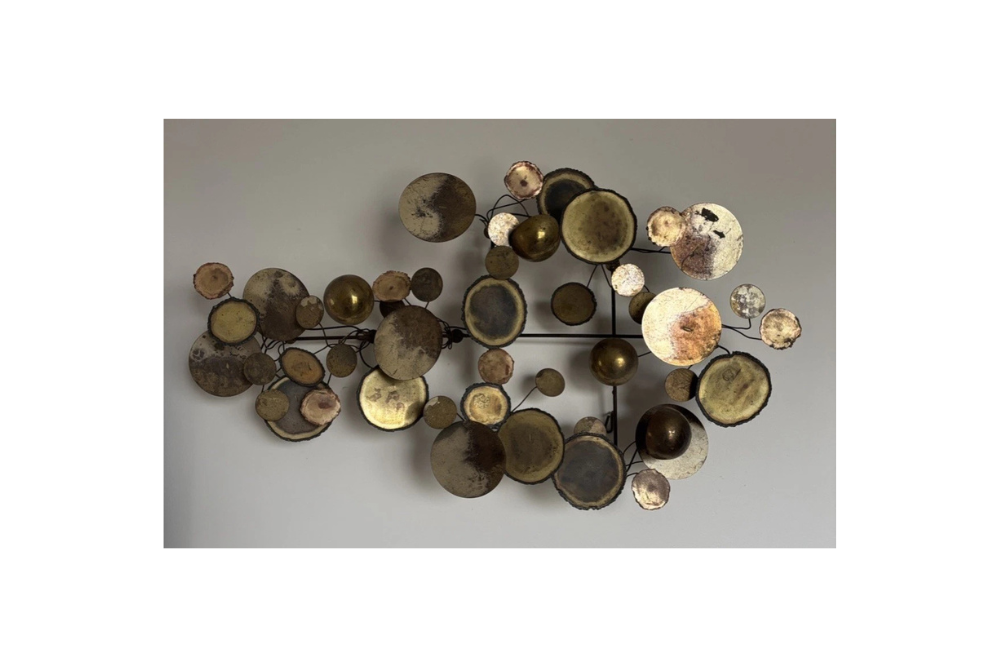
Those gold and copper disks seeming to float across a wall may be an original Curtis Jeré Raindrops sculpture. A signed piece dated 1975, constructed from welded steel, brass, and copper, realized $2,142. More than five feet wide, it was designed to dominate a living-room wall. The metal circles overlap at different angles, catching the light from the windows and changing appearance as you walk past.
The Curtis Jeré name belonged to the collaboration of Curtis Freiler and Jerry Fels, whose Artisan House business made decorative metal sculptures and other objects. Their designs ranged from abstract arrangements to city scenes, birds, and flowers. For Raindrops, examine the hanging points, metal finishes, and backs of the disks for a signature and date. A few bent rods can change the whole composition, while hard polishing can strip away the original patina.
Creators Inc. goddess oil-rain lamps
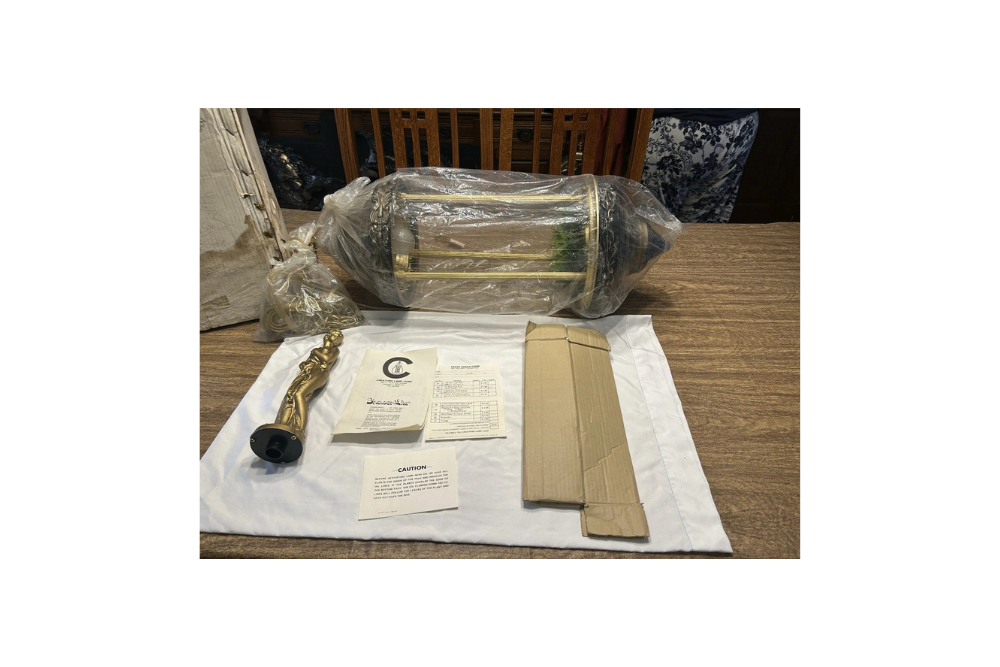
A classical goddess stands inside a hanging lamp while thin streams of mineral oil fall around her like rain. An unused 1970s Creators Lamp Corporation example in its original box sold for $799. These lamps were as much kinetic decorations as sources of light, and they could be found hanging from chains in living rooms and lounges where they made quite an impression.
A hidden pump lifts the oil to the top of the lamp, and it runs down fine threads surrounding the central figure. Creators Inc. was one of the manufacturers associated with the 1970s rain-lamp craze. The fragile threads, pump, artificial greenery, and statuette are easy to damage while cleaning or moving one. Inspect the electrical fittings and make sure the pump assembly is complete. An original box also helps identify which figure and version you have.
Original Lava Lite Carlisle lamps
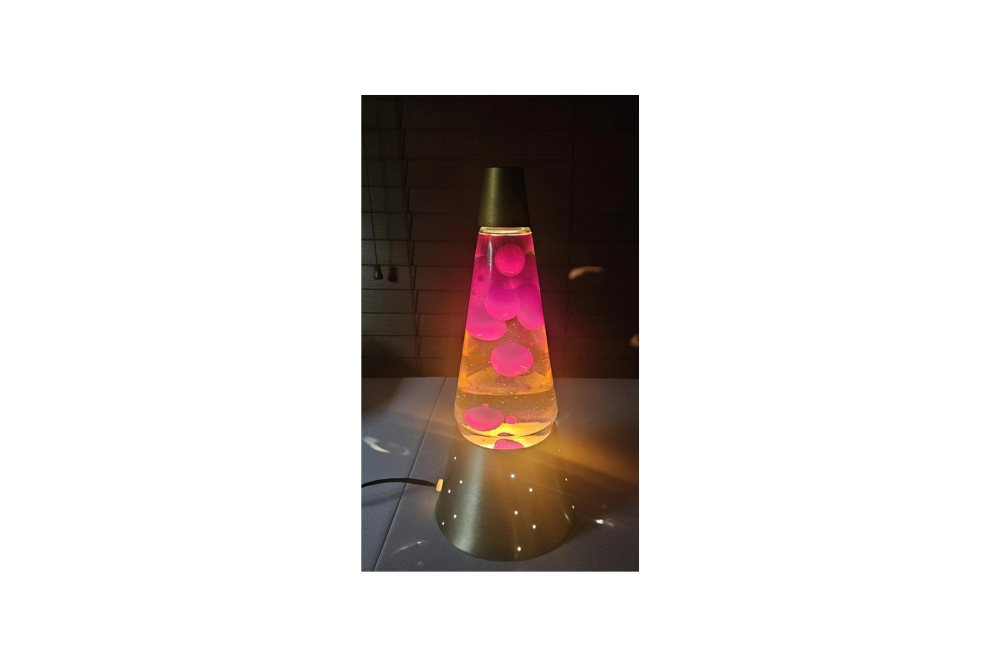
The tall glass bottle of a Lava Lite with red wax and clear liquid is a familiar image of the decade. A boxed 1970s Simplex Lava Lite Carlisle model 300 with a metallic Starlight base brought $305.50. The wax rises and falls slowly as the lamp warms up, which made it a strangely compelling object to watch in a dim living room.
The original Lava Lite range had several different bases, bottle shapes, and color combinations. An old lamp’s label, cap, and base are useful identifiers because later models can resemble earlier ones. Check that the bottle is the correct type for its stand and look for cloudy liquid or wax that has stuck to the glass. Missing caps, battered boxes, and alterations to the wiring affect the appeal. Don’t shake the bottle to try to get the wax moving.
L.E. Smith Bittersweet swung vases
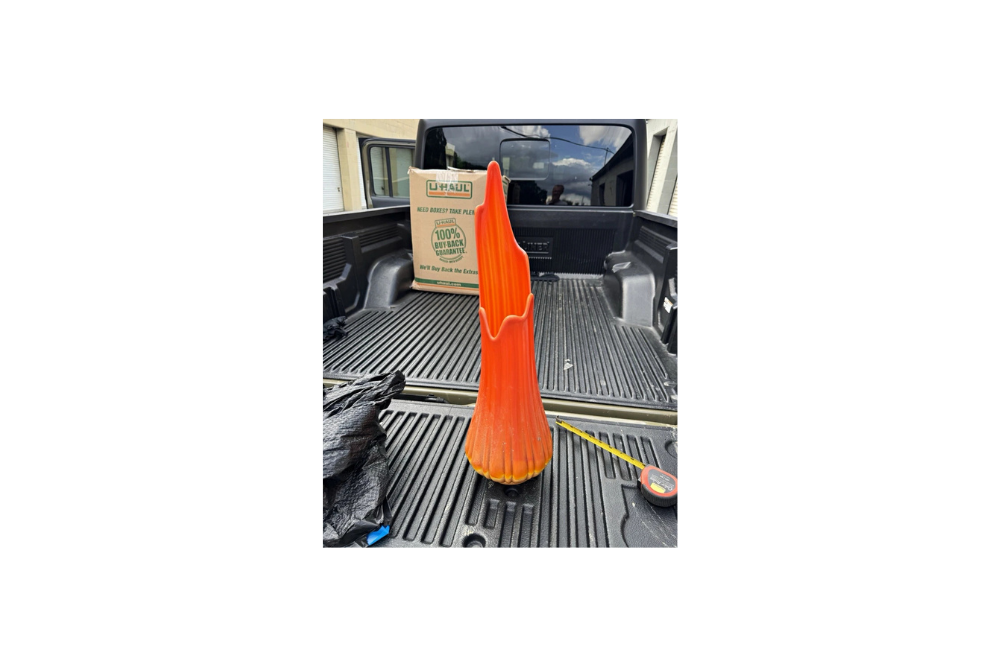
An enormous orange-to-red vase with a wavy, stretched mouth can be one of L.E. Smith’s Bittersweet swung-glass pieces. A 22-inch ribbed example sold for $325. The rich amber and reddish tones and the dramatically drawn-out neck make the vase far more sculptural than the small bud vases most people used for cut flowers.
Swung glass was stretched while hot, so the vase’s opening can be irregular or uneven without being damaged. The molded pattern carries up from the base into the taller glass body, where it may become thinner. Inspect the upper points with a light for chips and look for hairline cracks around the base. The shape, exact height, and color together make identification more reliable than calling any tall amber vase ‘Bittersweet.’ A large example can make a whole cabinet or shelf look complete on its own.
Viking Glass Epic Column floor vases
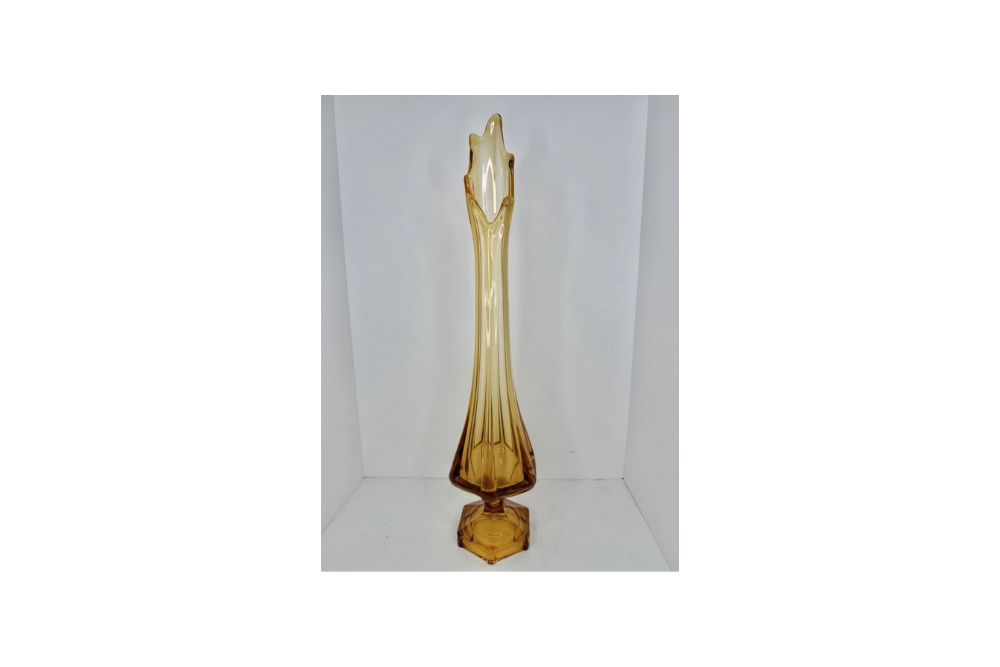
A 23½-inch amber Epic Column vase from Viking Glass sold for $169.99. It has a heavy pedestal-like base and upward-pulled sides that form a wide, dramatic opening. These big glass pieces were often displayed as decorative objects without flowers, especially against dark wood furniture and the earth-tone fabrics popular in the 1970s.
Viking catalogs from the decade show an extensive range of decorative glass shapes, including the company’s various Epic designs. The precise molded pattern at the base and the form of the upper opening help distinguish an Epic Column from other large swung vases. The upper edges can be thin and vulnerable to chipping, while the weight of the base makes packing and shipping tricky. Check the entire rim before deciding a piece is intact, and never lift a tall vase by one pulled glass point.
Uebelacker West German chimney vases
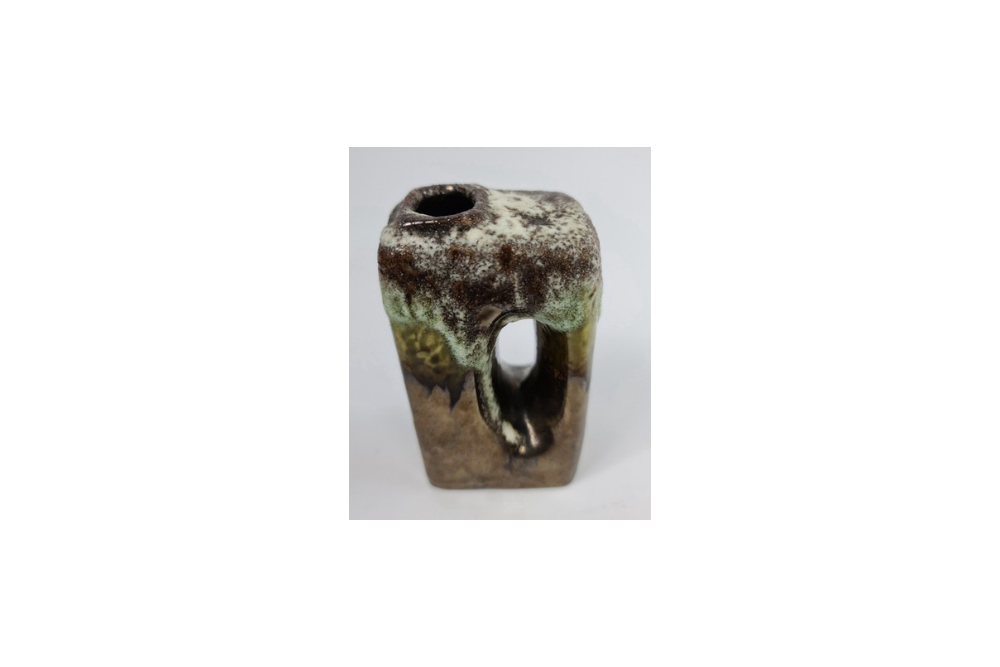
Some of the most unusual West German pottery from the 1970s resembles miniature architecture. A tall Uebelacker chimney-style vase fetched $125. The shape rises in angular steps, and the glaze combines rich, earthy color with a textured surface that feels much more experimental than ordinary flowered ceramics.
West German factories produced numerous forms with orange, brown, mustard, and contrasting glaze effects. Look underneath for a model number or factory information, then compare the actual outline to identified pieces. The phrase ‘fat lava’ is often used loosely by sellers, although real examples vary widely in how rough or smooth they feel. An older vase may have a small chip hidden in the glaze near the mouth, and cracks in the body can be difficult to spot among raised decorative details.
Slag-glass lotus hanging lamps
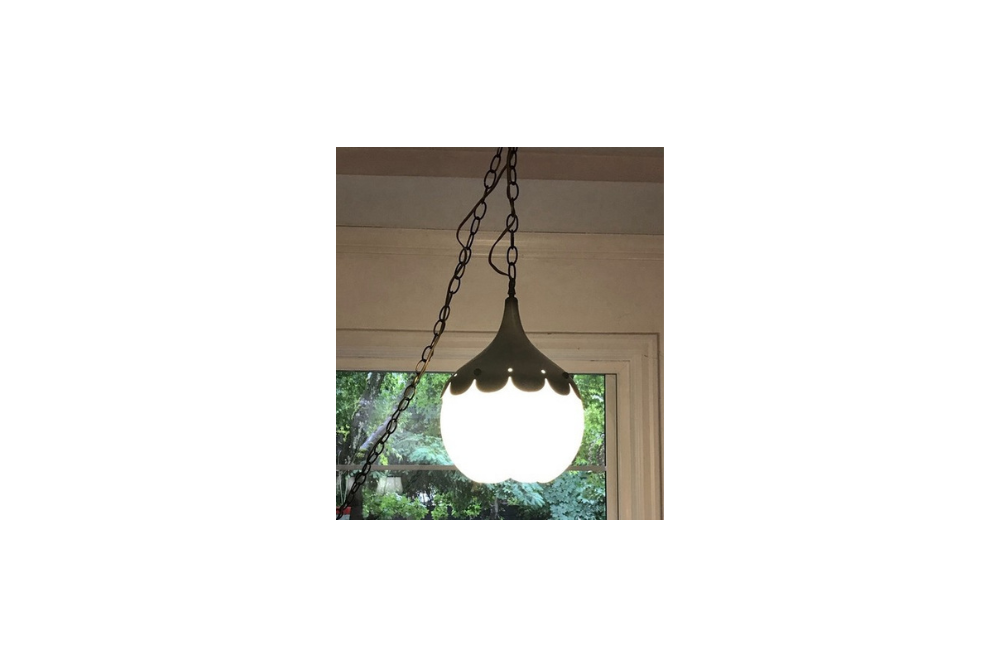
A lotus-shaped swag lamp with cream-and-tan glass petals can become the main feature of an entire room. One 1970s example sold for $225. The softly marbled glass glows warmly when illuminated, while the metal frame arranges the individual curved pieces to resemble a flower. It’s a more elaborate form than a plain dome pendant.
Each glass petal attaches to the surrounding metal structure, so inspect the contact points and look for mismatched replacements. Slag glass has streaks built into the material, but a crack runs across them and may only become obvious with a light behind it. Hanging chains, mounting hardware, and wiring often get changed when a light is moved from one house to another. The weight needs proper support, and decades-old electrical fittings should be checked before the fixture is used.
Ashbrook backlit velvet paintings
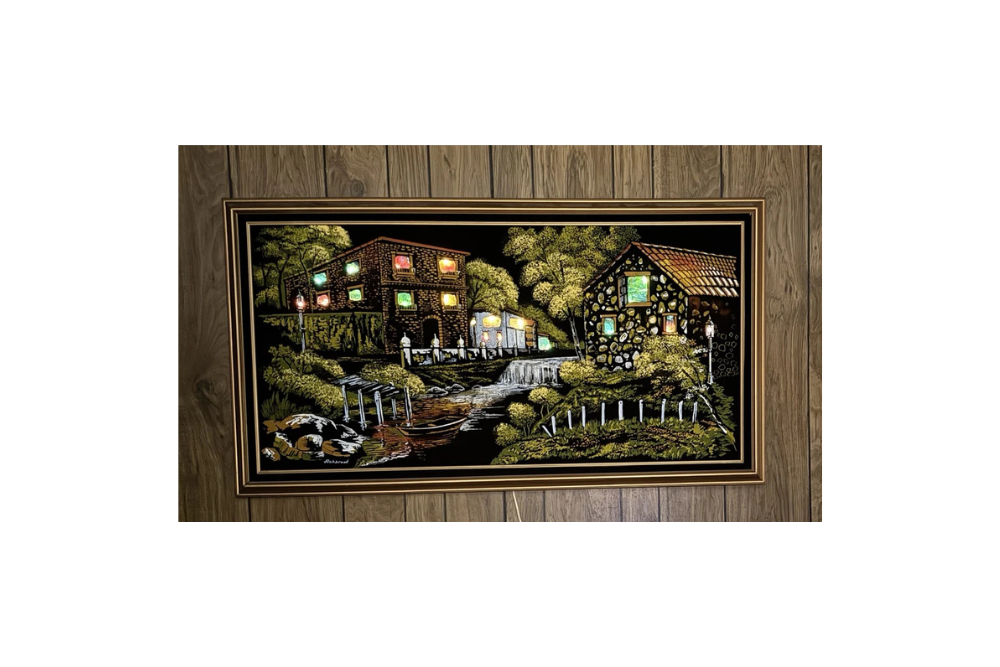
Black velvet paintings weren’t all souvenir portraits or fantasy scenes. An enormous Ashbrook landscape signed and dated 1972, with windows that illuminated from behind, sold for $224.99. The picture measured roughly 53 by 29 inches, large enough to fill the space above a sofa. Against the dark velvet, the brighter painted scenery and glowing windows create an effect that an ordinary print could never quite manage.
The backlighting is part of the original design, so examine the electrical components and the openings behind the picture before trying to display it. Velvet attracts dust and suffers badly when rubbed, especially in the dark areas where worn patches become visible. Also check for distortion in the large wooden frame. The artist’s 1972 signature is far better evidence of age than a generic ‘groovy’ look, and the lighting feature distinguishes this particular painting from other velvet landscapes.
Full-size rattan peacock chairs
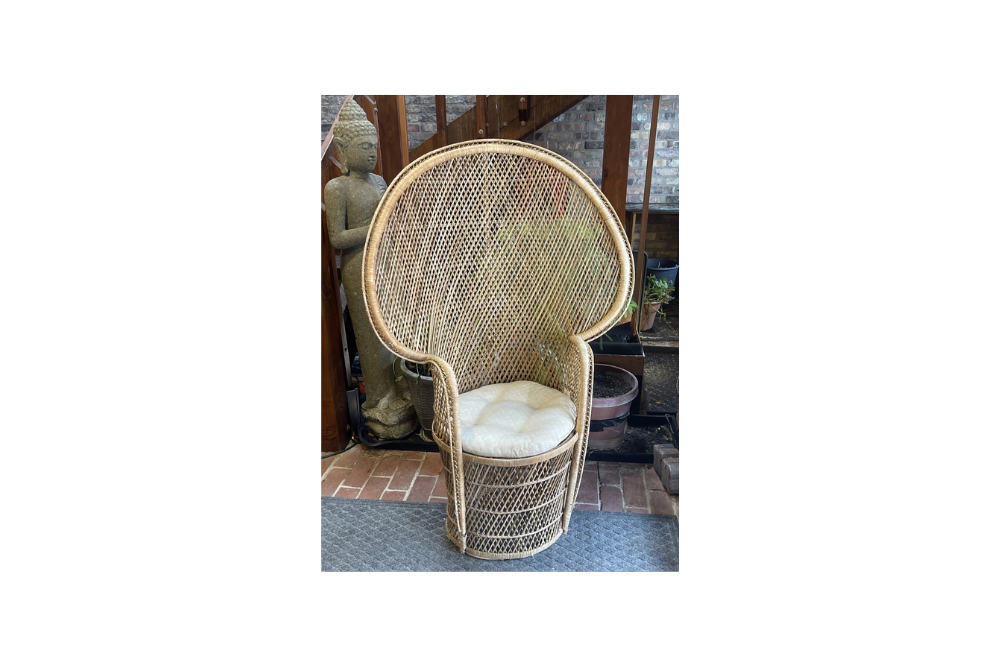
A towering woven chair with a fan-shaped back was one of the most memorable furniture forms in 1970s interiors. A vintage full-size rattan peacock chair brought $255. These dramatic seats were often placed beside leafy houseplants or used for portraits, where the enormous circular back made the sitter look almost framed by a halo of wicker.
Peacock chairs have been made for a long time, so a chair in the style doesn’t automatically date to the 1970s. Look at the weaving, joints, and construction details before making a claim about its age. The seat and arm supports carry the most strain, while the decorative outer fan can have missing or broken cane strands that are hard to repair invisibly. Full-size examples are very different from the small matching wicker chairs made for dolls, which sometimes end up mixed into the same vintage-decor listings.
Zodiac wall art printed on burlap
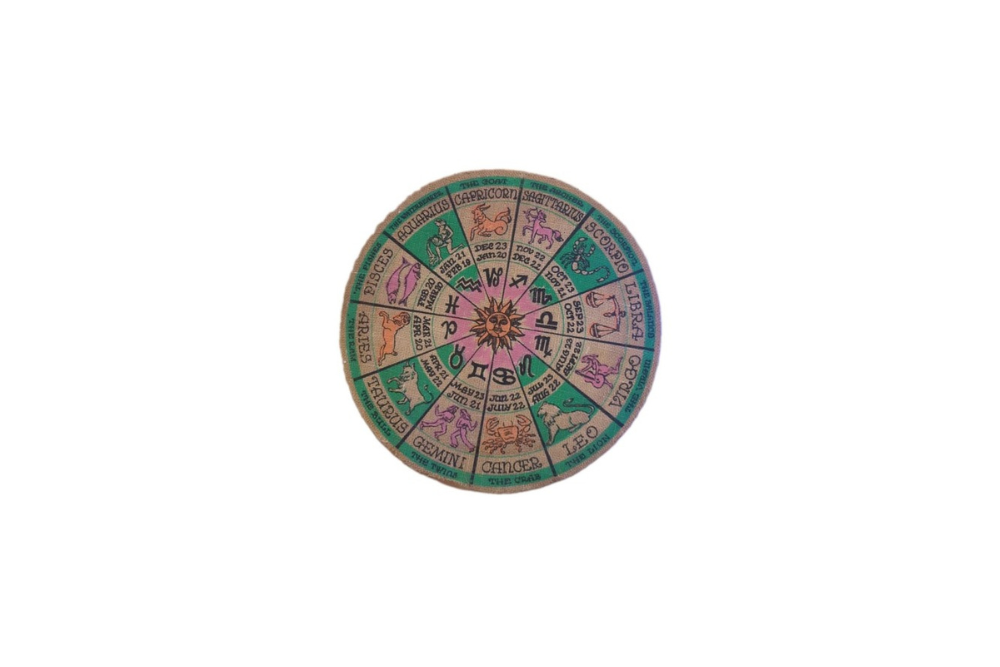
A round zodiac chart with signs and symbols arranged across coarse brown burlap could once have been the centerpiece of a wood-paneled living room. A 1970s fabric wall decoration of this type sold for $80.93. Its rough background and graphic imagery create an earthy look that sits somewhere between a poster and a craft project.
Many pieces were mounted on boards or fitted into light wooden frames. The backing may have warped from storage, or the fabric may have faded unevenly where the sun struck it every afternoon. Check around the edges for fraying and look behind the hanging for a maker’s label, signature, or other dating clue. Zodiac decorations were produced across several decades, so the typeface, backing, and original packaging can be more useful than the star signs themselves.
Arnels ceramic owl-family wall clocks
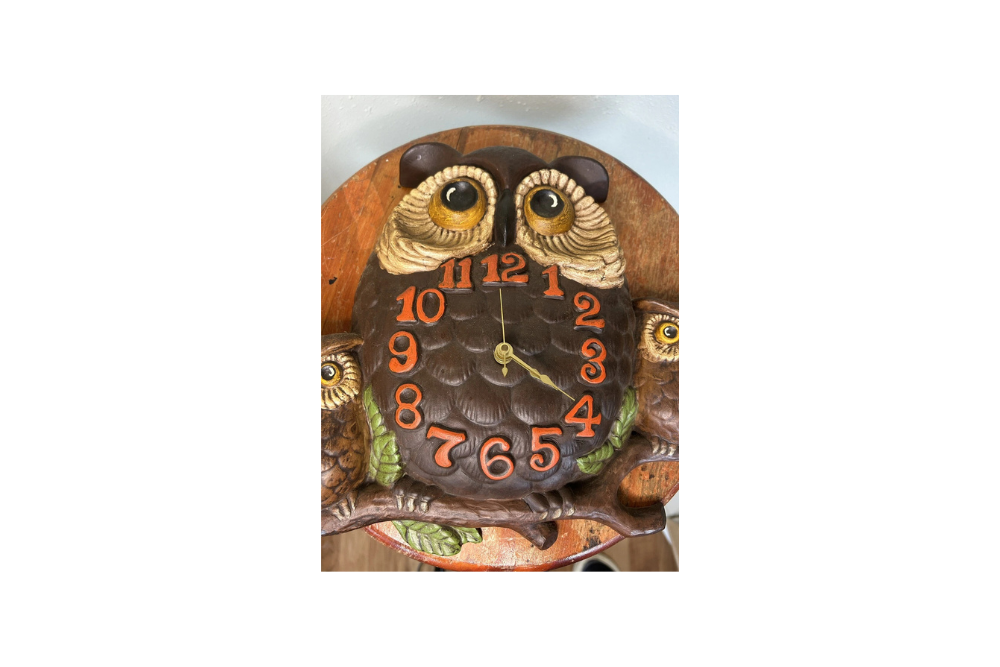
An Arnels ceramic wall clock shaped like a family of owls sitting among leafy branches sounds like pure 1970s decorating because it is. One large example with orange numerals and green foliage sold for $62, even though the clock mechanism was described as nonworking. A handwritten dedication dated 1978 gave the piece a particularly clear connection to the decade.
Ceramics workshops could finish similar molds in different colors, so the brown feathers and green leaves don’t always look identical. The fine branches, tips of the birds’ beaks, and other projecting parts are easy to chip. Look on the back for a studio mark or a name written by the person who painted it. Old quartz movements can sometimes be replaced, but the ceramic case and original markings are the parts that should be preserved during any repair.
Lucite grape clusters
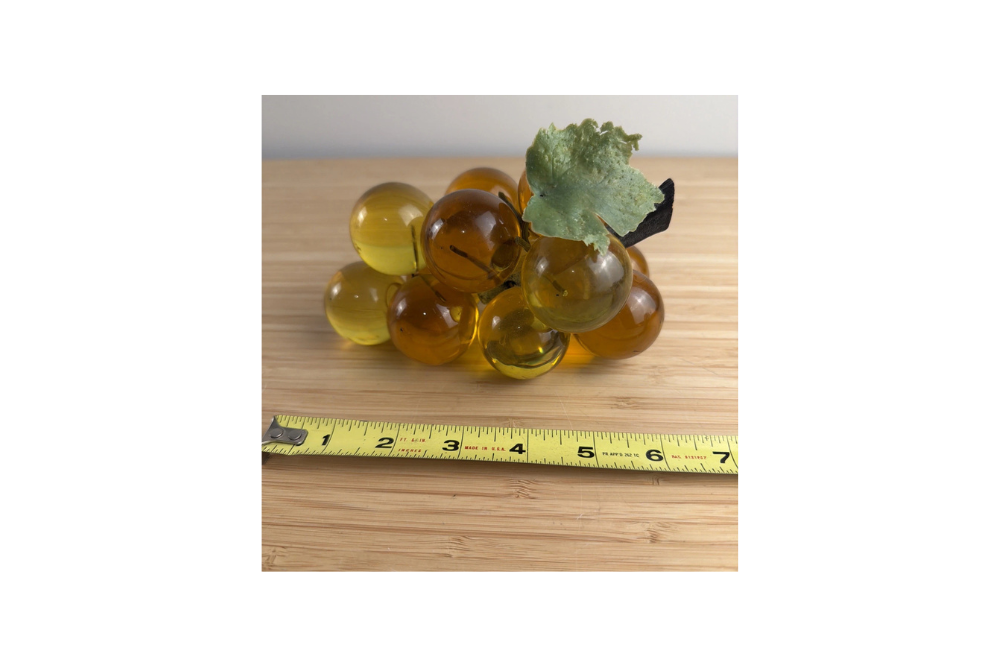
A cluster of translucent orange and yellow artificial grapes, each berry molded from acrylic, is a good reminder of the 1970s fondness for decorating tables with plastic fruit. A seven-inch vintage example sold for $21.99. The oversized, jewel-like beads are wired together, sometimes around a wood or wire stem, so the object resembles real fruit only in its basic shape.
Lucite grapes came in several colors and sizes, from little tabletop bunches to large pieces meant for display on a sideboard. Look for missing grapes, chipped openings where the beads attach, and discolored plastic. The stem may be wrapped or decorated with leaves, and an old repair can sometimes be spotted by a different wire color. A gentle cleaning is usually all that is needed; abrasive polish can make a once-clear surface look cloudy.
1970s McDonald’s promotional glass ashtrays
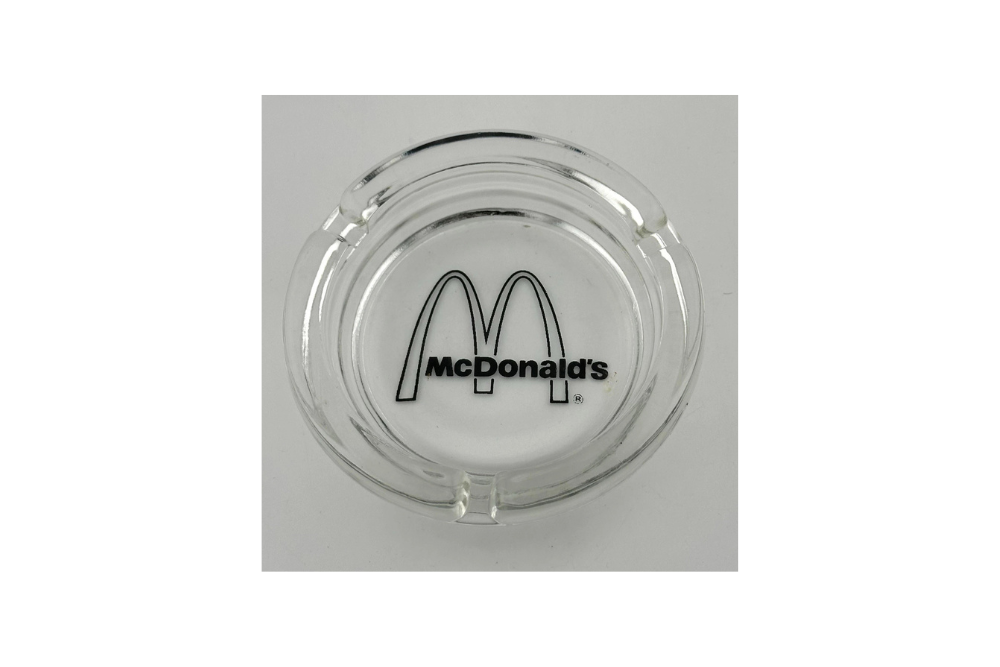
A clear glass ashtray printed with an early black McDonald’s logo is an unusually valuable piece of restaurant advertising for something that might have sat on a coffee table. One identified as a 1970s promotional example sold for $233.74. It’s the period branding, not an elaborate shape or expensive material, that attracts interest in this particular household accessory.
Compare the printed logo and lettering with the era rather than relying on the age claimed in a seller’s title. The broad glass rim and cigarette rests can collect little chips and scratches that show up under side lighting. Old promotional pieces sometimes have additional information or a maker’s mark underneath. A printed restaurant ashtray also needs to be identified separately from the unmarked amber glass designs that were common in homes during the same decade.
Sears Merry Mushroom ceramic canisters
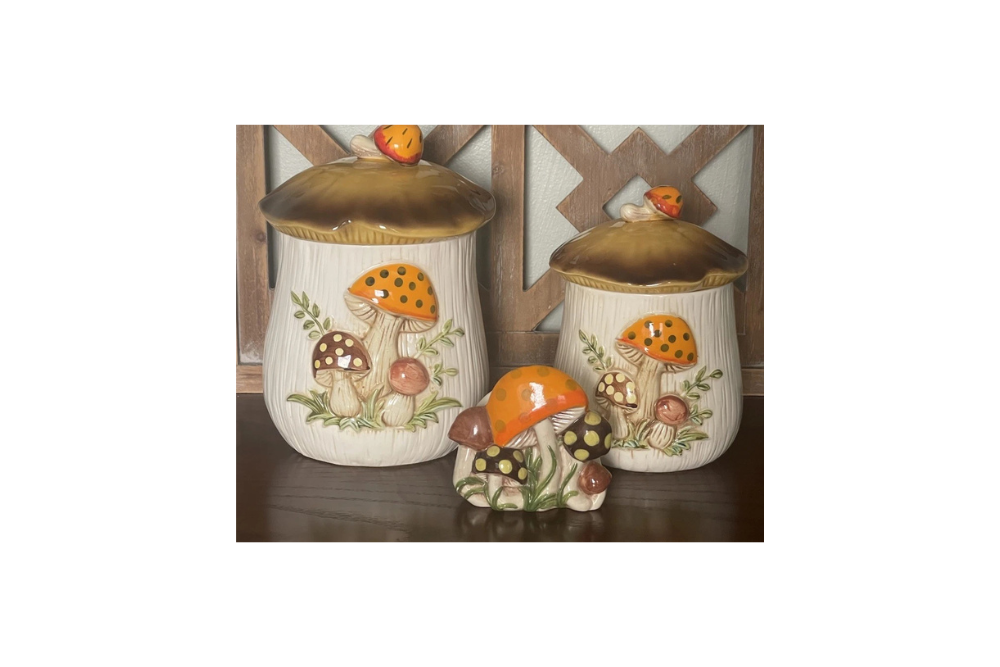
Sears made mushrooms into a whole kitchen decorating scheme with creamy ceramic jars, rusty orange caps, and brown details. A three-piece 1970s Merry Mushroom canister set with lids brought $79.99. The rounded shapes turned everyday containers for coffee, sugar, or flour into cheerful decorations that could stay on the counter all year.
Related Merry Mushroom pieces were produced in several sizes and forms, so a group collected from different houses may not be a matching original set. Turn each jar over for maker and country markings, and check the fit of its lid. Chips around the raised mushroom caps and the edges of the covers are common places for damage. The painted colors can differ slightly between production runs, and collectors trying to complete a kitchen display often want the precise size they’re missing.
Macramé planters with ceramic owl beads
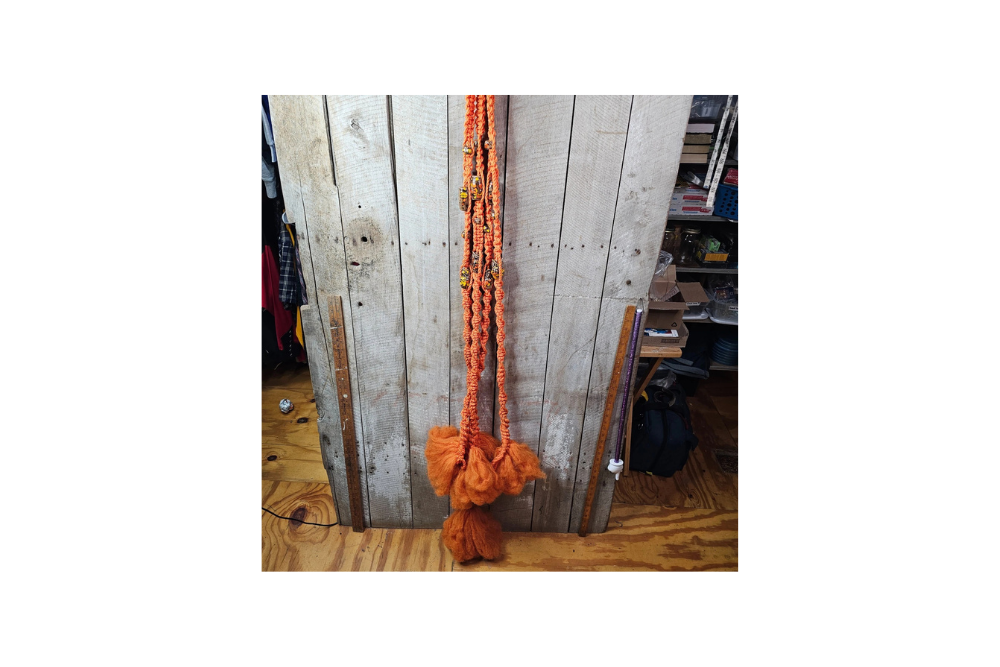
Macramé plant hangers were almost compulsory in a 1970s room full of spider plants and ferns. A black-and-purple knotted hanger decorated with orange ceramic owl beads sold for $35. The beads, heavy knots, and long fringe make it a decoration in its own right, even when there’s no plant in the holder.
The main suspension cords carry the weight of the pot, while the knotted lower basket keeps it supported. Look for snapped strands, faded cord, and cracking around the holes in the ceramic beads. Older fiber can weaken after years in sunlight or damp conditions, so a vintage hanger may be better suited to a lightweight display pot than a large, wet planter. The handmade owl decorations also distinguish it from a plain knotted hanger that could have been produced much later.
Floral milk-glass swag pendants
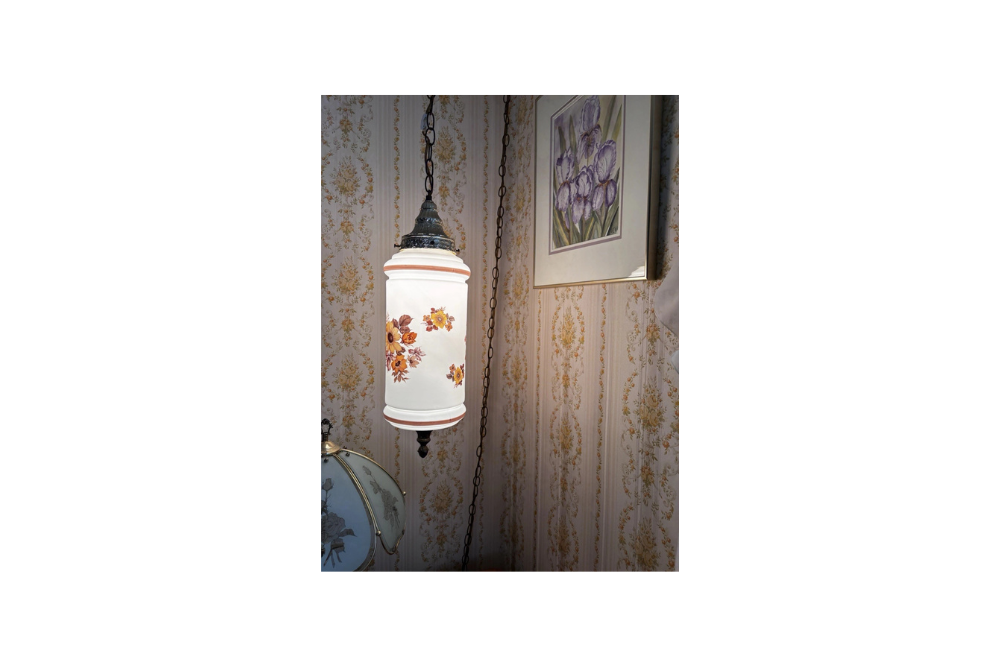
A white milk-glass pendant decorated with flowers has a softer look than the orange plastic shades and chrome globes that also appeared in 1970s houses. A vintage floral example with a hanging chain sold for $160. The round glass shade glows when lit, but the flower pattern remains visible during the day, giving it the decorative presence of a painted vase.
Swag lights were usually suspended on chains and powered by a long plug-in cord, which made them convenient in rooms without ceiling outlets. Check the chain and electrical fittings for alterations, and examine the narrow opening where the glass sits in its metal mount. A tiny chip may be hidden under the collar until the globe is removed. Old wiring needs inspection before the lamp is put back into service. Original glass can be difficult to replace if the matching floral pattern has been discontinued.
Pairs of black-velvet unicorn paintings
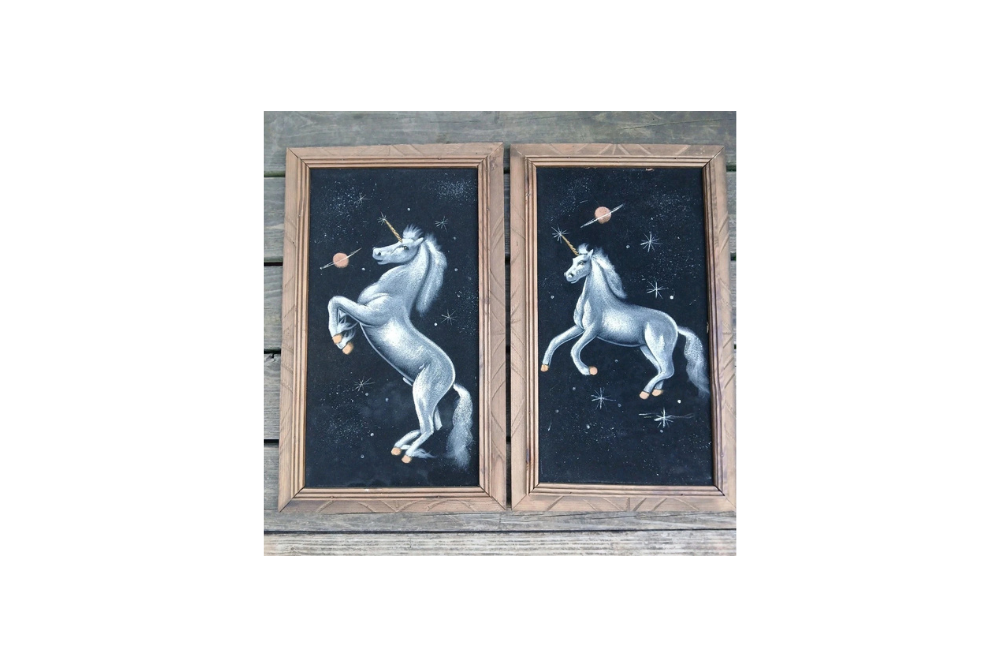
Fantasy art was right at home in the 1970s, especially when it was painted on black velvet. A matched pair of framed unicorn pictures measuring about 23 by 14 inches each brought $85. Their white animals, stars, and planetary details stand out against the dark backgrounds, giving the paintings a rather theatrical effect in a bedroom or den.
Matching frames and compositions matter when the paintings were intended to hang as a pair. Velvet collects dust and can develop rubbed spots that make the black background patchy, while moisture can damage the backing board. Check the corners for splits and examine the fabric in daylight before deciding that a pair is in good shape. The original fantasy imagery and period framing make these different from a generic modern print of a unicorn.
Electrix Guild Selections task lamps
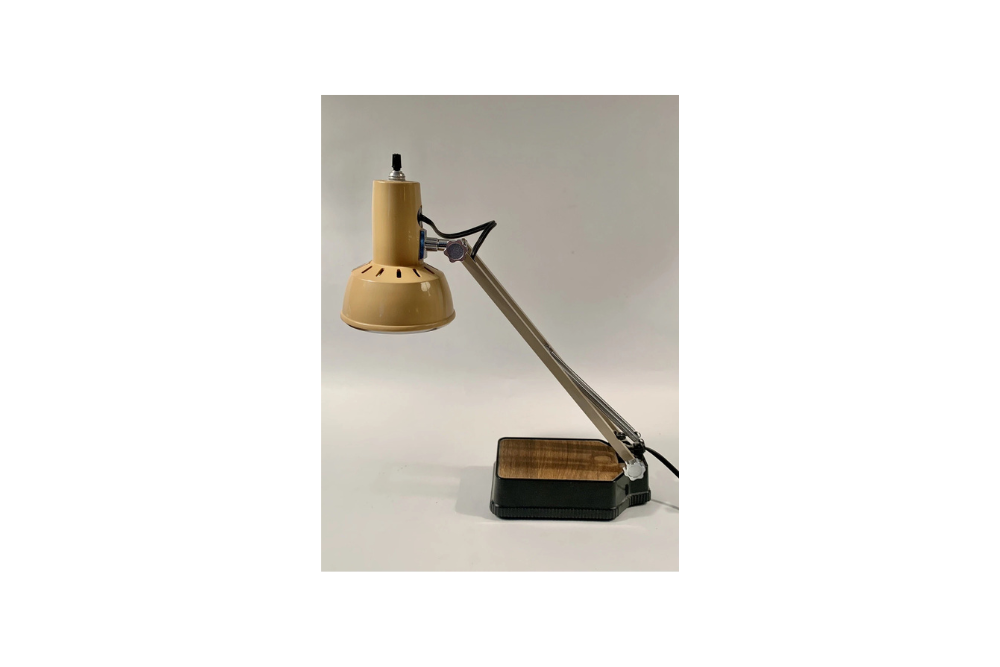
The small adjustable Electrix Guild Selections model 2124 looks as if it belongs on a 1970s drafting desk. An American-made example sold for $95. It has a sturdy base, articulated arm, and compact lamp head designed to concentrate light on a page or work surface, making its industrial shape both useful and decorative.
Check for the model number on the base and see whether the arm still moves smoothly at the hinges. Spring tension and the wiring near the head can deteriorate with use. Original shades and bases may have slight differences in finish, so a swapped part can stand out when the light is folded down. Working condition needs more than a quick flick of the switch: the plug and cord should be examined before an old electrical object is used for daily desk work.
Ceramic mushroom wall plaques
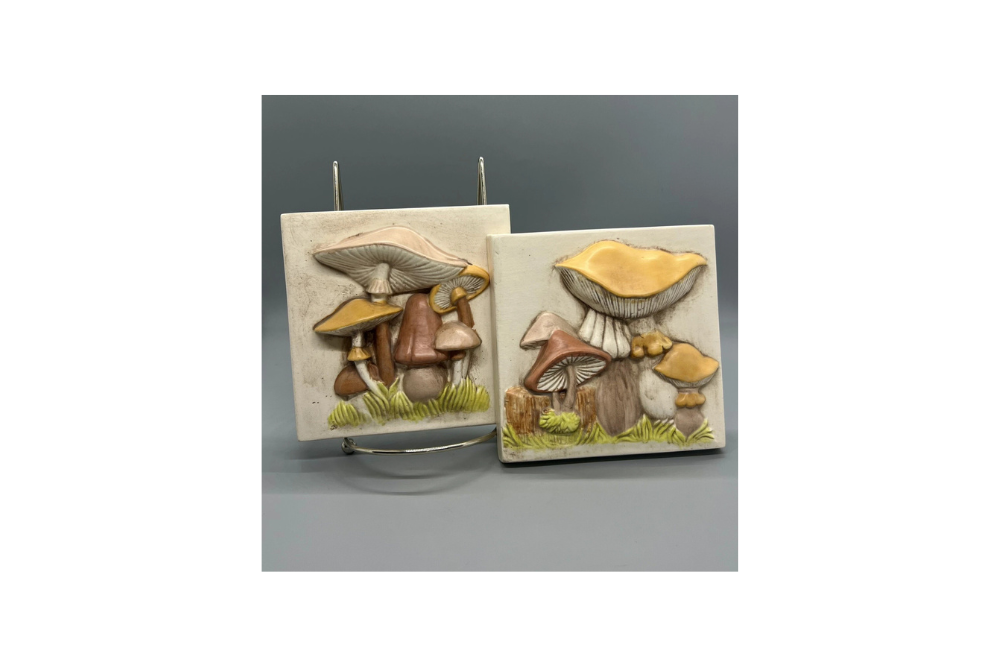
Two square ceramic tiles decorated with raised mushrooms sold for $32 as a pair. Each plaque measured about five inches across, with orange and brown caps, pale backgrounds, and little green details. They are an unusually compact version of the woodland and mushroom motifs that appeared on 1970s kitchen accessories, wallpapers, and small framed decorations.
The mushroom caps and projecting stems can chip if the plaques are stacked, and their original hanging loops may have been replaced. Check the backs for mold numbers, maker stamps, or evidence of home ceramic painting. Two tiles may have different arrangements of mushrooms while still belonging to a matched design. Their modest size makes them easy to display together near an entryway or kitchen shelf without needing a large wall.
Schlitz Lady on the Globe illuminated signs
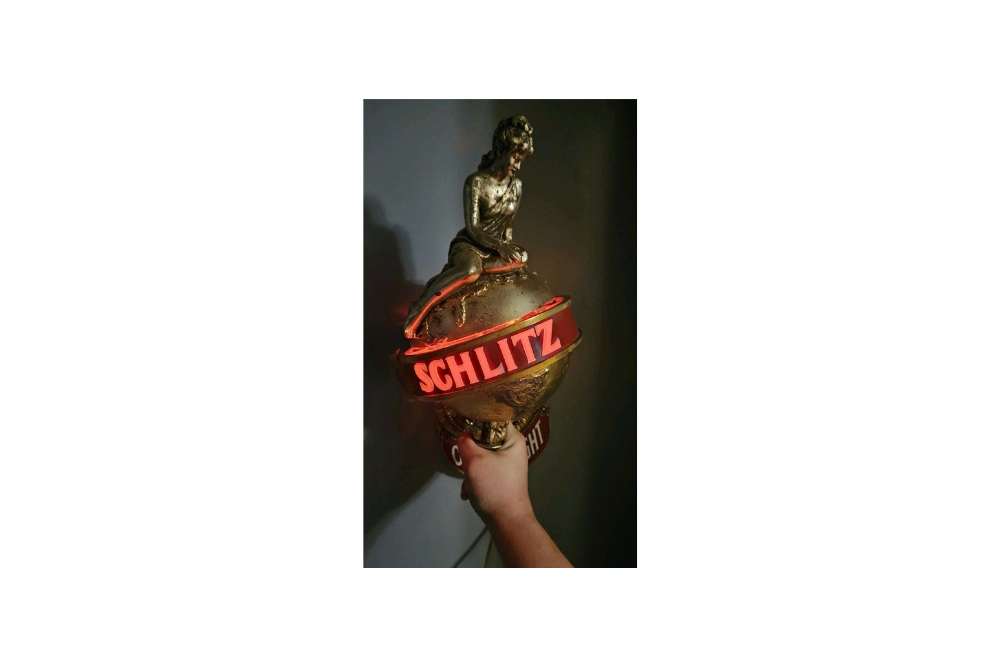
A decorative Schlitz sign with a female figure seated above a globe could be the centerpiece of a 1970s home bar. One lighted Lady on the Globe wall fixture sold for $300. The combination of raised lettering, molded globe, and metal figure makes this much more elaborate than a printed beer tray or a flat cardboard advertisement.
Branded fixtures from old bars often lost their mounting hardware when they were removed from a wall. Look closely at the globe, lettering, electrical fittings, and the parts that hold the female figure in position. Damage to the painted brand name is hard to conceal because it’s the first thing a collector notices. A replacement lamp or globe can also alter the look of the original fixture. Before connecting the lights, have the wiring checked for safe operation.
Arched rattan wall mirrors
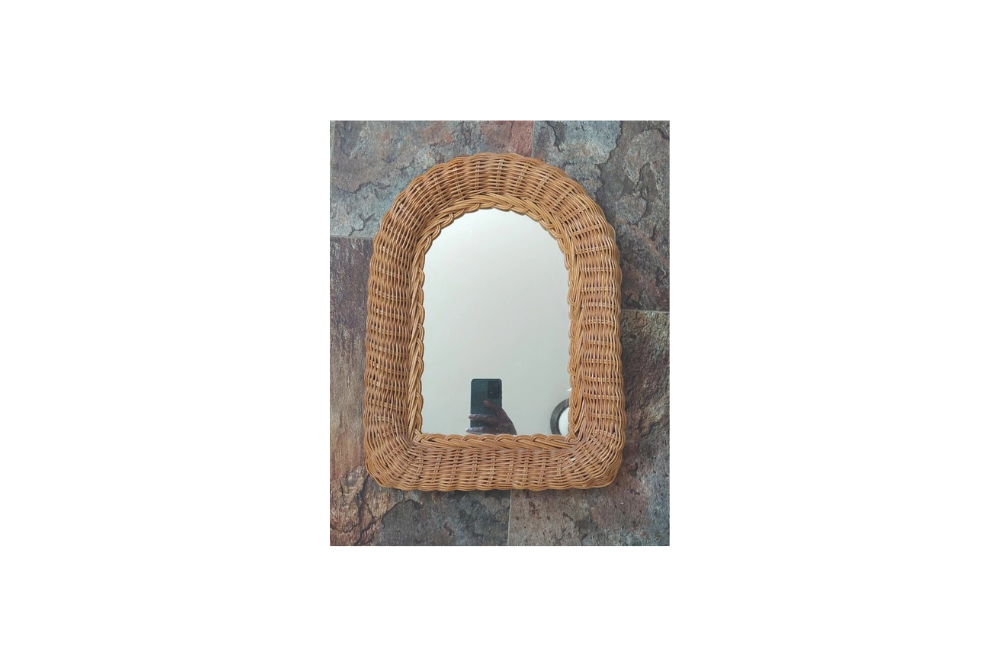
A small arched mirror in a woven rattan frame can disappear into a room full of larger, bolder 1970s furnishings. A vintage example about 16 by 12 inches sold for $30. Its warm honey-colored cane and simple curved outline make it a good match for wicker furniture, leafy houseplants, and natural fabrics.
These mirrors rely on narrow strips of woven material around the frame, and the bends at the upper corners can split as the cane ages. Inspect the backing, hanging loop, and the way the glass is secured. Rattan can become brittle after years near a heater or in direct sunlight, while old glue may loosen when a mirror is moved. Its little arched frame is a useful identifying detail, especially beside the wider circular wicker mirrors also associated with the decade.











