
Your job has stopped paying enough, but going back to college for four years isn’t remotely realistic. Tuition is only one problem. There’s also rent, bills, and the awkward question of how you’re supposed to earn a living while retraining.
No degree doesn’t mean no training. Some careers have paid apprenticeships that take years. Others involve shorter certificate programs, licensing exams, or learning under supervision. The useful distinction is whether the route leads to an actual job with room to develop, rather than another qualification that looks good on paper.
The pay figures are national medians from May 2025, not guaranteed starting salaries. The growth figures describe projected employment changes between 2025 and 2035. A big percentage matters, but so do the number of openings, where the jobs are, and what daily work actually involves.
Electrician

Electricians aren’t just wiring new houses. They keep industrial equipment running, repair aging electrical systems, install controls, and figure out why a perfectly ordinary-looking circuit has stopped doing its job. The median annual wage was $63,190 in May 2025, with higher earnings possible in industrial settings. That’s an employee wage, not what a contractor bills a customer.
The usual way in is a paid apprenticeship, often lasting four or five years, rather than a college degree. Some people start with technical classes, but classroom training alone doesn’t make you a qualified electrician. Licensing rules differ by state, and apprentices earn less while they learn. There’s no honest way to turn the full process into a quick weekend certificate.
Employment is projected to grow 9% through 2035. Long-term choices include commercial work, industrial maintenance, and supervising crews or running a licensed business. The trade-off is physical work, strict safety rules, and awkward hours when power needs restoring rather than when it’s convenient.
HVAC technician

A broken air conditioner in August doesn’t politely wait for a free appointment next week. HVAC technicians install, diagnose, and repair cooling, heating, ventilation, and refrigeration equipment, often when a building’s occupants are already thoroughly fed up. Median pay was $61,010 in May 2025, and commercial refrigeration can be a very different working life from residential service calls.
Most workers start with a nondegree technical program, although some enter through other training routes and learn extensively on the job. Handling refrigerants brings certification requirements, and some states require licensing. Expect electrical troubleshooting, airflow problems, cramped spaces, and much more diagnosis than simply replacing filters. A short course isn’t a substitute for supervised experience.
Demand is projected to rise 11% by 2035. Experience with complex commercial systems, controls, and refrigeration gives you somewhere to develop beyond basic installation. Ask prospective employers how much time a new technician spends learning alongside experienced staff. An impressive-sounding job title doesn’t automatically come with useful training.
Plumber

Water coming through the ceiling makes skilled plumbing work look considerably less optional. Plumbers repair and install supply lines, drains, water heaters, and fixtures. Related pipefitters work with larger industrial systems. The combined occupation had a median annual wage of $63,800 in May 2025, although new apprentices won’t be collecting that amount on day one.
You can enter through an apprenticeship without earning a degree. Typically, that means years of paid work and technical instruction, followed by the exams or experience your state requires for licensing. The route is demanding, but at least some of the learning happens on a paycheck rather than entirely at your own expense. There are plenty of awkward spaces and unpleasant surprises too.
Jobs across plumbing, pipefitting, and steamfitting are projected to grow 7% by 2035. Residential service, large construction projects, commercial systems, and maintenance each offer different schedules. Emergency callouts can boost earnings, but they also have a habit of ruining evenings, so investigate the actual on-call rota.
Industrial machinery mechanic

When a packaging line stops, a factory can lose money with every minute it sits idle. Industrial machinery mechanics are the people tracing the fault through motors, conveyors, sensors, bearings, and controls. The 2025 median annual wage for these mechanics was $64,520. It’s a mix of mechanical skills and increasingly technical diagnostics, not someone standing beside a machine with a wrench.
A high school diploma is the typical entry credential, followed by substantial on-the-job training. Learning diagrams, diagnostics, electrical systems, and hydraulics matters more than collecting a vague certificate with no hands-on practice. Shift work and overtime are common where machinery runs around the clock. It’s worth finding out how a plant handles night breakdowns before agreeing to the schedule.
Employment for industrial machinery mechanics is projected to rise 18% between 2025 and 2035. More factory automation means more complicated equipment that needs maintaining. A mechanic who understands the entire production line can move into advanced troubleshooting and greater maintenance responsibility without necessarily returning for a degree.
Solar panel installer

Installing solar panels is a construction job first and a green-energy job second. Someone has to carry equipment, fit mounting systems correctly, work safely on roofs, and connect the installation as the job allows. Solar photovoltaic installers earned a median $53,140 in May 2025. It’s not a desk-based way into renewable energy, and anyone who dislikes heights should probably look elsewhere.
Most enter with a high school diploma and learn on the job, sometimes after short technical courses. Training can cover electrical basics, roof safety, system layout, and equipment testing. Certification may be useful, and particular projects or employers impose additional requirements. Electrical connections must stay within the relevant licensing rules. Some construction experience helps, but doesn’t replace equipment-specific training.
The 37% projected employment growth through 2035 is eye-catching, but it starts from a small workforce. A big percentage doesn’t mean endless local openings. Experienced installers may move into crew leadership or project supervision, while the best prospects still depend on where solar projects are actually being built.
Wind turbine technician

There’s working at height, and then there’s climbing inside a wind turbine to inspect equipment far above the ground. Wind turbine technicians service mechanical, electrical, and hydraulic systems, deal with faults, and perform maintenance that cannot simply be postponed. Median pay was $64,120 in May 2025, respectable for work that typically doesn’t require a college degree.
An industry-focused certificate is a common entry path, followed by substantial on-the-job training. Employers need people who can troubleshoot controls as well as handle climbing, confined spaces, and safety procedures. Some roles also involve travel or being on call. Being mechanically confident on the ground isn’t enough if the height makes you miserable.
Employment is projected to increase 30% by 2035. It’s one of the fastest-growing occupations by percentage, but the industry remains small and concentrated around particular sites. The bigger career question is whether you want to live near the work, handle the schedules, and build expertise in increasingly complex turbine systems.
Electrical power-line worker
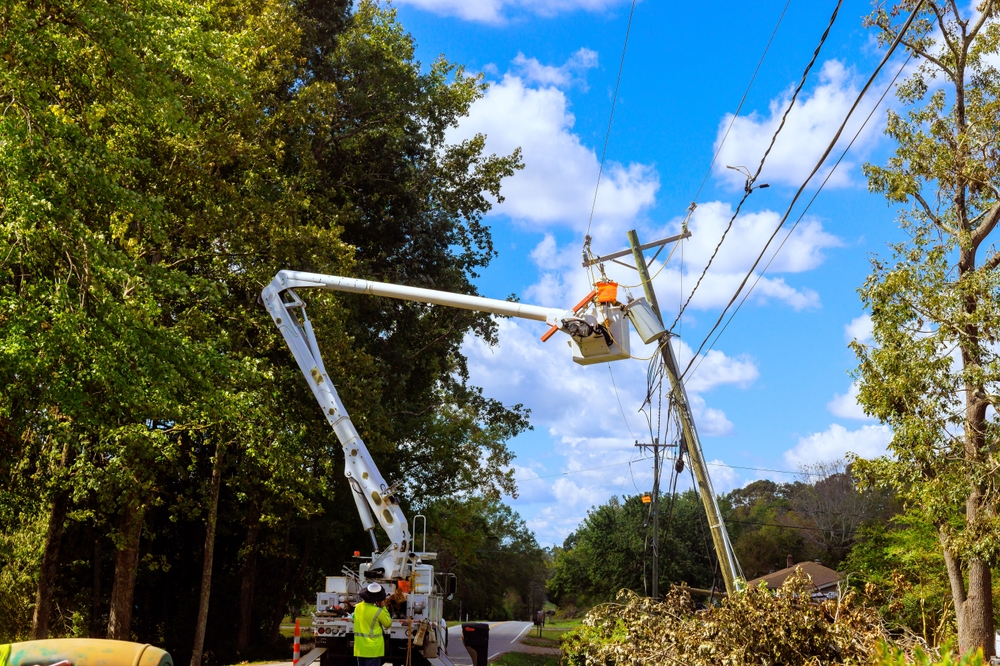
A storm can leave an entire neighborhood without power. Electrical power-line installers and repairers are among the crews fixing the lines and equipment that bring it back. The job also includes maintaining and building the grid between emergencies. Median annual pay reached $95,320 in May 2025, reflecting skilled, demanding work rather than a realistic starting salary for someone fresh out of training.
The route begins with a high school diploma, technical instruction, and lengthy supervised training or an apprenticeship. You need to handle equipment, work outdoors and at height, follow rigorous safety rules, and accept that electricity is unforgiving. Storm response can mean travel, extended shifts, and time away from home. It’s not a career to choose based only on the money.
Employment is projected to grow 10% through 2035 as electricity demand and grid needs increase. Utilities, local governments, and contractors offer different working arrangements. Comparing benefits, emergency schedules, and training quality matters every bit as much as looking at the headline wage.
Aircraft mechanic

An aircraft maintenance problem can’t be waved away because the flight is running late. Mechanics inspect, diagnose, maintain, and repair planes, working from detailed procedures and documenting what they’ve done. Their median annual wage was $79,870 in May 2025. The work carries responsibility, and the rules about who can sign off repairs are considerably stricter than those for fixing a car.
You can qualify through an approved nondegree aviation maintenance program or through eligible practical experience followed by the required certification process. The exact route matters: a random mechanical course isn’t the same as meeting aviation maintenance requirements. Some jobs involve nights or hangar work when aircraft are out of service. There can be tight schedules, but there is no acceptable shortcut around a safety check.
Employment of aircraft mechanics and service technicians is projected to grow 5% by 2035. Experience on particular aircraft, complex troubleshooting, and additional qualifications can bring more responsibility. It’s a sensible option for someone who enjoys methodical work and can live with the fact that accuracy, not speed, decides whether a task is finished.
Elevator and escalator mechanic

Elevators are easy to ignore until one breaks in a busy building. Keeping them working takes people who understand motors, controls, mechanical systems, doors, and safety equipment hidden behind the panels. Installers and repairers had a median annual wage of $109,910 in May 2025, making this one of the stronger-paying nondegree trades available. That figure shouldn’t be confused with apprentice starting pay.
Nearly everyone learns through an apprenticeship, and most states require a license. Expect years of training, not a short online course. Apprentices earn much less than the occupation’s median while they qualify, and the work can involve cramped machinery spaces, elevator shafts, heavy components, and emergency repairs. The six-figure figure reflects the skilled occupation overall.
Employment is projected to increase 6% through 2035. There’s a continuing need to maintain and modernize equipment already in buildings, not merely fit lifts in new construction. The catch is that the occupation is relatively small, so apprenticeship places can be competitive. Check actual openings locally before planning an entire career change around that salary.
Occupational health and safety technician

An unsafe workplace doesn’t always announce itself with a dramatic accident. Sometimes the warning is a badly maintained ladder, a missing guard, or a pattern of near misses nobody has taken seriously. Occupational health and safety technicians inspect sites, collect information, test conditions, and help employers identify risks. Median pay was $61,560 in May 2025, with work in a wide range of industries.
The technician route typically requires at least a high school diploma and training at work. That’s different from an occupational health and safety specialist, a related but separate role that typically requires a bachelor’s degree. Someone with experience in manufacturing, construction, or equipment maintenance may already recognize the hazards employers need help finding. The job also demands patient recordkeeping and the confidence to report uncomfortable findings.
Technician employment is projected to rise 19% through 2035. Work may involve traveling between sites and having conversations with managers when practices need changing. Building expertise in a particular industry can be valuable, especially where regulations and machinery are complicated enough that generic safety slogans don’t help anyone.
Medical records specialist

Medical care generates an enormous paper trail, even when the paper itself has disappeared. Someone must check records for accuracy, assign codes, manage patient information, and make sure confidential details reach only authorized people. Medical records specialists earned a median $51,140 in May 2025. Unlike many hospital jobs, this one normally doesn’t involve hands-on patient care, although plenty of communication with clinicians is still required.
A postsecondary certificate is a common entry route, and some employers hire people with a high school diploma and relevant experience. Be careful with courses promising instant remote coding jobs. Employers may want demonstrated knowledge, credentials, and experience before allowing someone to handle complex records independently. The work involves sustained attention, medical terminology, and precise data entry rather than casual computer use.
Employment is projected to grow 8% by 2035. Electronic records and healthcare demand support the need, although more efficient automated coding tools could change parts of the job. Specialists can develop deeper knowledge of coding, auditing, or records systems; some senior health information roles require further credentials or a degree.
Medical assistant

A doctor’s office needs someone to bring patients back, take basic measurements, prepare rooms, and keep appointments moving. Medical assistants combine clinical and administrative tasks, depending on the practice and state rules. Their median annual pay was $45,690 in May 2025, so this isn’t a disguised six-figure career. It’s a realistic way into clinical work without first taking on a college degree.
Many people complete a certificate program, while some employers train high school graduates directly. A good program should provide supervised clinical experience rather than just terminology and quizzes. Medical assistants aren’t nurses, and the tasks they’re allowed to perform vary. It’s worth checking what a particular job actually involves instead of relying on a broad title. Some clinics expect a surprising amount of reception and paperwork.
Employment is projected to expand 13% through 2035, driven by demand in medical offices and other care settings. Experience can lead toward specialty practices or team leadership, with further healthcare training opening additional doors. The value of the job depends partly on whether you want regular patient contact and can handle a schedule that changes when someone arrives with an urgent problem.
Pharmacy technician

Pharmacies don’t function on pharmacists alone. Technicians help process prescriptions, manage stock, prepare medications under supervision, and deal with customers who may already be anxious about delays or costs. The national median wage was $45,750 in May 2025. A hospital pharmacy and the counter at a busy retail store can feel like two different occupations, even when the title is identical.
Some technicians learn at work after high school; others complete a nondegree training program. Most states regulate the occupation in some form, and an exam, registration, or certification may be needed. Being accurate with medication names and quantities matters far more than being fast at a cash register. Before paying for a private course, check what local employers and your state board actually require.
Employment is projected to increase 6% through 2035. Larger hospitals and specialized pharmacy operations may offer additional responsibilities or career tracks, while retail positions can mean evenings, weekends, and constant customer contact. It’s a useful option for people who enjoy careful procedures, provided they’re realistic about the pay and the pressure of the setting.
Surgical technologist

An operating room needs every instrument ready and every sterile surface treated seriously before the patient arrives. Surgical technologists prepare rooms, arrange equipment, and pass instruments to surgeons during procedures. Median annual pay was $64,650 in May 2025. It’s a clinical job with significant responsibility, but you don’t have to become a nurse or doctor to do it.
Many candidates qualify through an accredited certificate program rather than a degree, although associate-degree routes are also common. Employers may prefer or require certification, and some states have extra rules. Classroom training alone isn’t enough to understand operating-room practice; supervised clinical experience is a central part of preparation. The work can involve standing for long periods and coping with sudden changes during surgery.
Employment of surgical technologists is projected to rise 5% by 2035. Hospitals and outpatient surgery centers need people trained in sterile technique and precise routines. Opportunities to broaden your role exist, but some higher-level clinical positions require additional education. This is a nondegree job that still involves serious professional preparation, not an easy shortcut to a high salary.
Psychiatric technician

Supporting people during a mental health crisis isn’t the same as ordinary customer service. Psychiatric technicians help monitor patients, assist with daily care, observe changes in behavior, and work alongside clinical staff in hospitals or residential facilities. Median annual pay was $45,130 in May 2025. The job is practical, demanding, and a long way from the misleading idea that mental health work is mostly sitting and talking.
Technicians typically complete a postsecondary certificate, with additional training after hiring. Some states require licensing. A psychiatric technician is not the same as a psychiatric aide, and the preparation and responsibilities can differ considerably. Many facilities operate around the clock, making evening and overnight work part of the deal. It’s worth asking employers what staffing and safety support are actually available.
Technician employment is projected to grow 22% by 2035, much faster than average. There’s scope to build experience in behavioral health settings or pursue clinical qualifications later. The important question is whether you can handle unpredictable situations without becoming overwhelmed yourself. Compassion matters, but it has to sit alongside clear boundaries and proper workplace support.
Hearing aid specialist

Hearing aid specialists don’t just hand customers a device and hope for the best. They assess hearing for fitting purposes, take impressions, adjust equipment, and help people get comfortable using technology that may initially feel unfamiliar or frustrating. Median annual pay was $65,160 in May 2025. It’s a fairly specialized healthcare-adjacent job with a substantial customer-facing side.
A high school diploma is the typical entry credential, with moderate-term on-the-job training. State licensing rules can add exams and specific requirements, so the route isn’t identical everywhere. This isn’t the same profession as audiology, which has a substantially different education path. A specialist’s work is narrower and centered on fitting and supporting hearing instruments, as well as understanding what a customer actually needs.
Employment is projected to increase 19% by 2035. The percentage sounds enormous, but the occupation starts with a small workforce and relatively few openings compared with large healthcare jobs. Ask about training, supervision, pay arrangements, and whether sales targets form a major part of the position. Those details can completely change what the work feels like.
Ophthalmic medical technician

Before an eye doctor makes a diagnosis, someone often needs to take measurements, perform preliminary tests, prepare equipment, and explain parts of the appointment to a patient. Ophthalmic medical technicians do that work in eye-care settings. The median annual wage was $45,570 in May 2025, placing this among the more accessible clinical technician roles rather than the highest-paying jobs in healthcare.
Postsecondary nondegree training is the typical entry path. That may mean a certificate or another structured program, depending on the employer and job. It is not the same as becoming an optometrist or ophthalmologist. You’ll need patience with people who struggle to follow testing instructions and the precision to record measurements correctly. It’s technical work with a human being on the other side of the equipment.
Employment is projected to grow 21% through 2035. The need for eye care creates room for technicians who can handle varied tests and equipment. Development may come through additional certifications and more advanced responsibilities in a practice, though there are limits to how far you can move without further education. That distinction is worth understanding before enrolling.
Community health worker

Getting medical advice is one thing; getting to the appointment, understanding the instructions, and finding the right support can be quite another. Community health workers help people navigate those practical obstacles, often through hospitals, local programs, and community organizations. Median annual pay was $51,850 in May 2025. This is a service-focused role rather than a job diagnosing or treating patients.
Most positions typically require a high school diploma, although some employers prefer additional education or experience. Training is usually provided on the job, and some states require certification. Knowing a community, communicating well, and keeping accurate records can be just as important as knowing health terms. Work may involve travel between sites or attending evening events when people are available.
Employment is projected to increase 13% by 2035. There are opportunities to focus on a particular population, program, or type of outreach and later coordinate projects. Funding arrangements differ between employers, though, so ask whether a position is permanent or tied to a time-limited grant. The job’s appeal is practical problem-solving, not a promise of easy advancement.
Massage therapist

Massage therapy can look like an easy change of pace from office work until you’ve spent an entire day using your hands, shoulders, and back. Therapists assess client needs, work with soft tissues, and provide sessions in clinics, wellness settings, or private practices. Median annual pay was $58,450 in May 2025, but that number needs care because part-time work and self-employment are common.
Training usually comes through a postsecondary nondegree program combining classroom study and hands-on practice. Most states regulate massage therapy, with licensing or certification requirements that vary. Anyone considering a private practice also needs to think about rent, insurance, cancellations, and the hours spent on booking and administration that aren’t paid client sessions. A good advertised session rate isn’t necessarily good take-home pay.
Employment is projected to grow 15% by 2035. There is room to specialize, build repeat clients, or work in different settings, but physical stamina can limit how many appointments someone can reasonably handle in a day. A strong calendar of bookings and a sustainable workload matter more to earnings than an impressive theoretical hourly rate.
Flight attendant

Travel sounds glamorous right up until the third delayed flight and a passenger who refuses to follow basic safety instructions. Flight attendants are trained to handle emergencies, manage the cabin, and look after passengers, not simply hand out drinks. Their median annual wage was $63,580 in May 2025. The job can appeal to people changing careers after years of customer-facing work.
A high school diploma is the usual educational requirement, but airlines generally want service experience and provide their own initial training. Flight attendants must qualify for federal certification. Some airlines prefer applicants with college experience, though a degree is not the typical entry requirement. There are practical eligibility rules, including being able to travel and pass employer checks. The training is employer-based, not a degree program.
Employment is projected to rise 9% through 2035. Seniority can change routes, schedules, and opportunities for supervisory work, but newer employees often have less choice about assignments. Expect nights, weekends, holidays, and time away from home. The free-flight fantasy leaves out a considerable amount of actual working life.
Fitness trainer

Getting someone to finish a workout they don’t enjoy takes a different skill from being good at exercise yourself. Fitness trainers teach techniques, adapt routines, monitor form, and help clients work toward realistic goals. The median annual wage was $47,160 in May 2025. This isn’t automatically a well-paid job just because private sessions can carry a high advertised price.
Entry typically starts with a high school diploma, and employers often prefer relevant certification. Training in exercise principles, safe instruction, and first aid matters, especially when clients have different abilities and limitations. Hours can be irregular because many people want appointments before work, after work, or on weekends. If you’re self-employed, finding clients and handling cancellations are part of the job too.
Employment is projected to increase 7% by 2035. Experienced trainers may become head trainers, manage teams, teach specialized classes, or run a business. The financial question is how many paid hours you can reliably fill, not what you could theoretically charge for one session. Working for a gym and building a private client base have very different costs and risks.
A promising job is worth investigating only after checking local openings, the actual training cost, and what beginners are paid. The best nondegree route is one you can finish and afford, not necessarily the one with the biggest median salary.











