
A brand-new window can look perfectly installed until the first hard rain sends water down the wall. A factory motor can keep running while a damaged bearing quietly chews itself apart. By the time either problem becomes obvious, somebody has a much bigger bill.
Finding that trouble early is a job in its own right. People get paid to test welds, track down building leaks, measure what workers are breathing, and check whether expensive equipment actually does what its owner bought it to do. Some carry testing equipment around industrial sites. Others spend their days in hospitals, workshops, or laboratories.
The pay can clear $30 an hour once you have the required training and experience. Trainee wages can be lower, especially in specialties that require several years of supervised work.
1. Level II nondestructive testing technician

A metal part can look fine on the outside and still have a crack hiding inside it. Nondestructive testing technicians look for those defects without cutting the part open or ruining it. Depending on their qualifications, they might use ultrasound, magnetic particles, liquid penetrants, or industrial radiography to examine equipment used in aircraft, power plants, manufacturing, and other industries.
Level II technicians average about $38 per hour. At that level, you can set up tests, interpret results, and document whether a part meets the requirements for its intended use. Finding a defect before a component goes into service can prevent a shutdown, a rejected shipment, or something much worse. The report matters as much as the test because somebody else may have to act on your findings.
You generally work toward this position through technical training and documented experience as an assistant or trainee. Qualification is specific to the testing method, with exams and vision requirements. A short course alone does not make you a fully qualified inspector. Travel, awkward access, and industrial safety rules come with many assignments.
2. Vibration analyst
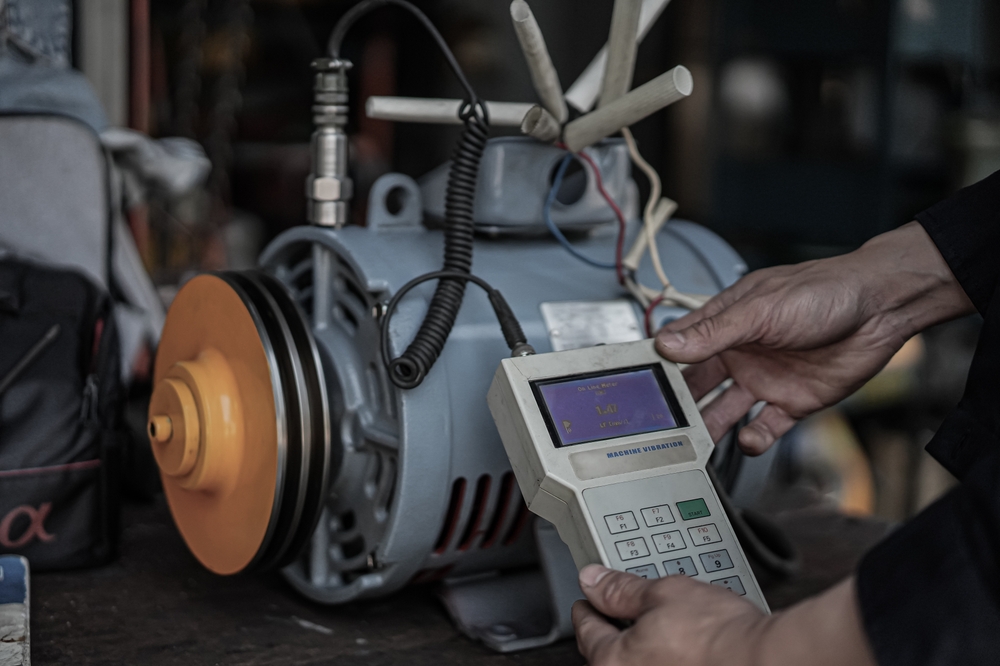
A pump does not have to be rattling across the floor to be in trouble. Small changes in vibration can reveal a worn bearing, a loose mounting, or a shaft that is out of line. Vibration analysts collect readings from running machinery and look for patterns that explain what is happening inside. The goal is to give the maintenance team enough warning to plan a repair.
Average base pay is about $98,539 a year, equivalent to roughly $47.37 an hour. The value is easy to understand at a plant where one failed machine can hold up an entire production line. You have to decide whether a change calls for another reading, a planned repair, or an urgent warning. An unexplained spike is something to investigate, rather than automatically treat as a failed part.
Industrial maintenance experience is a useful starting point, followed by training in vibration measurement and analysis. Category II certification commonly requires an approved course, an exam, and 18 months of verified practical experience. Expect time around noisy equipment as well as time studying readings and writing clear maintenance recommendations.
3. Corrosion technician
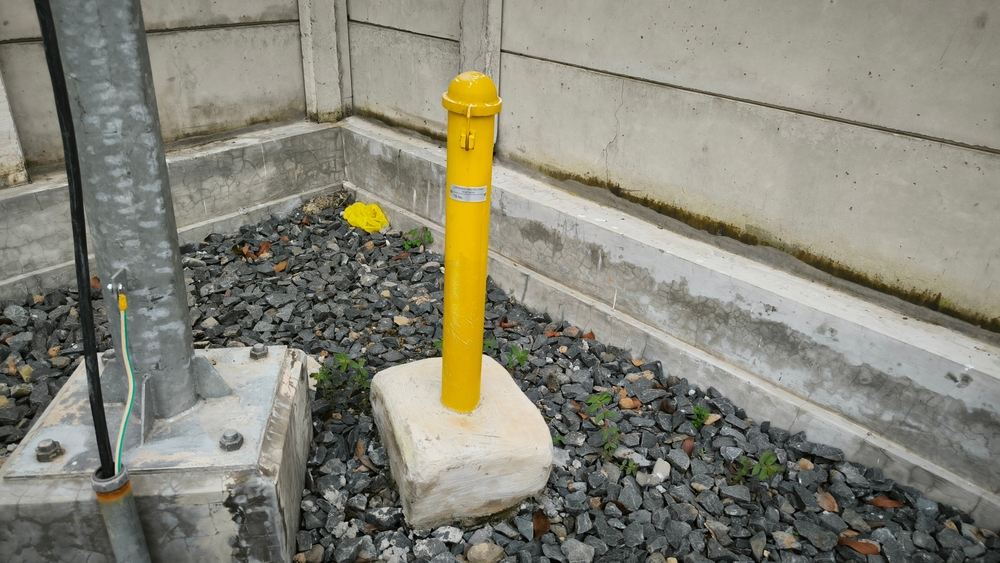
Buried metal pipes do not stop aging just because nobody can see them. Corrosion technicians check pipelines, tanks, and other structures for conditions that let metal deteriorate. Some specialize in cathodic protection, which uses electrical methods to help protect metal from corrosion. They take field measurements, inspect protective equipment, and investigate readings that suggest the protection is no longer working properly.
Average pay is about $39 per hour. A normal assignment might involve visiting test stations along a pipeline, checking equipment, recording results, and following up on an unusual change. Catching a failed protective system gives the owner a chance to correct it before corrosion contributes to a leak or an expensive replacement. Accurate records also help show whether a problem is developing over time.
You can enter through utility work, pipeline maintenance, or technical training, then build supervised field experience. Cathodic protection credentials have different levels, starting with testing and moving into troubleshooting and design. The practical drawbacks include outdoor work, driving between sites, and sometimes walking considerable distances with equipment. Electrical knowledge and patient recordkeeping are both useful.
4. Fire sprinkler inspector
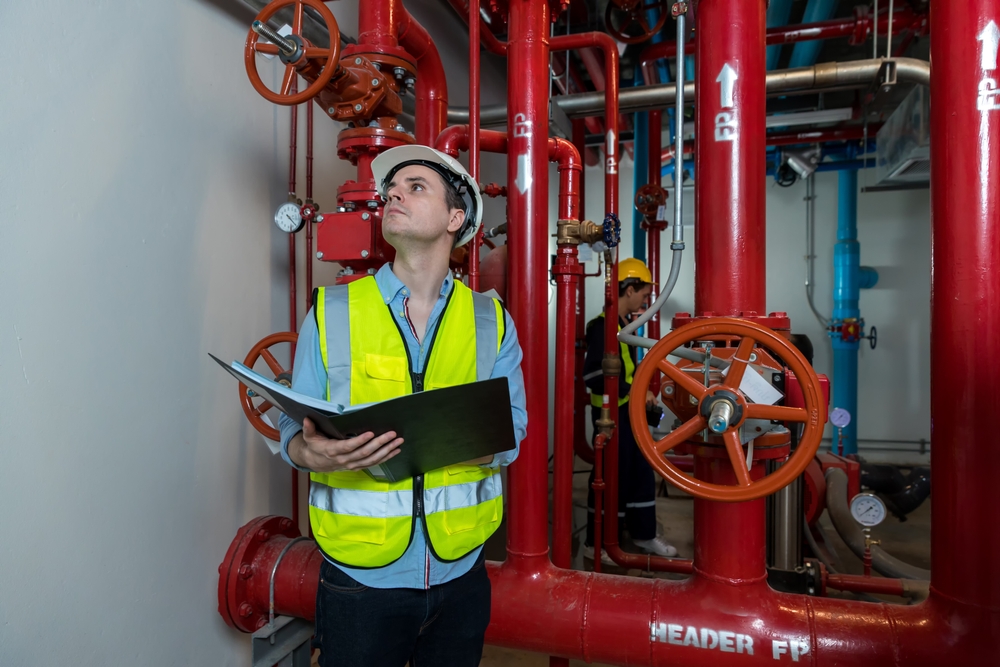
A sprinkler system can sit above a busy store for years without anybody knowing whether it will work when needed. Fire sprinkler inspectors check the equipment and test the system’s operation. They look for problems such as closed valves, damaged sprinkler heads, leaks, poor water flow, or changes inside a building that interfere with protection. A freshly painted sprinkler head can be a problem even if the ceiling looks better.
Average pay is around $35 per hour. Much of the work is scheduled inspection and testing at existing properties. You record defects, explain what needs attention, and make sure the findings reach the people responsible for repairs. The job requires care when a test temporarily affects the building’s fire protection or could release water.
A common route is to join a fire protection contractor as a trainee and gain experience with water-based systems. Employers may require inspection and testing certification, and local licensing or permit rules vary. Expect ladders, mechanical rooms, driving, and detailed reports. You also need to work around occupants without disrupting their day more than necessary.
5. Calibration technician

When a measuring instrument is wrong, it can make perfectly ordinary work go wrong with it. A pressure gauge can give a false reading. A temperature sensor can make a process look hotter or colder than it really is. Calibration technicians compare instruments with reliable standards, check how far the readings have drifted, and adjust equipment when the procedure allows it.
Median pay is about $32.61 per hour. The work matters in manufacturing, laboratories, and other settings where measurements determine whether a product passes or a process can continue. If an instrument fails a check, you document the result so the company can investigate whether earlier work was affected. Quietly adjusting the instrument and ignoring the bad reading could leave a much larger problem unresolved.
Employers commonly look for an associate degree or other technical preparation, followed by training on their equipment and procedures. Military electronics or instrument experience can also be useful. You need steady hands, comfort with numbers, and patience with records. Some jobs stay in one laboratory; others involve carrying test equipment to customers’ facilities.
6. Building envelope consultant

The building envelope is the roof, walls, windows, and other parts that separate the inside from the weather. Consultants in this specialty investigate how water and air get through those layers. They might inspect roof details, examine window installation, or help conduct controlled water tests to find a leak’s route. The stain on an inside wall is not necessarily close to where the water entered.
Estimated base salaries typically fall between $66,000 and $121,000 a year, equivalent to roughly $32 to $58 an hour. Assignments can include checking new construction before defects get covered up, as well as investigating existing buildings. Finding a bad waterproofing detail early can save the owner from repeatedly patching damage without fixing its cause.
Many consultants have a degree in architecture, engineering, or building science. Others develop expertise through roofing, waterproofing, construction inspection, and related technical work. More responsible consulting positions require substantial experience. Expect a mixture of field investigations, photographs, drawings, and reports, with roof access or scaffolding on some projects. You need to explain how the evidence supports your repair recommendations.
7. Certified welding inspector
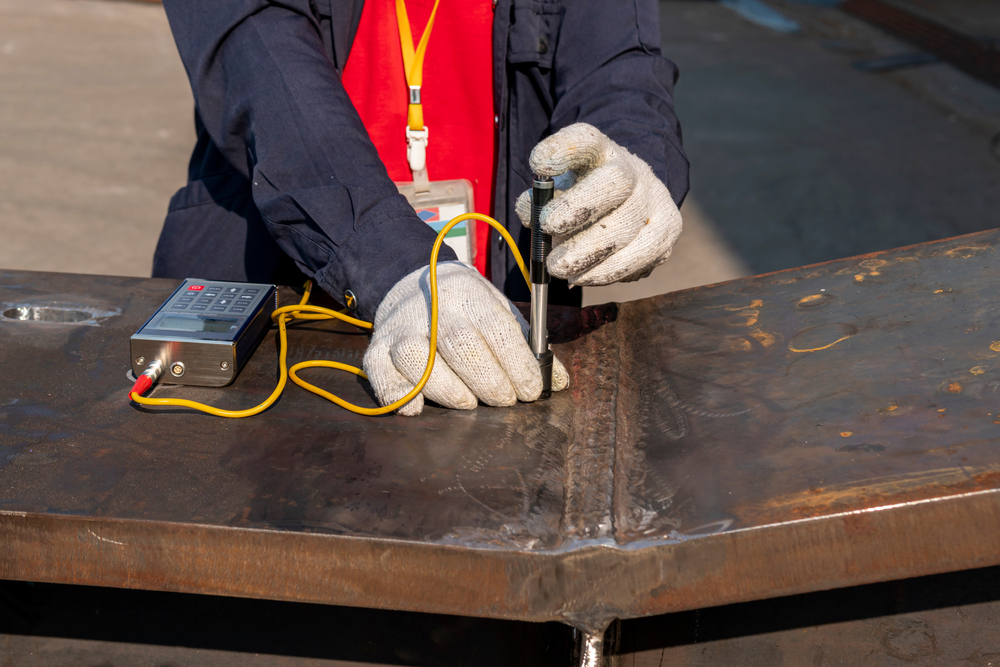
A neat-looking weld is not proof that a joint is sound. Certified welding inspectors check the materials, procedures, workmanship, and finished weld against the requirements for the job. They can spot problems before welding starts, while work is underway, or during final inspection. That might mean catching the wrong filler material or an unacceptable weld before the assembly is painted, shipped, or put under load.
Typical pay for certified welding inspectors is around $70,000 to $90,000 a year, roughly $34 to $43 an hour. Work is available across construction, fabrication, energy, and other industries that depend on welded equipment. You need to read drawings, understand the applicable requirements, take measurements, and explain why a weld passes or needs further attention. Disagreements are possible when repairs threaten a deadline.
This is usually a progression from relevant welding or inspection work. With a high school diploma, the main certification route requires at least five years of qualifying experience, although relevant education can change the requirement. You also face exams and a vision test. A preparation course helps with the exam; it does not replace the experience requirement.
8. Protective relay technician

Protective relays help tell electrical equipment when to disconnect during a fault. If the settings, wiring, or equipment are wrong, the protection may fail to act or cut off power when it should not. Relay technicians test those systems, investigate faults, and verify that the protection responds as intended. This can involve carefully simulating electrical conditions with specialized test equipment.
Average base pay is about $63,522 a year, equivalent to roughly $30.54 an hour. Technicians work for utilities, electrical testing firms, and other employers with major power equipment. A test may reveal a wiring error or a setting problem before equipment enters service. During maintenance, the same skills help determine whether an older protection system is still dependable.
An associate degree in electrical or electronics technology is one route in, along with utility training or relevant electrical experience. You then need extensive instruction on protection systems, test methods, and electrical safety. Employers may use a formal testing technician certification path. The work can include outages, travel, and unusual hours. Following switching and isolation procedures is essential, even when the test itself seems routine.
9. Industrial machinery mechanic

A conveyor that keeps drifting to one side or a gearbox that is running hotter than usual gives a mechanic something to investigate. Industrial machinery mechanics inspect, troubleshoot, and repair the equipment that factories depend on. Preventive work can include checking wear, alignment, lubrication, and operating conditions before a small fault damages more parts or starts ruining the product.
Median pay is about $31.02 per hour. You might replace a worn component during planned downtime, run a test batch afterward, and check that the repair solved the original problem. Understanding how the machine fits into the wider production line helps you avoid fixing one symptom while leaving the cause untouched. The work combines physical repair with a fair amount of detective work.
A high school diploma and substantial training on the job are common starting points. Technical programs in industrial maintenance can teach hydraulics, electrical systems, welding, and blueprint reading. Night shifts and emergency calls are possible. Machinery must be safely isolated before maintenance, and some parts are heavy. Employers still need people who can take equipment apart, diagnose the problem, and put it back together correctly.
10. Building commissioning engineer

A new building can have expensive equipment installed correctly and still fail to work properly as a whole. Commissioning engineers help verify that systems perform as intended. They review requirements, plan tests, observe operation, and track problems through correction. In a heating and cooling system, that might mean finding controls that make equipment run at the wrong time or fight against another system.
Average pay for commissioning engineers is around $54 per hour as a salary equivalent. Testing can expose a fault before the owner accepts the building or while contractors are still available to correct it. You may also check existing buildings where performance has slipped. The job includes meetings and reports as well as field testing, because an unresolved finding needs a clear owner and a documented outcome.
A mechanical or electrical engineering degree is a common route, usually backed by practical building systems experience. Some commissioning professionals move into the field through controls, testing, or other technical work. You need to understand how equipment should behave under different conditions and be willing to question an apparently successful test. Travel and deadline pressure are common considerations.
11. Pharmaceutical equipment validation engineer

A sterilizer lighting up and completing a cycle does not, by itself, prove it is ready for pharmaceutical production. Validation engineers develop and carry out tests to show that equipment and processes meet defined requirements consistently. They check installation, challenge operation, investigate failed tests, and assemble the records needed to demonstrate what was actually verified.
Average pay for validation engineers is about $38 per hour as a salary equivalent. In pharmaceutical manufacturing, catching a problem before routine production can help prevent rejected batches, delays, or a much more serious quality failure. A test that produces an unexpected result needs investigation and a defensible explanation. Repeating it until the equipment happens to pass would leave the original concern unanswered.
Employers commonly seek a bachelor’s degree in engineering or a relevant science, plus an understanding of regulated manufacturing. Laboratory, manufacturing, or quality experience can help you build toward the role. Choose equipment and process positions if you want practical testing work; the same title can also cover computer systems. Expect careful writing, controlled procedures, and close cooperation with the quality team. Documentation is a substantial part of the job.
12. Elevator inspector
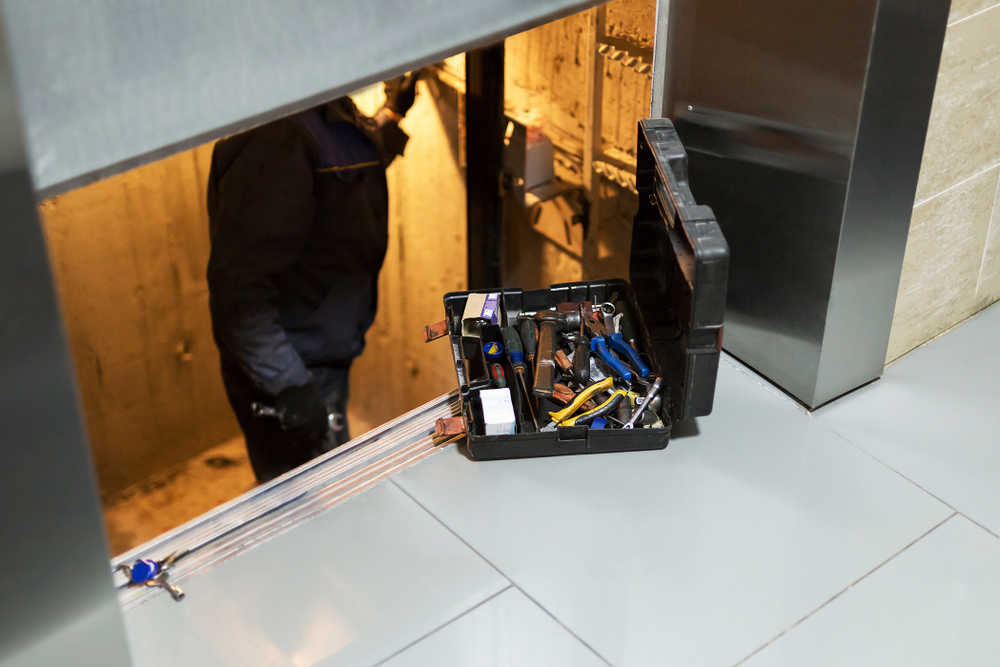
Passengers notice when an elevator takes too long to arrive. An inspector is concerned with much more: doors, brakes, safety devices, controls, and whether required tests have been completed correctly. The work involves examining equipment and performing or witnessing tests to determine whether it meets the applicable requirements. Some assignments also involve escalators or other lifting equipment.
Average pay is around $37 per hour. Inspectors can identify worn components, unsafe conditions, or installation problems before equipment continues in service. They also create a written record of deficiencies and required corrections. An elevator that appears to run smoothly can still have a problem that only becomes apparent during a specific test or a closer examination.
This is generally an experienced-worker job. People often enter after working in elevator installation, maintenance, or related inspection roles. Qualified Elevator Inspector certification has education and experience requirements, and jurisdictions may add licensing rules. Expect stairs, equipment rooms, restricted spaces, and careful coordination with people responsible for the building. You need the confidence to document an unacceptable condition even when shutting down equipment is inconvenient for everyone involved.
13. Biomedical equipment technician

An infusion pump that gives inaccurate delivery or a monitor with an unreliable alarm can create a problem long before anyone calls it broken. Biomedical equipment technicians inspect, test, maintain, and repair the devices used in healthcare. Scheduled checks help catch worn parts, damaged cables, electrical safety problems, and performance that has drifted outside the manufacturer’s requirements.
Average pay for biomedical engineering technicians is about $39.38 per hour. Duties and pay vary with the equipment and the level of responsibility. At a hospital, you might test a device, record its condition, arrange a repair, and verify its performance before returning it to use. Good records help staff know what was checked and whether the equipment is ready for a patient.
A two-year biomedical equipment technology or electronics program is a common route in. Military technical training and structured apprenticeships are other options, followed by instruction on particular devices. Certification can help as your experience grows. You need to work carefully around clinical staff and understand when equipment must be taken out of service. Some positions involve on-call work or travel between healthcare facilities.
14. Aircraft mechanic

Aircraft maintenance includes a great deal of looking for trouble before it announces itself. Mechanics examine components, follow scheduled inspection procedures, check for wear and leaks, and investigate anything outside the allowed limits. Finding a damaged hose or worn part during maintenance gives the operator a chance to deal with it while the aircraft is already on the ground.
Median pay for aircraft mechanics and service technicians is about $38.40 per hour. The work combines inspection, troubleshooting, repair, and detailed maintenance records. You use technical instructions rather than guessing what amount of wear looks acceptable. A finding may lead to a straightforward replacement, further testing, or a decision that the aircraft cannot return to service until the issue is resolved.
Many mechanics complete an approved aviation maintenance school program and earn airframe and powerplant certificates. Another route involves qualifying practical experience followed by the required examinations. Working under supervision is possible while gaining experience, but independent responsibilities depend on your qualifications. Expect noise, physical work, and possible nights or weekends. Being careful with the paperwork is part of being careful with the aircraft.
15. Wind turbine service technician

When a turbine stops producing electricity, reaching the problem is a job of its own. Wind turbine technicians climb towers, inspect equipment, test electrical and mechanical systems, and perform scheduled maintenance. They look for issues such as loose connections, worn components, leaks, and damage that could become a much larger repair if the turbine keeps running.
Median pay is around $30.83 per hour. The job includes diagnosing faults as well as fixing them, often with help from monitoring equipment and technical instructions. A warning from a sensor still has to be investigated, and the repair needs to be checked before equipment returns to operation. Preventive visits help owners address smaller problems during planned maintenance.
Technicians usually complete a technical school program and receive additional training from an employer. Electrical knowledge, mechanical ability, and rescue training are important. So are the physical requirements: climbing, working in confined areas, and handling equipment at height. Weather can affect the schedule, and some jobs require travel or on-call availability. This is worth considering only if the working conditions appeal to you as much as the paycheck.
16. Certified industrial hygienist
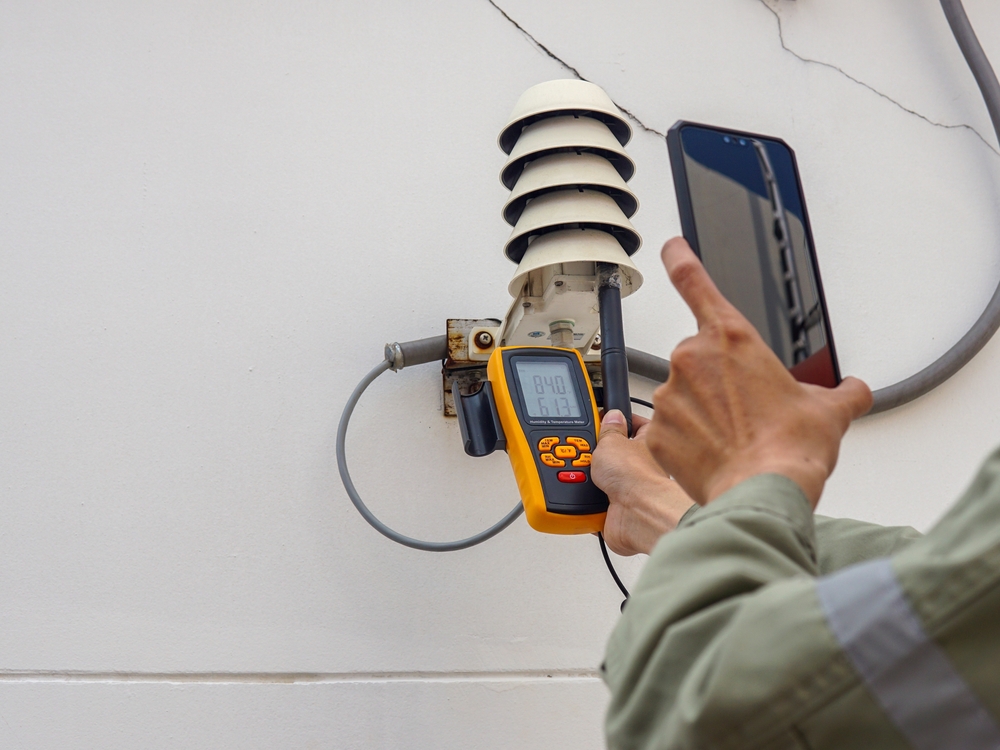
The air in a workplace can look clear while exposing people to harmful dust or vapors. Industrial hygienists investigate hazards that may not cause obvious symptoms straight away. They assess conditions, plan sampling, interpret results, and recommend ways to reduce exposure. Depending on the workplace, that might involve welding fumes, solvent vapors, excessive noise, or another hazard that needs proper measurement.
Certified industrial hygienists average about $45 per hour as a salary equivalent. Catching an exposure problem early can help prevent illness, compensation claims, and expensive changes after harm has occurred. The work goes beyond collecting a sample. You have to choose a useful sampling approach, understand what the results mean, and explain what the employer should do next.
This is a professional role with a substantial preparation requirement. The certification path includes qualifying education, relevant science and industrial hygiene coursework, professional experience, references, and an exam. A science degree can provide a starting point, followed by supervised work in occupational health or a related field. Expect site visits, technical reports, and conversations with both workers and management about changes that may be needed.
17. Geotechnical engineer
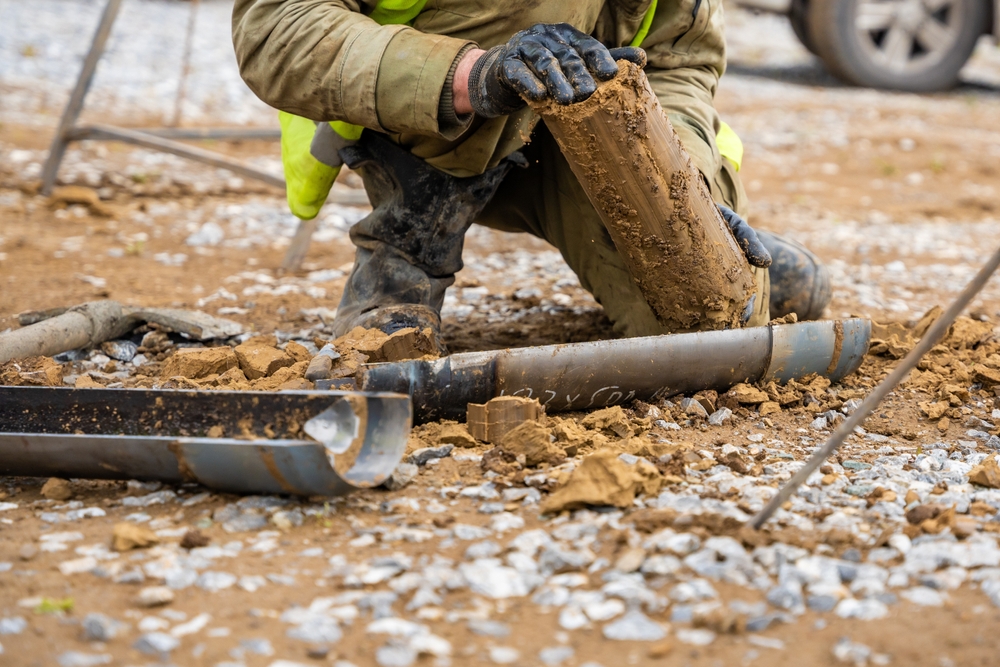
A building can have excellent plans and still be headed for trouble if the ground underneath it is poorly understood. Geotechnical engineers investigate soil, rock, and groundwater conditions before construction. They use field investigations and laboratory results to assess problems such as settlement, weak ground, unstable slopes, or conditions that affect foundations and retaining walls.
Average pay is about $37 per hour as a salary equivalent. Much of the value comes from identifying a problem while the design can still change. Finding unsuitable soil before foundations are built gives the project team options that become far more difficult after a structure starts moving. The engineer’s recommendations can affect excavation, drainage, ground improvement, and the type of foundation used.
You generally need a bachelor’s degree in civil engineering or a related engineering discipline, with some positions favoring postgraduate study. Early work is supervised, and professional licensure is important for engineers taking responsibility for designs and reports. The job mixes site visits with analysis and writing. You need to explain uncertainty clearly because a few soil samples cannot reveal every condition across an entire property.
18. Insurance loss control consultant

An insurer has a reason to find the fire hazard before the fire. Loss control consultants visit businesses, assess risks, and recommend changes that could reduce future claims. Depending on their specialty, they might examine how flammable materials are stored, how machinery is guarded, or whether a building’s fire protection matches the work happening inside it.
Average pay is about $63,012 a year, equivalent to roughly $30.29 an hour. Unlike a claims investigation after a loss, this work focuses on what could go wrong and how to reduce the chance or severity of it. A visit often leads to photographs, a risk report, and practical recommendations for the business and its insurer. Follow-up may be needed to establish whether changes were made.
Many employers prefer a degree in safety, engineering, risk management, or a related field. Relevant experience in construction, manufacturing, fire protection, or workplace safety can also be valuable. You need to observe a workplace carefully and ask useful questions without pretending to know a process you have never seen before. Driving, independent scheduling, and substantial report writing are common parts of the work.











