
A hospital has a loading dock, a commercial kitchen, a computer network, and enough machinery to keep a maintenance crew busy around the clock. You just don’t see most of it from the waiting room.
Somebody has to buy the surgical supplies, repair the monitors, keep the boilers running, and work out how to renovate a floor while the rooms next door are still occupied. Those jobs draw on skills you might already be building in a warehouse, workshop, restaurant, or office.
There are also specialist careers in research funding, infection prevention, and spiritual support. You may work alongside nurses and doctors, but your responsibility is a different part of keeping the hospital running.
1. Biomedical equipment technician
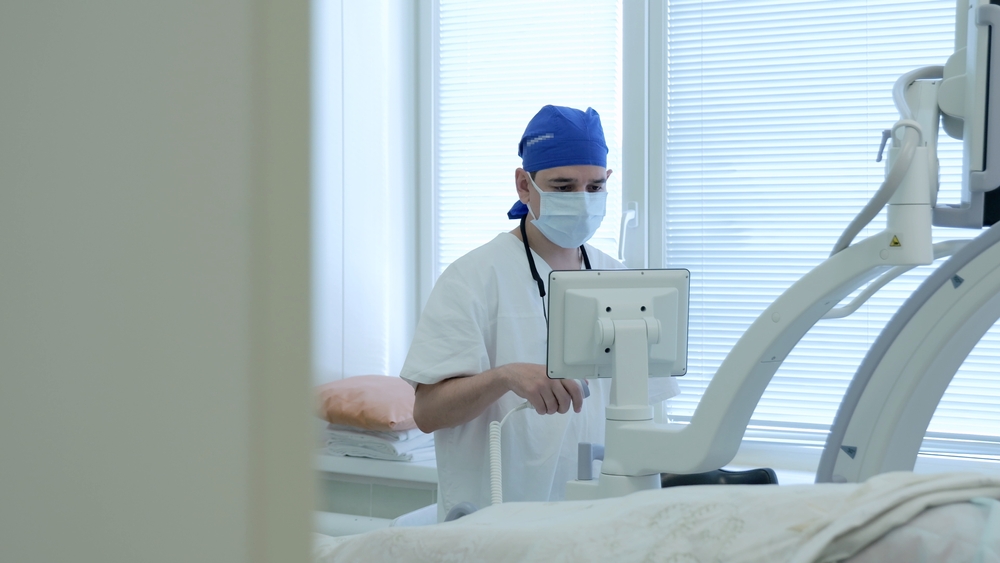
When a monitor stops working, the person who fixes it needs to understand electronics, testing equipment, and the device itself. Biomedical equipment technicians maintain and repair the machines used throughout a hospital. Their work can include infusion pumps, patient monitors, defibrillators, and other equipment that needs regular checks as well as repairs when something fails.
Medical equipment repairers employed by hospitals earn median pay of $75,390 a year. You might spend part of a shift testing devices in a workshop and another part visiting departments to investigate a fault. Technicians record what they checked, replace worn components, and verify that equipment is ready to return to use. Some specialize as their experience grows.
An associate degree or certificate in biomedical equipment technology or electronics is a common starting point. Military technical experience and structured apprenticeships are other routes. You then learn the hospital’s equipment and procedures under supervision. The job can involve lifting, working in cramped spaces, and being on call. You may enter occupied clinical areas, even though repairing equipment is your responsibility.
2. Hospital buyer
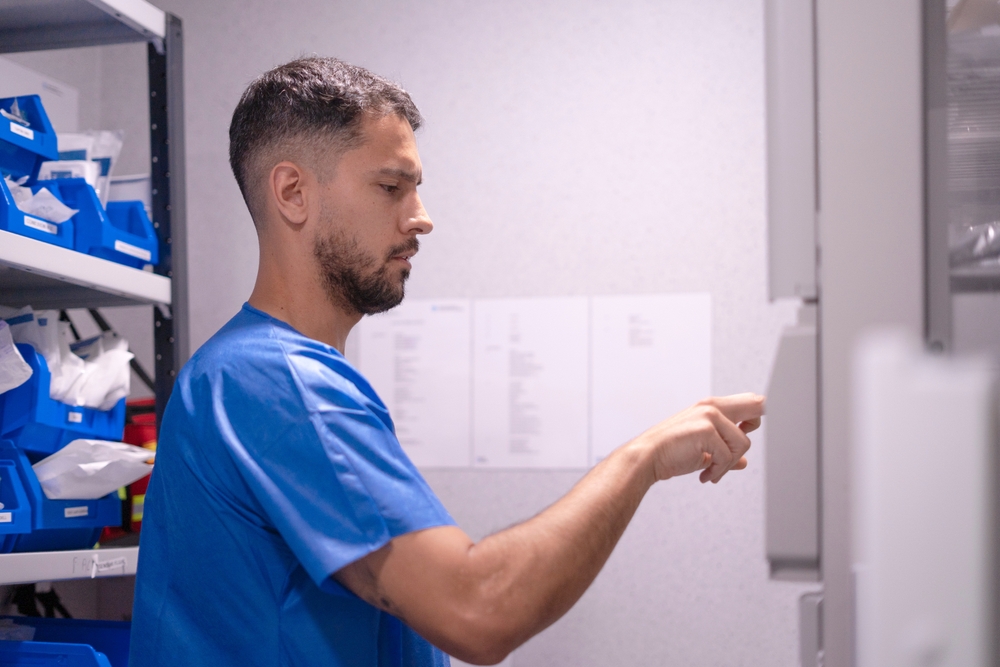
A hospital buyer has to think beyond finding the cheapest box of gloves. Supplies need to meet the hospital’s requirements, arrive when promised, and remain available when a supplier runs short. Buyers compare offers, handle purchase orders, follow up on deliveries, and help resolve problems with vendors. Depending on the assignment, purchases can range from everyday supplies to equipment and service contracts.
Buyers and purchasing agents have national median pay of $77,710 a year. In a hospital, you work with departments that know what they need clinically while you handle the purchasing details. A substitute product may need approval before it can be ordered. A delivery problem may mean finding another supplier quickly rather than waiting for the next routine shipment.
Many employers prefer a bachelor’s degree in business, supply chain, or a related field. Some accept relevant purchasing or inventory experience instead. Hospital materials work can provide a route toward a buying position. You need comfortable spreadsheet skills, a careful eye for contract details, and the willingness to chase an answer when several departments are waiting on it.
3. Sterile processing manager
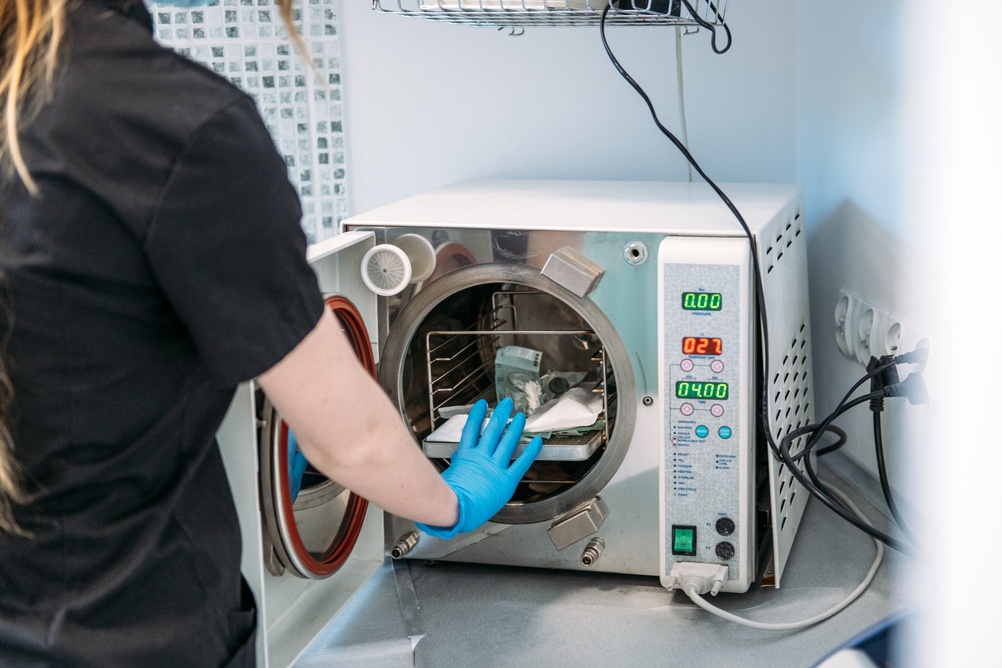
Surgical instruments have a long trip between one operation and the next. They must be received, cleaned, inspected, assembled, sterilized, and stored correctly. The sterile processing manager oversees the people and procedures responsible for that work. An incomplete instrument set or a processing problem can disrupt the operating schedule, so the department needs someone who understands both the equipment and the workflow.
Average pay is about $92,590 a year. The manager checks that staff follow the required procedures, reviews training and processing records, and works through problems with the operating rooms. You may need to investigate damaged instruments, arrange repairs, or work out why the same tray keeps arriving incomplete. Keeping enough properly trained people on each shift is another substantial responsibility.
This is usually a progression from sterile processing technician work, followed by lead or supervisory experience. Employers commonly look for relevant certification, and leadership credentials can help. Degree requirements vary. You need firsthand knowledge of instrument processing before taking responsibility for the department. Expect pressure around surgery schedules and the possibility of calls when a problem cannot wait until the next morning.
4. Stationary engineer
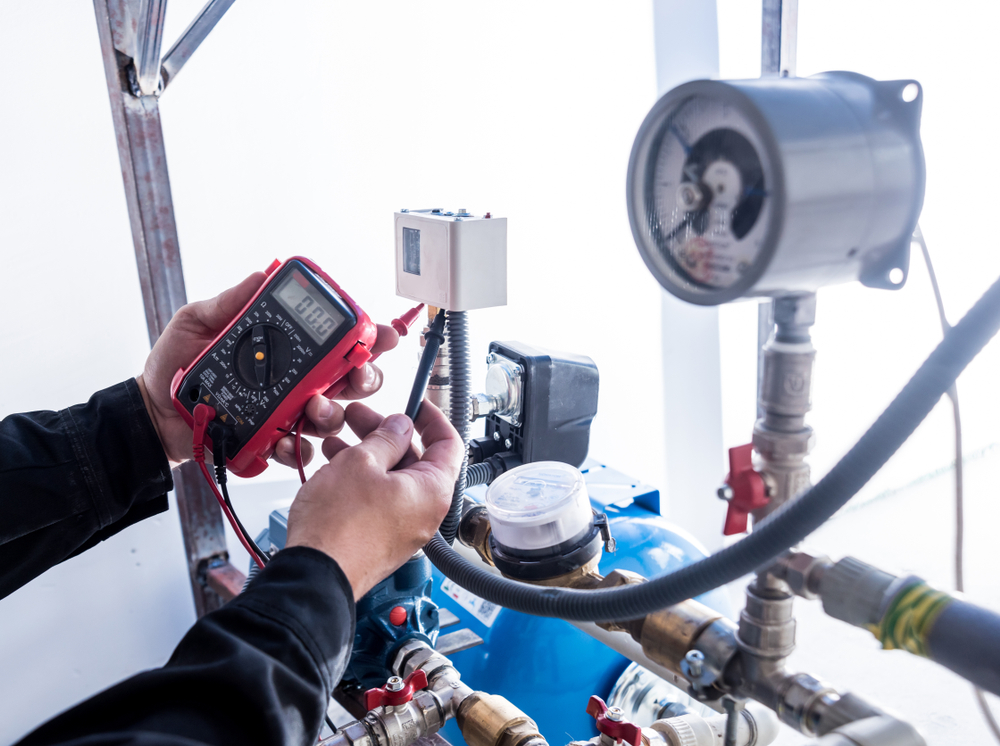
The word engineer can make this sound like a desk job designing bridges. A stationary engineer is usually much closer to the hospital’s boilers, pumps, chillers, and other major mechanical equipment. These workers monitor operating conditions, inspect machinery, investigate alarms, and help keep heating, cooling, and steam systems working. Much of the job happens in plant rooms that visitors never enter.
Stationary engineers and boiler operators working in hospitals earn median pay of $80,800 a year. A shift can include checking readings, recording operating conditions, carrying out maintenance, and handing over unresolved issues to the next operator. The equipment supports a building that remains occupied all night, so a developing fault needs attention even when most administrative offices are closed.
A high school diploma, mechanical ability, and substantial supervised training can get you started. Apprenticeships are one route, and licensing requirements depend on where you work and the equipment involved. Experience with boilers or large building systems is valuable. The trade-offs include heat, noise, physical maintenance, and rotating shifts. Hospitals still need someone watching the plant on weekends and holidays.
5. Hospital chaplain

A family waiting for difficult news may need someone who can sit with them without rushing to fill the silence. Hospital chaplains provide spiritual and emotional support to patients, relatives, and staff. That can involve listening, helping someone contact their own religious community, arranging a requested ritual, or supporting a person who has no religious beliefs at all.
Average pay is around $63,800 a year. Chaplains may visit hospital units, respond to urgent calls, and support staff after a distressing event. They work alongside the clinical team while respecting a patient’s wishes and beliefs. The role involves direct contact with people at vulnerable moments, but it does not involve diagnosing conditions, prescribing medication, or carrying out medical procedures.
Professional hospital chaplaincy takes more preparation than being a good listener. Many employers seek graduate theological education, supervised clinical pastoral education, and board certification or eligibility for it. Certification also has experience and other requirements. You need to support people whose views differ from your own and maintain clear professional boundaries. Nights, weekends, and emotionally difficult situations can be part of the work.
6. PACS administrator

A scan is not much use if the doctor who needs it cannot open it. A PACS administrator looks after the picture archiving and communication system that stores and shares medical images. The work sits between radiology and information technology. You investigate missing images, access problems, failed transfers, storage issues, and other faults that interrupt the department’s work.
Average pay is about $141,899 a year. An administrator may coordinate software upgrades, test connections between imaging equipment and other systems, and work with vendors when a problem needs specialist support. You also help users understand how to retrieve and manage images correctly. Taking the scan and interpreting it belong to other professionals; your responsibility is the system that makes it available.
People enter through radiologic technology, healthcare IT, or a related technical background, then gain experience with imaging systems. Employers may prefer a bachelor’s degree and an imaging informatics credential. You need to understand both computer systems and how an imaging department works. This is an experienced technical role, with possible on-call duties when access problems happen outside normal office hours.
7. Environmental services manager

Once a patient leaves a room, another team has to make it ready for the next person. Environmental services managers oversee hospital cleaning, disinfection, and related work such as linen operations. They organize coverage, inspect results, train staff, and make sure the department can handle routine work alongside urgent requests. An isolation room may need different procedures from a public hallway.
Average base pay is about $70,490 a year. The manager works with nursing, infection prevention, and other departments to keep room preparation moving without skipping important steps. Duties can include selecting supplies, checking equipment, investigating complaints, and adjusting work when a unit’s needs change. You are responsible for a service people notice quickly when it falls behind.
Experience in hospital housekeeping or another demanding cleaning operation can lead to supervisory work and then management. Some employers prefer a degree, while others place more weight on operational experience and leadership. Healthcare environmental services certification can strengthen your qualifications. Expect time on the hospital floors as well as office work. Staffing shortages, urgent room requests, and coverage across multiple shifts are practical parts of the job.
8. Research administrator

A doctor can have a promising research idea and still need help turning it into a funded project. Research administrators handle the money, applications, deadlines, and institutional requirements behind hospital studies. They may help prepare a grant budget before funding is awarded, then monitor spending and reporting once the project starts. Academic medical centers and research hospitals are places to look for this work.
Average base pay is around $75,715 a year. Your day might involve checking whether a cost can be charged to a grant, updating a budget, gathering documents for an application, or resolving a question about a research agreement. This is the administrative side of research. You are not giving an experimental treatment or making decisions about a patient’s medical care.
A bachelor’s degree in business, finance, public administration, or another relevant subject is commonly preferred. Grants, accounting, university administration, and project support experience can all be useful foundations. You need to learn the rules attached to different awards and work closely with researchers who have their own deadlines. Accuracy matters, but so does explaining a requirement clearly enough that someone can act on it.
9. Hospital electrician

Changing a light fixture is one thing. Planning electrical work in a building full of occupied rooms and essential equipment is another. Hospital electricians maintain wiring, electrical distribution equipment, lighting, and related systems. They investigate faults, carry out planned maintenance, and coordinate work so that departments understand what will be affected before equipment is taken out of service.
Electricians have national median pay of $63,190 a year. Hospital assignments can include maintaining emergency power equipment and checking systems that need to remain dependable during an outage. The job requires close coordination with facilities staff and the departments using the building. A task that looks simple on a work order may need careful timing because the space cannot just be emptied for the afternoon.
Most electricians qualify through an apprenticeship, and licensing rules vary by location. Hospitals commonly want qualified workers with commercial, industrial, or institutional experience. You also need training in the facility’s procedures and electrical safety requirements. This is physical work, with ladders, restricted spaces, and possible emergency callouts. A hospital maintenance role can offer a regular site while still presenting plenty of different problems.
10. Infection preventionist

When infection numbers start moving in the wrong direction, someone has to work out whether the cases are connected and what needs to change. Infection preventionists monitor infections, review records and laboratory information, investigate patterns, and help staff put prevention measures into practice. They also teach, inspect work practices, and help departments understand how their everyday routines affect infection risk.
Average pay is about $93,697 a year. Much of the work combines data review with visits to hospital departments and conversations with staff. You might follow up on a cluster of infections, review a proposed procedure, or help plan precautions for a renovation. The role focuses on prevention and the hospital’s practices rather than providing an individual patient’s treatment.
Nursing is a common background, but people also enter from public health, microbiology, and other relevant disciplines. Some positions specifically require an active nursing license, so the requirements need a careful read. Employers may seek infection prevention certification or expect you to earn it after gaining experience. You need to be comfortable investigating problems and explaining findings without turning every conversation into an accusation.
11. Hospital food service manager

A hospital kitchen cannot simply serve everybody the same lunch. Meals have to reach the correct person, reflect the current diet order, and arrive safely at the right time. Food service managers oversee the operation that makes that happen. They manage production, staffing, food safety, purchasing, and delivery, working with dietitians and clinical teams when requirements change.
Food services managers average about $85,909 a year. In a hospital, the work can cover patient meals, staff dining, and other food operations. A normal day might include checking temperatures, dealing with a late delivery, reviewing waste, or sorting out a gap in the meal service. Dietitians and other qualified clinicians determine clinical nutrition needs; the manager makes sure the food operation follows the approved requirements.
Restaurant, catering, or institutional kitchen experience can provide a starting point, especially if you have supervised people and managed food safety. Some employers require a relevant degree or a dietary management credential. You also need to learn hospital meal systems and special diet procedures. Early starts, weekends, and service deadlines are likely. Meals still have to go out when several employees call in sick.
12. Hospital cybersecurity analyst

A suspicious login at a hospital can be more than an office IT problem. Staff depend on computer systems to access records, arrange work, and keep departments communicating. Cybersecurity analysts investigate alerts, look for weaknesses, help protect access, and support the response when an attack occurs. They work with other IT teams to improve security without casually disrupting essential systems.
Information security analysts have national median pay of $129,180 a year. Hospital work can involve unusual equipment, older systems, and a mixture of employees, vendors, and clinicians who need different access. You may help plan an update, investigate a compromised account, or check that a security change works as intended. The consequences of taking a system offline need to be understood before a decision is made.
A degree in computing or cybersecurity is common, usually with related IT experience. Some people build toward the role through networking, system administration, and professional certifications. A short course alone rarely supplies the background needed for a responsible hospital security position. Expect ongoing learning, detailed investigations, and possible on-call work. Hospitals may organize these teams centrally across several sites.
13. Hospital emergency management director

A hospital cannot lock its doors and send everybody home when a major incident interrupts normal operations. Emergency management directors help plan how the hospital will respond to events such as severe weather, water loss, evacuation, or a sudden surge of patients. They organize exercises, coordinate with outside agencies, and make sure departments understand their responsibilities before a real emergency arrives.
Emergency management directors working in hospitals earn median pay of $100,530 a year. Much of the routine work involves planning, meetings, training, and testing assumptions. During an exercise, you might discover that a backup communication method does not reach the people who need it. After an incident, you help turn what happened into specific improvements rather than leaving the findings in a report.
This is generally a position for someone with relevant experience in emergency management, public safety, healthcare operations, or a related field. A bachelor’s degree is commonly expected. You need to understand hospital operations as well as emergency planning. Availability during a crisis is part of the responsibility, so a quiet stretch in the office does not make this a predictable nine-to-five job.
14. Healthcare compliance officer

Hospitals deal with rules about billing, patient information, business relationships, and many other activities that happen outside the examination room. Compliance officers help the organization identify risks, investigate concerns, train employees, and correct problems. A report about an improper practice may require interviews and records review before anyone can decide what happened or what needs to change.
Average pay for healthcare compliance officers is about $68,186 a year. Responsibilities depend on the size of the hospital and the team. One person may focus on monitoring and training, while a more senior officer oversees a broader program. The work involves asking difficult questions, handling sensitive information, and making sure corrective action is followed through. It requires judgment alongside a working knowledge of the rules.
Employers commonly prefer a bachelor’s degree and experience in healthcare administration, compliance, auditing, or another relevant area. A law degree is not a universal requirement. Healthcare compliance certification can help after you meet its eligibility requirements. You need clear writing, discretion, and the confidence to raise a concern even when the person involved has more authority than you do.
15. Occupational safety specialist

A hospital is also a workplace where employees lift, move equipment, handle chemicals, and encounter hazards during an ordinary shift. Occupational safety specialists focus on keeping those workers safe. They inspect work areas, review incidents, investigate how injuries occurred, and help departments change equipment or procedures. Their work can take them from a kitchen or loading dock to a laboratory or maintenance workshop.
Occupational health and safety specialists have national median pay of $90,150 a year. In a hospital, an assignment might involve reviewing a pattern of staff injuries, assessing a chemical handling process, or helping introduce safer equipment. You work with employees and supervisors to understand the task as it is actually performed. A written procedure is only useful if people can follow it during a busy shift.
A bachelor’s degree in occupational safety or a related subject is a common requirement for specialist positions. Relevant workplace experience and professional credentials can strengthen an application. This is different from occupational health nursing: the focus is hazard prevention and work practices, rather than examining or treating injured employees. Expect inspections, training sessions, incident reports, and follow-up with departments that need to make changes.
16. Hospital construction project manager

Renovating an occupied hospital means working around people who cannot simply move out while contractors get on with it. Construction project managers coordinate schedules, budgets, designers, contractors, and hospital departments. They help plan deliveries, access, noise, dust controls, and service interruptions. A job may involve refurbishing a ward, replacing major equipment, or preparing a new area to open.
Construction managers have national median pay of $114,990 a year. Healthcare projects add the challenge of protecting ongoing hospital operations while the work proceeds. You might need to reschedule a task because the nearby department is unusually busy or coordinate a shutdown that several teams must prepare for. Changes need to be communicated clearly before a contractor arrives ready to start.
A degree in construction management, engineering, or a related field is a common route, together with practical project experience. Some managers advance through construction work and progressively larger responsibilities. Hospital-specific experience is valuable because the environment has requirements that ordinary commercial projects may not. You may work directly for the hospital or for a contractor assigned to its campus. Expect site visits, meetings, and pressure when schedules change.
17. Health information technologist

Clinical staff need records that contain the right information and systems that fit how the hospital works. Health information technologists help develop, implement, and improve those systems. Their duties can include checking data quality, assessing how information moves between departments, testing changes, and helping users work through problems. The role combines an understanding of health records with practical technology and analysis skills.
Health information technologists and medical registrars working in hospitals earn median pay of $67,480 a year. A project might involve checking whether a new form captures the information a department needs or finding why records arrive with fields missing. You may spend a lot of time at a computer, but meetings with the people using the system are also important. Understanding their daily work helps you spot problems that a technical test alone could miss.
An associate degree can qualify you for some roles; others require a bachelor’s degree or more specialized experience. Relevant programs may cover health information management, medical terminology, data requirements, and information technology. Certification may be required or preferred. You need to investigate why a problem occurs, explain it clearly, and test whether a proposed change actually fixes it without creating trouble elsewhere.
18. Labor relations specialist

A large hospital can employ people covered by several different union contracts, each with its own terms. Labor relations specialists help interpret those agreements, prepare for negotiations, and resolve disputes between employees and management. Their work can involve grievances, scheduling provisions, seniority questions, disciplinary processes, and discussions with union representatives. It is a distinct part of human resources that requires close attention to both documents and people.
Labor relations specialists have national median pay of $95,420 a year. In a hospital, the job often involves working with managers who need an answer while a department is still operating. You gather facts, review the agreement, and help decide the next step. During bargaining, you may research proposals, prepare material, or help the hospital’s negotiating team understand the practical effect of a change.
A bachelor’s degree in human resources, labor relations, business, or a related subject is commonly expected, along with relevant experience. People often move into the specialty after employee relations or broader HR work. You need patience during conflict, careful documentation, and the ability to listen without promising an outcome before the facts are clear. Some hospital systems combine labor and employee relations responsibilities in one position.











