
Your lights flicker, your new EV charger needs a dedicated circuit, and the earliest appointment the electrician can give you is five weeks out. That is not a fluke. It is what happens when a trade loses more workers to retirement every year than trade schools can replace.
Electrician jobs alone are projected to grow 9 percent over the next decade, nearly three times the rate for the average occupation, with about 72,700 positions opening every year. Multiply that pattern across construction, manufacturing, health care and transportation, and you get a labor market where millions of steady, well paid jobs sit open while headlines keep warning that AI is coming for everyone’s career.
Here is the thing: AI is not coming for any of the following jobs. You cannot teach a chatbot to splice a live wire, intubate a patient or replace a jet engine’s turbine blade. If you are weighing a retrain, these are 21 places where the work is real, the training is shorter than a four year degree, and somebody is actually trying to hire you.
Electricians

The construction industry is adding solar arrays, EV chargers and data centers faster than apprenticeship programs can turn out licensed electricians to wire them.
Employment in the trade is projected to grow 9 percent over the next decade, about three times the average pace, with roughly 72,700 openings a year. That pace already shows up as longer waits and higher bids for home rewiring jobs, and it keeps getting tighter as data centers racing to meet AI demand compete for the same licensed workers homeowners need for a simple panel upgrade.
The path in does not require a four year degree. Most electricians train through a four or five year paid apprenticeship, earning a wage the entire time while they learn from a journeyman. Median pay sits above $63,000 a year, and the ladder runs clearly from apprentice to journeyman to master electrician, with plenty of people using that credential to start their own contracting business. Solar panels, battery storage and smart home systems keep adding new specialties for electricians to train into, which is part of why the field keeps outpacing the rest of the job market instead of shrinking the way entry level office work has.
HVAC technicians

Technicians who fix heating and cooling systems used to be the backup plan for people who did not want to go to college. Now they are being recruited out of other trades entirely.
HVAC employment is projected to grow 11 percent over the next decade, well ahead of the average occupation, adding roughly 40,600 openings a year. The current shortage is estimated at 110,000 technicians, large enough that the industry has started reading children’s books about the trades to elementary schoolers, because by the time most students hear about HVAC as a career option in high school, they have already written it off.
Training runs six months to two years at a technical school or community college, shorter than most nursing or dental hygiene programs, and median pay is above $61,000 a year. Demand is not just residential. Data centers need commercial refrigeration and precision climate control around the clock, and that work pays a premium for technicians who already understand variable frequency drives and building automation systems.
Plumbers, pipefitters and steamfitters

Every new apartment building, hospital wing and data center needs someone to run the pipes, and the workforce that normally does that work is retiring faster than apprenticeship programs can replace it.
Employment of plumbers, pipefitters and steamfitters is projected to grow 7 percent over the next decade, more than double the average occupation, with about 42,000 openings a year. Most of those openings exist because the current workforce is aging out, not because the job itself is shrinking, which means a new plumber starting today walks into a field with far more senior workers leaving than new ones arriving.
The license takes a four or five year paid apprenticeship to earn, combining 2,000 hours a year of on the job training with classroom instruction in blueprint reading and local plumbing codes. Median pay is nearly $64,000 a year, with master plumbers and those who start their own contracting business earning considerably more. Fire suppression systems, now required in nearly every new commercial building, have created a steady specialty for sprinklerfitters, and updated water efficiency codes keep adding new work for plumbers willing to learn the newer materials and fixtures.
Welders

The average welder in the United States is in their mid to late 50s, and the generation behind them is not showing up in anywhere near the same numbers.
Projections put the shortage at more than 300,000 welding professionals within the next few years as that generation retires. Federal employment growth for the trade overall is barely moving, but still expects 40,300 openings a year, almost all of them created by retirements rather than new jobs, which is exactly the kind of opening a motivated worker can walk into without competing against a flood of other applicants.
Training takes six months to two years at a vocational school or community college, and some welders enter through a formal apprenticeship instead. Median pay is above $53,000 a year, but that number understates what a specialized welder can make. Pipeline, refinery and aerospace welders with the right certifications routinely clear six figures, because the aging infrastructure that needs rebuilding, from bridges to pipelines, requires the kind of precision work that automation still cannot reliably replicate outside a factory floor.
CNC machinists and manufacturing technicians
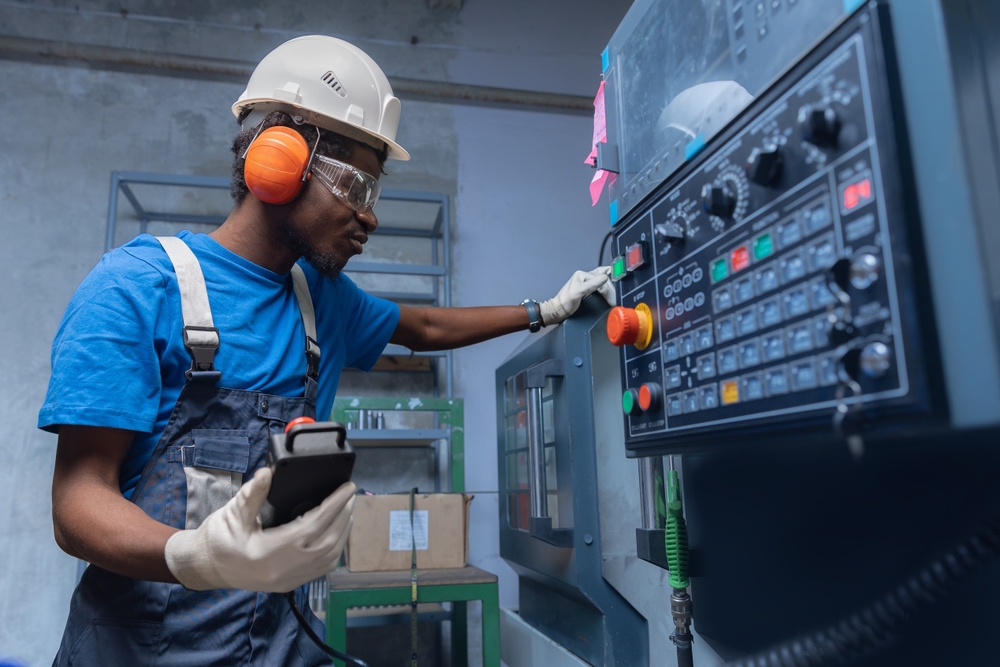
A precision part for a jet engine or a surgical implant still has to be cut by someone who understands tolerances measured in ten thousandths of an inch, and American manufacturers cannot find enough of them.
Manufacturing overall could see as many as 3.8 million jobs go unfilled between 2024 and 2033 without a serious push to train new workers. Machinist employment itself is barely moving, but federal projections still count 30,400 openings a year, nearly all tied to an aging workforce leaving faster than shops can replace it.
A machinist typically learns through on the job training or a multi year apprenticeship, often starting as a machine operator before advancing into CNC programming. Median pay runs close to $59,000 a year, and a machinist who can both operate a CNC machine and write its programs commands a real premium. Reshoring and the buildout of domestic chip and aerospace manufacturing are creating demand that a workforce concentrated among workers nearing retirement cannot absorb without new entrants.
Industrial machinery mechanics and millwrights

Factories across the country are adding automated conveyor systems, robotic arms and production lines that run around the clock, and every one of those machines eventually breaks down.
Employment of industrial machinery mechanics and millwrights is projected to grow 14 percent over the next decade, well ahead of the average occupation, with about 51,900 openings a year. That makes it one of the fastest growing trades most people have never heard of, largely because the job does not have a catchy name the way electrician or plumber does.
Most workers learn on the job over a year or more, while millwrights typically complete a three or four year apprenticeship that combines paid work with technical instruction in welding, hydraulics and blueprint reading. Median pay is above $64,000 a year. The more a factory automates, the more it needs someone who can diagnose why a robotic welding arm or an automated conveyor has stopped working, which makes this one of the rare trades where new automation creates more jobs for skilled humans rather than fewer.
Semiconductor manufacturing technicians

The chip plants going up across Arizona, Ohio and Texas need thousands of workers who can operate equipment inside a cleanroom cleaner than a hospital operating theater, and most of them do not need a college degree to start.
The domestic semiconductor workforce needs to grow from about 345,000 workers to roughly 460,000 by the end of the decade, with technician roles making up a large share of that need. Federal projections count semiconductor processing technician jobs growing 8 percent over the next decade, with about 3,400 openings a year.
Entry typically requires only a high school diploma plus a short certificate or associate’s degree in a field like industrial electronics, followed by one month to a year of paid on the job training. Median pay is above $51,000 a year, with technicians in research and engineering support roles earning considerably more. Federal funding for new fabrication plants, along with tax credits for the equipment inside them, is pulling billions of dollars of investment into domestic chip production, and all of that capacity needs technicians to run it around the clock.
Diesel technicians

Every truck, bus and piece of heavy equipment running a diesel engine eventually needs a technician who can diagnose it, and the industry has been short on new entrants for years.
Federal projections put diesel technician employment growth at 4 percent over the next decade, with about 24,400 openings a year, most of them created by technicians leaving the field faster than schools can train replacements. The real shortfall looks steeper once collision and specialty repair techs are counted alongside diesel specialists, a figure revised upward to 28,300 new diesel entrants needed annually once outdated federal estimates were corrected.
Most diesel technicians learn on the job after high school, though employers increasingly prefer candidates who complete a postsecondary program in diesel engine repair first. Median pay is close to $62,000 a year. Freight does not move without trucks, and trucks do not move without someone who can keep a diesel engine running, which keeps this trade steadier through downturns than a lot of office work has turned out to be.
Aircraft maintenance technicians

Airlines are flying older planes longer because manufacturers cannot build new ones fast enough, and every one of those aging aircraft needs more maintenance, not less.
Employment of aircraft and avionics mechanics and technicians is projected to grow 6 percent over the next decade, faster than the average occupation, with about 13,100 openings a year. North America alone is projected to need 125,000 new maintenance technicians over the next 20 years, and the shortage is expected to persist even after the FAA issued its second highest number of new mechanic certificates on record in 2024.
Becoming certified typically means completing a Federal Aviation Administration approved aviation maintenance program, which can lead to an associate’s degree, or training on the job or in the military before sitting for the FAA’s exams. Median pay for airframe and powerplant mechanics is nearly $80,000 a year, and avionics technicians who specialize in a plane’s electronics earn even more. A growing space industry is adding a second source of demand on top of what commercial aviation already needs.
Wind turbine service technicians

Nobody grows up dreaming of climbing a 200 foot tower in a harness to fix a turbine, which is exactly why this is one of the easiest fields to break into right now.
Wind turbine service technicians hold the fastest growing job title in the entire country. Employment is projected to grow 30 percent over the next decade, about ten times the average occupation’s pace, as more turbines go up and the ones already spinning need someone to maintain them. It is a small occupation in absolute terms, but the growth rate alone makes it worth a serious look for anyone who is not afraid of heights.
Entry typically requires a postsecondary certificate from a technical school or community college, many of which have their own turbines on site for students to train on, followed by employer provided on the job training. Median pay is above $64,000 a year, with technicians on offshore wind farms earning a premium for the travel and harsher conditions the work demands. The qualities that matter most are physical: comfort with heights, the stamina to climb with tools, and the ability to work in a cramped space once you reach the top.
Solar panel installers

Solar panels keep getting cheaper to install and more households keep saying yes, and somebody still has to climb onto the roof and connect them.
Solar photovoltaic installer jobs are projected to grow 37 percent over the next decade, more than ten times the average occupation’s pace, adding roughly 4,200 openings a year. It is one of the few construction trades where someone with zero experience can start working within weeks rather than years.
Most installers need only a high school diploma, with on the job training lasting anywhere from a month to a year, though some technical schools offer shorter courses in solar system design and installation. Median pay is above $53,000 a year, and workers who come in with construction, electrical or roofing experience usually move through training faster and into higher paying specialties sooner. Connecting panels to the home’s electrical system sometimes falls to a licensed electrician rather than the installer, which makes this a natural second trade for an electrician looking to add a growing specialty, or a solid entry point for someone building toward an electrician’s license later.
Electrical lineworkers
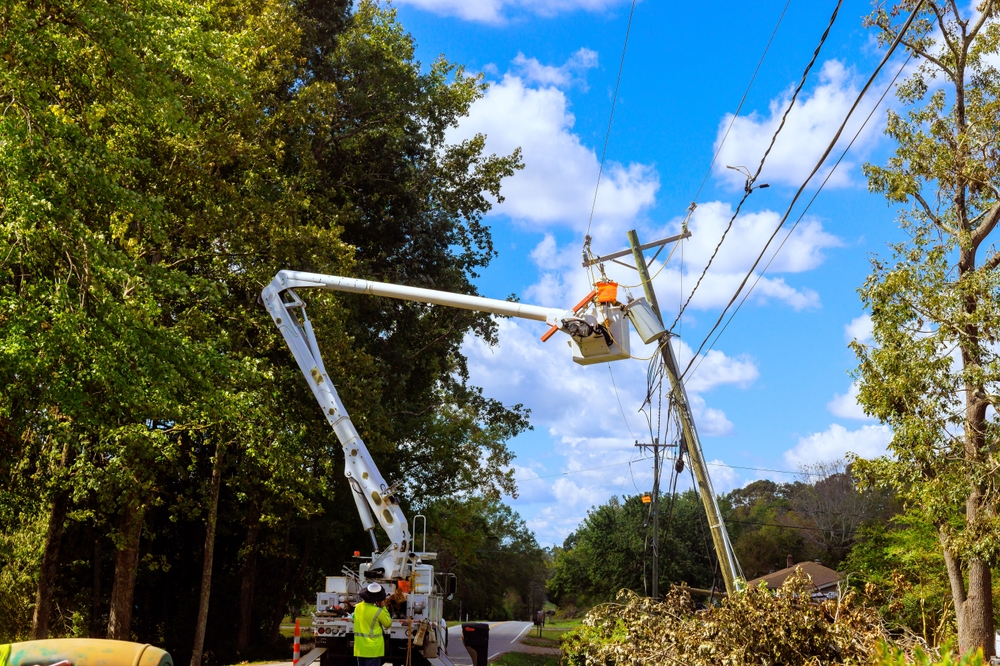
Every time a storm knocks out power to a neighborhood, it is a lineworker climbing the pole in the dark to fix it, and the industry does not have enough of them.
Employment of electrical power line installers and repairers is projected to grow 10 percent over the next decade, more than three times the average occupation, with about 10,900 openings a year, driven partly by the growing electricity demand from data centers and partly by a power grid that needs upgrading in nearly every state. Utilities now fund scholarships specifically to pull young workers into the trade faster, including one program that handed out $250,000 in lineworker scholarships at Southern California Edison in 2026 alone.
Entry requires only a high school diploma, followed by an apprenticeship that typically runs up to three years and combines on the job training with classroom instruction in electrical theory. Median pay is above $95,000 a year, among the highest of any trade that does not require a college degree, which reflects both the physical risk of working around high voltage power lines and the unpredictable hours the job demands during storms and outages.
Cybersecurity analysts

Every company that gets hacked this year is a company that did not have enough information security analysts on staff, and there are not enough information security analysts to go around.
Employment is projected to grow 21 percent over the next decade, nearly seven times the average occupation’s pace, with about 14,100 openings a year, making it one of the fastest growing jobs in any field, not just technology. Skills shortages, not simply a lack of bodies, are now seen as the bigger threat to company security, with 95 percent of security teams reporting at least one unfilled skill gap on staff.
A bachelor’s degree in computer science or a related field is the typical path in, usually paired with several years of related information technology experience and a professional certification. Median pay is above $129,000 a year, among the highest on this list. This is also one of the few fields where artificial intelligence is adding jobs rather than cutting them, since more AI tools in use means more systems that need defending from the attackers using that same technology against them.
Registered nurses

A hospital unit running short two nurses on a shift is not a rare event anymore. It is closer to the default in large parts of the country.
Registered nursing jobs are projected to grow 6 percent over the next decade, double the average occupation, with about 180,800 openings a year. The nationwide registered nurse shortfall is projected at roughly 10 percent through the early 2030s, with rural hospitals facing a far steeper shortfall than cities because fewer new graduates want to relocate to small towns.
The fastest path in is an associate’s degree in nursing, which takes about as long as a bachelor’s degree once clinical requirements are factored in, though many employers now prefer or require a bachelor’s degree for hospital positions. Median pay is close to $98,000 a year. Specializing in critical care, psychiatric nursing or oncology tends to pay a premium on top of that median, and the shortage is sharpest in exactly the specialties that require the most training, which keeps wages climbing for nurses willing to put in the extra certification.
Mental health and addiction counselors

Overdose deaths and anxiety diagnoses have both climbed for years, and the number of licensed counselors available to treat either has not kept pace.
Employment of substance abuse, behavioral disorder and mental health counselors is projected to grow 18 percent over the next decade, six times the average occupation, with about 50,500 openings a year. Roughly 137 million Americans now live in an area federally designated as short on mental health providers, a number that has grown by 15 million in a single year.
Requirements vary by role. Substance abuse and addiction counselors typically need at least a bachelor’s degree, while mental health counselors usually need a master’s degree plus a supervised clinical internship before they can be licensed. Median pay is above $59,000 a year, lower than some other roles on this list, but demand is strong enough that more courts are now mandating counseling as part of sentencing for offenders with substance use disorders, which steadily expands where counselors can find steady work.
Nursing assistants and orderlies

Nursing homes and hospitals run on nursing assistants, the staff who bathe, feed and reposition patients who cannot do it themselves, and there has never been a point where facilities had enough of them.
Employment of nursing assistants and orderlies overall is projected to grow 3 percent over the next decade, with about 203,300 openings a year once the need to replace departing workers is counted. That number is large enough that turnover alone creates more annual job openings than most entire occupations have workers.
Most states require a short state approved training program followed by a competency exam before a nursing assistant can work in a nursing home, a process that typically takes a few weeks rather than years. Median pay is just above $42,000 a year, modest compared to other roles here, but the role is a proven stepping stone into registered nursing for people who want hands on experience before committing to a longer nursing degree. Licensed practical nurses, who need a longer postsecondary program but can administer medications and more advanced care, earn a median closer to $64,400 a year and face a similar shortage of their own.
Home health and personal care aides

More people are choosing to age at home instead of moving into a facility, and every one of those households needs someone to help with bathing, meals and medication reminders.
Home health and personal care aide jobs are projected to grow 18 percent over the next decade, six times the average occupation, with about 760,500 openings a year, more annual openings than almost any other occupation tracked by the federal government. This is the single largest number of projected new positions on this entire list.
Most aides need only a high school diploma, and training usually happens on the job over a period of weeks to a year, though aides working for a certified home health or hospice agency must complete formal training and pass a standardized test first. Median pay is just under $36,000 a year, the lowest wage on this list, which is also part of why the field struggles to keep workers despite demand that keeps climbing. For someone testing out health care as a career before investing in a nursing degree, it remains one of the fastest ways to get in the door.
Respiratory therapists

A patient who cannot breathe on their own needs a respiratory therapist within minutes, not whenever the hospital can find one available.
Employment of respiratory therapists is projected to grow 9 percent over the next decade, triple the average occupation, with about 8,600 openings a year. The share of hospitals reporting at least one vacant full time respiratory therapist position more than doubled between 2019 and 2023, even as enrollment in respiratory therapy training programs has fallen.
The standard path in is an associate’s degree in respiratory therapy from an accredited program, which usually takes about two years and must be followed by passing a state licensing exam in every state except Alaska. Median pay is above $82,000 a year, among the stronger wages for a two year degree anywhere in health care. Therapists who go on to become Registered Respiratory Therapists, a credential that requires an additional exam, typically earn more and have first pick of hospital openings over those who stop at the entry level certification.
Surgical technologists

Every operation needs someone sterilizing instruments, counting sponges and handing the surgeon exactly the right tool before they ask for it, and that job cannot be automated out of an operating room.
Employment of surgical technologists and assistants is projected to grow 5 percent over the next decade, faster than the average occupation, with about 8,600 openings a year, driven by an aging population that needs more surgeries and a steady shift of procedures into outpatient surgical centers that need their own staff.
Most programs take one to two years and lead to a certificate or associate’s degree, shorter than a nursing degree while still landing graduates squarely inside the operating room. Median pay is close to $65,000 a year, and surgical technologists who gain enough experience can move up into surgical first assistant roles that pay noticeably more. The rise of robotic assisted surgery has added rather than removed work for technologists, since someone still has to set up and manage the robotic equipment before the surgeon takes the controls.
Dental hygienists

A dental practice can have more patients on the schedule than it can actually see, not because it lacks a dentist, but because it cannot find a hygienist.
Employment of dental hygienists is projected to grow 8 percent over the next decade, well ahead of the average occupation, with about 15,000 openings a year. Only 60 percent of dentists consider their hygiene staffing adequate, and 91 percent of those actively trying to hire call it very or extremely difficult.
The standard path is an associate’s degree in dental hygiene, typically a three year program combining classroom instruction with supervised clinical work, and every state requires a license to practice. Median pay is above $98,000 a year, rivaling what many registered nurses make, without the night shifts, weekend rotations or four year degree nursing typically requires. Many hygienists work part time by choice, splitting their week between two or more dental offices, which only adds to how hard practices say the role is to staff consistently.
Commercial truck drivers

Nearly three quarters of everything shipped across the country moves on a truck at some point, and the industry is short on the drivers it needs to keep that freight moving.
The current driver shortfall is estimated at roughly 82,000 drivers, a number that has climbed steadily since the pandemic disrupted the freight market. Federal projections show heavy and tractor trailer driving jobs growing 4 percent over the next decade, with about 214,500 openings a year, nearly all of it driven by drivers retiring or leaving the industry rather than new freight demand alone.
Training usually means a few months at a professional truck driving school before earning a commercial driver’s license, far shorter than almost any other career on this list. Median pay is close to $59,000 a year, with experienced long haul and specialized hazardous materials drivers earning considerably more. The lifestyle is not for everyone, since long haul drivers can be away from home for days or weeks at a stretch, but for someone who wants to start earning quickly without years of schooling, this remains one of the fastest on ramps into a stable paycheck.











