
Selecting the right dock system for your waterfront property comes down to matching your shoreline’s physical conditions with how you intend to use the space daily. With around 30,000 lakes in Florida alone, thousands of waterfront property upgrades are installed across shorelines each year, and choosing the wrong layout or material can lead to early repairs and structural issues. Balancing water movement, seasonal changes, and material performance helps keep your investment safe and functional for decades.
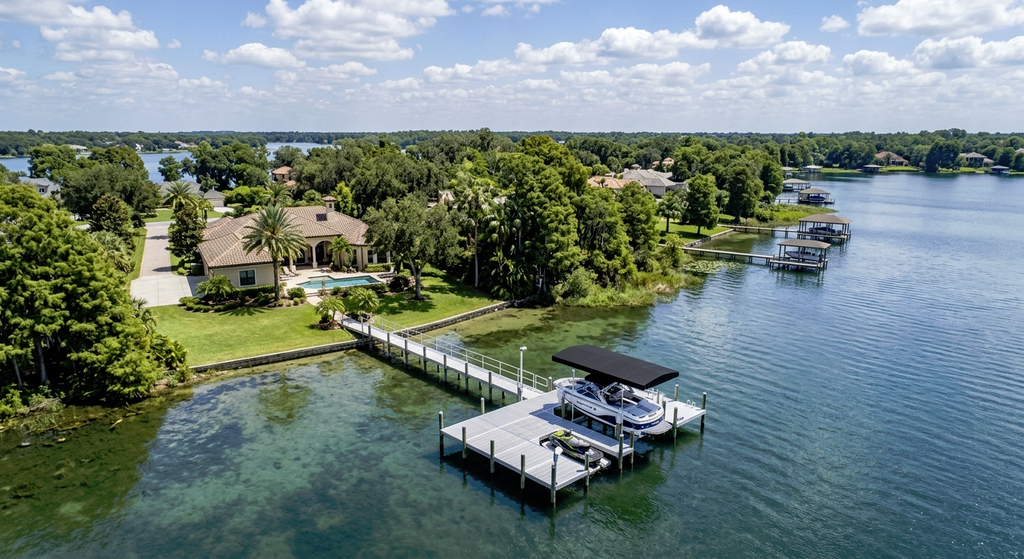
Table of contents
- Evaluating water conditions and shoreline dynamics
- Selecting framework materials for long-term performance
- Decking options and maintenance demands
- Designing layouts for intended waterfront use
- Long-term care for waterfront assets
- Navigating local permitting and environmental regulations
- Finding the ideal match for your property
Evaluating water conditions and shoreline dynamics
Water depth, fluctuation levels, and wave action serve as the primary engineering factors when choosing between stationary and floating structures. Deep-water setups with significant seasonal height shifts generally benefit from floating frameworks that move naturally with tides or dam-controlled reservoirs. Stationary pipe or piling setups excel in shallow, stable waters where fixed height access remains consistent year-round.
Local bottom conditions also dictate structural support choices. A soft, muddy lakebed requires long pilings driven deep into the substrate, whereas rock-heavy bottoms often require specialized anchoring grids or floating dock configurations.
Ignoring these underwater realities usually results in shifted frames and premature surface warping. And if you’re already well versed in top waterside spots for boating and fishing, making choices appropriate for the region and location is doubly important to make the most out of what nature has to offer.
Selecting framework materials for long-term performance
The supporting frame of your dock takes the brunt of physical stress, submerged moisture, and environmental load changes. Traditional pressure-treated timber frames offer a lower initial investment, but wood naturally absorbs water, warps over time, and requires routine staining and board replacement.
Aluminum framing has emerged as the premier standard for high durability due to its high strength-to-weight ratio and natural resistance to corrosion. Premium marine aluminum engineered to handle severe weather such as Wahoo CAT 5 dock systems provides heavy-duty structural stability without the weight burdens of steel or the rapid decay of timber. Choosing robust marine-grade aluminum eliminates rust risk while maintaining structural integrity against severe wind and wave surges.
Decking options and maintenance demands
Decking surfaces directly impact bare-foot comfort, slip resistance, and ongoing maintenance schedules. While structural frames provide safety, the top decking material defines your daily user experience.
- Polypropylene panels feature slotted designs that reduce wave uplift pressure while staying cool under intense sun exposure
- Composite boards offer a polished hardwood aesthetic while eliminating splinter risks and rot
- Aluminum decking provides superior longevity and maximum heat dissipation for barefoot safety
Maintaining your surface extends the working life of the entire dock installation. Simple routines like sweeping off organic debris and rinsing surfaces prevent mold build-up and preserve traction.
Designing layouts for intended waterfront use
Layout choices depend heavily on the types of watercraft you own and how your family uses the shoreline. Straight single-slip layouts work well for standard powerboats, while wider U-shaped or L-shaped designs create protected swim areas and easy boarding access.
If you enjoy entertaining guests, dedicated seating areas or integrated upper decks double your usable square footage without expanding your footprint into navigation channels. Ensuring proper swim ladders, bumper guards, and cleats are integrated early in the design phase creates an organized and safe dock environment.
Long-term care for waterfront assets
Every dock system requires periodic inspections to maintain structural integrity and safe operation. Checking hardware connections, hinge pins, and anchoring lines prior to heavy boating seasons catches minor wear before it affects the frame. Inspecting underlying structural components following major storm events ensures the anchoring system remains properly aligned.
As with any of the many potential home upgrades available, this investment in care is as must about protecting your initial spend and preserving your property’s value as it is anything else. So if you’re on the fence about sticking to the required maintenance schedule or a dock system, don’t skip over your responsibilities.
Navigating local permitting and environmental regulations
Local zoning ordinances and environmental guidelines play a major role in determining what dock configuration you can legally construct. Many municipal authorities and environmental agencies strictly regulate total square footage, physical distance from neighboring property lines, and overall shoreline coverage.
Building in ecologically sensitive zones often mandates specific construction designs that allow natural sunlight to reach subaquatic vegetation beneath the structure. Getting your plans reviewed by municipal building departments early in the planning process helps prevent project delays, costly fines, and sudden retrofitting demands after installation begins.
Finding the ideal match for your property
Choosing the right dock requires weighing your budget against shoreline geography and long-term maintenance preferences. Investing in durable frame materials and functional layout designs ensures your dock serves as a hassle-free extension of your living space. Exploring specialized dock design options helps tailor your choice to your exact shoreline needs, and for more articles relevant to coastal residents, stick around on our site.










