
Your dad’s old fountain pen is sitting in a drawer somewhere, assuming it survived the last move. Your uncle’s shoebox of basketball cards made it through three apartments and two garage sales. The keyboard nobody remembers buying is still zipped into its case in the basement, because nobody wanted to deal with hauling it to the curb.
Most of what filled 1980s households has no resale value at all. But a specific slice of it, ordinary things people bought new and later forgot about, has quietly climbed into real money. Here’s what to look for before any of it goes to the donation pile.
1. Montblanc Meisterstück 149 fountain pen
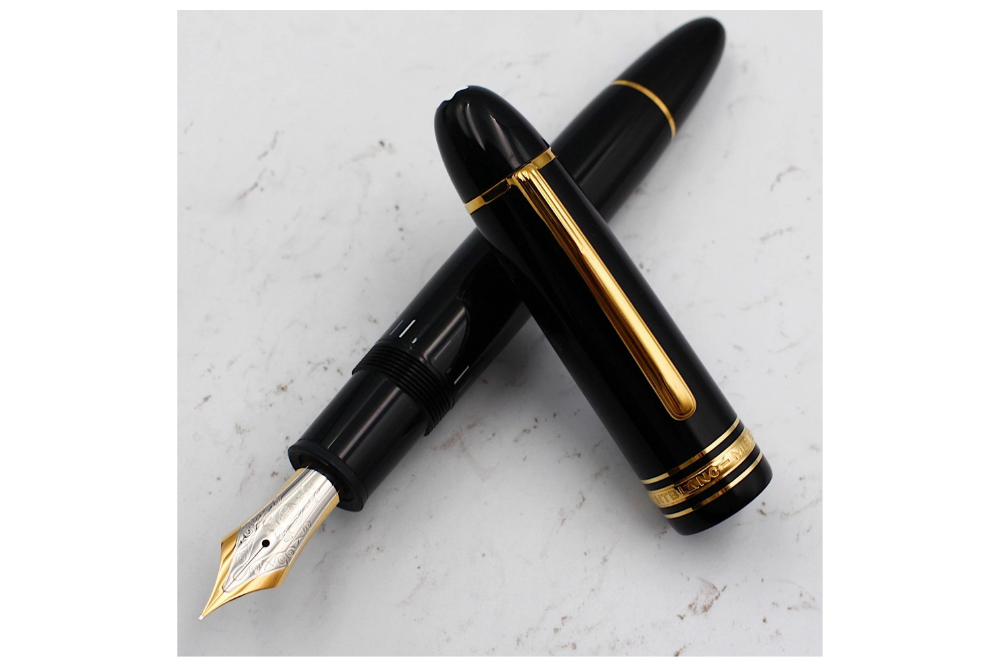
This was the pen executives bought themselves when they got the corner office, and plenty of households from the 80s had one tucked in a desk or a jewelry box. The 149 is the big one, with the oversized barrel and the 14k gold nib, and it was never cheap even new.
Working examples with a smooth, undamaged nib and the original cap band bring $450 to $700 today, more if the box and papers survive. The nib is the part that makes or breaks the value. A bent or heavily worn tip knocks the price down fast, and a pen that’s been disassembled by an amateur repair person loses a big chunk of its appeal. A new 149 still retails for well over $900 today, which is part of why a clean vintage example holds its value so well. Check that the clip and cap threads aren’t cracked, since replacement parts for older 149s can be hard to source and sellers will discount accordingly.
2. G.I. Joe USS Flagg aircraft carrier
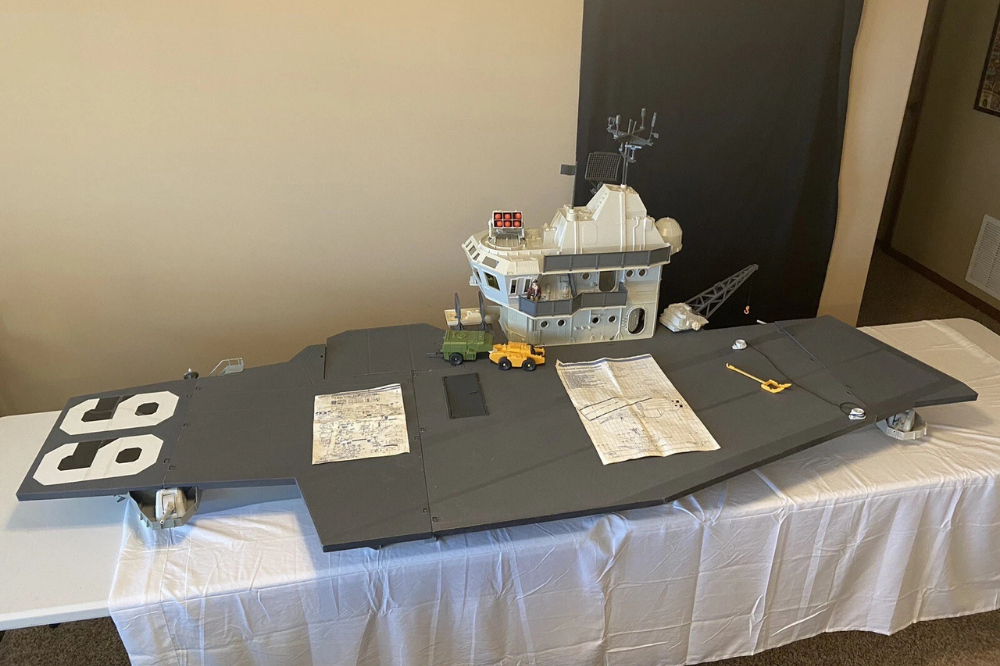
This toy was enormous, over seven feet long when fully assembled, and most kids who got one for Christmas eventually lost pieces, tore the cardboard deck, or watched the plastic crack under the weight of being hauled around a bedroom.
A complete example still sealed in its original box can bring $5,000 or more, and even one that’s been opened but still has its deck, elevator, and crane typically lands in the $3,000 to $4,000 range. That second number matters more for most owners, since almost nobody still has the box. These sets shipped with a long list of small parts, decals, and a cardboard flight deck that tore easily, and a Flagg that’s missing its crane, deck stickers, or smaller accessories drops fast from there, often into the low hundreds, because completeness is what collectors are actually paying for. Reproduction stickers exist, so a seller claiming “all original” parts should be able to show it.
3. 1986 Fleer Michael Jordan rookie card
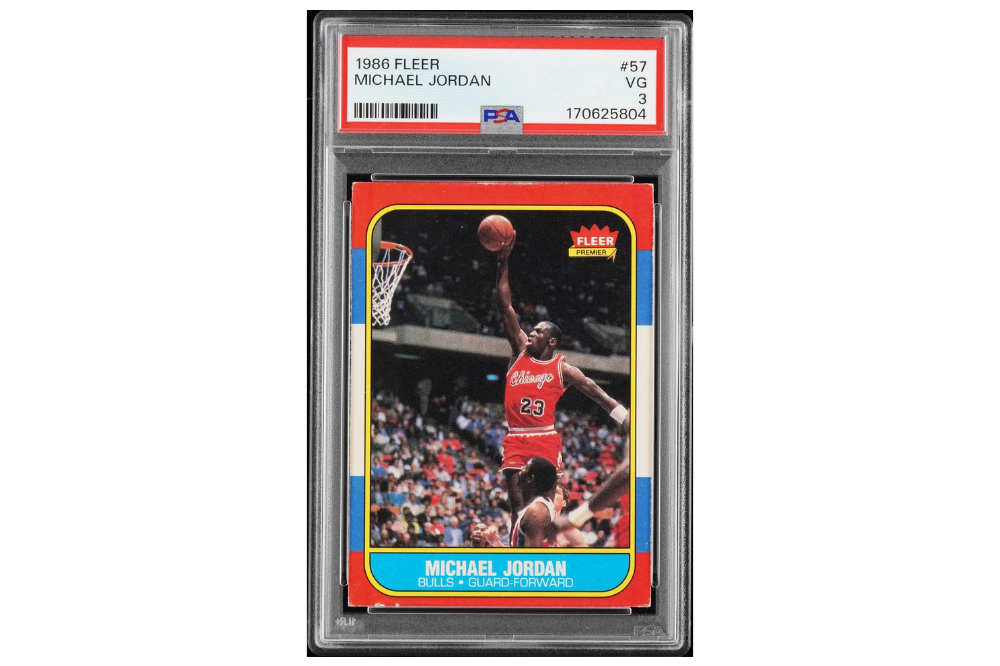
This card showed up in wax packs at drugstores and card shops everywhere in 1986, which means plenty of kids who collected basketball cards in the 80s have one somewhere, usually in rough shape from being handled, traded, and stuck in bicycle spokes.
A raw, ungraded copy in genuinely good condition, sharp corners, no creases, centered image, sells for $2,000 to $3,700, and that’s before anyone pays to have it professionally graded. Corner wear and surface scuffing are extremely common on this card because of how it was printed and distributed, and copies with heavy creasing, rounded corners, or print marks sell for considerably less, since the card’s price mostly tracks sharp, presentable examples. If you have one, resist the urge to clean it or try to flatten a crease yourself. Send it for grading before doing anything else, since an amateur attempt to improve its look usually makes it worse.
4. Omega Speedmaster Professional 145.022
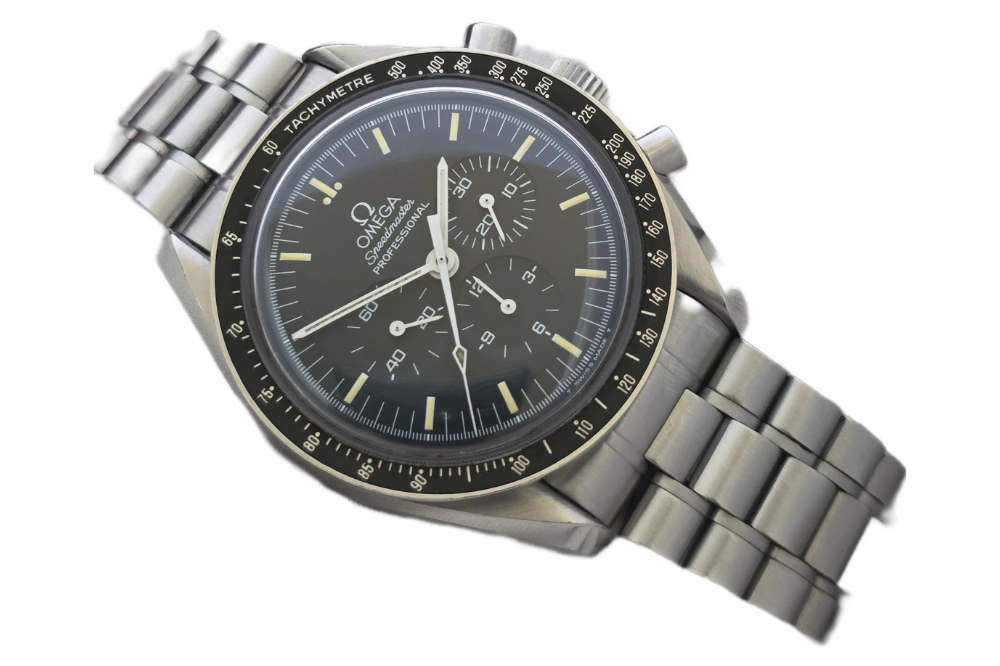
This was the manual-wind chronograph NASA astronauts wore, and civilian versions sold steadily through the 70s and into the 80s. It’s mechanical, it’s rugged, and a lot of men bought one as a watch they expected to wear for the rest of their lives.
Examples with their original dial, hands, and case in solid working order bring $3,000 to $4,500, with cleaner dials and original bracelets pushing toward the top of that range. The dial is everything here. A refinished or relumed dial that wasn’t done by Omega drops the value substantially, as does a case that’s been over-polished and lost its original sharp edges. These watches also got swapped with parts from other references over the decades, so a buyer checking a Speedmaster like this should confirm the movement and case numbers actually match what the reference should have. A full service record from a qualified watchmaker helps a lot.
5. Teenage Mutant Ninja Turtles number 1
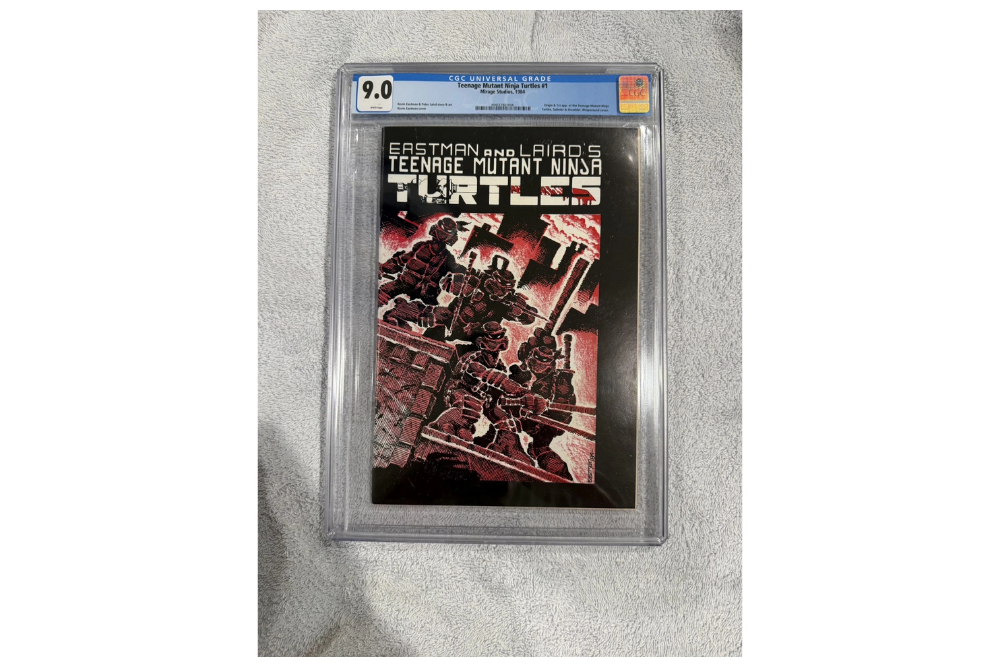
This black and white comic was self-published in 1984 in a tiny print run, and a decent number of copies ended up in the hands of regular comic shop customers rather than serious collectors, since nobody involved expected the Turtles to become a cartoon and toy line a few years later.
A copy in solid, well-preserved condition, no missing pages, minimal spine stress, sells in the $800 to $2,500 range depending on how sharp the corners and cover gloss are. There’s an important catch: this book was reprinted multiple times, and the reprints look similar to an untrained eye but are worth a small fraction of the first printing. The first printing has specific markings on the inside that distinguish it, so a copy without professional verification shouldn’t be assumed to be the real thing. Water damage and yellowing from sun exposure are the most common condition problems on surviving copies.
6. Yamaha DX7 synthesizer
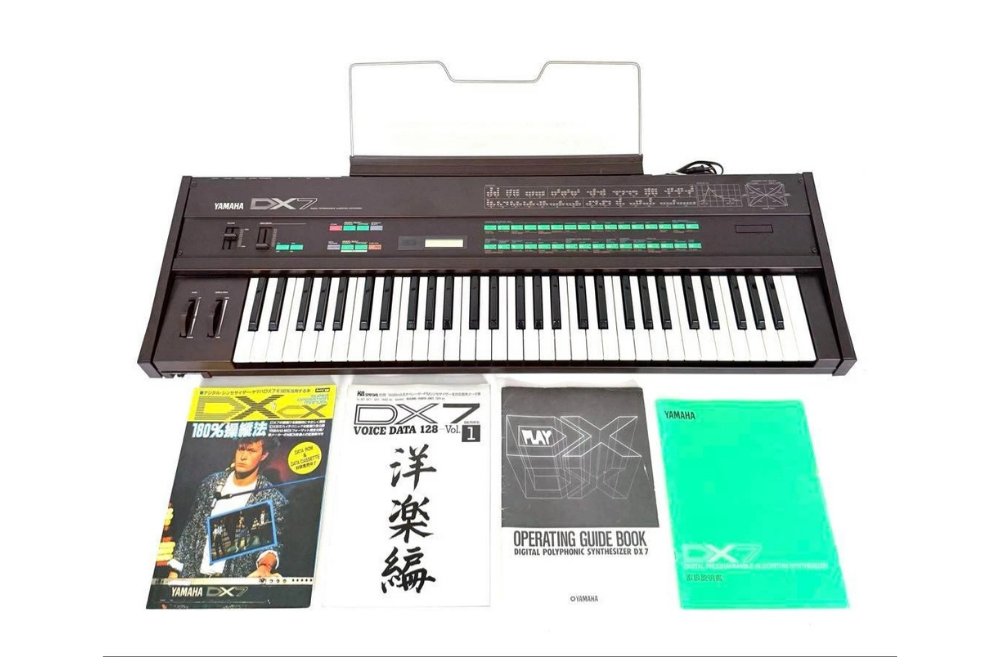
This keyboard defined the sound of 80s pop and film scores, and a huge number of them were sold to working musicians, hobbyists, and church music directors. Most ended up stored in a closet once digital synthesis moved on to other designs.
A DX7 in full working order, with responsive keys and a clean display, typically brings $450 to $700 today, more with the original flight case and manual included. Plenty of listings price a working DX7 much lower, often in the $100 to $200 range, but those are usually units that need the internal memory battery replaced or have sticky, unresponsive keys. That battery is the single biggest factor in what a DX7 is actually worth, since a dead one wipes any custom programmed sounds the original owner saved, which matters to buyers who want the factory character intact. Yellowed keys and a few sluggish buttons are common and don’t hurt the price much, but a unit that won’t power on at all, or has a cracked case, is worth closer to parts value.
7. Vintage Chanel quilted flap bag
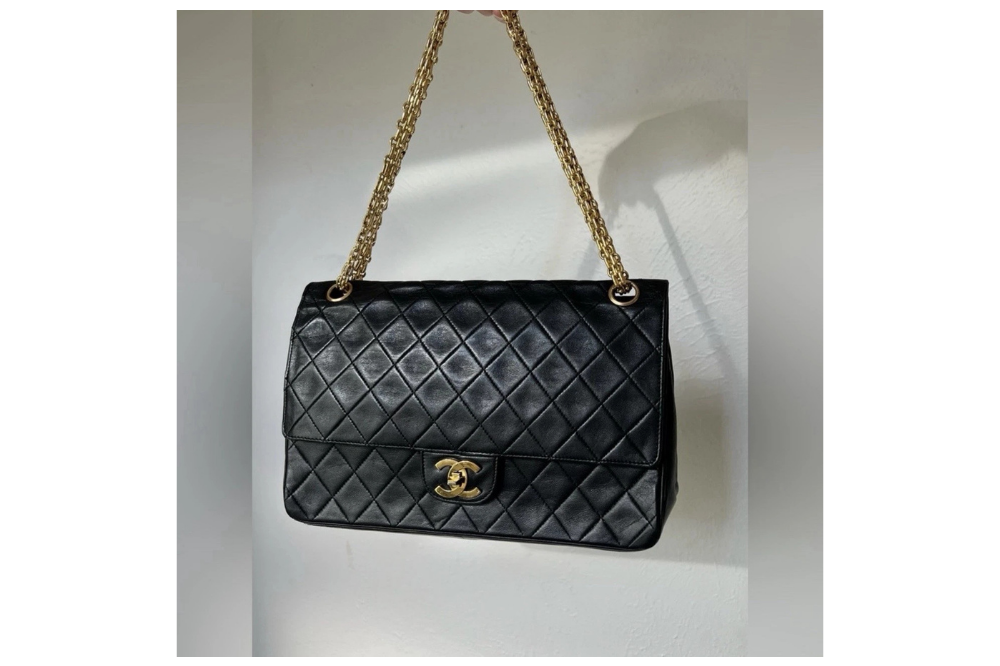
These bags were already an aspirational purchase in the 80s, and a fair number were bought on a special trip or saved up for, then used for a few years before being retired to a closet shelf once trends moved on.
A bag from this era in black caviar or lambskin leather, with its original chain strap and CC turn-lock intact, sells for $2,500 to $4,500 depending on size and leather condition. Lambskin scratches and shows wear far more easily than the caviar leather, so a lambskin bag that was carried regularly is usually worth less than a caviar one in the same age bracket. Authentication matters enormously here because this is one of the most counterfeited accessories ever made. A real one has a serial number sticker inside, consistent stitching, and specific hardware weight that fakes routinely get wrong, so a bag without documented authentication should be treated cautiously regardless of how convincing it looks in photos.
8. 1982 no mint mark Roosevelt dime
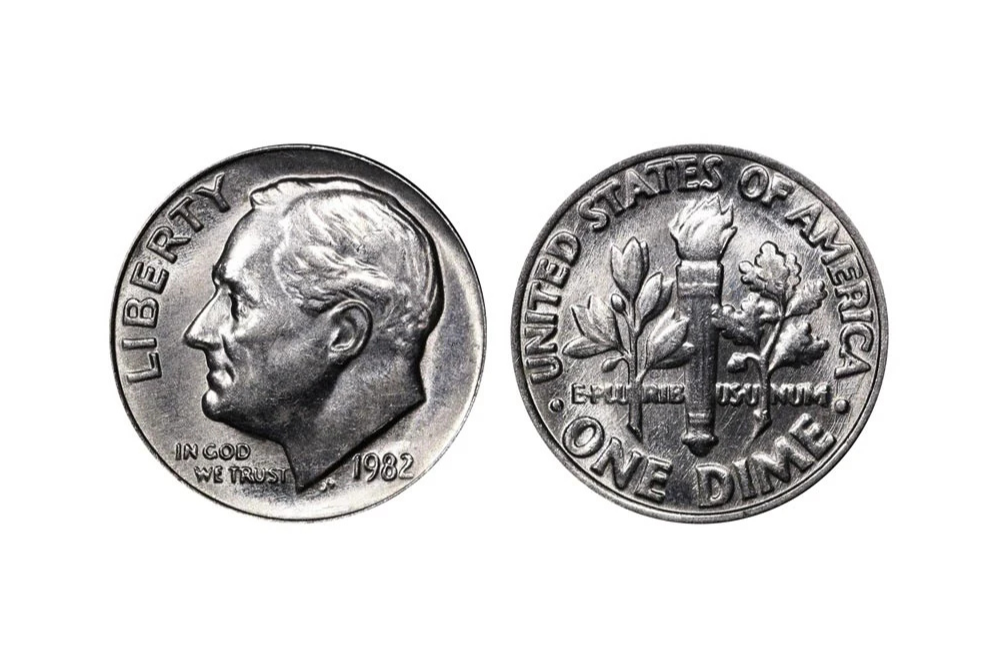
In 1982, a worker at the Philadelphia Mint forgot to punch the small “P” mint mark into a working die, and the resulting dimes went out into circulation completely unnoticed at the time. Thousands turned up in pocket change and vending machine returns over the following months, mostly in the Sandusky, Ohio and Pittsburgh areas, long before anyone realized what they’d actually gotten back in change.
A piece that’s never been spent, with its original mint luster intact, brings anywhere from a few hundred dollars in the lower uncirculated grades up to around $700 in the better ones, and the small number that graded at the very top of the scale have reached into the thousands. There are two varieties, a strong strike and a weaker one, and the strong strike generally brings more at the same grade. A coin that’s actually circulated and shows real wear is worth close to its ten-cent face value, since the error only commands a premium on pieces that still show their original shine. Checking is simple: a normal 1982 Philadelphia dime has a small “P” just above the date, and this one doesn’t. Given how much the grade affects the price, it’s worth having a borderline example professionally graded before selling it.
9. Powell Peralta skateboard deck
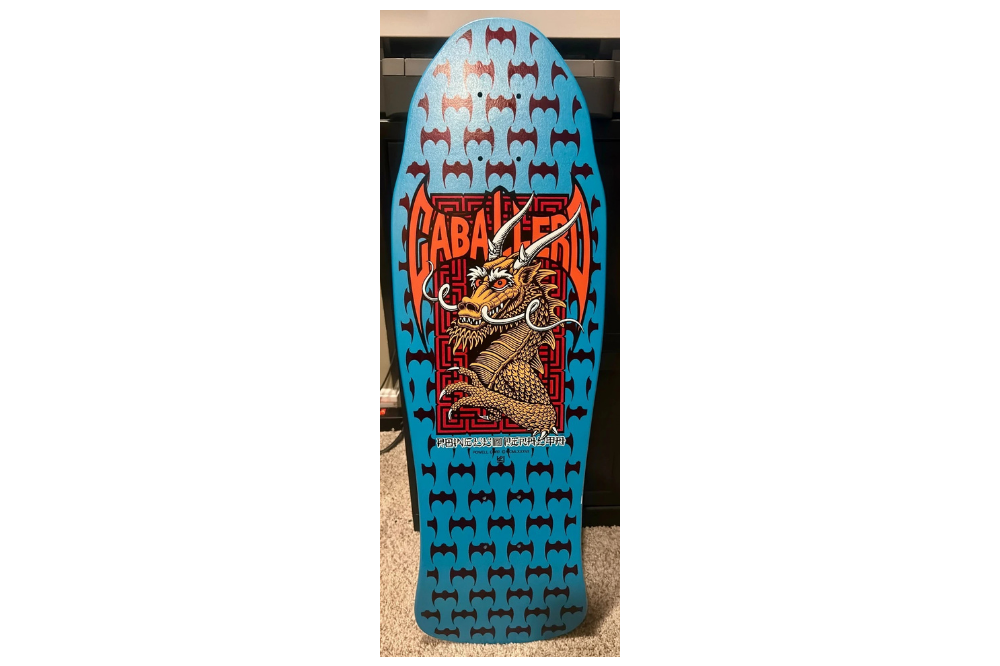
Skate shops in the 80s sold these decks constantly, and kids rode them until the graphics wore through or the deck snapped, which means surviving examples in good shape are much rarer than the original sales numbers would suggest.
A complete original deck with its graphic still sharp and unridden sells for $400 to $700 today, with the most recognizable rider graphics from this era, Steve Caballero’s dragon series among them, bringing the most when the colors haven’t faded. Most decks that actually got ridden sell for far less than that, often closer to $100, since grip tape residue that bled into the wood and chipped rails from grinding are the norm rather than the exception. A deck that’s warped, delaminated, or missing large chunks of its graphic is essentially worthless as a collectible no matter who rode it. Reissues of popular graphics are common and look convincing at a glance, so a deck sold as an original from this period should show construction and wear consistent with its age, not crisp, new-looking wood paired with artificially aged graphics.
10. Sealed Super Mario Bros. NES cartridge
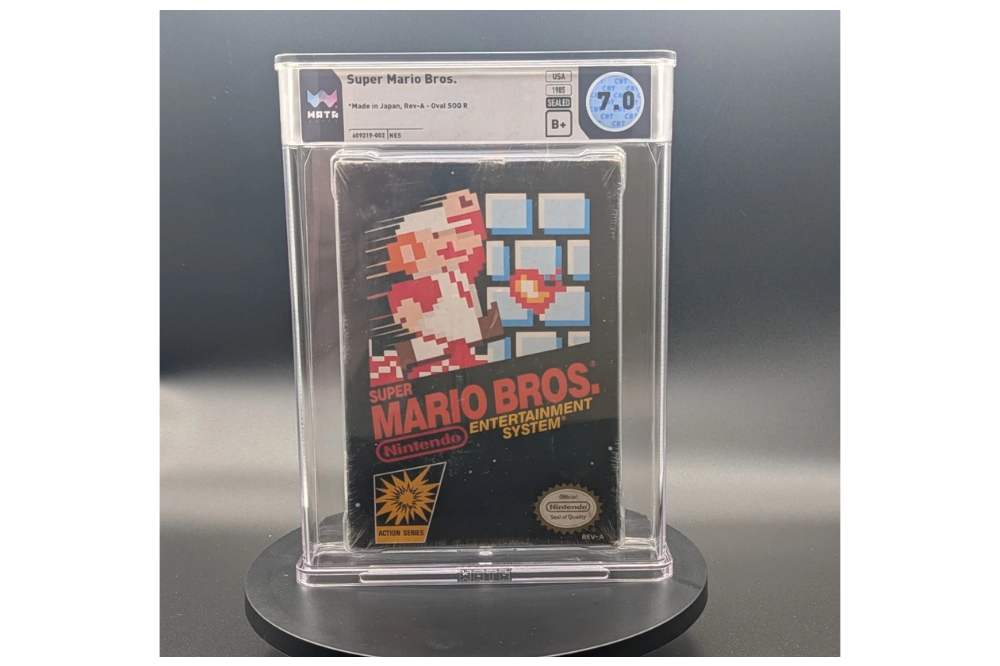
Millions of these cartridges shipped in the 80s, most bundled with the console itself, and almost all of them got opened, played for years, and eventually sold at a yard sale for a few dollars.
A cartridge that was never opened, still sealed in its original shrink wrap with the box intact, sells for $2,000 to $3,000 in today’s market, and a copy that’s been professionally graded for that seal can bring dramatically more. This is strictly a sealed-copy phenomenon. An opened cartridge, even one with the box and manual, is a nostalgic item worth around $280, not a collectible investment, so the gap between a sealed and opened copy of the exact same game is enormous. Reproduction shrink wrap and resealing scams exist in this market, so a seller claiming a sealed copy needs to show consistent factory seam patterns and a crisp, undamaged box, not just plastic wrap applied later.
11. Leica M6 camera
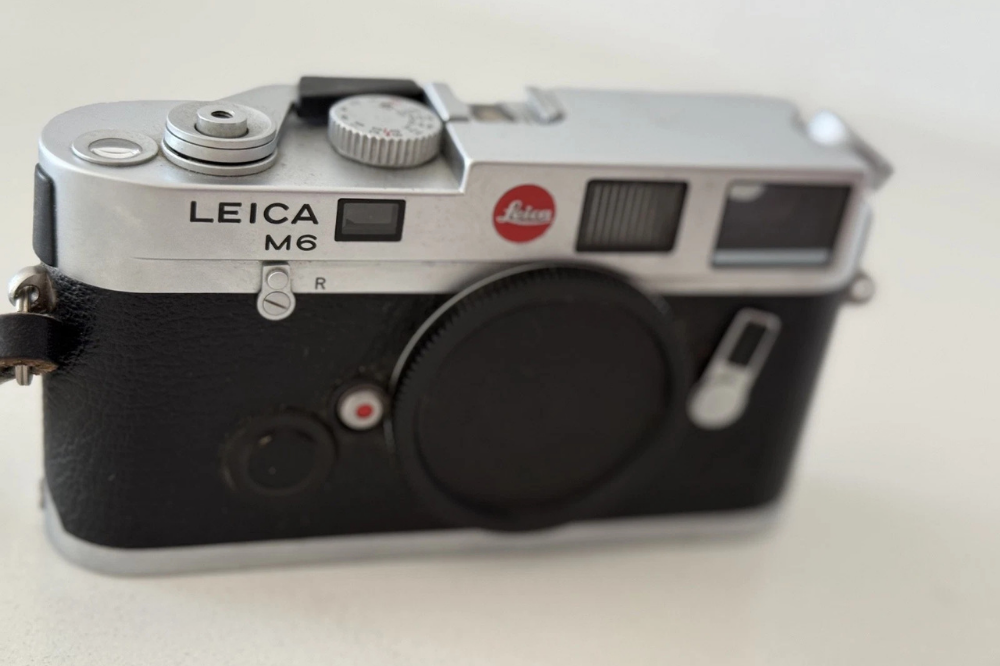
This camera arrived toward the very end of the 80s and became the choice of a lot of serious amateur and professional photographers who wanted a mechanical rangefinder rather than the increasingly electronic cameras coming out of Japan.
A clean, mechanically sound body with accurate metering and smooth shutter speeds typically brings $900 to $1,400 on its own, while a factory-certified example that’s been fully serviced by a specialist dealer can bring $3,500 or more. Because this is a mechanical camera that photographers actually still use rather than display, condition is judged functionally as much as cosmetically. A meter that reads inaccurately, sticky shutter curtains, or haze inside the viewfinder all matter more here than a few brassed edges on the body, which collectors generally don’t mind on a Leica. A camera that’s been dropped and has a misaligned rangefinder is a real problem and should be disclosed by any honest seller.
12. 1982 Fender Fullerton Stratocaster
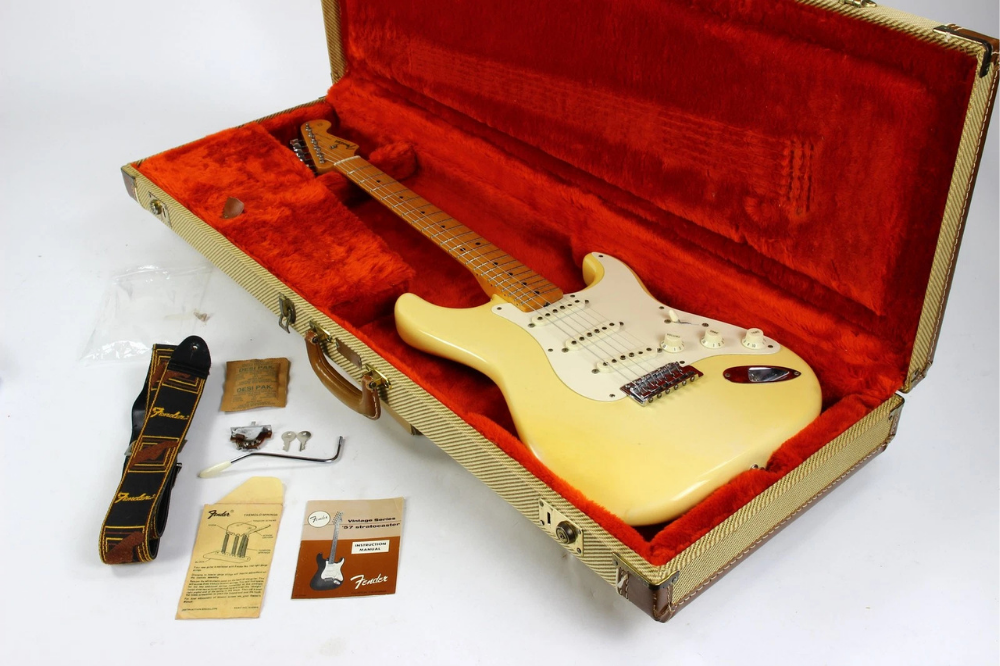
Fender’s Fullerton, California factory was winding down in the early 80s before production moved, and guitars from this narrow window get particular attention from players who want an American-made Strat from the brand’s original home.
A guitar from this narrow production window with its original finish, frets with reasonable life left, and no major headstock repairs holds a market value of roughly $1,200 to $1,800, with clean, all-original examples still in their hardshell case bringing somewhat more and worn or modified ones bringing less. Refinished guitars, meaning the original paint was stripped and redone, lose a substantial amount of value even when the refinish looks good, because serious buyers want the original factory finish. A neck that’s been reset or a headstock that’s been cracked and glued, common on guitars that got knocked over one too many times, also cuts the price significantly. A guitar tech can confirm whether the pickups and hardware are original to 1982 rather than swapped in later, which affects value either way.
13. Garbage Pail Kids series 1 wax box
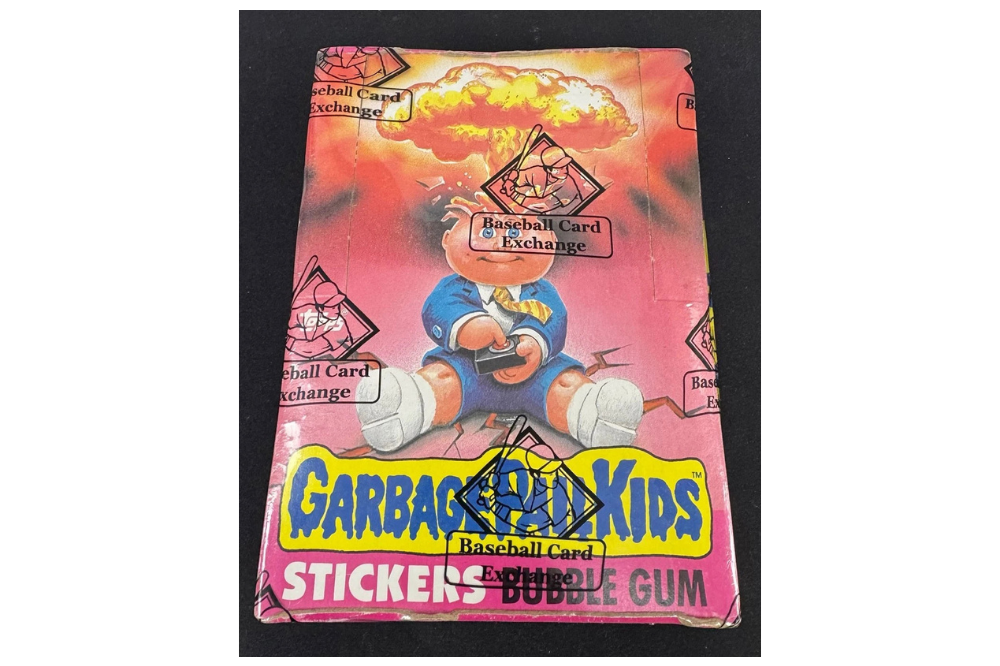
These cards were genuinely controversial when they came out, and schools confiscating them from kids only made them more desirable to collect, which means a lot of complete packs got opened and traded down to single cards rather than staying intact.
A single unopened wax pack from this release, the kind that might still be stuck in a shoebox from an old card show, sells for around $220 in average condition, and a pack that grades well once professionally certified can bring well over $1,000. A genuinely complete, still-sealed wax box, meaning all 48 packs never opened, is a far rarer find and worth dramatically more, into the tens of thousands for a box that’s been authenticated as intact. That gap exists because almost every box that reached a store shelf in 1985 got opened within days, since kids wanted the cards and the gross-out humor that made the whole line controversial in the first place. Box or pack, the condition that matters most is whether the wrapper has ever been disturbed. A resealed pack or a box with a cut or re-taped seam is treated as opened no matter how good it looks, and that single detail accounts for most of the price difference.
14. Transformers G1 Fortress Maximus
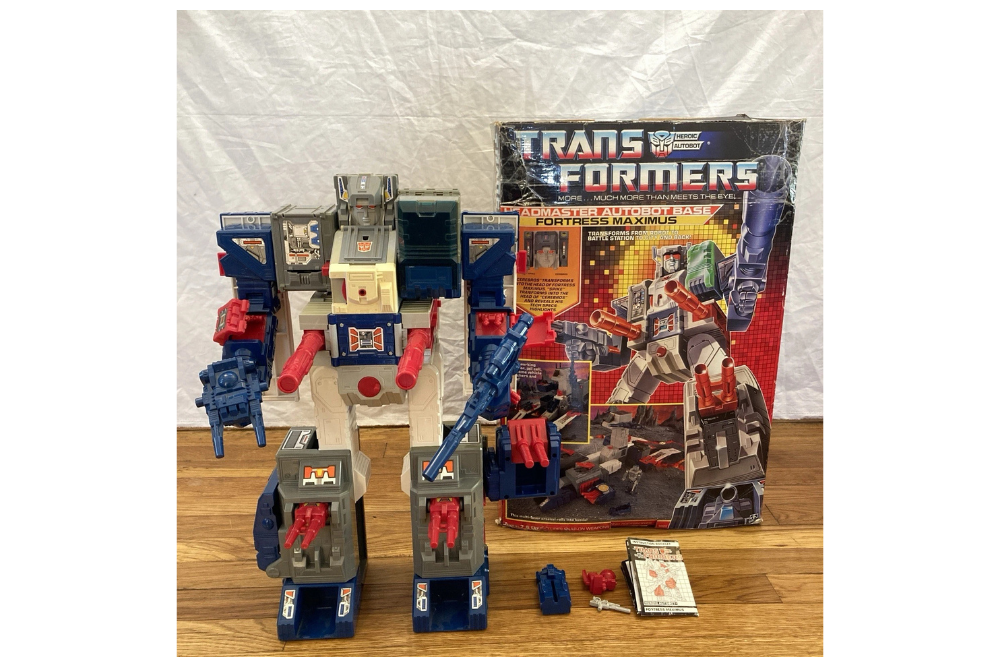
This was the largest and most expensive Transformers toy sold during the original 80s run, and the price point alone meant far fewer were purchased compared to the smaller, more affordable figures in the line.
A complete figure with its full accessory set, including the smaller Cerebros figure that transforms separately and fits inside, sells for $600 to $1,075 today, depending on how many of the stickers and weapons survive. The sticker sheets on this toy were extensive and most surviving examples are missing several, which is the single biggest factor pulling prices down from the top of that range. Loose joints from decades of transforming the figure back and forth are common and expected, but a figure with cracked plastic on the head or chest, a stress point on this toy, sells for considerably less than one without that damage. Reproduction stickers are widely sold for this figure, so a seller claiming an all-original sticker sheet should be able to show it, and a loose Cerebros figure that doesn’t match the main robot’s wear and paint is a sign the two were paired together after the fact rather than sold as a true matched set.
15. Williams Black Knight pinball machine
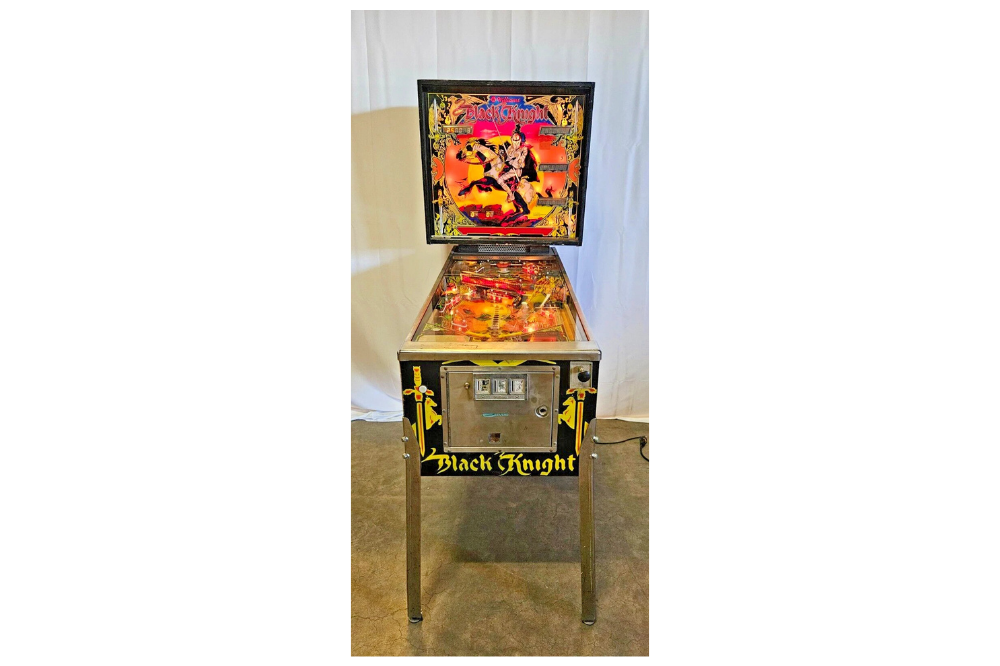
Pinball machines like this one spent their working lives in arcades, bars, and bowling alleys, getting played hard for years before most were scrapped once electronic solid-state games fell out of favor or simply broke down beyond what an operator wanted to fix.
A machine that’s been kept in solid working order, with its original playfield art still bright and all lights, flippers, and solenoids functioning, is worth roughly $2,700 to $4,200 today, well above what a project machine still needing repairs will bring. Williams’s more elaborate titles from the years just after this one, like Banzai Run with its vertical second playfield, have reached considerably higher prices, as much as $5,400 in exceptional condition, though that reflects an unusual cabinet design rather than a typical result for this particular machine. A worn, faded playfield or a machine with non-functional electronics is a much bigger project than most buyers want, and that gap between a fully working machine and one that needs restoration is where most of the price difference comes from.
Most of what came out of the 1980s is long gone, and that’s fine. The handful of things that survived in decent shape are worth a second look before they end up at the curb.











