
The blue and white trinket box on your grandmother’s dresser has probably held spare buttons or forgotten earrings for thirty years. Flip it over. If the base reads “Wedgwood, Made in England,” you’re holding a piece of the same pottery company that made china for Catherine the Great and still supplies the White House today.
Wedgwood has been in continuous production since 1759, across more different materials and patterns than almost any other maker still in business. That range is exactly why the value swings so wildly. A plain blue Jasperware box from the 1970s and a hand painted Majolica plate from the 1870s share a backstamp and nothing else in what they’re worth. Condition, age, and which specific line you’re holding decide almost everything.
These are the pieces that turn up in attics, china cabinets, and the miscellaneous dishes box at an estate sale, not the ones locked in a case with a six figure insurance rider.
1. Blue Jasperware trinket box
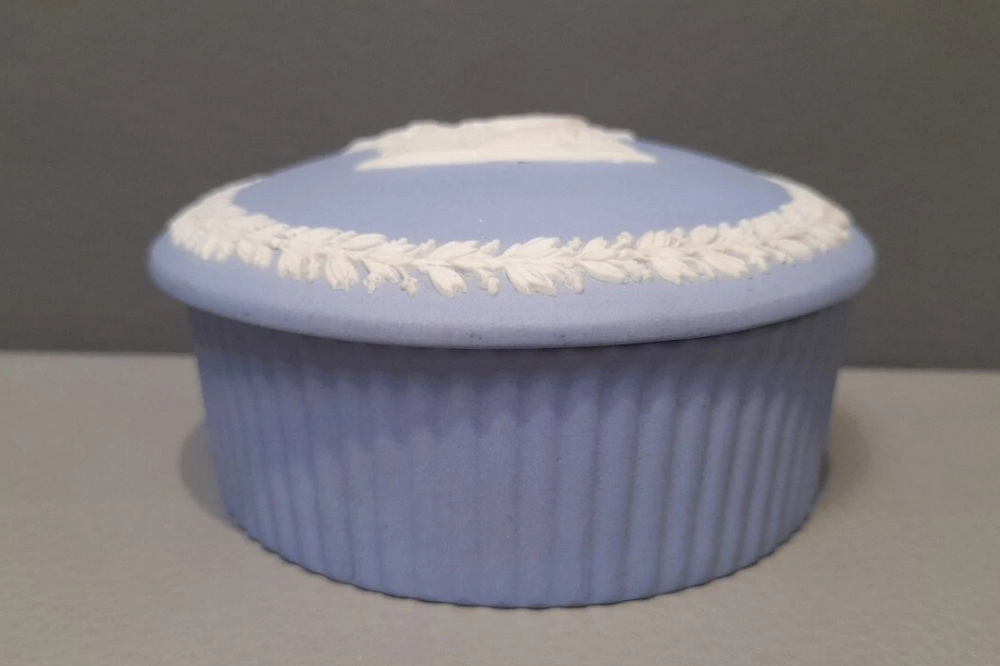
Jasperware is the matte blue stoneware with white classical figures raised on the surface, and it’s the single most recognizable thing Wedgwood ever made. Josiah Wedgwood perfected the formula in 1774, and the company has never stopped producing it, which is exactly why most examples sitting in a dresser drawer are modest in value. A clean, lidded box with sharp white relief and no chips typically brings $15 to $40, depending on size and how crisp the molded figures still are.
Age matters more than most sellers realize. Boxes marked simply “Wedgwood Made in England” with no further date code are usually mid to late twentieth century, and the relief tends to look slightly softer than on earlier pieces because the molds wear down with repeated use. A box in an uncommon color, like crimson, lilac, or yellow instead of the standard pale or dark blue, is worth pricing separately, since those colors sell for noticeably more. Hairline cracks in the lid or a repaired finial cut the price sharply, and a box with the lid missing is worth a fraction of a complete one.
2. Jasperware Christmas plate series, 1969 to 1988
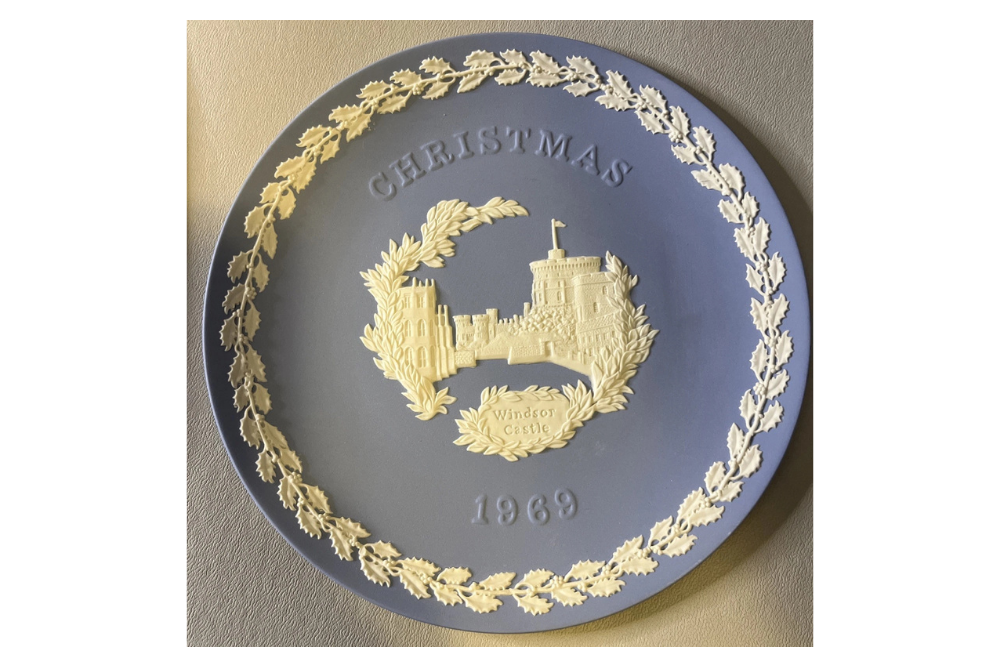
Starting in 1969 with a view of Windsor Castle, Wedgwood issued a new Jasperware Christmas plate every year for two decades, each one stamped with a different London landmark in white relief on pale blue. Millions of American households bought them directly from department stores or through the mail, which means a huge number survive today in their original boxes, barely touched. On their own, individual plates typically bring $10 to $20 in clean condition, with the first year’s Windsor Castle design commanding a small premium simply because it started the run.
The real money is in completeness, not any single year. A matched set running the full twenty years, 1969 through 1988, with every plate present and undamaged, has brought around $265 as a group, more than ten times what the same plates would fetch sold individually. Check every plate for hairline cracks near the rim, which are common on pieces that hung on display hooks for decades, and keep the original cardboard box and paper sleeve if you still have them. A factory flaw in the molding is not the same thing as damage and doesn’t reduce value the way a crack does.
3. Peter Rabbit nurseryware
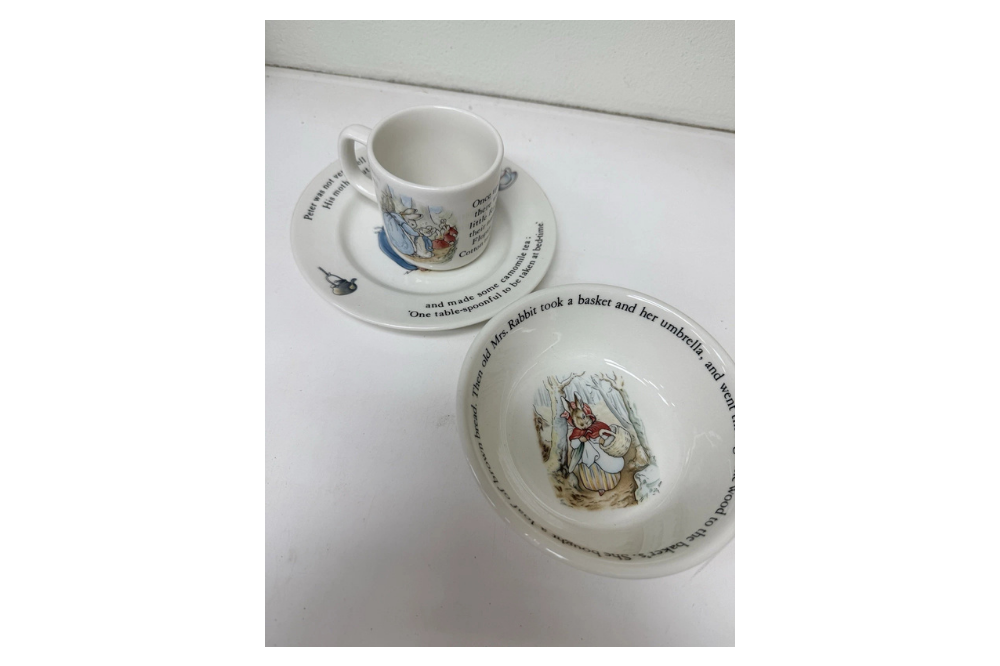
Wedgwood began making Peter Rabbit china in 1949 under license from Beatrix Potter’s publisher, Frederick Warne and Company, using her own illustrations rather than a redrawn version, and the line stayed in production for decades afterward in Queen’s Ware and later bone china. A child’s plate, bowl, and mug set in clean condition with no chips typically sells for $15 to $45, with the better end of that range going to sets still in their original presentation box.
Most surviving examples date from the 1970s through the 1990s and were used for exactly what they were made for, so look closely at the rim of any plate or bowl for the fine scratches that come from years of spoon use. Those marks don’t ruin the piece but they do affect what collectors will pay. The earliest 1949 and 1950s issues, with the original Frederick Warne copyright line and a printed rather than transfer finish, are scarcer and worth separating from later reissues before you price anything. A set missing a piece, or mismatched across different production runs, sells for noticeably less than a complete matched set.
4. Black basalt teapot
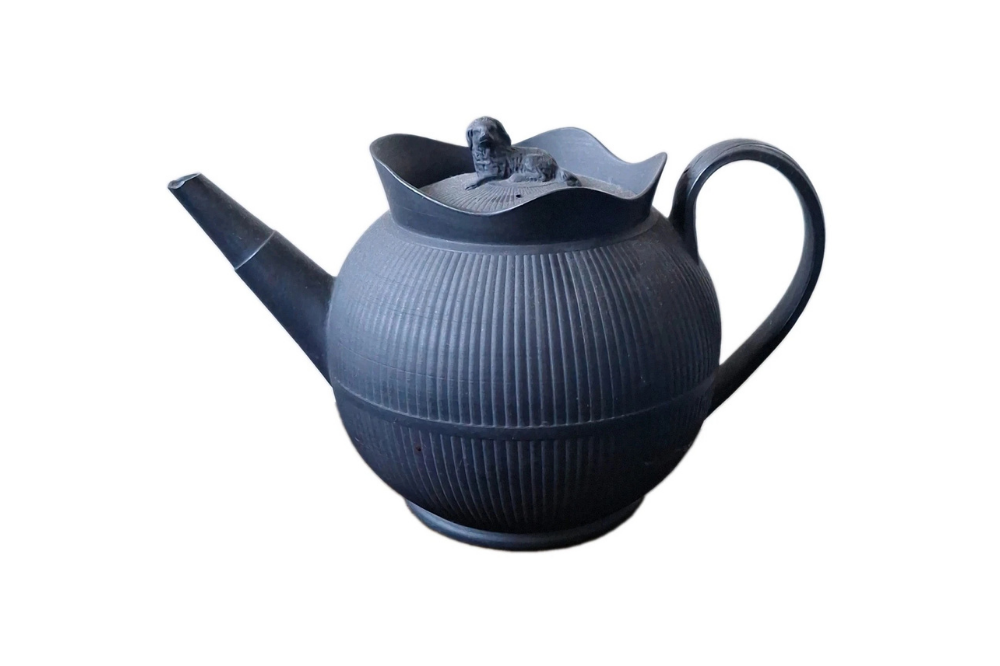
Black basalt is Wedgwood’s other signature stoneware, a dense unglazed black body that Josiah Wedgwood developed around 1768 and the company kept making well into the twentieth century. The engine turned teapots, with their fine machine cut geometric bands around the body, are the ones worth seeking out. A clean example from the late nineteenth or early twentieth century with no chips to the spout or finial typically brings $150 to $260, with crisper, earlier engine turning toward the top of that range.
Run your fingers around the spout tip and the lid’s finial first, since those are the two spots that chip from ordinary use and are easy to miss against matte black glaze under normal light. A wobble when the pot sits on a flat surface usually means the lid doesn’t quite match the base, which happens more often with black basalt than with painted china because the pieces look so similar to each other across different production years. Plain, undecorated basalt teapots without the engine turned pattern are far more common and bring considerably less, so the surface decoration is worth checking before you get your hopes up.
5. Kutani Crane bone china
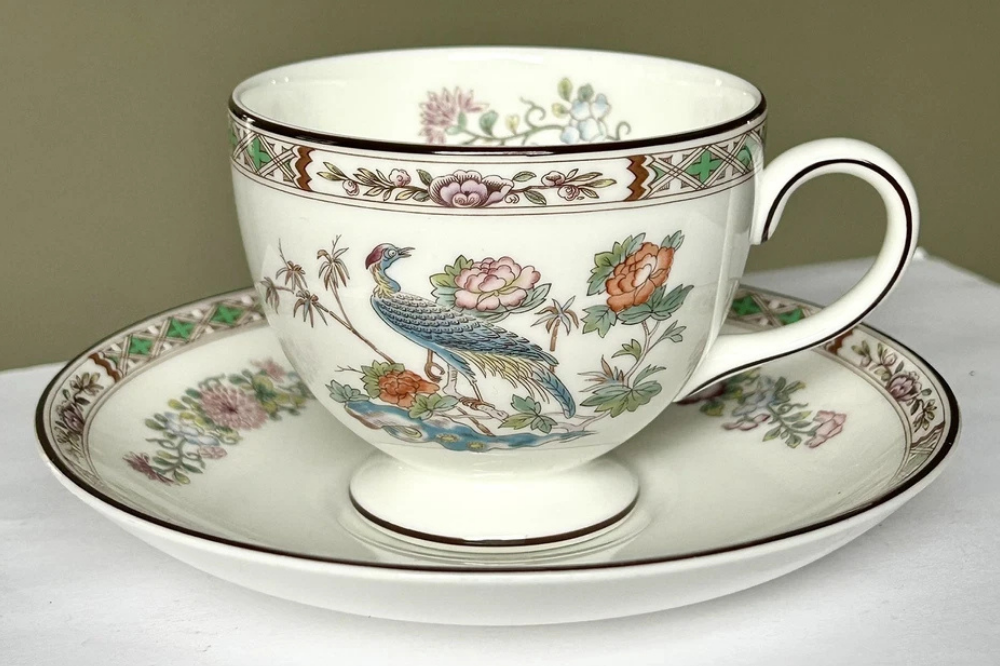
Kutani Crane is an English bone china pattern, made entirely at Wedgwood’s own factory and named for its two Japanese style cranes in bright enamel against a plain white ground, a look borrowed from the Japanese Kutani ceramic tradition rather than imported from it. A set of four cups and saucers in good condition typically sells for $20 to $45, while larger serving forms, a covered vegetable dish or a gravy boat with its stand, bring meaningfully more because fewer survive intact with lids and stands still matched.
The pattern was produced for decades, so completeness and gilding condition matter more than age. The hand applied gold trim wears fastest at the rim where cups touch saucers and where plates stack, and a piece with the gilding worn through to bare china sells for a fraction of one with crisp gold intact. Because the pattern is still fairly easy to find, don’t expect a big premium for an individual piece. The money is in building out a full service, since buyers actively hunting to complete one will pay more per piece than the going rate for odd pieces sold alone.
6. Wild Strawberry bone china teapot
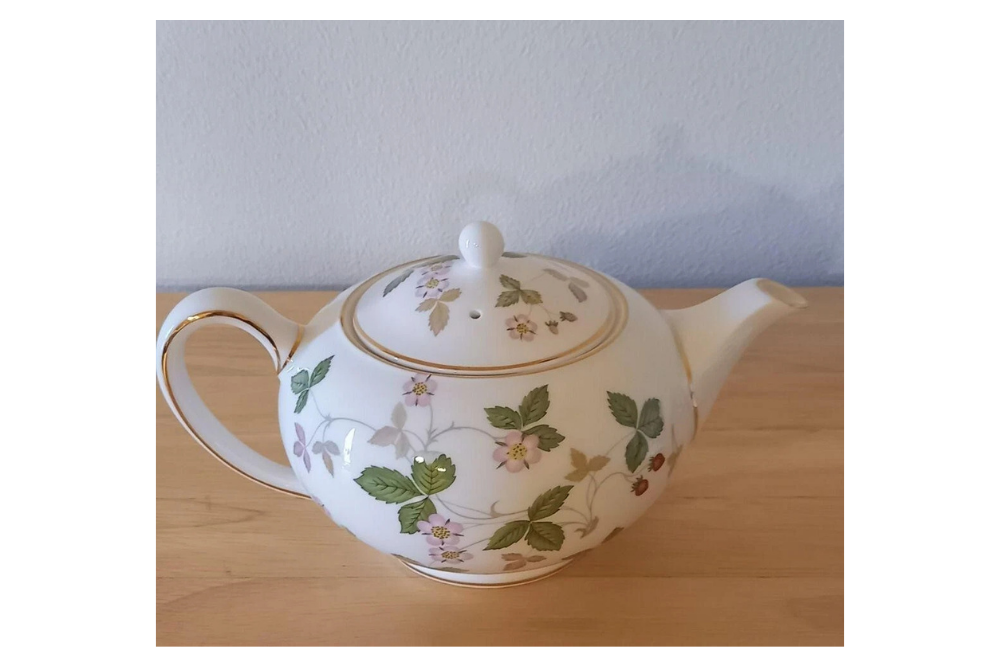
Wild Strawberry is Wedgwood’s best known bone china pattern by volume sold, a scattering of hand painted strawberries and leaves under a gold rim that the company has kept in production since the 1950s. Because it was a wedding registry staple for generations, most individual pieces, a cup and saucer or a side plate, are worth very little on their own, often under $15. A full size teapot is the exception: a clean example with no chips to the spout or handle typically brings around $100 to $150.
Check the gold rim closely under good light, since it’s the first thing to wear and the first thing buyers look for. A rim worn down to a dull line all the way around cuts the price noticeably, even if the rest of the piece looks perfect. The pattern has stayed in production so long that dating a piece by its backstamp alone is unreliable. What actually moves the price is completeness and whether the piece is a less common form, a teapot, a covered butter dish, a cake stand, rather than the everyday cups and plates that show up constantly at estate sales.
7. Susie Cooper for Wedgwood tea or coffee set
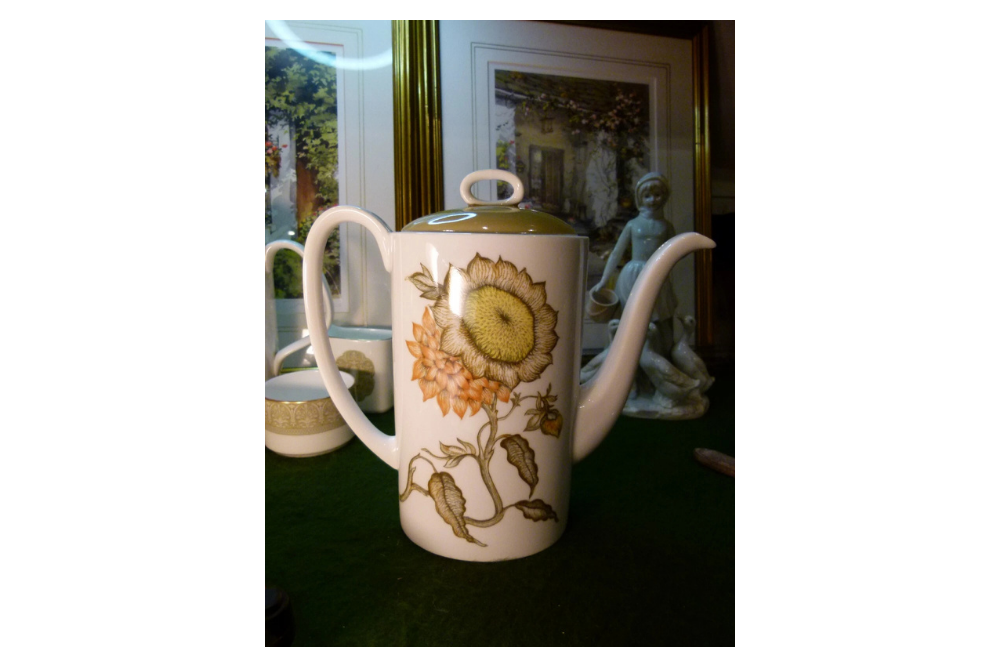
Susie Cooper was one of Britain’s most respected twentieth century ceramic designers, and her company merged into the Wedgwood group in 1966, after which her patterns, Corn Poppy, Keystone, and the mid-century Sunflower design among them, carried the Wedgwood backstamp. A matching coffee or tea set of a dozen or more pieces in good condition typically brings $50 to $200, with complete services that include a teapot, sugar, and creamer toward the higher end.
Her designs are collected for the clean, modern shapes as much as the printed patterns, so check the handles and spouts carefully. Cooper’s coffee pots used distinctive angular or faceted shapes that chip at the corners more easily than a rounded traditional pot. A set with mismatched pieces from different Cooper era patterns is worth less than a genuinely matched service, even when every individual piece is in nice shape. Her earlier, pre-Wedgwood work made under her own company name is a separate and generally more valuable category, so a Wedgwood backstamp specifically points to 1966 or later production.
8. Columbia pattern dinnerware
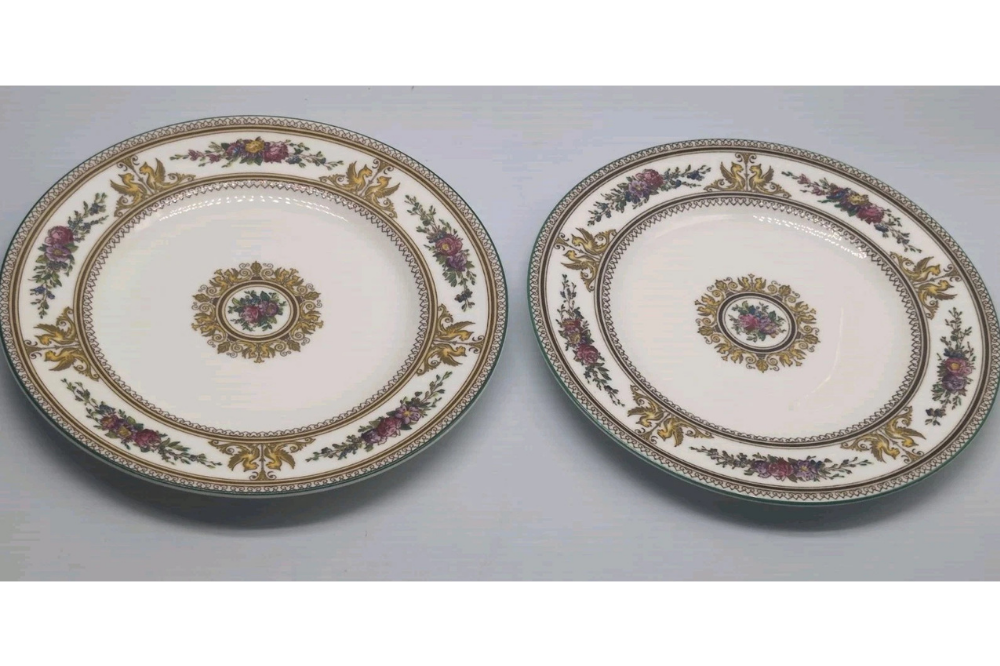
Columbia takes its name from the female personification of the United States that was common in nineteenth century American iconography, and Wedgwood developed the pattern, with its griffin and floral border, specifically for sale in North America rather than at home in Britain. Individual dinner plates in clean condition typically bring $15 to $25 each, while larger serving pieces, a sugar bowl, a gravy boat, or a large oval platter, sell for considerably more, with platters in particular often bringing $100 or more depending on size and colorway.
Wedgwood made Columbia in several color and gilt combinations over the decades, including a plain white and green edition and a more elaborate blue and gold version, and the gilt versions generally sell for more than the plain ones piece for piece. Check the backstamp for the specific pattern number, since it tells you which colorway and production run you have, which matters when you’re trying to match pieces to build out a full set. A complete service for eight or twelve, with serving pieces intact, is worth meaningfully more than the sum of its individual plates sold separately.
9. Jasperware cameo jewelry
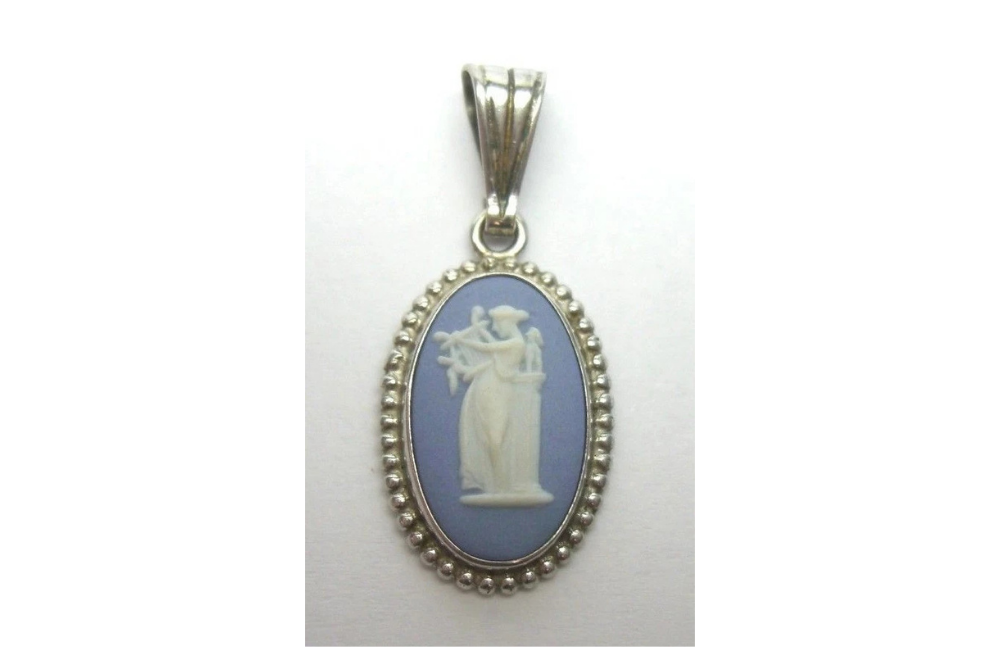
Wedgwood has mounted its jasperware cameos, the same white classical reliefs used on trinket boxes and vases, into brooches, pendants, and cufflinks since the Victorian era, and the jewelry turns up constantly in old jewelry boxes because it was a popular gift for generations. A simple cameo on a sterling silver pin or pendant chain typically sells for $100 to $200, while the same cameo set into solid 14 or 10 karat gold, rather than gold plated silver, can bring $500 to $2,000 or more depending on the gold weight and the cameo’s age.
The metal mount is what separates the inexpensive pieces from the valuable ones, so check the back for a hallmark. Sterling silver carries its own stamp, and gold is marked with a karat number like 14K, while a piece with no metal mark at all is usually a cheaper base metal setting worth a fraction of either. The jasperware itself survives well since it’s unglazed stoneware rather than fragile glass or enamel, so condition issues are less about chips and more about whether the mount’s pin or clasp still works properly.
10. Napoleon Ivy pattern
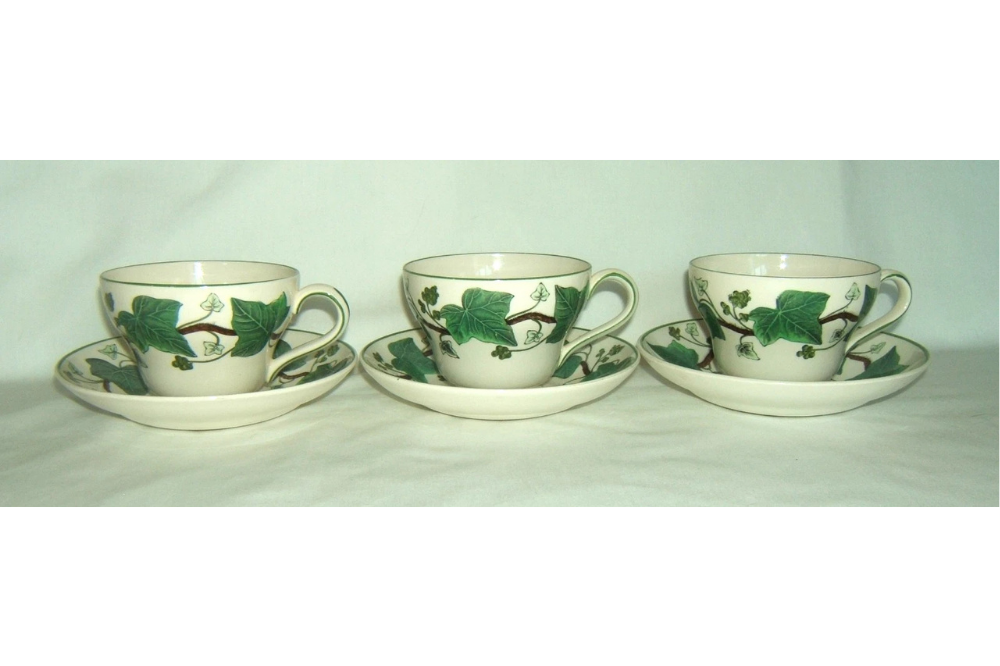
Napoleon Ivy gets its name from an actual historical connection. Wedgwood created the pattern, a trailing green ivy vine on plain cream earthenware, around 1800, and it was the china Napoleon Bonaparte used during his exile on the island of Saint Helena after his defeat at Waterloo in 1815. Wedgwood reissued the pattern in 1965 to mark the battle’s 150th anniversary, and that reissue is what most people actually find today. Individual pieces, a salad plate or a cereal bowl, in good condition typically bring $60 to $200 depending on the specific form.
Serving pieces and anything with a lid, a soup tureen, a covered vegetable dish, bring noticeably more than the everyday plates and bowls, since fewer of those forms were made relative to place settings. Check the ivy border closely for fading or rubbing, which happens more on pieces that saw regular use than on good condition 1965 reissues that were bought as collectibles and barely used. The pattern was discontinued in 2003, so supply is fixed and won’t grow, but it’s common enough that condition and completeness, not scarcity alone, drive what any single piece is worth.
11. Majolica strawberry or leaf plate
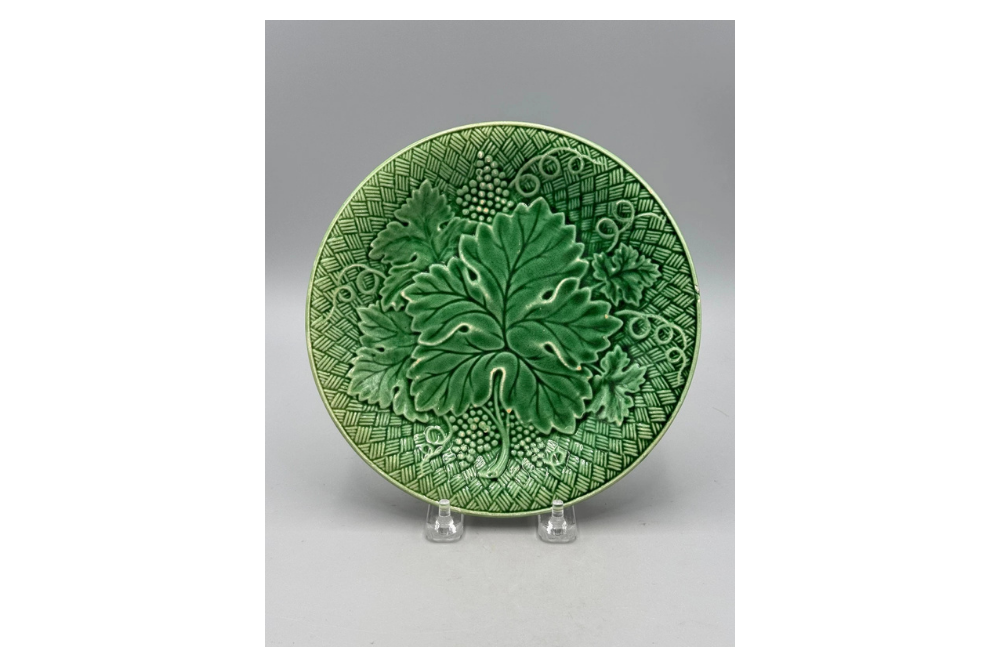
Wedgwood’s Victorian majolica, the thick, brightly colored lead glazed earthenware made from the 1860s through the early 1900s, shows up most often as plates molded into the shape of leaves, baskets, or vines with strawberries and grapes worked into the design. A single plate in good condition, with strong color and no chips to the raised edges, typically brings $75 to $200, with the price climbing toward the top of that range for sharper molding and richer, less faded glaze color.
The glaze is the whole appeal, so inspect it in good light for the fine crazing that’s common and generally acceptable on majolica this old, versus actual glaze loss or chipping along the raised leaf edges, which is not. A set of six or eight matching plates is genuinely hard to find complete and sells for considerably more than the same number of plates bought separately. Reproduction majolica in similar leaf and strawberry designs exists from the twentieth century onward, so check for the impressed “WEDGWOOD” mark, since unmarked pieces or ones marked only “Majolica” are not Wedgwood and are worth far less.
12. Drabware teapot
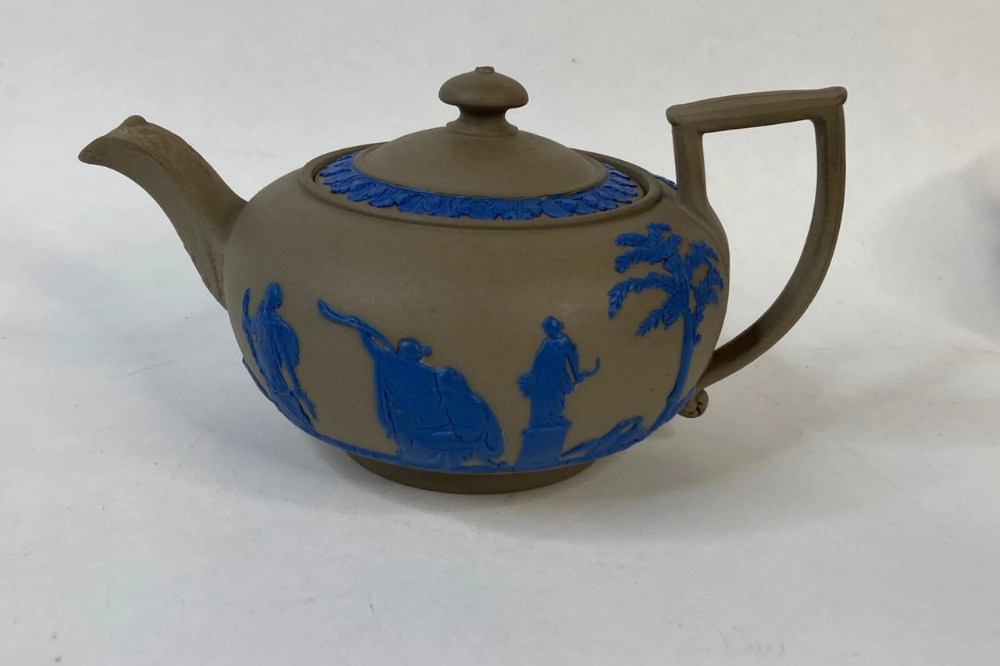
Drabware is one of Wedgwood’s lesser known stoneware bodies, a muted olive tan clay that the company put into regular production for tea and coffee sets starting around 1810, usually decorated with a contrasting band of blue or white relief. It’s scarcer than Jasperware or black basalt simply because it was made for a shorter window and in smaller quantities, which is why a clean teapot from the 1820s or 1830s with its lid intact typically brings $175 to $250.
Drab stoneware shows wear differently than glazed china does, so look for thinning or flattening in the molded relief rather than surface scratches, since the body itself is unglazed and quite hard. A small chip to the spout tip or finial is common on pieces this old and doesn’t collapse the value the way it would on a modern piece, but a crack running through the body does. Drabware is often mistaken for plain stoneware or mislabeled by sellers who don’t recognize it, so a correctly identified piece with a clear Wedgwood impressed mark is worth more to a knowledgeable buyer than the same piece sold as generic antique pottery.
13. Jasperware cheese dome
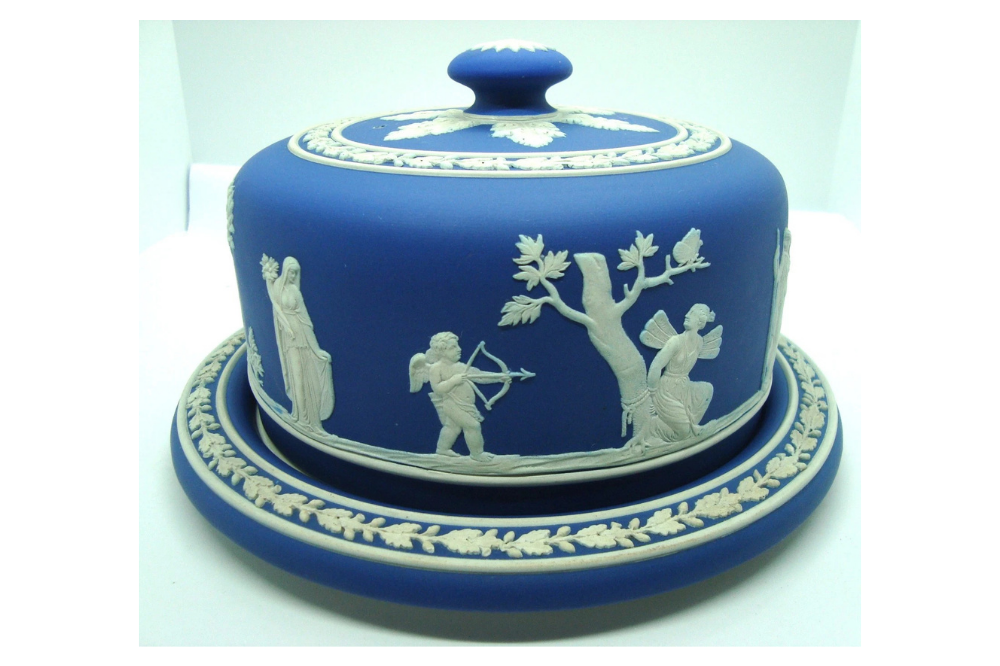
A full size cheese dome, a domed cover paired with a flat base plate large enough to hold most of a wheel of cheese, is one of the more impressive Jasperware forms Wedgwood made, usually in the familiar blue dip with a continuous white relief scene running around the dome. A complete matched set from the late Victorian or Edwardian era, with no chips to the base’s rim or the dome’s finial, typically brings $200 to $450, well above what a trinket box or small dish in the same material would fetch.
Size and completeness drive the price here more than almost any other Jasperware form. A dome without its matching base, or a base without its dome, is worth a fraction of a complete set, since the two pieces were made and numbered together and don’t mix and match across different production runs. Check the inside rim of the dome where it meets the base for chips, which are common since the piece was handled daily in a working kitchen, and look at the finial on top, which snaps off easily if the dome was ever lifted by it rather than by the body.
14. Runnymede dark blue bone china
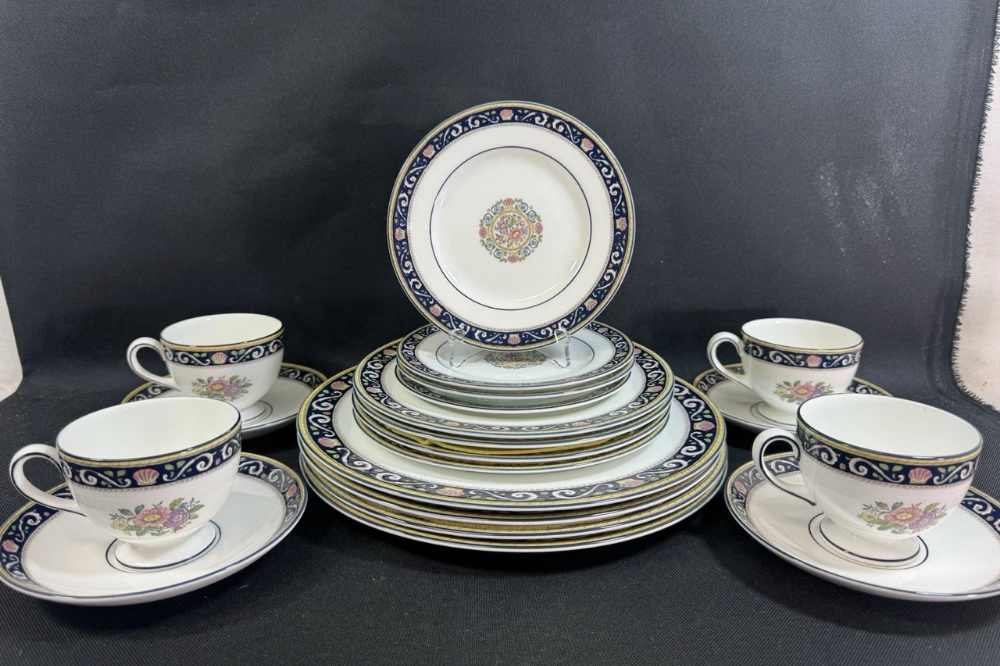
Runnymede takes its name from the English meadow where King John sealed the Magna Carta, and Wedgwood introduced the pattern in 1964 with a dark blue band, pink shell motifs, and gold trim running around plain white bone china. Individual pieces in good condition, a dinner plate or a cup and saucer, typically bring $15 to $45, modest money on their own since the pattern was produced in volume for decades.
The pattern earns real money only as a complete service. A full matched set for eight or more, with serving pieces like a gravy boat, covered vegetable dishes, and a sugar bowl all present and undamaged, has been valued at close to $2,000 as a group, many times what the individual pieces would add up to sold separately. Because the pattern ran so long, matching production dates matters less than simply confirming every piece carries the same gold trim and hasn’t faded unevenly, which happens when a set was displayed in direct sunlight for years.
15. Florentine turquoise dinnerware
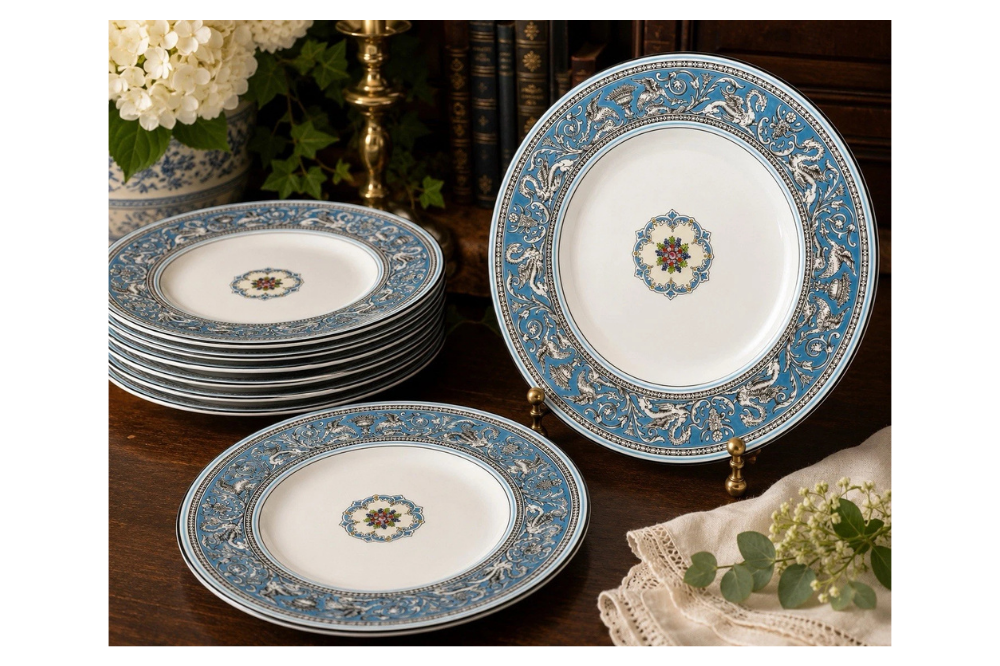
Florentine turquoise, with its griffins and baroque scrollwork border in a distinctive turquoise blue, has been in Wedgwood’s catalog since 1935 and is still made today, which keeps individual pieces affordable. A dinner plate or side plate in clean condition typically sells for $20 to $60, while a teapot or covered serving dish brings closer to $75 to $150.
Complete sets are where the real value shows up, and it climbs fast with size. A large matched dinner and tea service running into the fifty or sixty piece range has brought well over $1,000, with the biggest, most complete services reaching several thousand dollars. Check the turquoise ground for fading, which happens with repeated dishwasher use and shows up as a slightly chalky, uneven color rather than the deep, glossy blue of a well cared for piece. A set with heavy wear to the gold or platinum rim trim across most of its pieces is worth meaningfully less than one that was used carefully or displayed rather than run through a dishwasher for years.
16. Keith Murray Art Deco vase
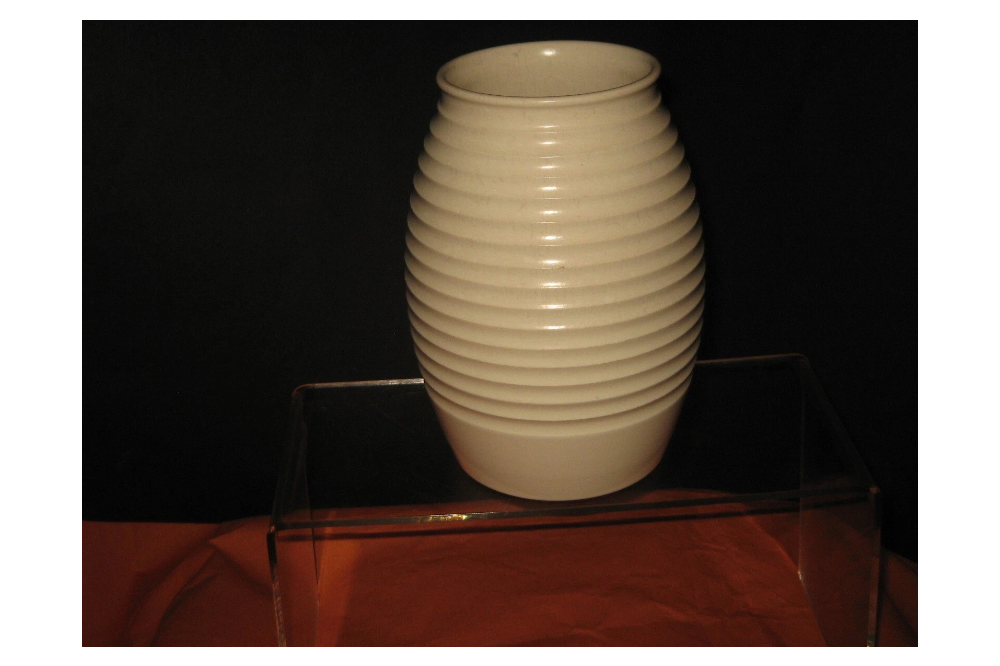
Keith Murray was an architect by training who designed a line of strikingly plain, ridged Art Deco vases, bowls, and lamp bases for Wedgwood through the 1930s, finished in matte glazes with names like Moonstone, a soft off white, alongside more colorful options in green, straw, and grey. A clean vase in the 13 to 16 centimeter range, signed with his “KM” monogram alongside the Wedgwood mark, typically brings $120 to $350, with taller forms and less common glaze colors toward the top of that range.
The matte glaze shows handling wear more visibly than a glossy finish would, so look for a dull patch or faint ring where the vase sat on a table for years, versus genuine damage like a chip or crack. Murray’s pieces are prized specifically for their plain, architectural lines rather than for decoration, so a vase with the ribbing crisp and undamaged is worth considerably more than one where the edges have softened from years of dusting and handling. Reproduction Moonstone glazed pieces exist without his monogram, so the KM mark is what confirms you actually have a Murray design rather than a generic Wedgwood vase in a similar glaze.
17. Jasperware portrait medallion
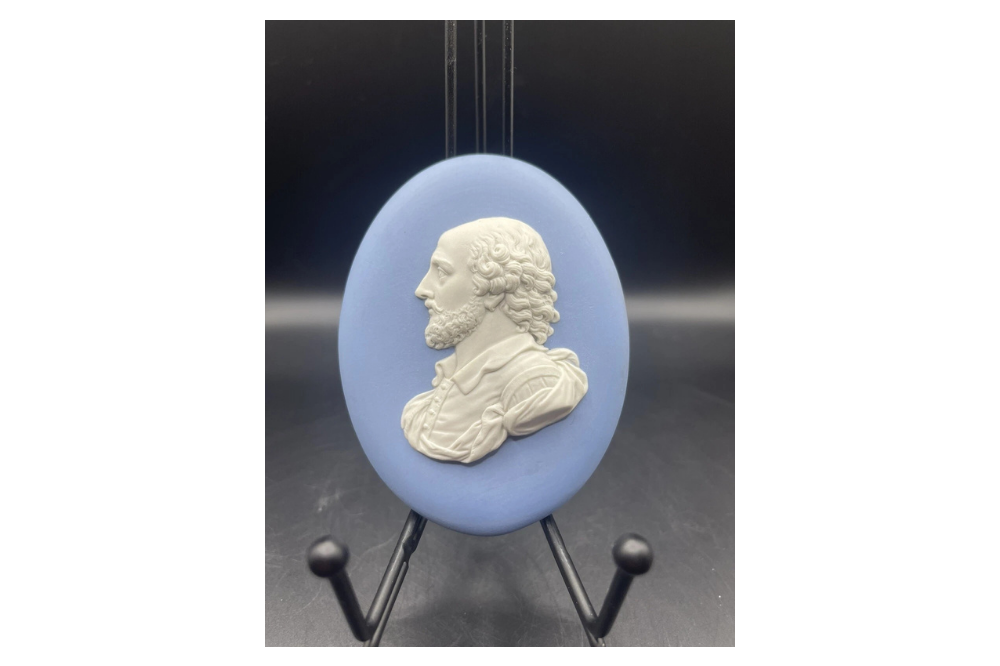
Wedgwood has made small oval portrait medallions, a white relief profile of a historical or classical figure set against a colored jasper ground, since the 1770s, originally as affordable cabinet pieces for collectors who couldn’t buy an actual portrait bust. A common nineteenth or twentieth century medallion of a generic classical or mythological figure typically sells for $20 to $90, while an early medallion depicting a specific, named historical figure, an admiral, a philosopher, a statesman, can bring $300 to $600 or more depending on age and how well documented the sitter is.
The sitter is everything here, so it’s worth researching who’s actually depicted before assuming a medallion is run of the mill. A medallion still in its original gilt frame is worth more than a loose one, and the frame itself can be a clue to age, since Victorian frames differ noticeably from the simpler mounts used on later reproductions. Check the jasper ground color too. Tricolor jasper, with two contrasting relief colors over a third background shade, commands a real premium over the standard two color blue and white that most medallions were made in.
18. Eric Ravilious coronation mug
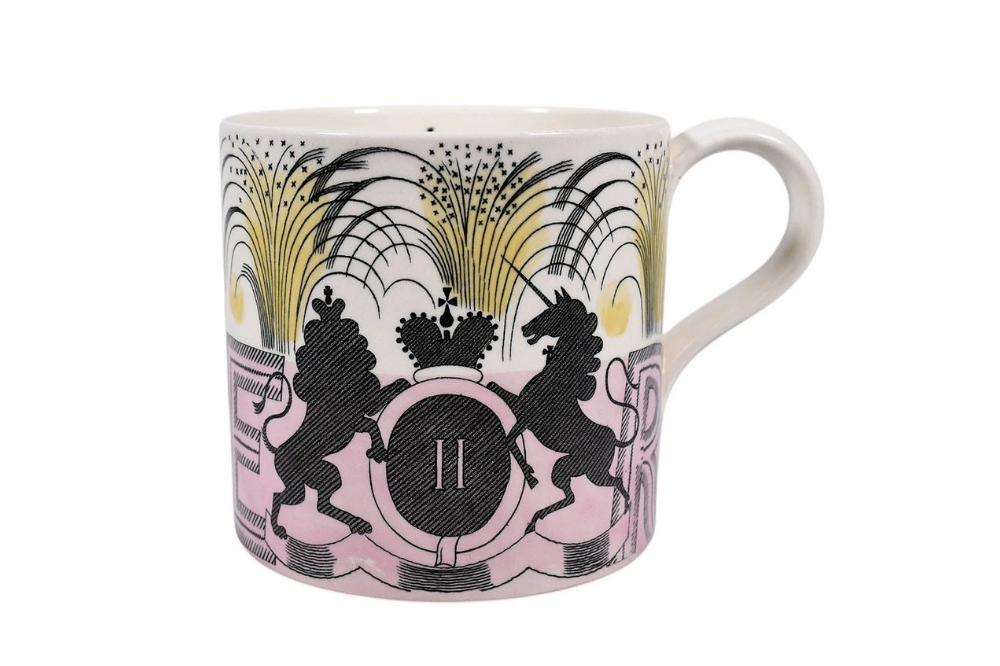
Eric Ravilious was a British artist who designed a series of commemorative mugs for Wedgwood in the 1930s, originally for King Edward VIII’s coronation, which was withdrawn after his abdication and reworked for King George VI and later for Queen Elizabeth II in 1953. The 1953 coronation version, with its distinctive geometric bands of color under the rim, is the one most likely to turn up at an estate sale, and a clean example with no chips typically brings $150 to $300.
Ravilious died in 1942, which means every mug bearing his design was produced after his death, so age alone doesn’t separate a valuable example from a common one the way it does with most ceramics. What matters is which coronation the mug commemorates and how clean the printed decoration is, since the colored bands were applied as a transfer print that can fade or scratch with handling. It’s worth checking any plain looking commemorative mug closely before assuming it’s an unremarkable souvenir, since Ravilious’s other Wedgwood work, including a set of alphabet and boat race designs, brings considerably more than the standard coronation pieces.
A chipped rim or a replaced lid can cut any of these values by more than half, so a careful look before you clean, repair, or sell one is worth the five minutes it takes.











