
You’re sitting in a waiting room staring down a dental bill you can’t pay, or a hearing aid quote that costs more than your car payment, wondering what else your Medicaid card has been quietly covering this whole time without anyone mentioning it.
Most people enrolled in Medicaid use only a fraction of what the program actually pays for. Every state decides which optional benefits to add on top of the federal minimum, so coverage can look completely different one county over. Nobody mails you a brochure explaining the full list, and a caseworker juggling hundreds of files rarely has time to walk you through every benefit buried in the fine print.
The one almost everyone has used without realizing it counts as a benefit is rides to the doctor. Medicaid has been required to get beneficiaries to their medical appointments since the program began in 1966.
Free rides to your medical appointments

Non-emergency medical transportation covers taxis, wheelchair vans, public transit, and mileage reimbursement if you or a friend drives you to a covered appointment, whether that’s a primary care visit, a dialysis session, a dental cleaning, or a mental health appointment. It’s one of the only Medicaid benefits that’s been mandatory in every state since the program’s earliest days, and it still accounts for an estimated $3 billion a year, less than one percent of total Medicaid spending nationwide.
That small price tag matters because the need behind it is real. An estimated 3.6 million Medicaid beneficiaries don’t make it to care at all some years because of transportation problems, often people managing chronic conditions who need to show up regularly just to stay out of the hospital.
To use it, call your state Medicaid office or your managed care plan’s member services line and ask about scheduling a ride. Most states want a few days’ notice for a routine appointment, though some offer same-day rides for urgent needs. You don’t need a doctor’s note to request one, just a covered appointment and no other way to get there.
Help at home, not just a nursing facility

Medicaid is the country’s largest payer of long-term care, and a big share of that spending goes to home and community-based services rather than nursing homes. About 4.5 million people receive Medicaid-covered home care every year, including personal care aides who help with bathing, dressing, and meal prep, homemaker services, adult day programs, and respite care so a family caregiver can take a break.
Every state offers some version of this, usually through a federal waiver or as a state plan benefit, and many states run several programs at once targeting different groups: older adults, people with physical disabilities, people with intellectual or developmental disabilities. The exact services and income limits depend on which program you qualify for, and some states keep waiting lists for the more generous waiver programs.
If you or a family member needs daily help with things like eating, bathing, or managing medication, this is worth asking about even if a nursing home placement was the only option anyone’s mentioned so far. Call your state Medicaid agency and ask specifically about home and community-based services, since staying in your own home usually isn’t the option offered by default.
Dental care that goes beyond a single emergency extraction
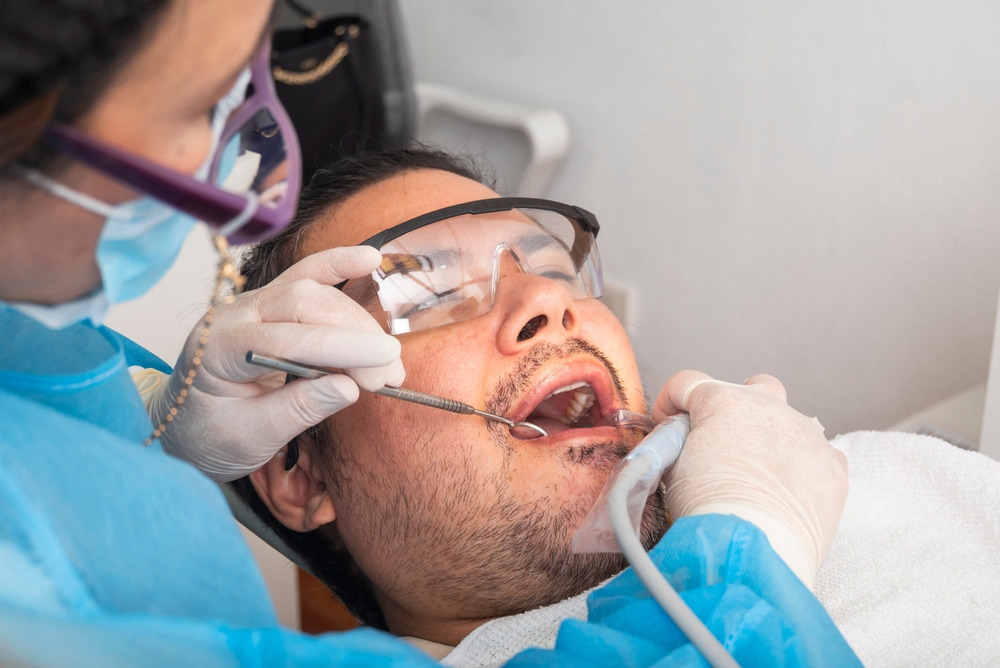
Federal law only guarantees dental coverage for Medicaid enrollees under 21. For adults, it’s entirely up to each state, and coverage swings wildly depending on where you live. As of the end of 2024, just 11 states and Washington, D.C. met the criteria for an extensive adult dental benefit: Alaska, Iowa, Maine, Minnesota, Montana, Nebraska, New Jersey, Oregon, Tennessee, West Virginia, and Wisconsin, alongside D.C. That tier covers exams, cleanings, fillings, crowns, root canals, and dentures, with no skimpy annual dollar cap attached.
Even states outside that top tier have been loosening their limits. In 2024, 35 states placed no annual dollar limit on dental spending per member, up from 32 just four years earlier, and Georgia and Kansas both added coverage for cleanings and fluoride treatments that year.
What you actually have depends entirely on where you live, and it changes from year to year as state budgets shift. Don’t assume your state covers nothing just because a friend in another state got turned down for a crown. Call your state Medicaid dental line or check your managed care plan’s handbook before you assume a procedure isn’t covered.
Eye exams and glasses
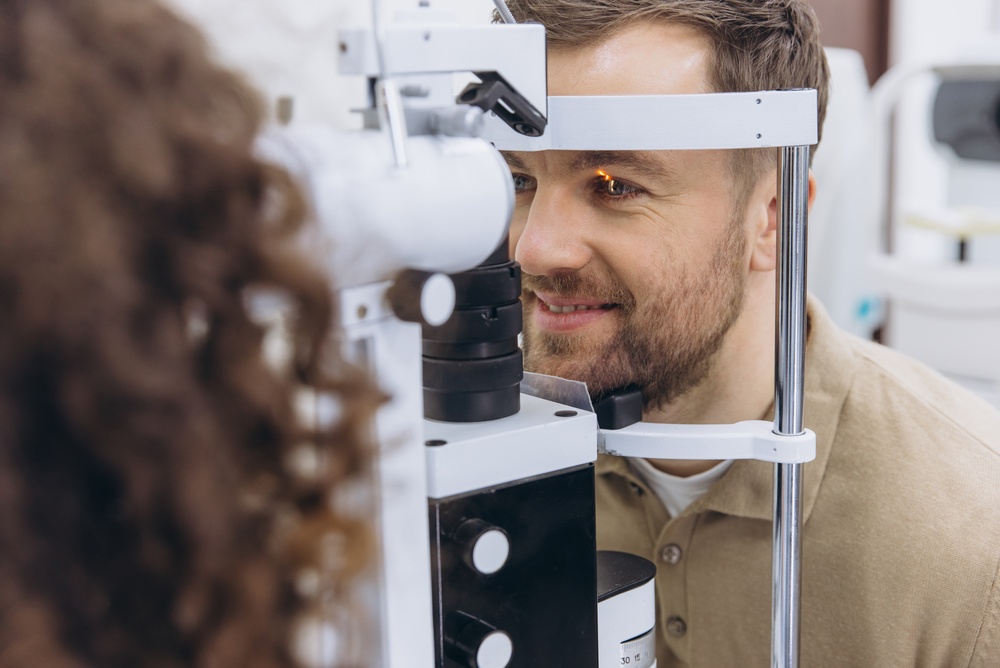
Adult vision coverage works the same way dental does. Medicaid has to cover it for kids, but states decide for adults, and the result is a patchwork. A study of state policies found that 6.5 million Medicaid enrollees lived in states without coverage for routine adult eye exams, and 14.6 million lived in states that didn’t cover eyeglasses at all.
In 20 states, fee-for-service Medicaid simply doesn’t pay for glasses, and in 12 of those states it doesn’t cover the eye exam either. Seven states, Arizona, Idaho, New Mexico, Oklahoma, Tennessee, West Virginia, and Wyoming, offered no coverage for exams or glasses under either fee-for-service or managed care plans at the time of the study.
Here’s what’s worth checking before you assume the worst: coverage under a managed care plan can be more generous than the state’s fee-for-service rules, even within the same state. If you’re enrolled in a Medicaid managed care plan, call and ask about vision benefits directly rather than going by what you’ve heard about your state’s baseline coverage. If your eyes are due for a checkup and you haven’t had one in a while, that’s worth a five-minute phone call before you pay out of pocket.
Hearing aids and hearing exams
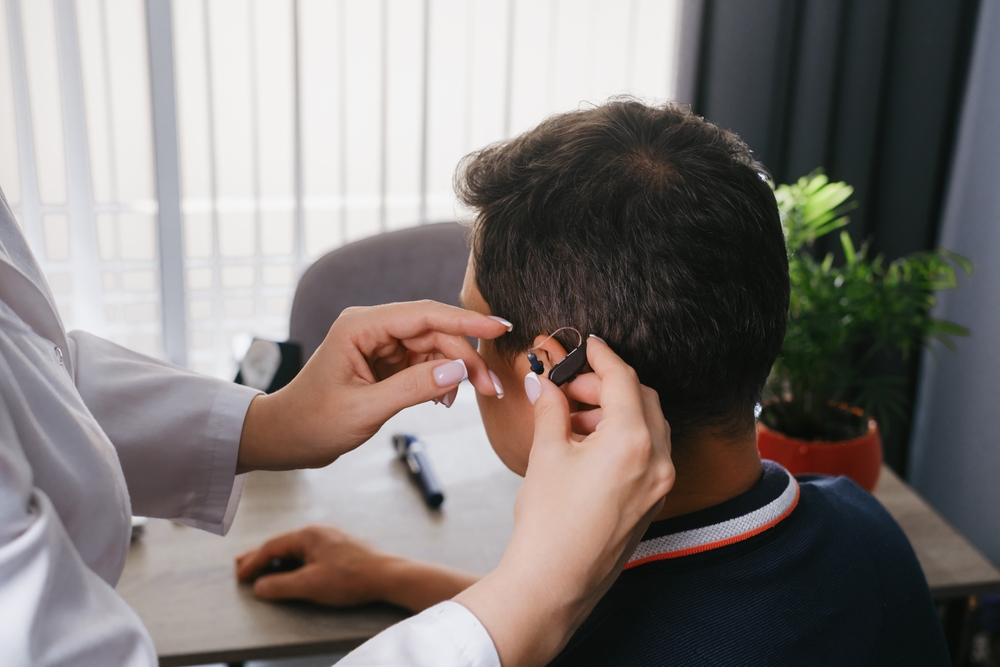
Hearing aids routinely cost thousands of dollars out of pocket, which is a big reason so many adults with hearing loss just go without. Coverage through Medicaid has been expanding. As of the end of 2023, 32 states offered Medicaid hearing aid coverage for adults, and roughly 70 percent of adult Medicaid beneficiaries lived in a state with some form of coverage.
The catch is that coverage varies a lot even within that count. Some states cover hearing aids only above a certain severity of hearing loss, some limit how often you can get a replacement pair, and some cover the device but not the fitting and follow-up visits that make it actually work for you. A handful of states still offer nothing at all for adults, even though every state has to cover hearing aids for anyone under 21.
If you’ve been putting off a hearing test because you assumed it wasn’t covered, call your plan and ask specifically about audiology benefits, not just general coverage. Ask about the exam, the device itself, and any fitting or follow-up visits separately, since a state can cover one and not the others.
Doula support during pregnancy and birth

Doulas provide hands-on physical and emotional support through pregnancy, labor, and the weeks after birth, and they’re associated with fewer preterm births and fewer cesarean deliveries. Coverage used to be rare. As of March 2026, 26 states and Washington, D.C. reimburse for doula care through Medicaid, up from just 12 states two years earlier.
At least 17 of those states cover doula visits for a full 12 months after delivery, not just the standard 60-day postpartum window. Payment for labor and delivery support alone ranges from $459 to $1,500 depending on the state, on top of separate payments for prenatal and postpartum visits in many places.
A doula isn’t the same as a midwife. A doula doesn’t deliver the baby or provide clinical care. They’re there for continuous support, informational guidance, and advocacy in the room. If you’re pregnant and on Medicaid, ask your OB or your managed care plan whether doula services are covered in your state, and ask for a list of Medicaid-enrolled doulas if they are. Coverage this new often doesn’t come up unless you ask about it directly.
Home-delivered meals built around your medical condition

If you’re managing diabetes, heart failure, or chronic kidney disease, what you eat affects how often you end up back in the hospital. A small but growing number of states now cover medically tailored meals, fully prepared food delivered to your home and designed by a registered dietitian around your specific condition, allergies, and even cultural food preferences. States currently offering this benefit include California, Delaware, Massachusetts, New York, North Carolina, Oklahoma, Oregon, Pennsylvania, and Washington.
The results have been striking enough to get attention well beyond the states already running programs. In Massachusetts, Medicaid enrollees who received medically tailored meals had 31 percent fewer hospitalizations and 20 percent fewer emergency department visits, and per-person health costs dropped by an average of about $3,433 while they were enrolled, enough to cover almost the entire cost of the meal program itself.
You can’t sign yourself up directly. A doctor, nurse, or physician assistant has to refer you, and your managed care plan has to sign off on the referral as medically appropriate. If you have a diet-related chronic condition and live in one of the states offering this, ask your provider at your next appointment whether a referral makes sense for you.
None of this shows up in a welcome packet. The only way to find out what your state’s Medicaid program actually covers is to call your plan’s member services line and ask about each benefit by name, since nobody is going to volunteer the full list on their own.











