
If you take Ozempic, Wegovy, or Rybelsus and you’re on Medicare, your prescription is about to get a lot cheaper. Starting January 1, 2027, the price Medicare pays for those drugs drops from $959 to $274 for a month’s supply, a 71% cut built into the second round of drug price negotiations under federal law.
Part D’s deductible is jumping by more than it ever has at the very same time those drug prices are falling, rising from $615 to $700. Medicare Advantage premiums are dropping too, your plan’s star rating just got recalculated under new rules, and the agents calling you this fall have more room to do it than they did last year.
Open enrollment for 2027 coverage runs from October 15 through December 7, 2026. Some of what follows is already locked into law. A couple of numbers, including the regular Part B premium almost everyone pays, won’t be official until CMS makes its usual November announcement.
Medicare’s second round of negotiated drug prices kicks in

Starting January 1, 2027, Medicare’s negotiated prices take effect for 15 more brand-name drugs, on top of the 10 that became effective in January 2026. The biggest one by sales is Ozempic, Rybelsus, and Wegovy, which drop from $959 to $274 for a month’s supply, a 71% cut. Xtandi, used for prostate cancer, falls from $13,480 to $7,004, a 48% cut. The other 13 drugs on the list treat conditions ranging from asthma and COPD to multiple myeloma and bipolar disorder, with discounts mostly between 40% and 85% off their 2024 list prices.
Across all 15 drugs, Medicare projects it will save $12 billion, a 44% cut from what it spent on these same drugs in 2024. That number reflects total program spending, not what any one person pays at the pharmacy. The actual benefit to your wallet depends on your plan’s formulary tier and where you land in Part D’s coverage phases, but the negotiated price is now the ceiling. Plans and pharmacies are required to make it available to everyone who qualifies, bringing the total number of Medicare-negotiated drugs to 25.
The Part D premium subsidy ends, but premiums aren’t spiking

For the past two years, Washington has been propping up standalone Part D drug plans with extra federal money through the Part D Premium Stabilization Demonstration. That subsidy disappears after 2026. CMS says insurers have had enough time operating under the Inflation Reduction Act’s redesigned drug benefit that they no longer need the support, so standalone prescription drug plans go back to setting prices under normal market conditions starting in 2027.
The number everyone expected to spike didn’t. CMS projects the average standalone Part D premium will rise by less than $1 a month, from $35.09 to $36. The national base beneficiary premium, the figure used to calculate each plan’s basic premium rather than what you actually pay, is set at $41.33 for 2027, up from $38.99. A provision in the same 2022 law caps how fast that base number can grow each year through 2029, which is a big part of why the subsidy’s end didn’t translate into sticker shock.
Medicare Advantage premiums are falling to their lowest point in years

If you’re in a Medicare Advantage plan, 2027 is shaping up to be a good year for your premium. CMS projects the weighted average MA premium, which includes plans with drug coverage and special needs plans, will fall from $14.37 to $12 a month, a drop of more than 16%. Plans that bundle in drug coverage are the bigger story. After rebates, the average Part D premium inside those plans is projected to drop 38%, from $11.32 to $7 a month.
CMS also says roughly eight in 10 Medicare Advantage enrollees will be able to keep their current plan at the same premium or lower in 2027, and supplemental extras like dental, vision, and hearing coverage are expected to hold steady rather than shrink. None of this means every plan gets cheaper. Averages hide a lot, and a plan that raised its premium last year could still do it again. It’s worth pulling up your plan’s actual 2027 numbers rather than assuming the national trend applies to you.
Part D’s deductible and out-of-pocket cap are jumping more than they ever have

Here’s the catch to all that savings elsewhere. The standard Part D deductible is rising from $615 to $700, a 13.8% increase, and the annual out-of-pocket cap is climbing from $2,100 to $2,400, up 14.3%. Both are the largest single-year jumps since the current cost-sharing structure took effect. CMS adjusts these numbers every year based on growth in prescription drug spending, and 2027’s growth rate came in higher than usual.
The cap is still the part of this worth remembering. Once your out-of-pocket drug spending hits $2,400, you pay nothing more for covered prescriptions for the rest of the year. And if hitting that number early in the year would wreck your budget, the Medicare Prescription Payment Plan lets you spread your out-of-pocket costs into monthly installments across the calendar year instead of paying it all at the pharmacy counter. It doesn’t lower what you owe, but it changes when you owe it, which matters if your income arrives in a fixed monthly check.
Medicare Advantage and Part D star ratings just got rewired

CMS finalized a significant overhaul of the star rating system that decides how Medicare Advantage and Part D plans get graded, and some of it works in the plans’ favor. The agency is removing 11 of the measures it previously used to calculate ratings, mostly ones tied to administrative paperwork rather than patient outcomes, and it scrapped a planned reward factor called the Health Equity Index before it ever took effect, keeping the older, simpler reward formula instead.
CMS is also adding a new measure for depression screening and follow-up care starting with the 2027 measurement year. Taken together, these changes are expected to push average star ratings higher for a lot of plans once they show up in the 2029 ratings cycle, not because care actually improved but because the scorecard changed. If you pick a plan partly on its star rating, that number is measuring something slightly different than it was before, and a five-star plan in 2029 isn’t automatically providing the same care as a five-star plan today.
Telehealth coverage is secure for the entire year

This one’s good news, and it almost didn’t happen. Medicare’s telehealth flexibilities, the rules that let you see a doctor by video or phone from home instead of driving to a clinic, have lapsed and been patched back together by Congress several times since 2023. In February 2026, lawmakers folded a two-year extension into a government funding bill, and those flexibilities now run through December 31, 2027.
In practical terms, that means you can keep getting telehealth visits from home regardless of where you live, audio-only calls still count as a covered visit, and a wide range of providers, not just specialists at hospitals, can bill Medicare for seeing you remotely. The mental health telehealth rules are covered too. You still don’t need an in-person visit before starting virtual therapy or psychiatric care. None of this is permanent. Congress tied it to the next funding deadline again, so it’s worth watching what happens toward the end of 2027.
Weight-loss drug coverage holds steady, but the bigger expansion got pushed back
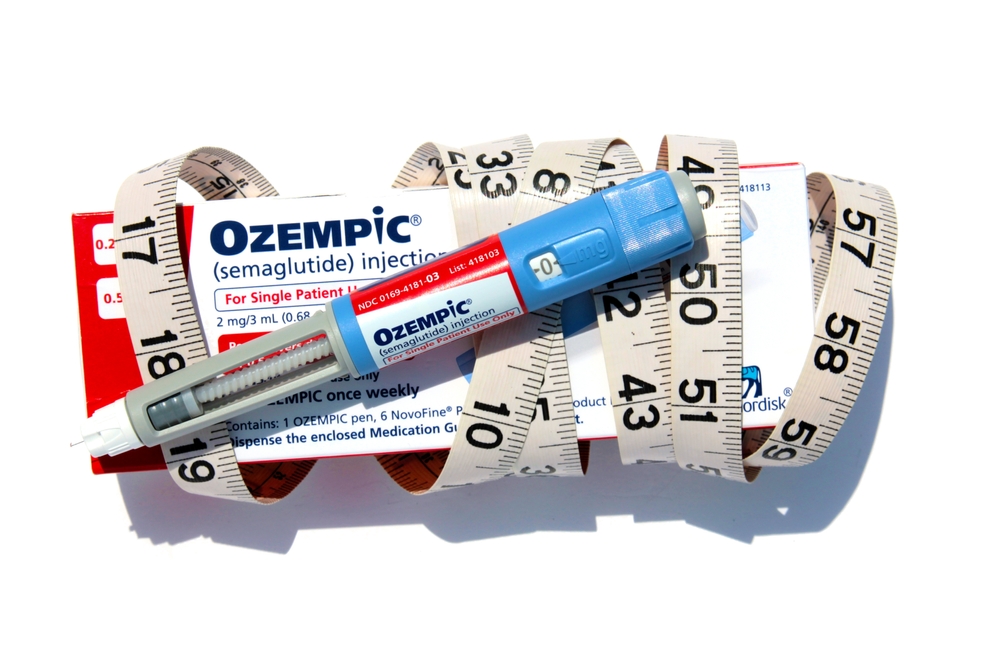
If you’re using a GLP-1 drug like Wegovy or Zepbound for weight loss rather than diabetes, Medicare’s temporary bridge program keeping your copay low is sticking around. The Medicare GLP-1 Bridge caps your copay at a flat $50 a month regardless of dose, and it now runs through December 31, 2027 instead of ending this December as originally planned.
The reason it got extended is that the bigger plan behind it stalled. CMS had intended to launch a broader model called BALANCE on January 1, 2027, which would have let individual Part D plans choose to cover GLP-1s for weight loss as a standard benefit. Not enough insurers signed on, so CMS delayed that rollout indefinitely and kept the bridge program running in its place. One wrinkle worth knowing: the Extra Help low-income subsidy doesn’t apply to the bridge program’s $50 copay, so it isn’t actually free for beneficiaries who normally pay very little for their prescriptions.
Agents and brokers have more room to pitch you this fall

A few years ago, CMS tightened the rules around how insurance agents and brokers could contact people about Medicare Advantage plans, after complaints about aggressive, repeated sales calls during open enrollment. The same final rule that overhauled star ratings also rolled back restrictions on the timing and manner of those conversations, as part of a broader deregulation push.
What that means in practice: expect more calls, texts, and mailers pushing Medicare Advantage plans this open enrollment season than you got last year. None of this changes your right to say no, hang up, or ask a broker to stop contacting you, and it doesn’t change the fact that a broker gets paid by the insurer, not by you, which can shape what they recommend. Licensed agents still have to follow disclosure rules when they do reach you, including identifying which plans they represent, so the deregulation loosens when and how often they can call, not what they’re required to tell you once they do. If you’d rather compare plans without the sales pressure, Medicare.gov’s plan finder and the 1-800-MEDICARE line work the same as always and don’t push you toward any particular company.
Your Part B premium and deductible are still anyone’s guess

Everything in this article so far is locked in. The regular Part B premium, the one deducted from most people’s Social Security checks every month, is not. CMS typically announces the official Part B premium, deductible, and income-related surcharge brackets in November, and as of this writing, that announcement hasn’t happened yet.
The best available estimate comes from the 2026 Medicare Trustees Report, which projects the standard Part B premium will rise from $202.90 to about $209.50 a month, a 3.25% increase, with the annual deductible climbing from $283 to roughly $292. Those are actuarial projections built on the same assumptions used to forecast the health of the Medicare trust funds, not a finalized number from CMS itself. Last year’s trustees report overshot the actual premium by several dollars, so treat $209.50 as a reasonable planning figure, not the number you’ll see on your Social Security statement come January.
Medicare’s plan finder gets a few new tools, and plenty of competition

Open enrollment for 2027 coverage runs from October 15 through December 7, 2026. CMS says access to plan choice stays wide. More than 99% of beneficiaries will have at least one Medicare Advantage plan available, and 97% will have 10 or more to choose from. The agency also added a few things to Medicare.gov and the Plan Finder this year, including more secure sign-in through Login.gov, ID.me, or CLEAR, and a feature that lets you save your doctors so you can compare which plans keep them in network.
You can also jump straight from a plan’s listing to its formulary and Summary of Benefits documents instead of hunting for them separately, and the site now flags more clearly when your current plan is changing for 2027. None of this fixes the actual complexity of comparing drug formularies or provider networks against a dozen plan options. It just makes the comparison slightly less tedious. If your plan auto-renews and you don’t log in during this window, you’ll keep whatever changes it made for 2027, whether or not those changes work for you.
Most of what changes in 2027 will show up quietly, in a monthly bill or a plan document, rather than in a headline. The seven weeks between October 15 and December 7 are the only real chance to do anything about it before those changes take effect.











