
You get maybe ten minutes between unloading the dishwasher and logging back into work email, and that is not enough time to build a budget or read up on index funds. It is enough time to turn on your full 401(k) match, and roughly one in five workers earning $150,000 or more still isn’t doing that. Lower down the income scale, the share missing out is much higher.
Nobody has the bandwidth to overhaul their entire financial life in a weekend, and most people don’t need to. The 18 things below take anywhere from thirty seconds to about twenty minutes each, and none of them ask you to stop buying coffee or move to a cheaper apartment.
Do even a handful of them and the savings add up fast.
Get the entire 401(k) or 403(b) match your employer offers

Most employer retirement plans match a percentage of what you put in, dollar for dollar or fifty cents on the dollar, up to a cap. If you’re not contributing enough to hit that cap, you are turning down part of your paycheck. Vanguard’s research group found that even among workers earning $150,000 or more, about one in five still don’t save enough to capture their full match, and the rate climbs sharply the lower the income bracket goes. Across the country, employers put roughly $250 billion a year into workers’ retirement accounts, mostly as matching contributions, and a meaningful slice of that sits unclaimed simply because people never checked.
Log into your retirement plan portal or ask HR what percentage of your salary gets you the full match. If you’re contributing less than that number, bump your deferral rate up to it. This is a five-minute fix on a benefits website, and it’s the closest thing to free money most paychecks will ever offer. If cash is genuinely tight and you can’t hit the full match yet, contribute whatever you can manage and raise it the next time you get a raise.
Turn on automatic contribution increases

A lot of retirement plans have a feature called automatic escalation, which quietly raises your contribution rate by a percentage point or two every year, usually timed to your raise. You set it once and then never have to remember to do it again, which matters because most people don’t go back and manually increase their savings rate on their own.
More than half of employers with retirement plans now automatically enroll new hires, and built-in rate increases are becoming a standard feature of those plans rather than an opt-in extra. If your plan offers it, turn it on and set the annual bump to 1 percent. You likely won’t notice the difference in your paycheck, since it usually lines up with your yearly raise, but you will notice it in your account balance a decade from now. If your plan doesn’t have this feature, set yourself a calendar reminder to raise your contribution by 1 percent every year on your own, ideally right after a raise lands, before you get used to spending it.
Move your emergency fund into a high-yield savings account

If your savings account is sitting at the same big bank you’ve used since college, it is probably earning next to nothing. The national average savings rate was 0.37 percent as of the most recent FDIC data, while the top high-yield accounts available right now pay up to roughly 5 percent APY. On a $10,000 emergency fund, that difference comes out to about $37 a year at the national average versus close to $500 a year at the top rate.
Moving your money doesn’t mean closing your old checking account or changing your direct deposit. Open a high-yield savings account online, which usually takes about ten minutes and no in-person visit, and set up a one-time transfer from your old account. Most online banks are FDIC-insured up to $250,000, so you’re not trading safety for a better rate. Leave your checking account where it is for bill paying and keep the high-yield account purely for savings you’re not touching month to month. Rates move with the Federal Reserve, so check back once or twice a year to make sure you’re still getting a competitive one.
Freeze your credit with all three bureaus

A credit freeze blocks lenders from pulling your credit report, which makes it much harder for someone to open a new account in your name. It has no effect on your credit score and doesn’t stop you from using the cards and loans you already have.
Federal law requires credit bureaus to place a freeze within one business day of your request, online or by phone, and free of charge. You have to contact Equifax, Experian, and TransUnion separately, since freezing one does not freeze the others. Each one takes about five minutes through the bureau’s own website. If you need to apply for a loan, a new phone plan, or an apartment later, you can lift the freeze temporarily in about the same amount of time, and the bureaus are required to do it within an hour of your request. There’s no real downside to leaving a freeze in place unless you expect to apply for new credit soon, and lifting it briefly when you do is simple enough that it’s not worth skipping this step in the meantime.
Check your credit reports every week, for free

Most people still think they’re only entitled to one free credit report a year, which used to be true but isn’t anymore. The pandemic-era policy that let consumers pull reports weekly from all three bureaus was made permanent in 2023, and it’s still in effect.
Go to AnnualCreditReport.com, the only site authorized under federal law to provide these reports, and pull one bureau’s report this week. Rotate through Equifax, Experian, and TransUnion over the following two weeks so you’re covering all three without doing it all at once. You’re looking for accounts you don’t recognize, balances that are wrong, or hard inquiries you didn’t authorize. None of this shows your credit score, just the underlying data that produces it, and reviewing it costs nothing and takes about ten minutes. If something looks off, you have grounds to dispute it directly with the bureau reporting it, and catching an error early is a lot less painful than catching it while you’re trying to close on a house.
Cancel subscriptions you’ve stopped using

The average American now spends $111 a month on subscriptions, or roughly $1,332 a year, and a chunk of that is money nobody is getting value from. The same survey found people waste about $252 a year on subscriptions they’ve forgotten they’re paying for.
Pull up your bank and credit card statements from the last two months and list every recurring charge you see. You will probably find at least one you forgot existed. Cancel anything you haven’t used in the last month, and for anything you’re on the fence about, cancel it anyway. If you miss it, you can resubscribe in under a minute, and most streaming services let you rotate on and off without losing your watch history or saved shows. If a service makes cancellation deliberately difficult, which some still do, check whether your card issuer offers a subscription management tool, since several major banks now let you cancel recurring charges straight from their app without calling anyone.
Search for unclaimed money in your name

State treasurers are sitting on billions of dollars that belongs to real people who just never came looking for it. Nationally, nearly one in ten Americans has unclaimed property waiting for them, often because an old employer, bank, or insurer lost track of a current address.
Search every state where you’ve lived as an adult, since unclaimed property sits with the state that held it, not the state you currently live in. A free multistate search tool lets you check several states in one place, though some states only let you search their own database directly. Enter your name and any previous names you’ve gone by, including a maiden name if that applies. If something turns up, the claims process usually asks for an ID and proof of address, and payouts can take anywhere from a few weeks to a couple of months. It costs nothing to search and nothing to claim, so there’s no reason not to check, even if you’re fairly sure you don’t have anything waiting.
Automate a transfer for the day you get paid

Waiting until the end of the month to see what’s left over to save is a plan that depends on willpower, and willpower is an unreliable savings strategy. Moving money the day it arrives, before you have a chance to spend it, works better for almost everyone.
Set up an automatic transfer from checking to savings timed to land the same day as your paycheck, even if it’s a small amount like $25 or $50. Most banking apps let you schedule this in a few taps, and you can always adjust the amount later if it turns out to be too aggressive. The trick isn’t the size of the transfer, it’s removing the decision entirely so saving happens whether or not you remembered to think about it that week. If you get paid irregularly, as a lot of freelance and gig workers do, set the transfer as a percentage of each deposit instead of a flat dollar amount, so it scales with whatever actually comes in.
Put every card on autopay for at least the minimum

A missed credit card payment costs more than most people expect. The average late fee runs around $30 to $32, with some issuers charging as much as $41, and that’s before any damage to your credit score from a payment reported 30 days late.
Log into each card you carry and set up autopay for at least the minimum due, even on cards you plan to pay off in full every month. If your balance ever comes in higher than expected and you can’t cover the whole thing, autopay for the minimum still protects you from a late fee and the credit score hit, and you can pay the rest manually whenever you’re able. This takes about two minutes per card and removes the one financial mistake that’s purely about timing rather than money you don’t have. Set a calendar reminder a few days before each due date too, so you still have a chance to catch and dispute a charge before the payment goes through automatically.
Call your card issuer and ask for a lower rate

Credit card interest rates are near record highs. Accounts that carry a balance are paying an average of more than 22 percent, and issuers have more room to negotiate than most cardholders assume.
Call the number on the back of your card and ask directly whether they can lower your interest rate, especially if you’ve paid on time for the last six months to a year. Mention how long you’ve been a customer and, if it’s true, that you’ve gotten offers from other issuers. The worst outcome is a no, and plenty of calls end in a rate cut of a few percentage points with nothing more than a polite ask. If the representative can’t help, ask to be transferred to retention, since that department typically has more authority to adjust terms. This call usually takes ten to fifteen minutes, and if you carry any balance at all, even a modest rate reduction adds up to real savings over a year of interest charges.
Set up overdraft protection instead of paying the fee

Overdraft fees average about $35 per transaction, and banks still collect billions of dollars a year from them, concentrated heavily among customers who can least afford it.
Most banks offer free overdraft protection that links your checking account to a savings account or credit card, so a shortfall pulls from that linked account instead of triggering a fee. Call your bank or check your account settings online and ask to set this up, which usually takes a few minutes and no paperwork. Some banks have also started offering a small grace cushion automatically, where you won’t be charged if you’re only overdrawn by $5 or $10, so it’s worth asking what your specific bank’s policy actually is rather than assuming the worst case. If your bank still charges a steep fee with no free protection option, that alone may be a reason to look at a different checking account, since several large banks have dropped or sharply cut overdraft fees in the last few years.
Max out your HSA or FSA before the plan year ends
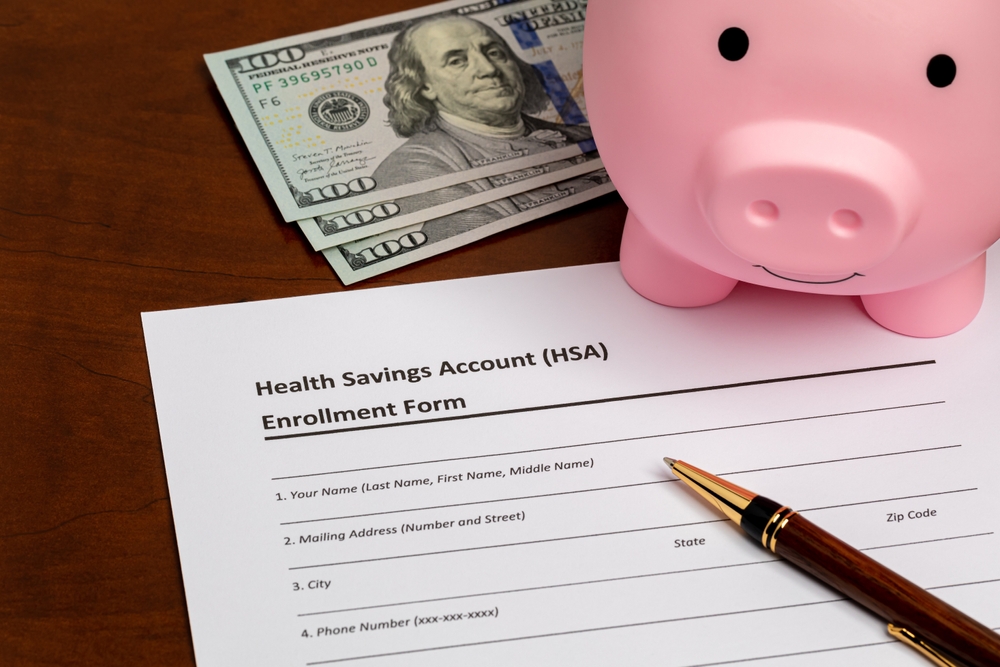
If your health plan comes with a health savings account or flexible spending account, you’re sitting on a tax break most people don’t use fully. For 2026, you can put up to $4,400 into an HSA as an individual or $8,750 for family coverage, and the health FSA limit is $3,400. Every dollar goes in before taxes, which means real savings on your tax bill.
If your employer’s open enrollment is coming up, check your current contribution rate and bump it closer to the limit if your budget allows, especially for an HSA, since that money rolls over every year and stays yours even if you change jobs. FSA money is different and typically has to be spent within the plan year or a short grace period, so if you’ve got FSA funds sitting unused, check your plan’s deadline and spend down on eligible expenses like contacts, prescriptions, or a dental cleaning before you lose it. This takes about ten minutes during enrollment and can mean hundreds of dollars in tax savings a year.
Put one recurring bill on a cash-back card, then pay it off every month

Rewards cards only help you if you actually use the rewards. Nationally, there’s an estimated $25 billion in unredeemed credit card rewards sitting in accounts, essentially free money nobody has bothered to cash in.
Pick one bill you already pay every month, like your phone, streaming, or insurance, and move it onto a no-annual-fee cash-back card instead of a debit card or bank draft. Set the card to autopay in full every month from your checking account, so you’re never carrying a balance or paying interest on it. You’re not changing how much you spend, just changing which piece of plastic the charge lands on, and the cash back accumulates with zero extra effort. Once a quarter, actually redeem the rewards instead of letting them sit, since points and cash back can expire or lose value depending on the program. This is maybe five minutes of setup and then nothing else to think about, aside from remembering to cash out periodically.
Negotiate your internet or phone bill once a year

Internet and phone bills tend to creep up quietly, usually because an introductory rate expired and nobody renegotiated. Callers who ask directly for a lower rate often save $25 to $60 a month.
Before you call, check what your provider charges new customers for the same speed or plan, since that’s your leverage. Call and mention you’re reviewing your bill because the rate has gone up, and ask whether they can match the new-customer price or move you to a better-value tier. Mention a competitor by name if there’s a real one in your area, since providers are more likely to offer a discount when they believe they might actually lose you. This call runs about fifteen to twenty minutes and is worth doing about once a year, since promotional pricing tends to expire on a cycle and your bill will creep back up again if you don’t check in periodically.
Pull your Social Security earnings statement and check it for errors
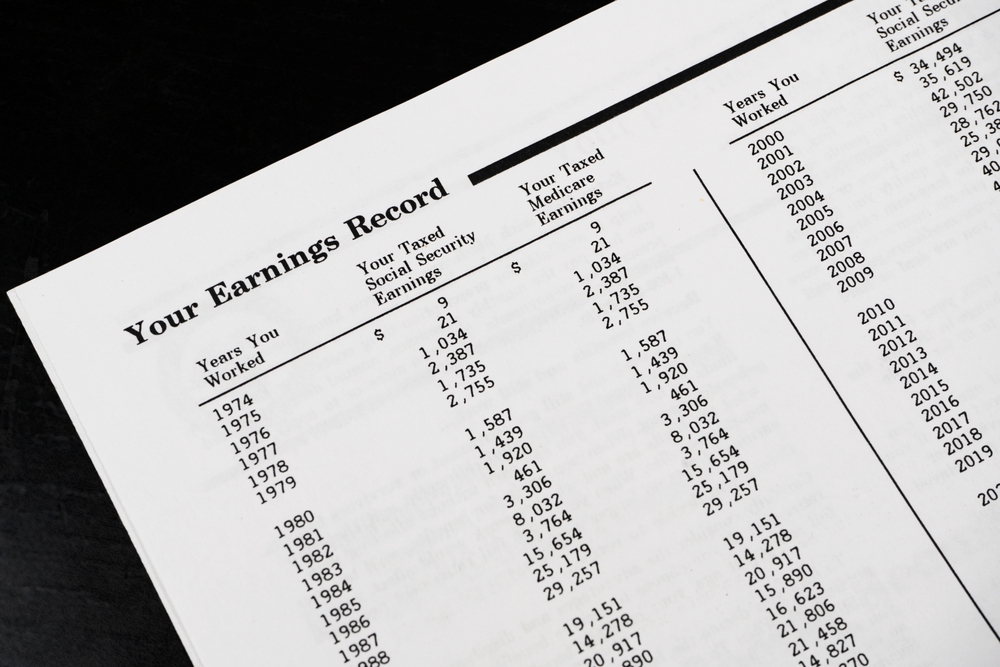
Social Security benefits rose 2.8 percent starting in January 2026, which sounds small until you remember that your eventual benefit is calculated from your full earnings history, and an error anywhere in that record can lower what you eventually collect.
Create a free account at SSA.gov’s My Social Security portal if you don’t already have one, and pull up your earnings statement. Scroll through the years listed and compare them against old pay stubs or tax returns if you have them handy, especially for years you changed jobs or worked multiple positions at once, since that’s when errors tend to slip in. If you spot a year that’s missing or shows the wrong amount, you can file a correction with documentation like a W-2 or pay stub, and it’s far easier to fix now than it will be decades from now when you’re actually filing for benefits. This takes about fifteen minutes and is worth doing every few years even if you’ve checked before, since a new job or employer error could have introduced a new mistake.
Use open enrollment to recheck what you’re actually paying for coverage

Most employers run open enrollment sometime in the fall, typically in October or November, for coverage that starts the following January, and a lot of people click through it on autopilot because they’re busy and it feels like one more task.
Take the ten minutes to actually compare this year’s plan options instead of defaulting to whatever you picked last year. Premiums, deductibles, and the list of in-network providers all change from year to year, sometimes significantly, and what was the cheapest option last year isn’t guaranteed to still be the cheapest one. If your household had a baby, got married, or had a major medical event this year, it’s worth running the numbers on a higher-premium plan with a lower deductible, since your actual costs might come out lower overall. This is also the window to revisit your HSA or FSA contribution rate and add or drop any voluntary benefits like dental, vision, or life insurance that you meant to sign up for last year and forgot.
Turn on a round-up savings or micro-investing app

Round-up apps take whatever change is left over when you round a purchase up to the nearest dollar and automatically move it into savings or a basic investment account. It sounds trivial, but the average user of one popular app rounds up about $43 a month without noticing it.
Link a debit or credit card you use for everyday spending, like groceries or gas, and turn on round-ups. Most apps let you multiply the round-up by two, three, or even ten times if you want to save faster once you see how painless it is. This isn’t a replacement for your emergency fund or retirement account, and the fees on some of these apps can eat into small balances, so check what you’re being charged monthly before committing. But for someone who has tried and failed to stick with manual savings transfers, automating it at the transaction level removes the friction that usually kills the habit within a few weeks.
Check if you qualify for the saver’s credit

If your income falls below a certain threshold and you’re contributing to a retirement account, you may qualify for a tax credit worth up to $1,000 for individuals or $2,000 for married couples filing jointly, on top of whatever tax benefit the contribution itself already gives you.
For 2026, the income limits are $40,250 for single filers, $60,375 for heads of household, and $80,500 for married couples filing jointly. The credit is worth 10, 20, or 50 percent of your contribution depending on where your income falls within those limits, so a lower income actually produces a bigger credit. You claim it on Form 8880 when you file, and most tax software asks about retirement contributions automatically, so there’s a good chance it’s already calculating this for you without your realizing it. If you’re close to one of these income thresholds, it may be worth contributing slightly more to a 401(k) or IRA before year-end to land in a better credit bracket, since the difference in your tax bill can be worth more than the extra contribution itself.
None of this requires a financial advisor, a new budget, or a free weekend. Pick three or four from this list, set them up this week, and let them keep working in the background while you get on with everything else.











