
A letter shows up with government-style type across the top, telling you to call a number and activate the raise coming to your Social Security check. Or it’s a text instead, with a link to tap. Either way, it wants something from you first: your Social Security number, your bank account details, or a fee that usually lands around $100.
None of that is real, and it never has been. The actual 2026 cost-of-living adjustment for Social Security is a 2.8 percent increase, worth about $56 a month more for the average retired worker. It happens automatically on your January check. If you get Supplemental Security Income instead, your bigger payment lands December 31. Nobody has to call anyone, click anything, or pay a cent to get it.
The people sending these messages know the raise is coming, and that is the whole plan.
Table of contents
- The pitch making the rounds this year
- Why this particular con keeps resurfacing
- The impersonation trick is not limited to Social Security letterhead
- What the real increase actually requires from you
- The signs that give a scam away
- What to do if one of these lands in your mailbox or inbox
- Why older adults keep losing real money to this
The pitch making the rounds this year
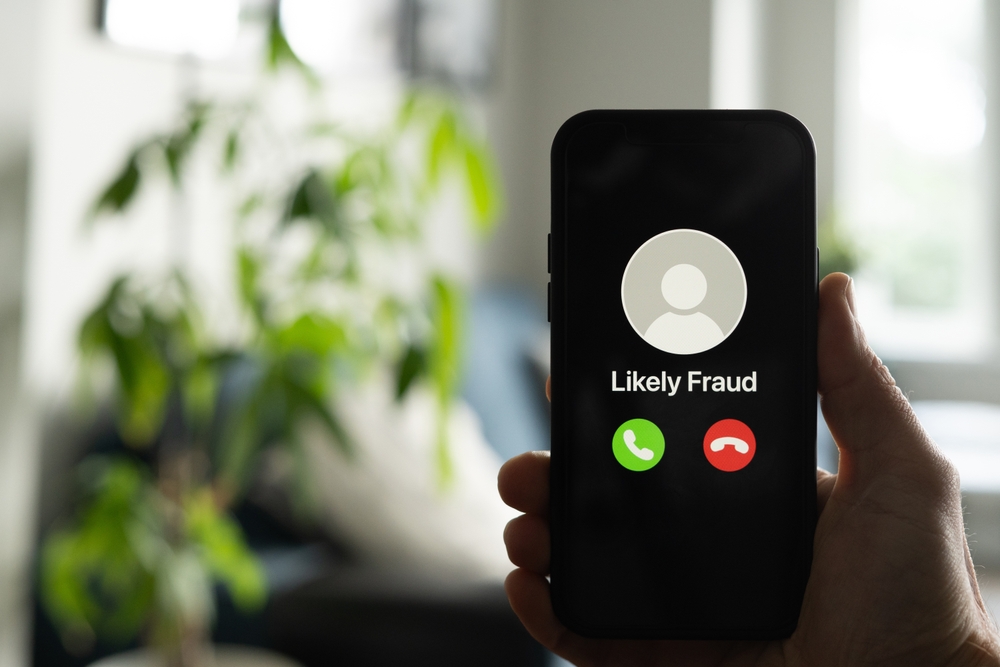
The current version of this scam leans on three words: boost, unlock, or maximize. An unsolicited call, text, letter, or social media message tells you someone can increase your Social Security benefit for an upfront fee. The pitch usually sounds official enough to pass a quick glance, sometimes walking you through a form that asks you to verify the benefits you already get, before steering you toward a site built to look like the real thing.
Behind the form, the goal is the same every time: collect your Social Security number, your date of birth, or your bank account and routing numbers, all under the cover of processing your increase. Earlier versions of the same scam asked for a flat fee of about $100 to activate a cost-of-living adjustment, sometimes through a fake website built to look very similar to the real SSA site. Government impersonation scams like this one are among the most common types of fraud reported to federal regulators, and Social Security’s name gets borrowed more than almost any other agency’s.
Why this particular con keeps resurfacing

This is not a new idea. It first showed up in late 2021, right after Social Security announced a 5.9 percent benefit increase for 2022, the biggest jump in four decades. Within weeks, fraudulent letters went out on fake SSA letterhead, telling recipients to call a toll-free number and activate their increase. The letters looked close enough to the real agency’s mail that the inspector general’s office had to put out a public warning.
It came back again in 2024, when online rumors claimed a $600 benefit bump was about to land in June. The claim was false, but it spread fast enough that Social Security’s own help line took more than 463,000 calls in a single day, far above normal volume. Every time a real increase gets announced, or even just rumored, someone finds a way to turn the news into a hook.
The impersonation trick is not limited to Social Security letterhead

The letterhead changes from one scam to the next. The goal never does: scare someone into calling a number and handing over personal information. Social Security’s inspector general has also warned about letters forged to look like they came from the U.S. Supreme Court, complete with faked justices’ signatures, telling recipients they were the subject of a criminal investigation.
Part of what makes current versions harder to catch is how convincing they look on a screen. Fraud researchers who study these messages for a living say artificial intelligence tools now make fake emails and letters difficult to distinguish from real ones, right down to matching an agency’s actual logo and formatting. A message that looks exactly like it should is no longer proof that it is real.
What the real increase actually requires from you
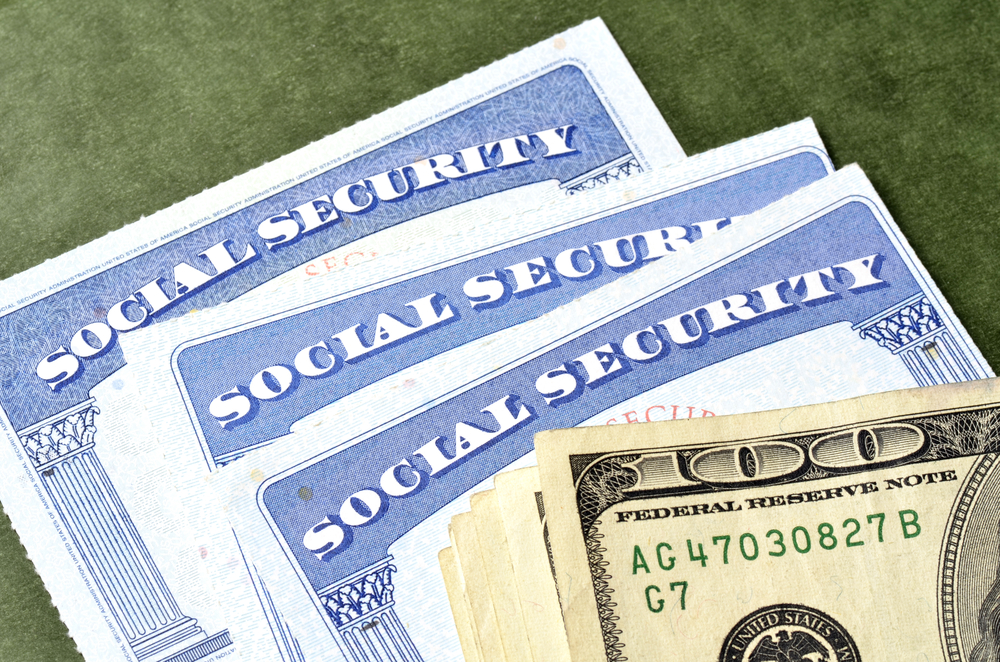
The honest answer is nothing. Social Security mails a notice to everyone affected in early December, and anyone with an online my Social Security account can see the new amount in their Message Center before the paper version even arrives. The 2.8 percent increase was set by law, tied to how much consumer prices rose from one year’s third quarter to the next, and it gets applied to your check without a form, a password reset, or a phone call on your end.
That is true whether you get Social Security retirement, survivor, or disability benefits, which rise starting in January, or Supplemental Security Income, which rises on the last day of December. For someone on Supplemental Security Income, the federal payment standard moves from $967 to $994 a month for an individual, and from $1,450 to $1,491 for a couple. None of those numbers change because you called a number on a letter or clicked a link in a text.
The signs that give a scam away
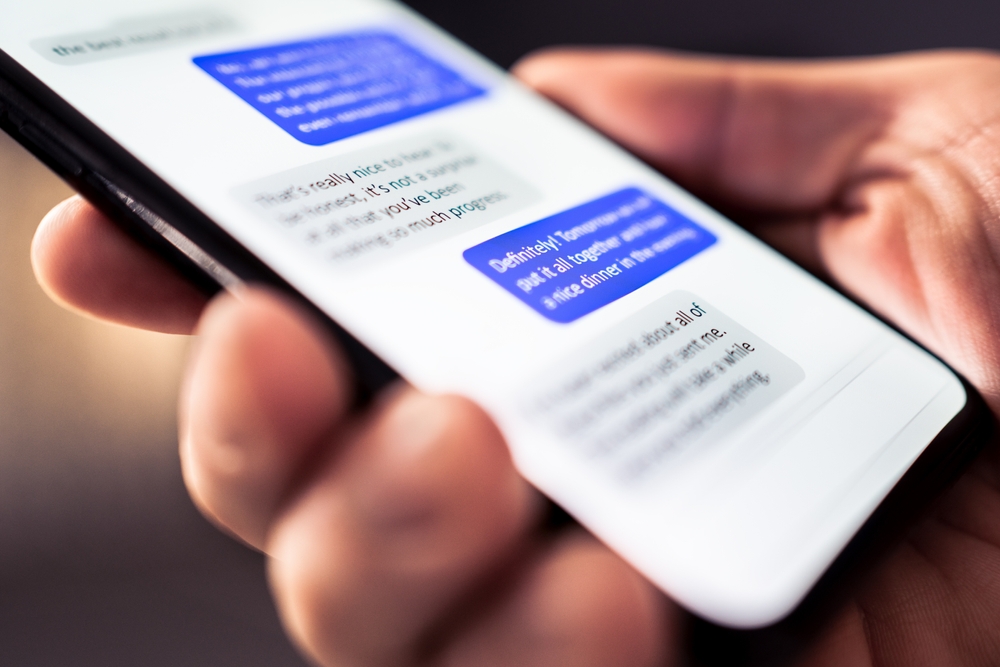
A few patterns show up across almost every version of this. The contact itself is unsolicited, arriving by phone, text, email, letter, or social media message rather than something you asked for. It pushes you to act fast, often threatening to suspend your Social Security number, freeze your bank account, or report you for a crime tied to your identity if you do not respond right away. It asks for information the real agency already has on file, like your Social Security number or your bank routing number, as though confirming it were a normal step.
Payment requests are another giveaway. A legitimate benefit increase never requires a gift card, a wire transfer, cryptocurrency, or cash mailed in an envelope, and anyone demanding payment that way is trying to make the money impossible to trace. Caller ID is not proof either. Scammers can make a call look like it is coming from Social Security’s real phone number, and some will even transfer you to a second person posing as a supervisor or law enforcement officer to make the story stick.
What to do if one of these lands in your mailbox or inbox

Do not click the link, call the number, or answer the questions. Hang up, delete the text, or set the letter aside, and if you want to check whether anything is actually wrong with your benefits, call Social Security yourself at a number you looked up independently, such as the one tied to your own my Social Security account or on the back of a past piece of mail from the agency.
Report it afterward. Social Security’s Office of the Inspector General and the FBI’s Internet Crime Complaint Center both take reports from the public, and those reports are part of how investigators spot a new wave of these scams before it reaches more people. Reporting will not get your money back if you have already paid, but it does help flag the specific script being used this month, which changes often enough that yesterday’s warning is rarely word for word the same as today’s.
Why older adults keep losing real money to this

The scale of this is not small. Reports of losses of $10,000 or more from government and business impersonation scams, filed by people 60 and older, have more than quadrupled between 2020 and 2024. Losses above $100,000 climbed even faster, with the number of reports rising nearly sevenfold over the same period, and the combined dollar amount lost rising eightfold.
Most of that money does not disappear through a single wire transfer either. Investigators have traced large losses to victims being walked through cryptocurrency ATMs, bank transfers, and in some cases handing over cash or gold to a courier sent to collect it in person, all while the scammer keeps them on the phone so no one else gets a chance to talk them out of it. A Social Security raise is a believable reason to call, which is exactly why scammers keep reaching for it.
The raise is coming regardless. Nobody legitimate needs a fee, a password, or a phone call to give it to you.











