
Understanding the universal appeal of gaming requires looking past simple entertainment to examine what truly commands our attention. From the electric thrill of uncertainty to the easy comfort of shared social moments, gaming taps into powerful psychological and social drivers.
This guide breaks down why the excitement of play feels so addictive across generations—and what makes the experience so hard to put down.
Table of contents
Why the excitement of playing feels so addictive
The excitement of playing often starts with uncertainty. A game gives you a clear moment to wait for, whether it is the next number, the next turn, or the next chance to make a move. That small gap between “what is happening now” and “what happens next” is where the fun lives.
Suspense works because it keeps the brain involved. Even simple games can feel exciting when the outcome is still open. Players are not just watching time pass; they are leaning into the next possibility.
A few common suspense moments include:
- Waiting for the next call
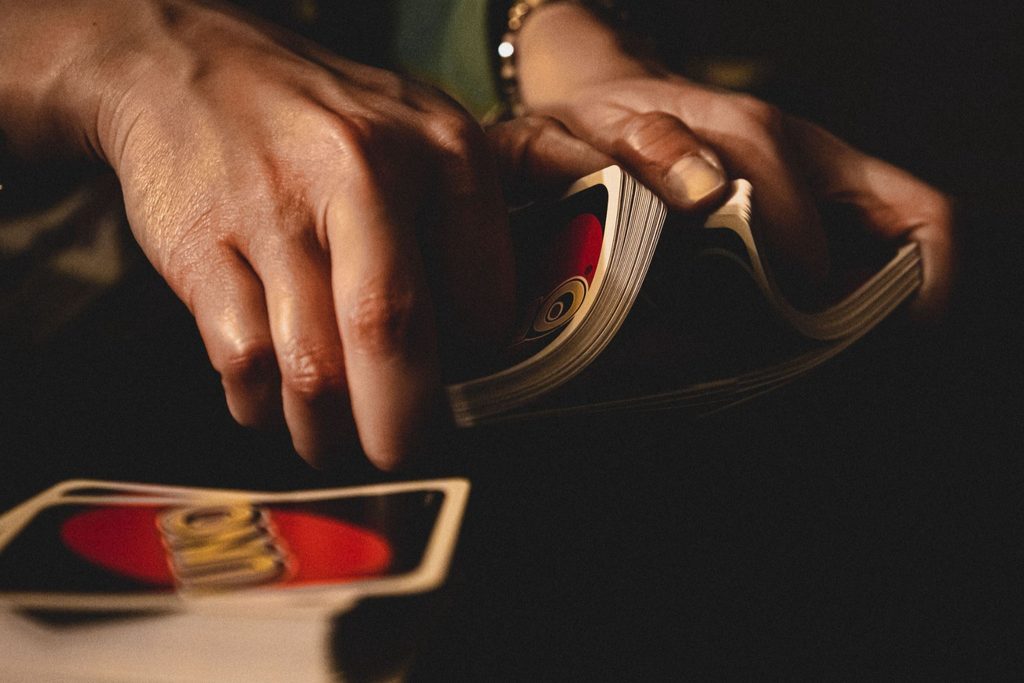
- Hoping for the right card
- Watching a close score
- Taking one final turn
Games do not need to be complicated to create tension. In fact, some of the most familiar games are popular because people can learn them quickly while still enjoying that sense of surprise.
Competition gives games their spark
Competition adds energy to a game. It gives players a goal, a focus, and a fun way to gauge how the night is going. Even when nobody is taking things too seriously, a little rivalry can make each moment feel more alive.
The best kind of competition is usually friendly. People want to win, but they also want to laugh, cheer, and enjoy the room around them. A close game can turn strangers into temporary teammates, rivals, or both.
According to the Entertainment Software Association, 60% of U.S. adults play video games every week. That shows how deeply games fit into regular life, not just as hobbies for kids or niche groups.
Beyond digital screens, that same competitive drive thrives in physical, community-focused spaces. Traditional in-person venues—such as multi-session game halls and live event floors—turn solitary engagement into a shared social event where crowds can react, compete, and celebrate together in real time. For those interested in seeing how structured group play and event-based formats bring this live energy to life, you can check out Bingo World to experience firsthand how communal gaming transforms a standard night out into an interactive shared tradition.
Social play makes the night better
Games give people something easy to share. The rules create a common focus, the pace gives everyone a reason to react, and the setting makes conversation feel natural. For many players, the social part is not extra; it is the main reason they show up.
Not every social moment has to be loud. Some people enjoy chatting between rounds, while others simply like being in a room where everyone is following the same action. A game can make socializing easier because nobody has to force a conversation from scratch.
Players often enjoy the social side because it offers:
- A shared activity
- Familiar faces
- Light conversation
- Group reactions
This is why game nights can feel comfortable even for people who are not naturally outgoing. The game does some of the social work so that players can relax into the experience.
Games appeal across generations
Games have a rare ability to bring different age groups into the same space. Grandparents, parents, young adults, and teens may not always enjoy the same music or shows, but they can still understand the fun of waiting for a result. That shared feeling helps games stay relevant.
The format may change from one generation to the next. Some people prefer digital games, some like cards, some enjoy trivia, and some love bingo because it is familiar and easy to join. The deeper appeal stays the same: people want fun, connection, and a break from routine.
Games also give people a sense of rhythm. There is a start, a middle, and a finish. That structure makes play feel satisfying, especially when life outside the game feels busy or unpredictable.
The real reason people keep playing
People keep coming back to games because a single round offers something for everyone—from the thrill of suspense and the spark of friendly competition to the easy comfort of shared moments.
Whether played at home, on an app, or during a lively night out, games create a satisfying rhythm and lasting memories. Ultimately, the true appeal of play lies in its power to connect people across generations, proving that the next moment might always bring a laugh, a win, or a great story.










