
A working day built around appointments, inspections, and repeatable checks can be appealing when you have had enough of unpredictable demands. These careers still require concentration and proper training. Their routine comes from doing necessary work carefully, whether that means measuring a manufactured part or checking equipment before it is used. Most positions are salaried, so some hourly figures represent equivalent pay. The qualifications vary considerably, from clinical training to engineering degrees and specialist experience.
1. Metrology engineer
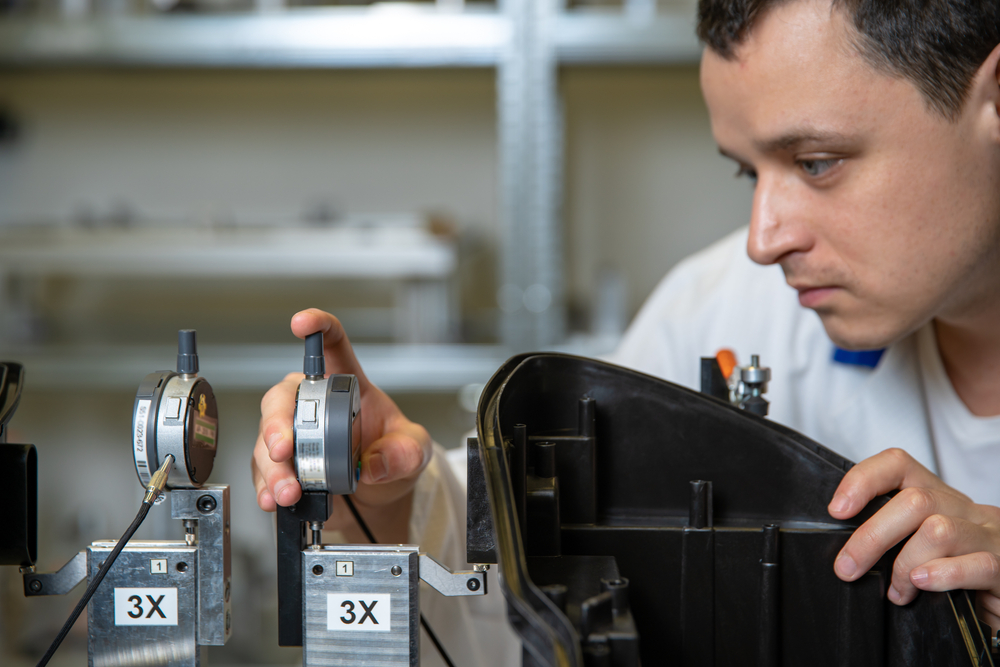
Metrology engineers make sure measurements can be trusted. In a manufacturing business, you might check whether a measuring system can reliably tell an acceptable part from one that is slightly outside its required dimensions. Average pay is equivalent to about $44 per hour. The day often involves repeated measurements, equipment checks, and investigating why two instruments disagree. This is especially useful work where small differences can affect how parts fit or perform.
A degree in engineering or a related technical subject is a common route, along with experience using precision measuring equipment. You need to understand measurement uncertainty and follow procedures consistently. The routine can be quiet and exacting, with long stretches spent checking results and recording findings. Manufacturers need reliable measurements when approving products, changing processes, or responding to quality problems. It suits someone who enjoys finding a small error before it becomes a large production problem. Ask whether the role mainly supports a laboratory or requires regular visits to the manufacturing floor.
2. Product reliability engineer

Product reliability engineers test how long equipment or components are likely to keep working. You might run repeated temperature cycles, examine failed parts, or compare results from batches of the same product. Midlevel average pay works out to about $45 per hour. In this role, reliability concerns physical products and equipment. Manufacturers use the findings to address recurring faults and decide whether a design or production change needs further testing.
Engineering education and experience with testing are common requirements. Much of the routine involves checking that a test was set up correctly, reviewing results, and investigating an unexpected failure. You may work with production staff or other engineers to reproduce the problem. Reliable equipment matters in medical devices, industrial machinery, and other products that are costly or difficult to replace. The work can suit someone who likes following a fault back to its cause. It also requires patience when the first explanation turns out to be wrong and another round of testing is needed.
3. Manufacturing validation engineer

Validation engineers check that manufacturing equipment and processes deliver the same acceptable result repeatedly. Midlevel pay is equivalent to about $47 per hour. You might work through a planned series of tests on a production machine, review cleaning results, or check records after a process changes. Pharmaceutical and medical device manufacturers need this work to show that their systems perform reliably. A typical assignment has a defined procedure, clear acceptance requirements, and plenty of documentation.
A science or engineering degree is common, with manufacturing experience helping you understand what can go wrong in practice. The less glamorous part is reviewing records for missing information and repeating checks when a result cannot be supported. It helps to enjoy an orderly process without assuming that every outcome will be orderly. Regulated manufacturers continue to need testing and oversight as equipment ages and production changes. Expect occasional pressure around shutdowns or launch dates. You still have to explain why an unresolved result needs attention before the business moves on.
4. Corrosion engineer

Corrosion engineers help prevent gradual damage to metal equipment and structures. Average pay works out to about $49 per hour. In an established maintenance program, the routine may include reviewing inspection readings, checking coatings, and comparing current conditions with earlier records. Utilities and industrial businesses need these checks because pipes, tanks, and other metal assets can deteriorate long before the damage is obvious. Much of the work is planned around inspection schedules.
Relevant engineering education and experience with materials are common requirements. You need to understand how the surrounding environment affects metal and how different protective methods work. The job may involve site visits, measurements, and discussions about which repairs should happen first. Keeping existing equipment in service supports a continuing need for the specialty. It is not necessarily a desk-only career, and some workplaces are noisy or require protective equipment. A good fit is someone who can stay interested in gradual changes and maintain accurate records over long periods, rather than expecting every assignment to produce an immediate result.
5. Packaging test engineer

Packaging test work involves checking whether boxes, containers, and protective inserts survive the conditions they will face. Midlevel packaging engineer pay is equivalent to about $43 per hour. You might perform repeated drop or compression tests, examine damaged samples, and check how packages behave on a production line. Manufacturers need reliable packaging for food, medical products, and consumer goods. Much of the work follows established test procedures and produces a clear record of the result.
A degree in packaging science, engineering, or a related subject is a common starting point. Employers also value experience with materials and manufacturing equipment. The routine includes preparing samples consistently, checking test conditions, and investigating why one batch performs differently from another. Shipping costs and damaged goods give companies practical reasons to maintain this work. Some roles include more design than testing, so read the duties closely. A laboratory or quality-focused position is likely to have the repeated checks described here, while a product development role may involve more frequent changes and open-ended projects.
6. Acoustical engineer

Acoustical engineers measure and help control sound. In testing or compliance work, you might collect noise readings around equipment, check sound transmission through a building, or assess whether a planned control reduced the problem. Average pay works out to about $43 per hour. The daily routine can involve setting up microphones, repeating measurements under controlled conditions, and preparing practical recommendations. Employers include engineering consultancies, manufacturers, and businesses involved in building projects.
Engineering or physics is a common educational route. You need to understand the equipment, the measurement method, and the conditions that can make results misleading. A passing vehicle or an incorrectly placed microphone may affect the reading enough to require another test. Buildings and machinery continue to need noise assessment, particularly where people live or work nearby. Some assignments involve travel or testing outside usual hours. If predictability matters to you, look for established testing and compliance work rather than roles centered on new product development or complicated live entertainment projects.
7. Ceramics process engineer

Ceramics process engineers help manufacturers produce consistent materials and components. Average ceramics engineer pay is equivalent to about $43 per hour. You might check batches, review firing conditions, or investigate why finished parts have begun to crack or shrink differently. Industrial ceramics appear in products that face heat, wear, or electrical demands. A process-focused role often means following the same production steps and watching for small changes that affect the finished material.
A materials science or engineering degree is a common route. Experience with testing and production is useful because laboratory results have to make sense on the factory floor. The work requires accurate records and patience with repeated trials. Manufacturers need people who can maintain product quality while controlling scrap and production costs. It can be a steady technical role, although production problems sometimes interrupt the schedule. Ask whether the position supports an established product line or develops entirely new materials. The first is generally more repetitive; the second involves more experimentation and uncertainty.
8. Food quality scientist

Food quality scientists test products and help maintain consistent results during manufacturing and storage. Midlevel food scientist pay works out to about $40 per hour. You might compare batches, check how a product changes over its shelf life, or investigate whether a processing adjustment affects its texture. Quality-focused positions often involve the same sampling and testing routines each week. Food manufacturers need this work to keep products acceptable and deal with problems before they spread through production.
A degree in food science, chemistry, or a related field is a common requirement. You need to handle samples consistently and understand how ingredients and processing conditions affect the result. The job includes careful records and discussions with production staff when a batch does not meet expectations. The broader food science field has positive projected growth. Look for quality, shelf-life, or process support duties if you prefer a predictable routine. New product development positions can pay similarly but involve a different working day, with more changing recipes, customer requests, and open-ended experiments.
9. Manufacturing quality assurance engineer

Quality assurance engineers check whether a manufacturing system produces work that meets its requirements. Midlevel average pay is equivalent to about $43 per hour. You might review inspection results, investigate recurring defects, or check whether corrective actions solved a problem. This is physical manufacturing quality work, found in businesses making products and components. The routine often follows production schedules, internal audits, and the same measures of quality from one reporting period to the next.
Engineering education is common, with experience in production or inspection helping you understand how problems arise. You need to ask clear questions and distinguish a one-off error from a weakness in the process. Much of the day can involve checking records and following up on unfinished actions. Manufacturers need this oversight to limit defective products, waste, and costly returns. Some workplaces have busy audit periods or pressure when production stops. A methodical approach helps, particularly when several teams disagree about where a fault started or who should fix it.
10. Building commissioning engineer

Building commissioning engineers test installed systems before they are accepted for use. Entry-level average pay works out to about $42 per hour. You might check how ventilation responds to a control setting, witness equipment startup, or record whether a pump meets its required performance. The tests are usually planned in advance and repeated across different pieces of equipment. Hospitals, offices, and industrial facilities need their systems to function properly after construction or renovation.
A mechanical or electrical engineering degree is a common starting point. You also need to learn how building systems operate together and how to document a test so another person can understand it. The routine includes drawings, checklists, readings, and follow-up visits when an installation needs correction. Testing may happen early, late, or during a shutdown, so the schedule is not always a simple office week. This role suits someone who likes checking an actual result against a written requirement and is comfortable asking a contractor to demonstrate that a problem has been resolved.
11. Rehabilitation engineer

Rehabilitation engineers help adapt technology and equipment for people with disabilities. Average pay is equivalent to about $42 per hour. A role focused on equipment assessment and maintenance might involve checking wheelchair controls, testing access devices, or making practical adjustments after a user reports a problem. You work with the person using the equipment and with other professionals involved in their care. Repeated assessments and follow-up checks can give the day a fairly structured pattern.
An engineering background is common, and employers may look for experience in assistive technology or rehabilitation. You need technical knowledge without losing sight of the user's daily needs. An adjustment that performs well during a short test may need further changes after regular use. Healthcare and specialist equipment services need people who can assess these problems in person. Some jobs emphasize research and invention, which is a less routine version of the career. For steadier work, look for positions supporting established equipment services, scheduled assessments, repairs, and ongoing patient follow-up.
12. Certified industrial hygienist
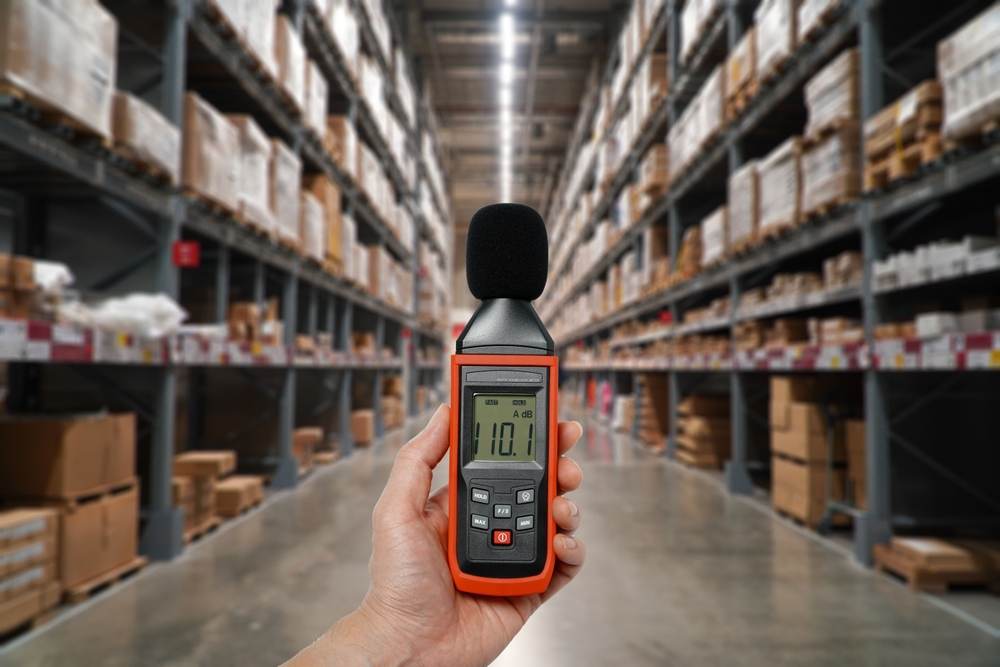
A certified industrial hygienist assesses workplace conditions such as noise, dust, and chemical exposure. Average pay works out to about $45 per hour. In a large organization, much of the routine follows a sampling schedule and established monitoring procedures. You collect readings, inspect controls, and compare findings with the relevant limits. The role is found in manufacturing, healthcare, consulting, and other workplaces where exposures need regular attention rather than an occasional general safety inspection.
A relevant science or engineering degree and qualifying professional experience are common foundations for certification. You need accuracy when setting up equipment and enough practical understanding to recommend useful controls. Workplace health and safety has a strong hiring outlook, although individual specialties do not have separate national forecasts. Some days involve walking through a facility; others involve reviewing results and explaining changes to supervisors. The work suits someone who can remain thorough during repeated checks and explain a long-term health risk without relying on dramatic language or waiting for an injury to occur.
13. Dental hygienist

Dental hygienists clean teeth, assess oral health, take permitted images, and explain home care to patients. Median annual pay is equivalent to about $47 per hour. The day generally follows an appointment schedule, with a familiar sequence of tasks for each patient. This can provide more structure than many other healthcare jobs, although late arrivals and difficult treatments still affect the timetable. Dental practices employ hygienists for recurring preventive care and monitoring.
You need an accredited dental hygiene program and a professional license. Programs include classroom teaching, laboratory work, and supervised clinical care, and commonly take longer than two years to complete. The career requires fine hand control, close attention, and comfort working directly with patients. Repeating similar movements can be physically tiring, so workplace setup matters. Employment has a positive projected outlook as demand for dental care continues. Before accepting a job, ask about appointment length, assistance, and whether the quoted hourly rate comes with guaranteed hours. Part-time work is common, and that changes annual earnings and benefits.
14. Outpatient MRI technologist

MRI technologists position patients, check safety information, and operate scanners to produce diagnostic images. Median annual pay works out to about $46 per hour. An outpatient imaging service often has a scheduled list of scans, giving the day a repeatable pattern. You confirm patient details, explain what will happen, prepare the scan, and check the images. Each appointment still requires attention because implants, movement, or patient anxiety can change what is safe or practical.
Accredited imaging education and clinical training are usual requirements. Many MRI technologists enter through radiologic technology, followed by additional MRI training and certification. Employers may have their own credential requirements. The job needs careful safety screening and a calm manner with people who dislike enclosed spaces. Imaging services have continuing demand as clinicians investigate and monitor health problems. Outpatient roles are generally more predictable than positions covering a busy hospital, but ask about evenings, weekends, and on-call duties. You also need to be comfortable helping patients move safely onto and off the equipment.
15. Diagnostic medical sonographer
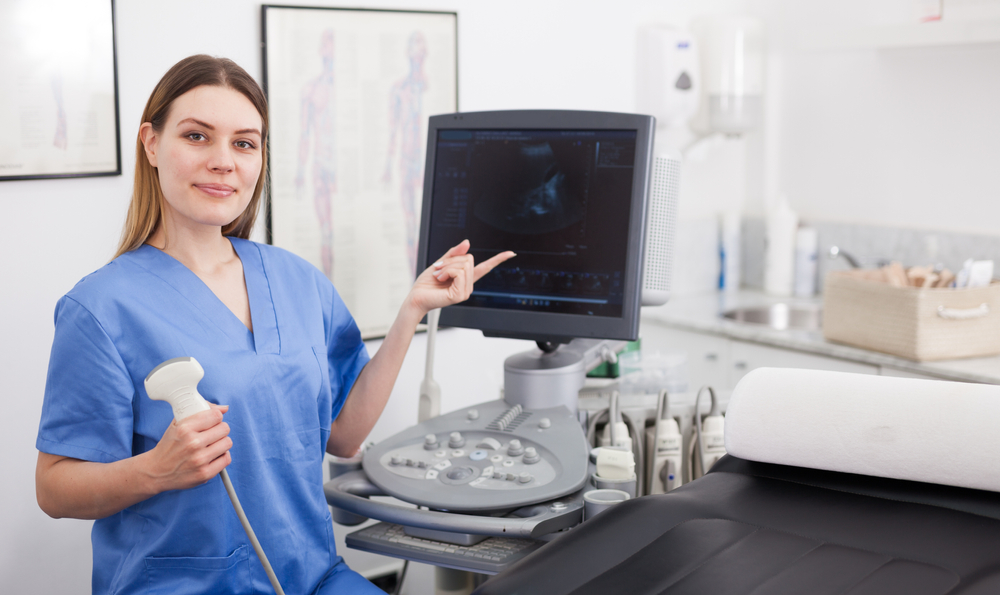
Sonographers use ultrasound equipment to create images of structures inside the body. Median annual pay is equivalent to about $46 per hour. Scheduled outpatient work often means preparing patients, following a defined examination, checking image quality, and passing the findings to the appropriate clinician. The appointment pattern can be repetitive even though every patient's anatomy and circumstances are different. Hospitals and specialist imaging practices need sonographers for several types of diagnostic examination.
Accredited education and supervised clinical training are common routes, with professional certification often expected. You need to understand anatomy and adjust the examination when the first view is unclear. The occupation has a strong projected hiring outlook. Physically, the work can involve prolonged standing and repetitive pressure with the scanning probe, so ergonomics matter. It is also important to be comfortable with patients who are worried about what the examination may reveal. If you want a steady schedule, look specifically at outpatient services and ask whether the position includes emergency coverage or overnight shifts.
16. Occupational health and safety specialist

Occupational health and safety specialists inspect workplaces and help prevent injuries and harmful exposures. Median annual pay works out to about $43 per hour. In an established facility, the routine can involve scheduled inspections, training records, equipment checks, and following up on identified hazards. Employers include manufacturers, hospitals, government organizations, and consulting businesses. Much of the work depends on noticing ordinary problems before people become used to working around them.
A bachelor's degree in occupational safety or a related subject is a common entry requirement. You need to understand the rules and the practical realities of the workplace. The wider specialist and technician field is projected to grow strongly, supporting demand for qualified people. Expect some time away from a desk and occasional difficult conversations about unsafe shortcuts. Incident investigations can interrupt the routine, so the career is not free from pressure. For greater predictability, compare established-site positions with traveling consultancy work or jobs supporting constantly changing construction projects before choosing an employer.
17. Environmental monitoring engineer

Environmental engineers help organizations control pollution and manage environmental responsibilities. Midlevel average pay is equivalent to about $43 per hour. A monitoring-focused position may involve reviewing sampling results, checking treatment performance, and following an inspection or reporting schedule. Manufacturing sites, utilities, and consulting firms need this work. The routine usually has clear deadlines and repeated checks, with more investigation when a reading changes or a system fails to perform as expected.
A relevant engineering degree is a common route, followed by experience in the type of facility or process being monitored. You need to understand what the measurements mean and when a result deserves further attention. Environmental engineering has positive projected growth, although demand varies between employers. Some roles are heavily focused on designing new projects; others support ongoing compliance at an established site. Read the responsibilities closely if regularity is your priority. The monitoring version still includes practical problem-solving, but its calendar is often built around known sampling, maintenance, and reporting requirements.
18. Infection preventionist
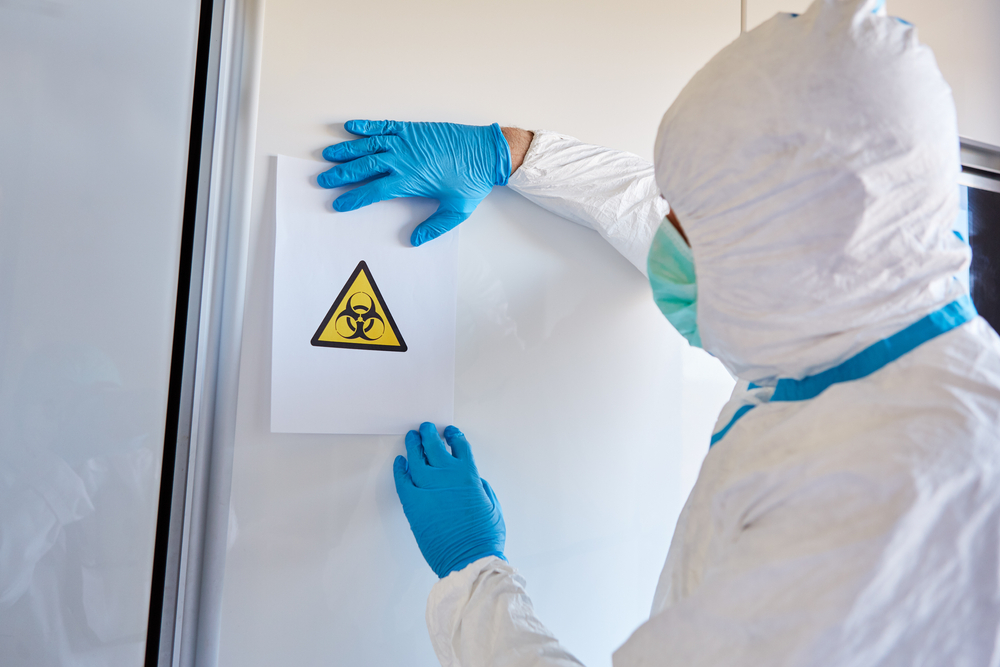
Infection preventionists help healthcare organizations reduce the spread of infection. Average pay works out to about $45 per hour. Much of the routine involves reviewing surveillance information, checking procedures, observing practices, and helping staff correct problems. You might assess how equipment is handled or investigate a change in infection patterns. Hospitals, long-term care organizations, and other healthcare employers need this oversight as part of their continuing patient safety work.
Nursing, microbiology, public health, and related backgrounds can lead into the specialty. Employers often expect relevant healthcare experience, and professional certification can be useful once you qualify for it. The job requires a patient approach to records and the confidence to raise concerns about familiar practices. The wider workplace health and safety field has a positive outlook, but outbreaks can make this position much less predictable than its usual monitoring routine. Ask about the facility's staffing, responsibilities, and escalation arrangements. A role covering several sites can involve considerably more travel and competing deadlines than one based at a single organization.











