
You do not need a four-year degree for every job with decent pay. Short technical programs, clinical certificates, and paid training can lead into work that employers still need people to do in person. The routes below can get you started in under two years, although further learning continues after you are hired. The pay figures describe established workers or the stated job level, so your first offer may be lower. Check that a program includes the practical training and credentials employers expect.
1. HVAC service technician

HVAC technicians install, maintain, and repair heating and cooling equipment. Median pay is equivalent to about $29 per hour. Technical programs commonly offer a route into the work in less than two years, followed by supervised learning on the job. You learn to test components, find faults, and check that equipment operates safely. Employers include service businesses and organizations with their own buildings, giving you options beyond working only in people’s homes.
You need appropriate certification to handle regulated refrigerants, and additional licensing requirements may apply to the work you perform. A short training route prepares you to enter the trade; it does not immediately make you an independent contractor. Demand is supported by equipment replacement, repairs, and the need to maintain existing systems. The work can involve ladders, cramped spaces, heat, and seasonal callouts. Before choosing a course, ask how much time is spent on actual equipment and whether graduates enter paid trainee or service positions with local employers.
2. Commercial refrigeration technician

Commercial refrigeration technicians maintain equipment used to keep food and other products cold. Average pay works out to about $30 per hour. A short HVAC and refrigeration program can provide the technical foundation, with employer training focused on commercial systems. You might work on walk-in coolers, display cabinets, or other cooling equipment. Food retailers, service companies, and businesses with cold storage need practical fault-finding and repair skills to keep these systems operating.
Choose a program that includes refrigeration practice, electrical testing, and preparation for the required refrigerant certification. Paid trainee work helps you learn how commercial equipment behaves under real operating conditions. This specialty differs from household heating work because a cooling failure can put stored goods at risk. That also means callouts and weekend work are possible. The occupation sits within the growing heating, cooling, and refrigeration trade. Ask whether an employer trains beginners on maintenance first and how quickly trainees are expected to handle service calls, rather than assuming a certificate covers every type of commercial system.
3. Industrial machinery mechanic
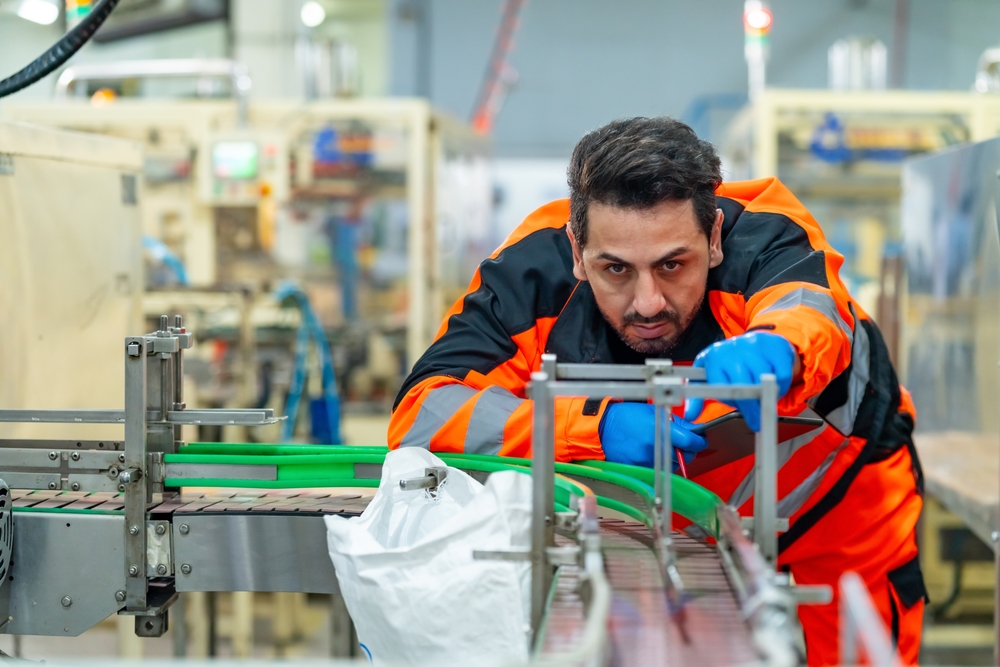
Industrial machinery mechanics keep production equipment working. Median pay for the wider machinery mechanics, maintenance workers, and millwrights group is equivalent to about $31 per hour. A one-year industrial maintenance certificate can provide an entry route into mechanical maintenance, followed by supervised work. You learn to inspect equipment, replace worn components, and investigate faults. This route concerns machinery maintenance jobs; millwright apprenticeships commonly take longer.
Training should include safe isolation, mechanical systems, and practical fault-finding. Employers may take beginners into paid trainee positions and build their skills around the equipment on site. The wider occupation has strong projected growth as businesses maintain increasingly complicated production systems. Work can involve shifts, noise, and shutdown periods when repairs have to be completed quickly. Ask whether the position is genuinely suitable for a new certificate holder or requires several years of independent maintenance experience. The same broad title can cover both a supervised trainee role and a job responsible for keeping an entire production line running.
4. Diesel service technician
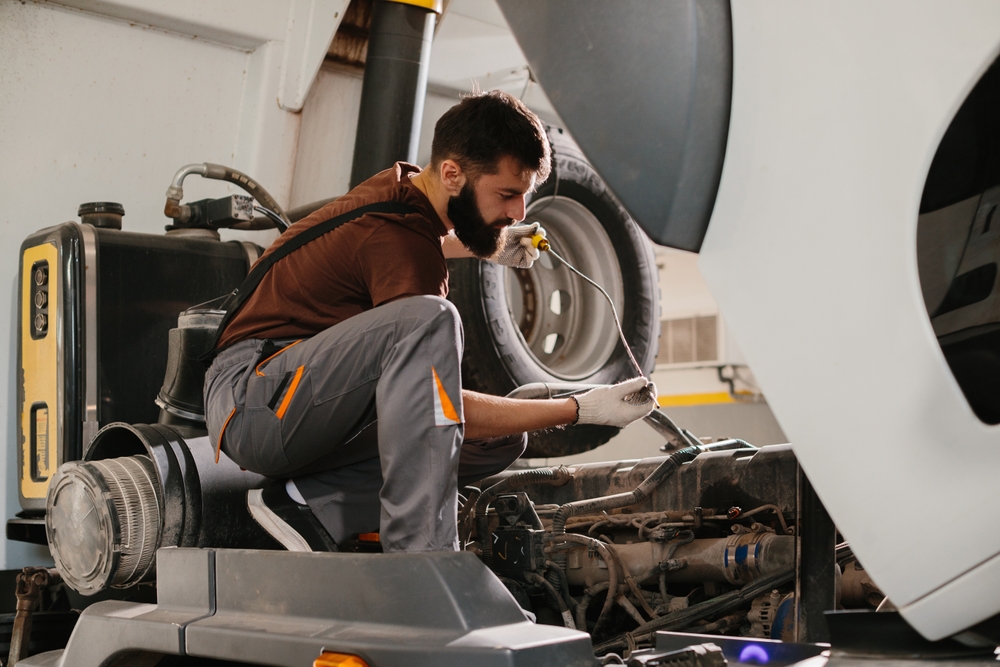
Diesel technicians diagnose and repair engines and related systems in trucks, buses, and other equipment. Median pay works out to about $30 per hour. A one-year diesel technology certificate can prepare you for entry-level work. Training covers the systems you will inspect and service, with practical workshop experience helping you become comfortable using tools and diagnostic equipment. Fleet workshops, dealerships, and repair businesses all employ diesel technicians.
You continue learning after graduation, especially as different manufacturers use different equipment and procedures. A short program can get you into the workshop without completing a longer degree first. Demand comes from keeping working vehicles in service and replacing technicians who leave the occupation. The job can be physically demanding and may involve awkward positions, lifting, and noisy workshops. Ask about tool costs, paid training, and the type of vehicles an employer maintains. A fleet position servicing familiar vehicles can offer a different routine from a dealership dealing with a wide range of faults and urgent customer requests.
5. Agricultural equipment mechanic
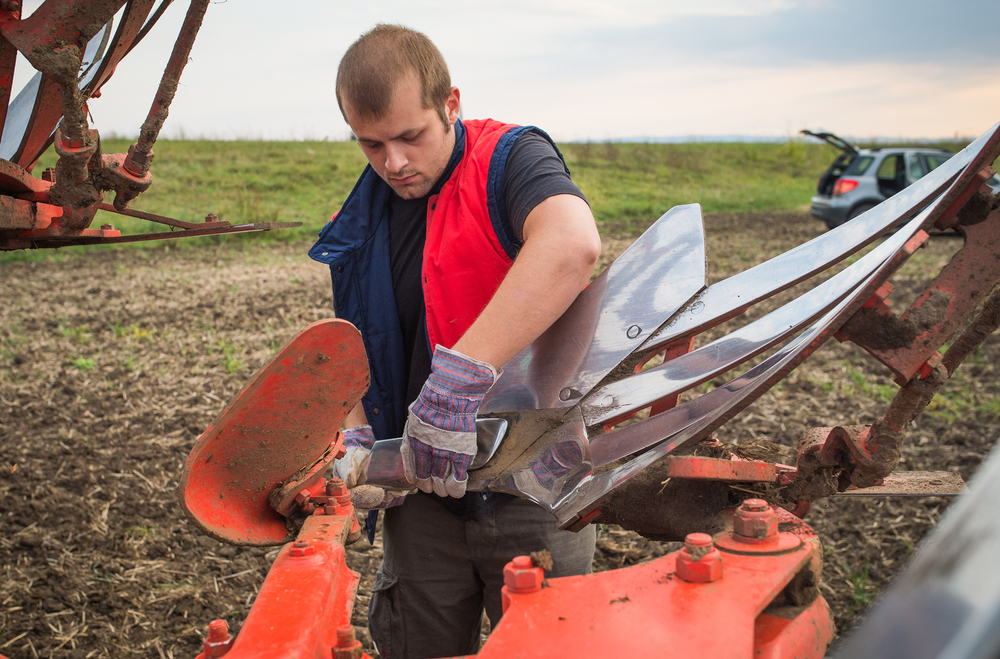
Agricultural equipment mechanics service tractors and other machinery used in farming. Median pay is equivalent to about $27 per hour. A short diesel or heavy equipment certificate can provide an entry route, with some one-year programs covering agricultural machinery. You learn engine systems, mechanical repairs, and the practical checks needed to find faults. Dealerships and equipment service businesses need mechanics who can help keep machines available during busy farming periods.
Employer training is important because modern agricultural equipment can include electronic controls and specialized attachments. You might begin with servicing and inspections before taking on more complicated repairs. The broader mobile equipment service field has positive projected growth. Work can be seasonal, with long days when customers need equipment returned quickly. Some roles also involve traveling to machinery that cannot easily be brought into a workshop. Ask about field service expectations, tools, and how the employer supports beginners. A training program should include enough workshop practice to make you useful on routine jobs while you continue learning.
6. Hydraulic technician
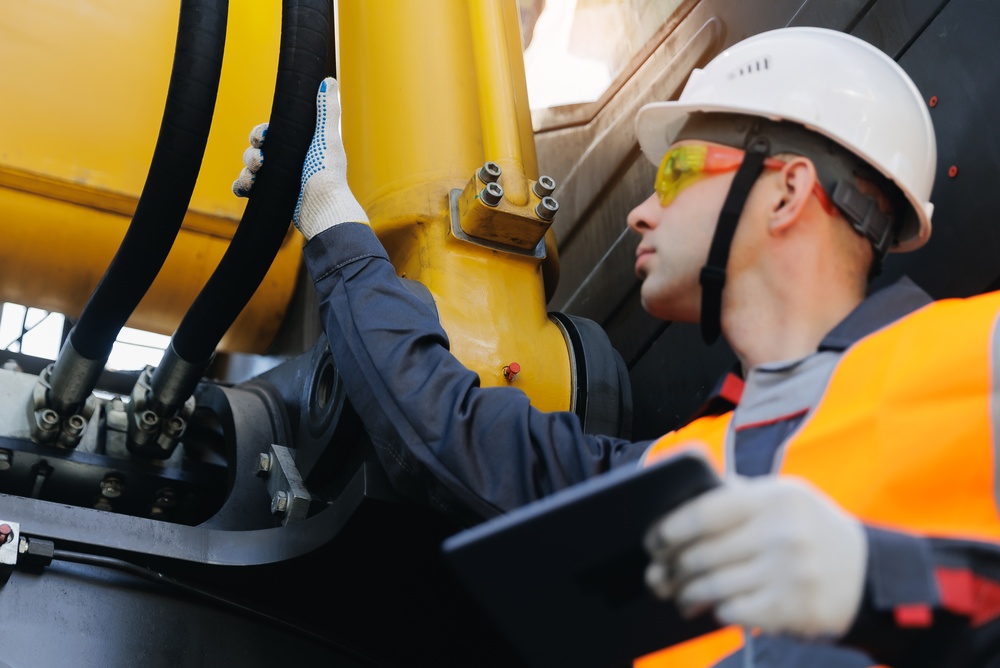
Hydraulic technicians work on systems that use pressurized fluid to move equipment. Average pay works out to about $26 per hour. A short industrial maintenance program can teach the basic mechanical and hydraulic skills needed for supervised entry work. You might inspect hoses, replace seals, test components, or investigate why a lifting mechanism moves slowly. Employers can include repair businesses, equipment suppliers, and industrial operations using hydraulic machinery.
A one-year maintenance certificate with hydraulics is one practical foundation. You still need employer instruction on the equipment and safe procedures, particularly around stored pressure. This specialty fits within industrial equipment maintenance, a field with strong projected growth. It suits someone who likes practical troubleshooting and does not mind oil, workshop conditions, or careful cleaning of components. Ask whether the role focuses on hose service, component rebuilding, or maintaining complete systems. Those versions can require different levels of experience, so a beginner should look for a supervised route with a clear training plan.
7. Pump service technician
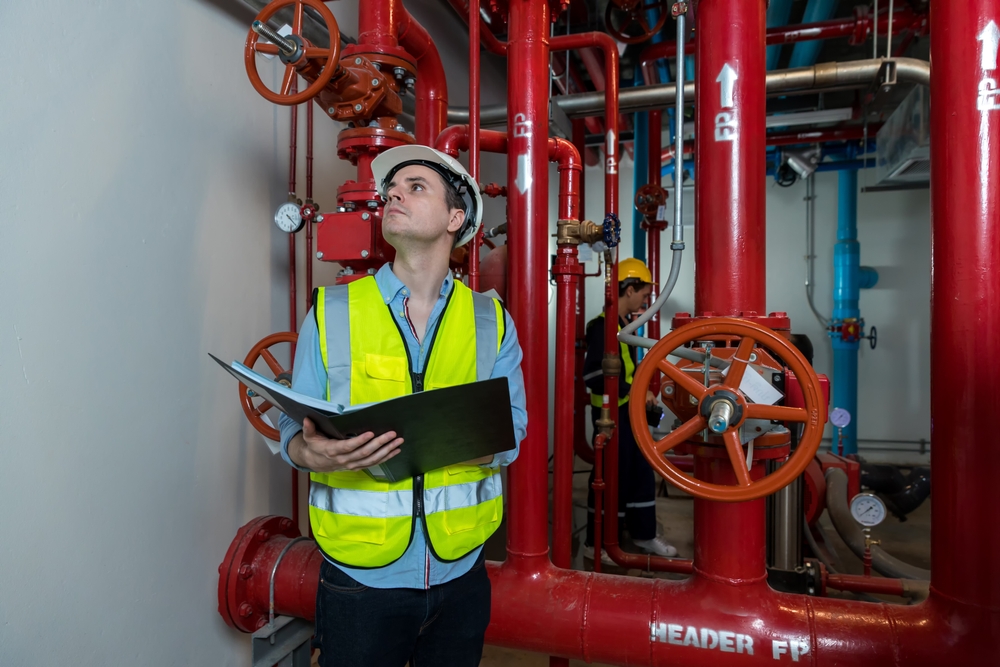
Pump technicians inspect and repair equipment that moves liquids through buildings, factories, and other facilities. Average pay is equivalent to about $29 per hour. Short industrial maintenance programs teach useful entry skills, including mechanical drives, motors, and pump maintenance. You might replace seals, check bearings, investigate leaks, or help return a pump to service. Repair shops, equipment suppliers, and organizations with their own maintenance teams employ technicians in this specialty.
A one-year industrial maintenance program can provide the foundation for supervised work. Manufacturer and employer training then builds knowledge of particular pump types. The wider machinery maintenance field has strong projected growth, and operating facilities need repairs even when they are not buying new equipment. Work may involve lifting, site travel, and scheduled shutdowns. Ask what beginners actually do and whether they receive training before working on equipment containing hazardous materials. A service role focused on routine workshop repairs offers a different starting point from one handling complicated field failures independently.
8. Electric motor repair technician
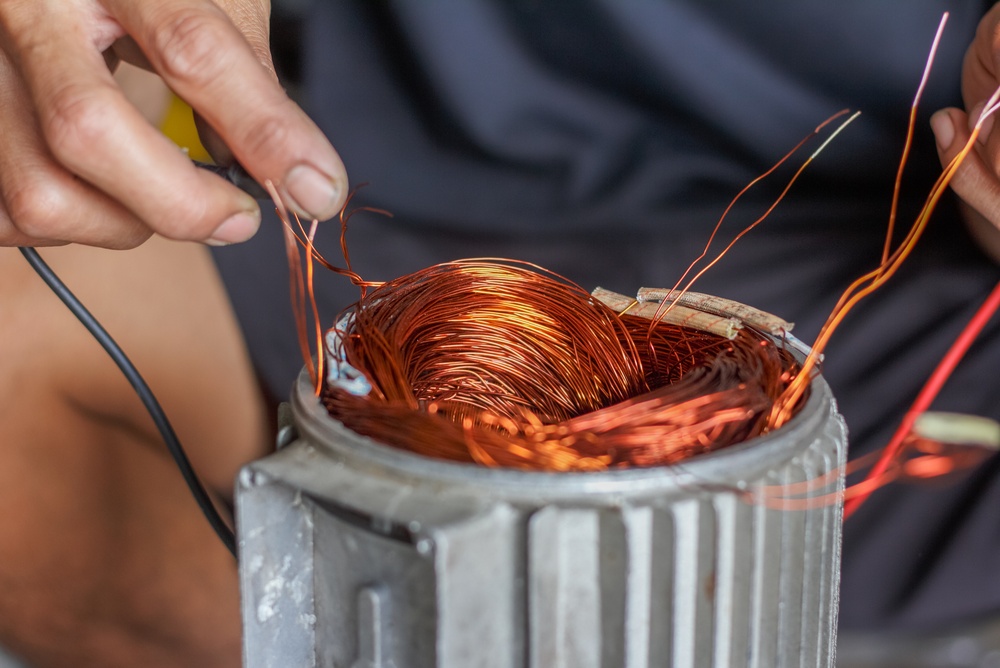
Electric motor repair technicians inspect and restore motors used in equipment and tools. Average pay works out to about $32 per hour. A short electrical or industrial maintenance program can provide a foundation for supervised repair work. You might test a motor, inspect worn parts, replace bearings, or help diagnose why it overheats. Employers include specialist repair shops, equipment suppliers, and maintenance businesses supporting industrial customers.
Programs covering motors, controls, and practical electrical testing are useful, with employer training developing the more specialized repair skills. A one-year maintenance certificate offers one starting route. The broader motor and related repair occupation has average projected growth. You need to follow isolation procedures and be patient with measurements and small components. Some jobs emphasize mechanical repairs, while others involve winding work or more complicated electrical testing. Ask which duties a trainee handles and whether the employer provides a structured learning period. Experience matters as you move from basic inspections toward diagnosing faults and approving repaired equipment for use.
9. Fire alarm inspection technician
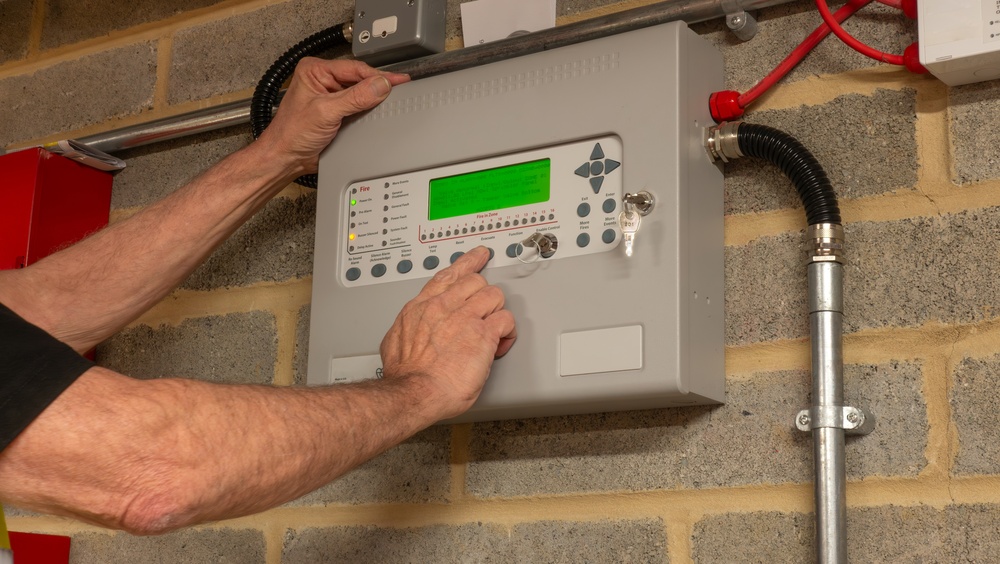
Fire alarm technicians inspect, test, and maintain systems that detect fires and alert building occupants. Average fire alarm technician pay is equivalent to about $25 per hour. Paid trainee work can lead into the specialty without a long degree program. An initial inspection and testing credential requires at least six months of relevant experience, alongside the other certification requirements. The route combines practical work with learning the systems and inspection procedures.
You might check devices, test signals, and record faults under the supervision of an experienced technician. Further certification levels require more experience, so they should not be confused with the initial entry route. Buildings need recurring checks and maintenance as equipment ages or changes. The job can involve ladders, travel between sites, and coordination with people using the building. Ask whether the employer provides supervised hours, helps with exams, and covers any applicable licensing requirements. A brief preparation course alone is not the same as qualifying through practical experience, even when it teaches useful material for the examination.
10. Calibration technician
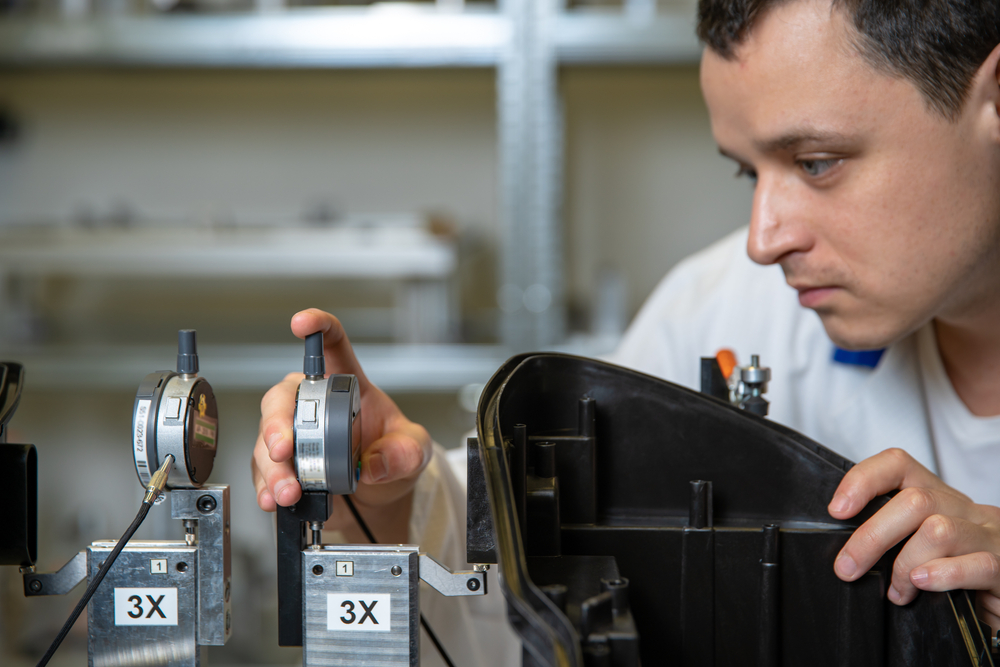
Calibration technicians check measuring instruments against known standards and adjust them when necessary. Average entry-level pay works out to about $29 per hour. You might work with pressure gauges, electrical test equipment, or other instruments used in manufacturing and maintenance. A supervised trainee position can provide a route into the work without completing a two-year degree. The day involves careful setup, repeated measurements, and records showing whether each instrument meets its requirements.
Basic technical education and comfort with arithmetic and test equipment are useful foundations. Employers teach the procedures and instruments used in their own laboratories or service operations. Look specifically for level I or trainee positions, since advanced calibration jobs can require substantial experience. Manufacturers and other organizations need trustworthy measurements to maintain equipment and check product quality. The work suits someone who enjoys an orderly process and can stay attentive to small differences. Before applying, ask how much training is provided, whether the role involves travel, and which instruments you will learn first. Handling a limited range of equipment is a more realistic beginning than covering every instrument independently.
11. Nondestructive testing technician

Nondestructive testing technicians inspect materials and components without destroying them. Level II average pay is equivalent to about $31 per hour. A technical certificate can provide the classroom training for entry work, followed by the required supervised experience. Testing methods can reveal surface or internal defects in parts and welds. Manufacturers and inspection businesses need people who can carry out procedures accurately and recognize when a result needs closer examination.
Qualification depends on the particular testing method, documented training, practical experience, and the employer’s certification arrangements. Some method-specific routes can fit within two years, but a course alone does not confer every Level II qualification. Begin with a program and employer that explain the full route clearly. The work can involve repeated inspections, protective equipment, and travel to industrial sites. Ask which method you will qualify in, how supervised hours are recorded, and what the starting role pays. A focused route in one method is more practical than assuming a short certificate makes you qualified across the whole specialty.
12. Forklift service technician
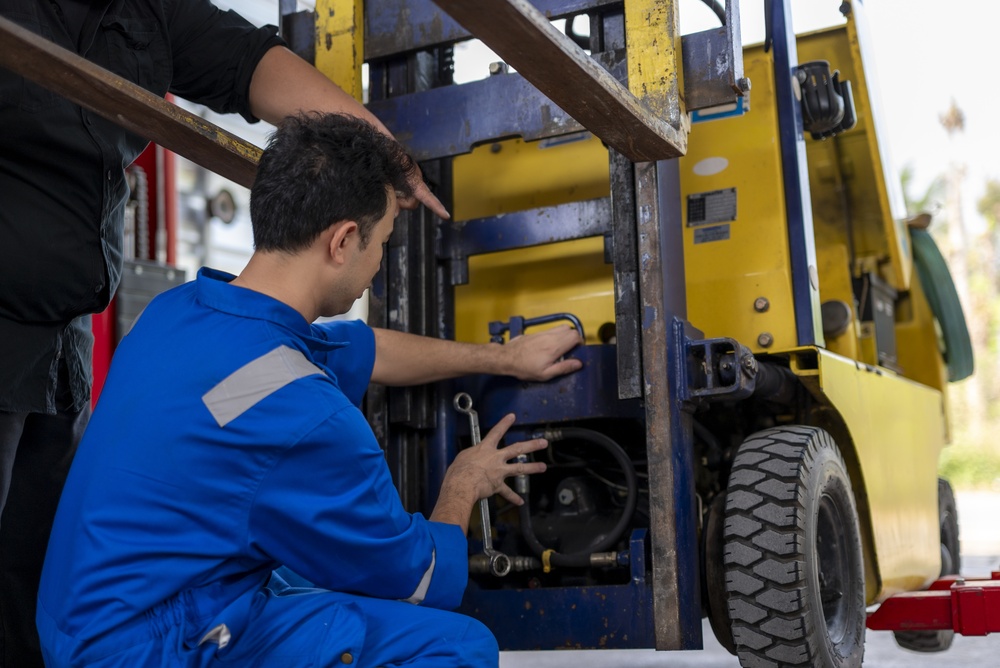
Forklift service technicians repair the vehicles used to move goods around warehouses and industrial sites. Average pay works out to about $26 per hour. Short equipment maintenance or diesel training can provide an entry route, followed by instruction on the machines an employer services. You might work on brakes, lifting mechanisms, batteries, or other components. Equipment dealerships and service businesses need technicians to help keep customer fleets safe and available for work.
A one-year maintenance certificate can provide useful mechanical foundations, although electric forklifts require additional battery and electrical system learning. Look for a trainee position with structured manufacturer or employer instruction. The specialty sits within equipment repair, supported by continuing demand for working warehouse machinery. Some jobs are workshop-based, while others involve visiting customer sites. You need to follow safe lifting and isolation procedures because these machines contain heavy moving components. Ask what equipment the business supports and whether a beginner starts on inspections and routine servicing before handling more complicated faults.
13. Medical equipment repair technician
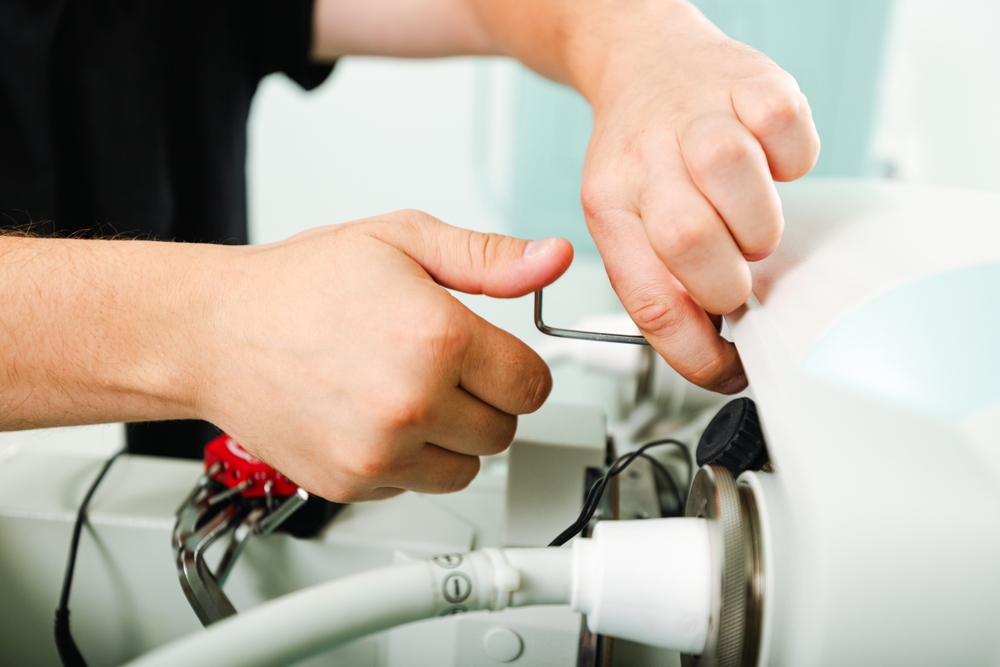
Medical equipment repair technicians maintain and repair devices used in patient care. Median pay is equivalent to about $30 per hour. A one-year biomedical equipment certificate offers one entry route. Some employers also train workers with a high school diploma through supervised practical work. You might check equipment performance, replace components, and record maintenance. Hospitals, equipment businesses, and service organizations need people who can keep devices functioning reliably.
You continue learning different machines after entering the job, and manufacturers may provide device-specific instruction. A short course does not immediately qualify you to repair every piece of hospital equipment. Look for a trainee role with clear limits and experienced support. The occupation has a strong projected hiring outlook. Work may involve moving equipment, visiting clinical departments, and responding when a device is needed urgently. Ask about the first equipment types you will handle, on-call duties, and further training. A position beginning with routine checks on a defined range of devices is a practical way to build experience without taking on unsupported responsibility.
14. Licensed practical nurse

Licensed practical nurses provide nursing care such as monitoring patients, checking vital signs, and carrying out permitted treatments. Median pay works out to about $31 per hour. Approved practical nursing programs typically take about one year and include supervised clinical training. After completing the program, you must meet the licensing requirements and pass the required examination. Employers can include long-term care organizations, clinics, home health services, and other healthcare facilities.
This is direct patient care, so you need to be comfortable with personal care tasks, illness, and physical work. The occupation has a stable projected outlook, supported partly by ongoing care needs. A short training program is demanding even though it is shorter than a degree route. Check approval status, clinical placement arrangements, and graduate licensing results before enrolling. Working conditions differ substantially between employers. Ask about patient numbers, supervision, shifts, and whether the position regularly requires overtime. The hourly pay can be attractive, but the staffing and support available during a shift are just as important when deciding whether the job is workable.
15. Surgical technologist

Surgical technologists prepare operating rooms, organize equipment, and help maintain the sterile conditions needed for surgery. Median pay is equivalent to about $31 per hour. Some accredited routes offer a 12-month surgical technology certificate, including the education and clinical practice needed for entry work. The occupation has positive projected growth. Hospitals and surgical services need trained staff who can prepare carefully and work reliably alongside the rest of the operating team.
You need to check a program’s admission requirements, accreditation, and certification eligibility before treating its advertised duration as the complete route. Employers may require professional certification, and applicable practice rules must also be met. The work involves standing, close attention, and comfort around blood and surgical procedures. It can be demanding when a procedure changes unexpectedly or an item is needed quickly. Ask about clinical placements and whether graduates are eligible for the credential local employers expect. Hospital jobs may include callouts or varied shifts, while scheduled surgical services can have a more regular calendar. Both require disciplined sterile practice.
16. Commercial truck driver

Commercial truck drivers move freight between businesses and distribution points. Median pay works out to about $28 per hour. Training for a commercial driver’s license can usually be completed in a matter of months, followed by employer training. You learn vehicle handling, inspections, road safety, and the rules governing the work. Freight businesses need drivers for local, regional, and longer-distance routes, which can offer very different schedules.
You must meet licensing, medical, and other applicable requirements. Choose a training route that explains the total cost and any employment commitment before you sign. The occupation has positive projected growth, although hiring and pay vary with the employer and route. Some jobs pay by mileage or another method rather than a simple hourly wage, so ask how waiting and non-driving time are handled. Local work may let you return home regularly, while longer routes can mean substantial time away. The job requires sustained attention and the ability to manage fatigue, not just passing the driving test.
17. Wind turbine service technician

Wind turbine technicians maintain and repair the equipment that produces electricity from wind. Median pay is about $31 per hour. A one-year wind power and turbine certificate can provide an entry foundation, followed by employer training. You learn mechanical, electrical, and safety skills used to inspect equipment and resolve faults. Employment is projected to grow strongly, although this remains a relatively small occupation with fewer total jobs than many established trades.
You need to be physically comfortable climbing and working at height, sometimes in confined spaces. Training should include practical safety work and preparation for the conditions employers expect technicians to handle. A short program gets you started, but you will continue learning particular turbine models and site procedures after being hired. Work can involve travel, rural locations, and on-call duties. Ask where graduates actually find jobs and whether relocation is common. This is a useful option for someone who wants practical equipment work, but the height and physical demands are central parts of the career rather than occasional inconveniences.
18. Safety valve service technician
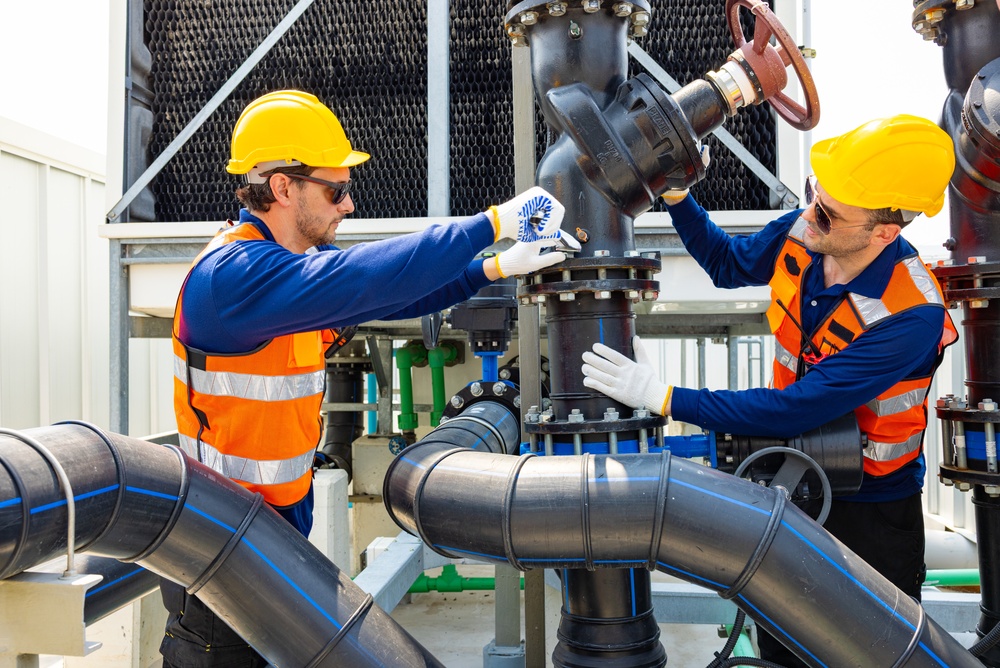
Safety valve technicians inspect and repair devices that release pressure when a system reaches its limit. Average pay works out to about $26 per hour. A short industrial maintenance program can provide the mechanical foundation for a supervised trainee role. Specialist pressure relief valve repair training then covers the equipment and procedures involved. Repair shops and industrial service businesses need technicians who can follow detailed instructions and produce reliable test records.
This is an employer-supervised entry route, with further learning needed before you handle complicated repairs independently. A workshop course is not a substitute for practical qualification or the authorization required by the business carrying out the work. You might begin with cleaning, inspection, assembly, and assisting with tests. The wider equipment maintenance field has positive projected growth. The job suits someone who can remain careful with repetitive procedures and understands why a small component can carry substantial responsibility. Ask how the employer trains new staff, records competency, and limits a trainee’s duties while the necessary skills are being developed.











