
A faller in the Oregon Coast Range drops a 150-foot Douglas fir for a living, and the chainsaw in his hands is the easy part. The hard part comes after the cut, when nobody, not him, not his crew, not forty years on the job, can say for certain which way an old-growth tree is actually going to fall.
Logging workers die on the job at a rate of 110.4 per 100,000 full-time workers, the highest of any occupation the federal government tracks. That is not the kind of tough most people mean when they complain about a bad day at the office. These are tough lives, built around real odds of not making it home.
Some of the jobs on this list pay well, like flying or working underground ore. Some pay almost nothing, like pulling a dead oil tanker apart by hand on a beach in Bangladesh. What they all share is that somebody still has to do them, and the people who do rarely get asked how hard it actually is.
Logging worker

Fifty one loggers died on the job in 2024, in an industry that employs a tiny fraction of the national workforce. A tree that looks stable can still be holding enough tension to snap back and crush whoever is standing in what felt like a safe spot. Branches break off high in the canopy and fall without warning, loggers call them widowmakers, and the nearest hospital is often an hour down an unpaved logging road.
The median pay for loggers was $49,540 a year in 2024, decent by rural standards, nowhere close to hazard pay for a job this dangerous. The industry has gotten safer over the decades, better chainsaw brakes, mandatory hard hats and chaps, required safety training, but the fatality rate has stayed stubbornly ahead of every other job on the books. A faller makes dozens of life or death calls a day about wind, wood grain, and the exact angle of a cut, and gets it right almost every time. Almost every time is the part that should give anyone pause.
Commercial fisherman on Alaska’s crab boats

The Bering Sea crab fleet that inspired the TV show Deadliest Catch earned its name honestly. In the late 1990s, crab boats in that fishery were losing workers at a rate of 770 per 100,000 full-time workers a year, with boats capsizing under the weight of overloaded, ice-coated crab pots during seasons that sometimes lasted only four days.
That rate has come down hard since the Coast Guard started checking boats for stability before they left the dock, and since the fishery moved away from the derby-style free-for-all that used to send every boat racing out at once. Commercial fishing fatalities across Alaska have dropped 70 percent over the past three decades, and fishing and hunting workers nationally still die at a rate of 88.8 per 100,000, second only to logging. The work itself has not changed much: hauling steel pots that weigh hundreds of pounds across a pitching deck, in freezing spray, often in the dark, hundreds of miles from anywhere a helicopter can reach quickly. Pay is hard to pin down because 57 percent of fishing and hunting workers are self-employed, numbers the government’s own wage survey mostly excludes. The boats are safer. The ocean is not.
Shipbreaker in Bangladesh
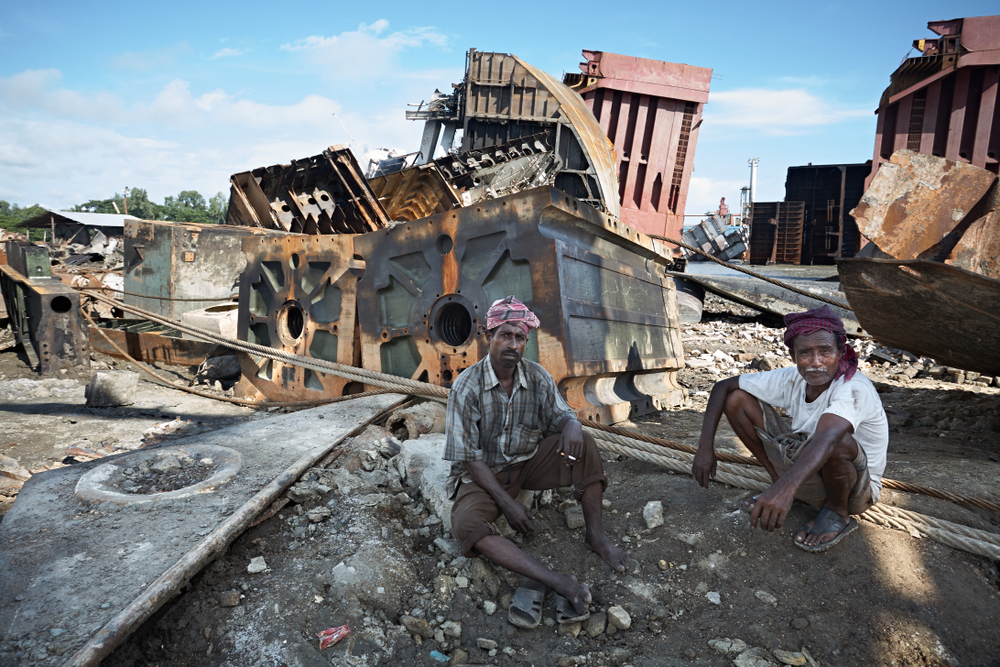
When an oil tanker or container ship reaches the end of its life, someone has to take it apart, and in Bangladesh that someone usually does it by hand on an open beach, with a cutting torch and no dry dock underneath them. At least 137 workers have been killed and 239 injured in accidents at the shipbreaking yards in Sitakunda since 2015.
The ships beach themselves at high tide and crews strip them down as the tide goes out, cutting through steel plate that can still hold trapped gas, oil, or asbestos from decades at sea. Bangladesh, India, and Pakistan together dismantled more than 85 percent of the world’s scrapped ship tonnage in 2025, work that wealthier countries have largely priced themselves out of doing. Deaths in the industry have fallen as yards face more scrutiny, but gas leaks, falls into empty tanks, and collapsing cables still kill and injure workers with grim regularity. The pay is a fraction of what the same work would cost in a regulated shipyard, which is the entire reason the industry exists where it does.
Roofer

Roofers died at a rate of 48.7 per 100,000 workers in 2024, with 104 fatal injuries recorded that year alone. Almost all of those deaths came from falls, off ladders, off scaffolding, off the edge of a roof that looked solid until a worker’s weight hit a weak spot.
The physical demands alone would wear most people down fast: bending, kneeling, and carrying heavy bundles of shingles up a ladder in direct summer heat, with a dark roof surface baking hotter than the air around it. Add a steep pitch, a wet morning, or a rushed deadline, and the margin for error gets thin. Roofing pays a median of $50,970 a year, reasonably well for a trade that does not require a college degree, and among the better paying options in residential construction. Most roofing companies now require harnesses on steep-slope work, and OSHA has tightened its fall protection rules over the past decade, but the job still comes down to a person’s balance and judgment, thirty feet up, with nothing but a rope between a mistake and a hospital bed.
Structural ironworker
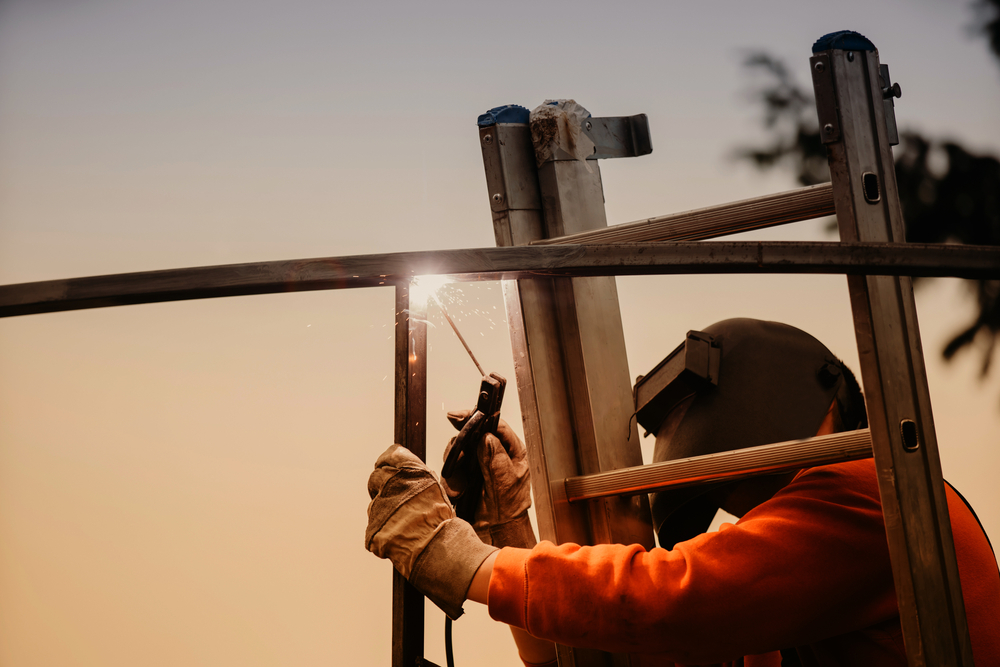
The workers who bolt a skyscraper’s steel skeleton together walk across beams a few inches wide, hundreds of feet in the air, long before any walls or safety nets go up around them. Structural iron and steel workers died at a rate of 37.8 per 100,000 in 2024, more than ten times the rate for all workers combined.
Connectors, the ironworkers who guide a steel beam into place and bolt it down while it still dangles from a crane cable, do some of the most exposed work on any job site. A gust of wind, a misjudged step, or a beam that swings wrong can be fatal in seconds, and there is rarely a second chance to correct a mistake at that height. The trade pays a median of $62,700 a year, well by construction standards, which is part of why it still draws people despite the obvious risk. Ironworkers tend to talk about the job with a kind of matter-of-fact pride that outsiders find hard to understand. Spend a morning watching them work thirty stories up and it starts to make sense.
Refuse and recycling collector
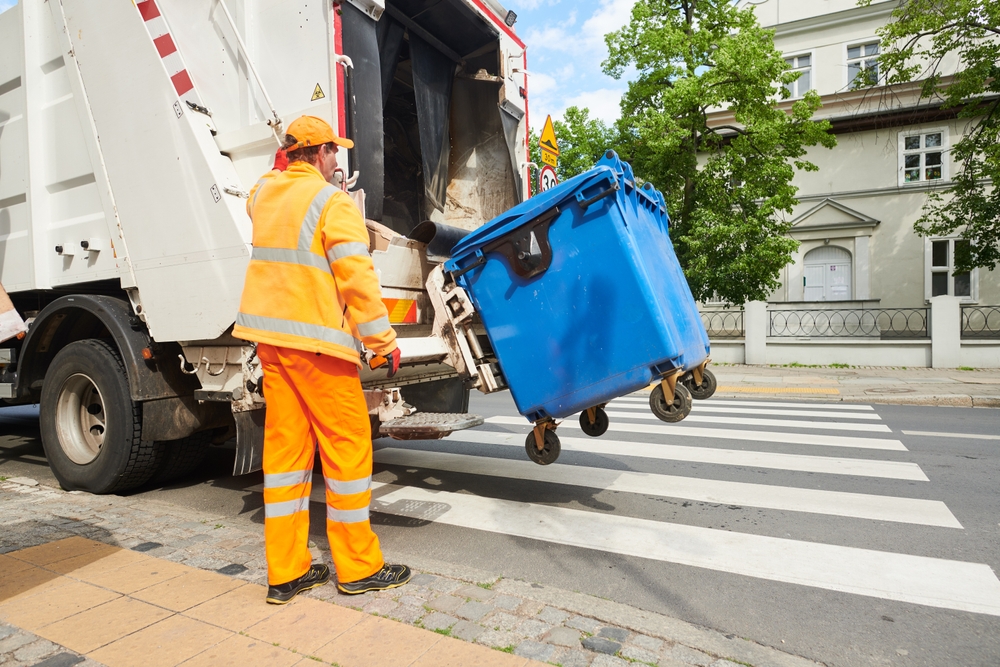
Garbage collection does not sound like a dangerous job, which is part of why its fatality rate of 37.4 per 100,000 workers, with 36 deaths in 2024, catches people off guard. Most of those deaths come from being struck by vehicles, either the collection truck itself or passing traffic while a worker is on foot beside a busy road before sunrise.
The job is repetitive and physically brutal in its own right, climbing on and off a truck hundreds of times a shift, hauling bins that can weigh far more than they look when packed with wet leaves or construction debris. Collectors work in all weather, handle broken glass, needles, and rotting food without much say in what ends up in a bin, and do it for a median of $49,690 a year, pay that rarely reflects the physical toll outside of a handful of strong union contracts. It is essential work that every household relies on and almost nobody thinks about, which is roughly the definition of a thankless job. The traffic risk alone puts it ahead of most office hazards by a wide margin.
Regional and bush pilot
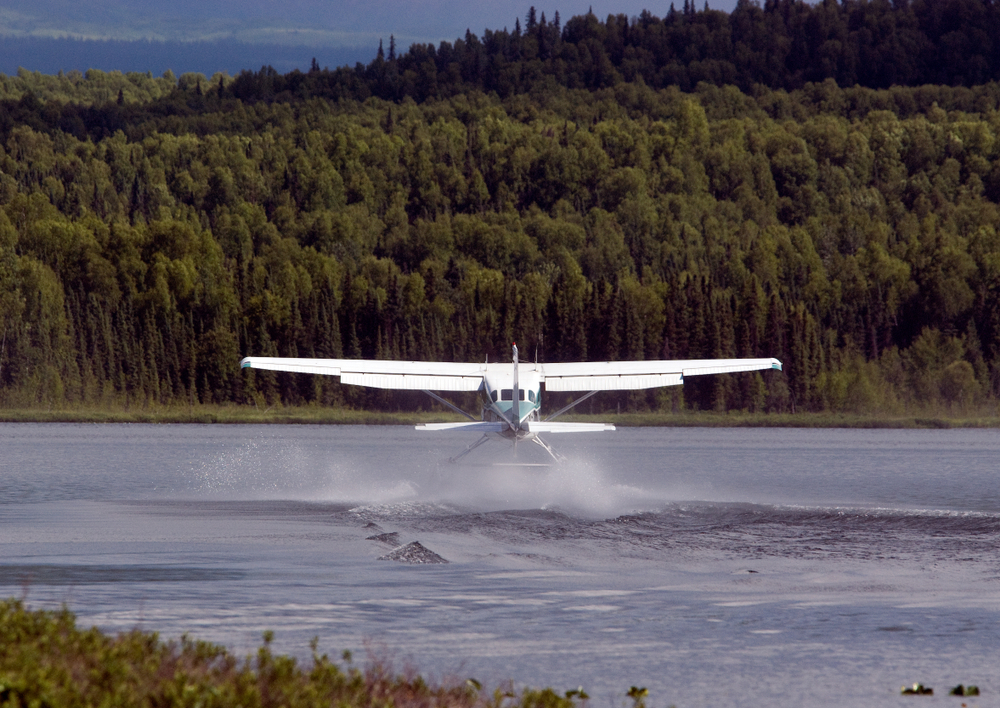
Not every pilot flies a widebody jet out of a major airport with full instrument support and a long runway. Aircraft pilots and flight engineers died at a rate of 36.7 per 100,000 workers in 2024, with 73 fatalities, a number driven heavily by crop dusters, bush pilots, and small charter operators flying into remote strips in bad weather.
Alaska alone accounts for a disproportionate share of small-aircraft crashes nationally, thanks to mountainous terrain, fast-changing weather, and a transportation system that depends on float planes and gravel runways to reach villages with no roads at all. Crop dusting carries its own particular hazards: flying low and fast over power lines and trees, banking hard at the end of every pass. Commercial pilots, the broader category that includes crop dusters and charter work, earn a median of $122,670 a year, well below the $226,600 median for airline pilots, copilots, and flight engineers. Major airline pilots, by contrast, fly one of the statistically safest jobs in the country. The danger in this profession sits almost entirely at the edges, where the aircraft are smaller, the runways are shorter, and the margin for a bad decision all but disappears.
Underground miner
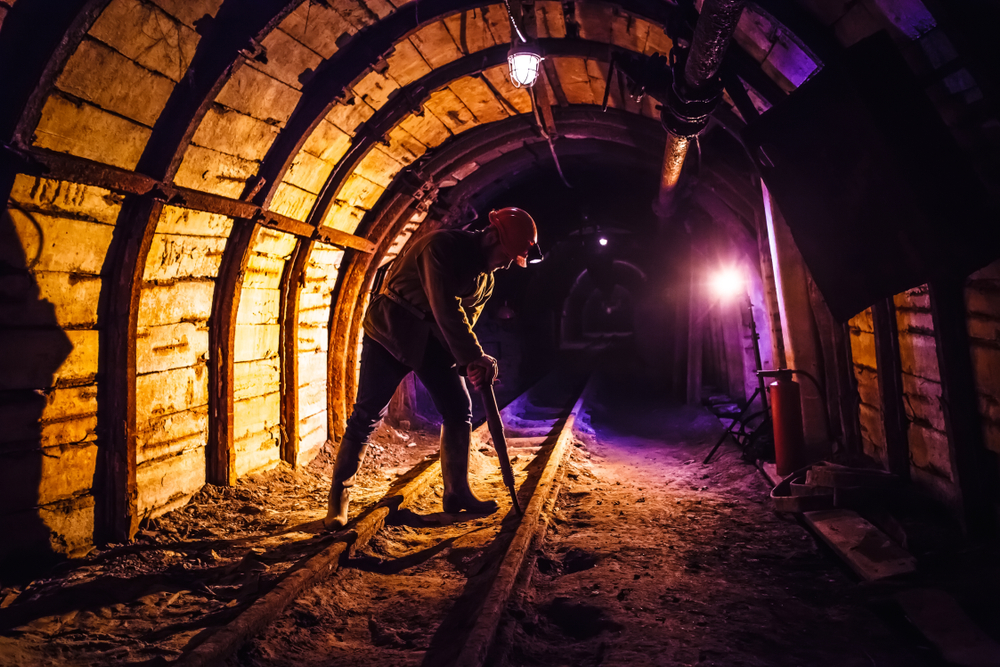
Underground mining machine operators died at a rate of 35.6 per 100,000 workers in 2024, a job that means spending a full shift hundreds or thousands of feet below the surface, where a roof collapse, a methane pocket, or an equipment failure can turn deadly before anyone on the surface even knows something went wrong.
American mining has gotten dramatically safer since the days of regular large-scale disasters, thanks to decades of federal regulation following the Mine Safety and Health Act. Mining, quarrying, and oil and gas extraction combined recorded 92 fatal work injuries in 2024, down from a peak during the shale boom a decade earlier. The work itself has not gotten any less demanding: miners still breathe coal and rock dust that causes black lung and silicosis decades later, work in heat and humidity that surface crews never experience, and rely entirely on ventilation systems and roof supports engineered by someone else to keep them alive. Mining machine operators earn a median of $58,410 a year, well by rural standards, which is part of why people keep doing it despite everything underground that can go wrong.
Artisanal cobalt miner in Congo
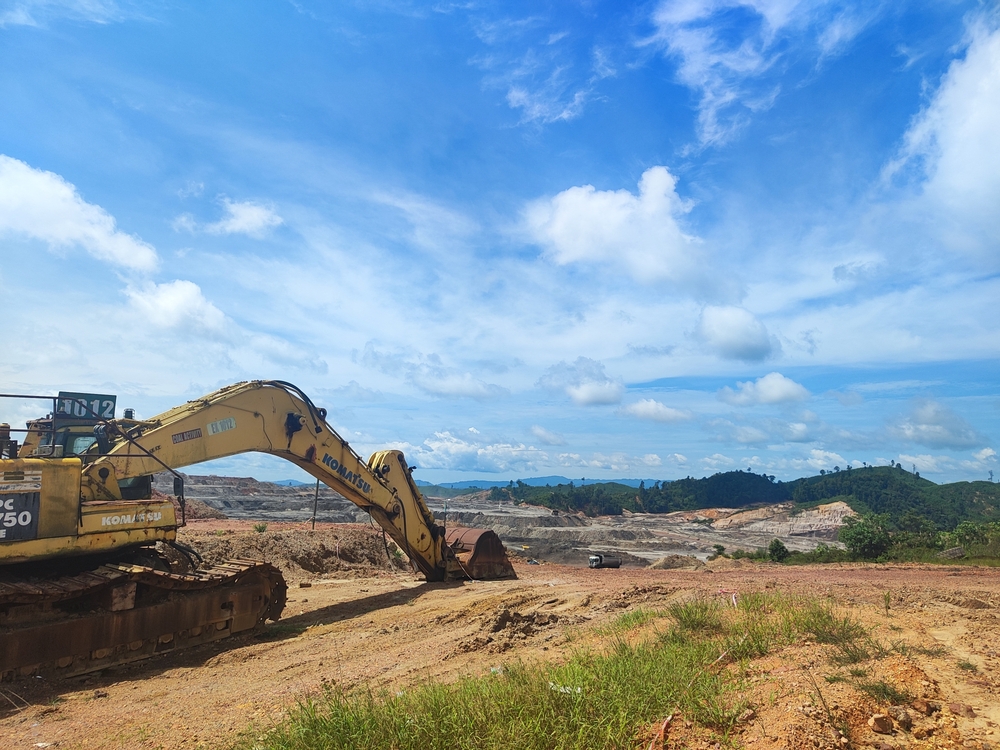
The battery in a smartphone or an electric car almost certainly contains cobalt dug out of the ground in the Democratic Republic of Congo, which produces the large majority of the world’s supply. Much of that digging is not done by machine. Researchers estimate roughly 110,000 to 150,000 artisanal miners work the cobalt-rich copper belt in the country’s south, scraping ore out of hand-dug tunnels and pits with little more than shovels and headlamps, for pay that one analysis put at around $2.70 to $3.30 a day.
In November 2025, a makeshift bridge at a cobalt and copper mine in Lualaba province collapsed under the weight of a stampeding crowd of diggers, killing at least 32 people. The miners had forced their way onto a site that had been closed for safety reasons after heavy rain, a decision that made sense only against the alternative of earning nothing that day. Tunnels collapse, mines flood, and child labor remains a documented problem across the sector despite years of pressure from international electronics and automotive buyers. The ventilation, structural supports, and safety equipment a licensed industrial mine would be required to provide rarely exist on the artisanal side of the business.
Long-haul truck driver
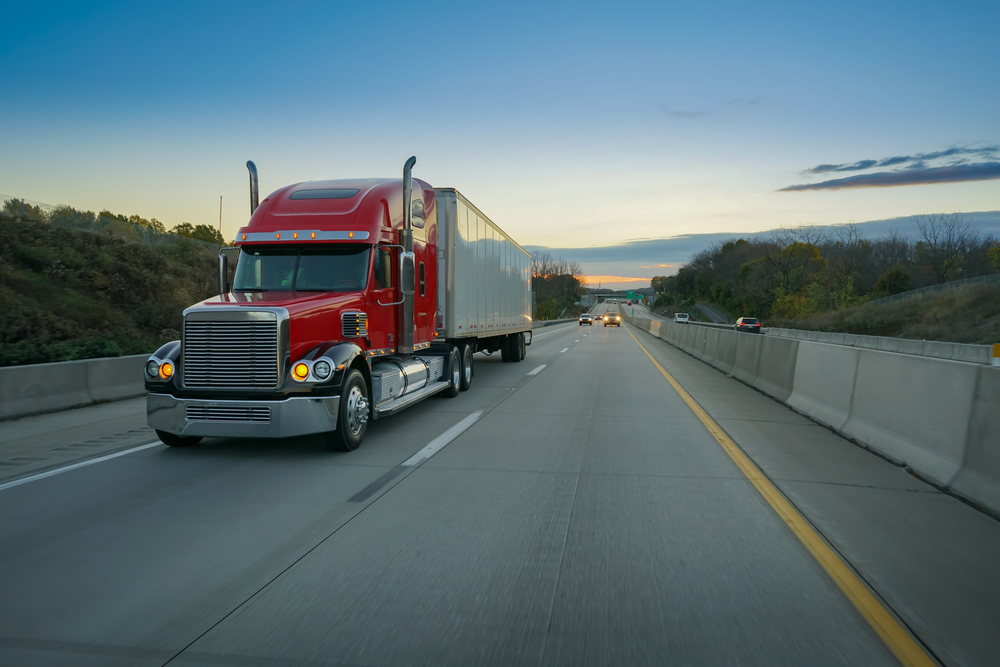
No occupation in America lost more workers in 2024 than driving a truck. Driver and sales workers and truck drivers recorded 950 fatal work injuries that year, more than any other single job category, at a rate of 25.7 per 100,000.
Most of those deaths are traffic crashes, the predictable result of spending ten or eleven hours a day behind the wheel of an 80,000 pound vehicle, often on overnight schedules that work against the body’s natural sleep cycle. Long-haul drivers eat most meals at truck stops, sleep in a cab rather than a bed, and can go days without a real conversation that is not over a CB radio or a phone. Pay has improved over the past several years as the industry has struggled to recruit and keep drivers, with the median now at $57,440 a year. The isolation wears on people as much as the physical risk does. It is one thing to drive for a living. It is another to do it alone, at night, for weeks at a stretch, with a family’s schedule running on a completely different clock than the driver’s own.
Farmer and rancher
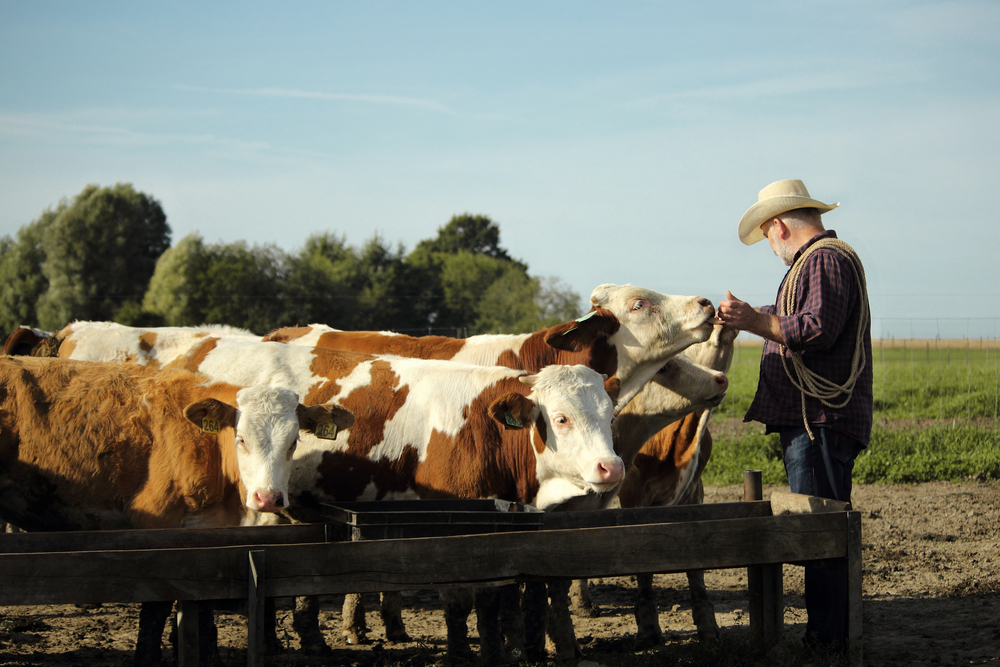
Farmers, ranchers, and other agricultural managers died at a rate of 19.4 per 100,000 workers in 2024, with 175 fatalities. Tractors roll over on uneven ground, grain bins swallow workers who get caught in shifting grain, and livestock, especially bulls and spooked horses, injure and kill handlers who have worked around animals their whole lives. Farmers, ranchers, and other agricultural managers earn a median of $87,980 a year, though that figure leaves out the many farmers who are self-employed and not captured in the government’s wage survey.
Farming is also one of the few jobs on this list where the danger comes bundled with real financial precarity. A bad growing season, a sudden drop in commodity prices, or an equipment breakdown at the wrong moment can threaten an entire year’s income in a way that has no equivalent in most other dangerous trades. Farmers tend to work alone or with a small family crew, often far from the nearest hospital, which turns injuries that would be manageable with fast treatment into something far more serious. The hours are long, dictated entirely by weather and the needs of the land rather than any schedule a person gets to choose, and the work does not stop for holidays, illness, or a bad knee.
Construction laborer
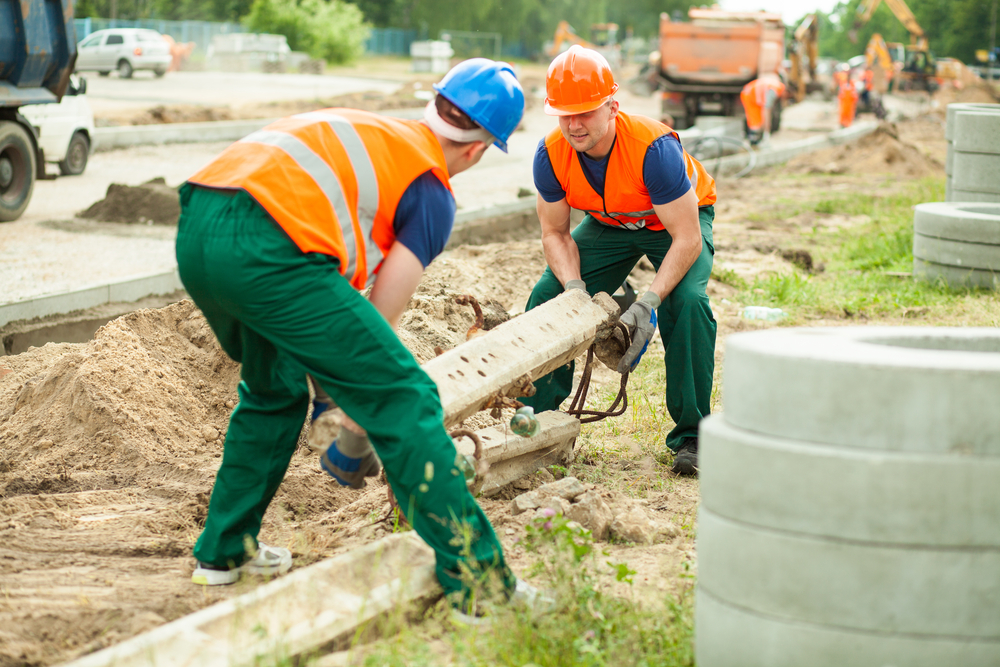
Every job site needs people doing the general hauling, digging, and setup work that keeps the specialized trades moving, and that work carries real risk of its own. Construction laborers died at a rate of 15.8 per 100,000 workers in 2024, with 334 fatalities, more total deaths than any other construction occupation the government tracks.
Laborers get hit by falling tools and materials, caught in trench collapses when soil walls give way without warning, and struck by heavy equipment backing up on a crowded site. The job demands near constant physical labor, digging, lifting, carrying, operating hand tools, often in direct sun or freezing cold with limited shelter nearby. It typically pays less than the skilled trades it supports, a median of $46,050 a year, even though laborers are frequently the ones exposed to the widest range of hazards on any given site, since their work rotates across every part of a project rather than staying confined to one specialty. Experience matters enormously here. A laborer who has learned to read a site’s hazards tends to last. One who has not usually does not stay long.
Electrical lineman

Electrical power-line installers and repairers died at a rate of 13.8 per 100,000 workers in 2024, a job that means climbing utility poles and working inside substations carrying tens of thousands of volts, often during the exact storms that knocked the power out in the first place.
Linemen get called out in hurricanes, ice storms, and wildfires, when most people are being told to stay indoors, because restoring power is considered essential work that cannot wait for better conditions. A single mistake around high voltage equipment can be instantly fatal, and the work frequently happens forty or fifty feet in the air, on a pole slick with rain or coated in ice. The median pay is $92,560 a year, reflecting the risk and the skill required, particularly for crews who travel for storm response work during hurricane season. The training pipeline is long, often four years of apprenticeship before a lineman works independently on energized lines, and for good reason. There is very little room between doing the job correctly and not surviving a shift.
Sherpa guide on Everest
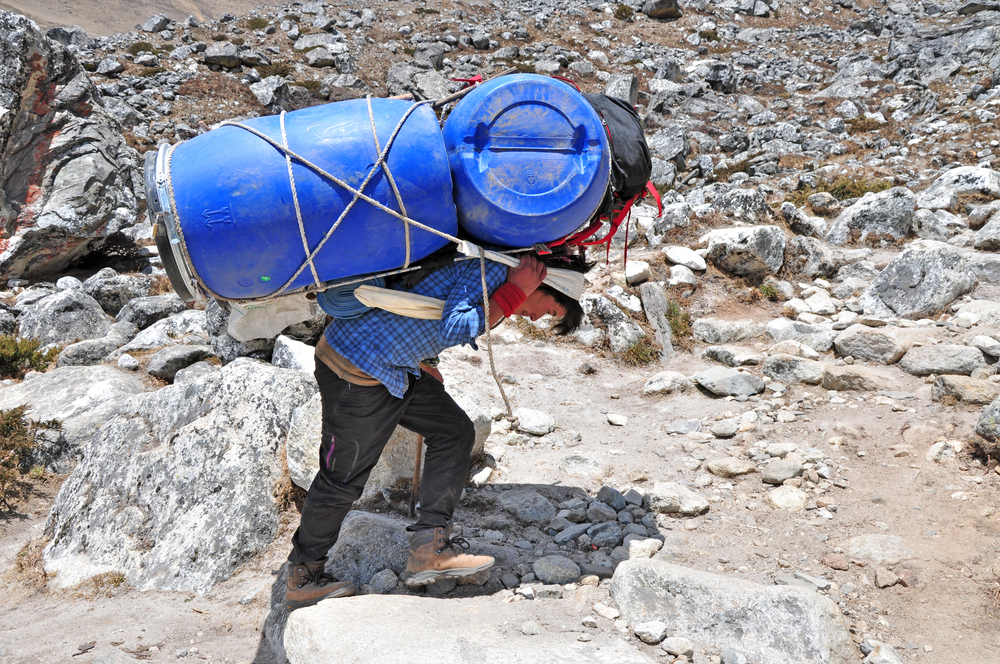
Climbers who pay for an Everest summit attempt typically cross the Khumbu Icefall, one of the most dangerous sections of the entire route, only a handful of times during an expedition. The Sherpa guides who fix ropes, carry oxygen bottles, and haul camp supplies cross it far more often, through a maze of shifting ice towers that can collapse without warning.
The 2025 spring climbing season saw five deaths on Everest, down sharply from nine in 2024 and a record eighteen in 2023. Nepali mountain workers have historically made up a disproportionate share of fatalities on the mountain, a reflection of how much more time they spend on its most hazardous terrain compared to paying clients, who usually make a single push for the summit with a full support team around them. Everest has also gotten more expensive to climb: Nepal’s government is raising the permit fee for climbing the mountain from $11,000 to $15,000 per person starting this fall. The job has made some Sherpas well known within mountaineering circles, including Kami Rita Sherpa, who broke his own record this year with his 31st summit of the mountain.
Oil and gas rig worker

Oil and gas extraction recorded 65 fatal work injuries in 2024, and a federal database built specifically to track these deaths found the industry’s fatality rate has historically run several times higher than the rate for all US workers, driven heavily by vehicle crashes on the long drives between remote well sites.
Rig work itself brings its own hazards on top of the driving: hydrogen sulfide gas that can incapacitate a worker in seconds if a well kicks unexpectedly, falls from elevated platforms, and equipment under enormous pressure that can fail catastrophically with almost no warning. Roughnecks and roustabouts often work twelve hour shifts on a rotating schedule, two or three weeks on location followed by a week or two off, with little control over conditions once a shift starts. Oil and gas workers earn a median of $52,610 a year, pay that draws people in fast during boom periods, which is exactly why oil field work has always moved in cycles with the price of crude. Workers who have been in the business for years describe a culture that prizes toughness and getting the job done, sometimes at the expense of slowing down when something looks off.
Commercial diver
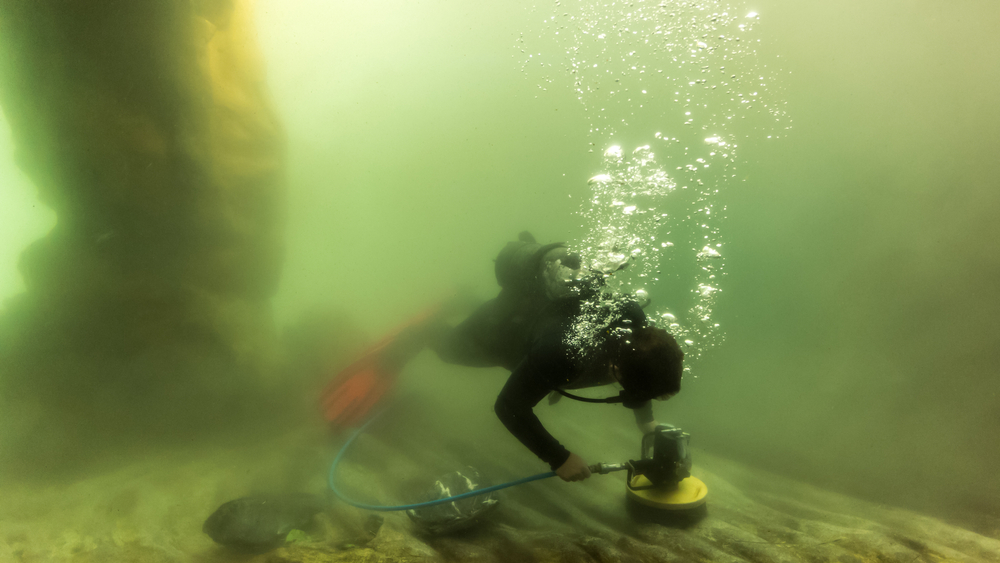
Underwater welders, pipeline inspectors, and divers who maintain bridges, dams, and oil platforms do their jobs in conditions that would panic most people within minutes: zero visibility, strong currents, and the constant physics of working under enormous water pressure. A federal analysis of occupational diving deaths found that commercial divers die at a rate of 180 per 100,000 workers a year, forty times the national average for all occupations.
The specific hazards are unlike almost anything else on this list. Decompression sickness, known as the bends, can cripple or kill a diver who surfaces too fast after working at depth. A diver’s air supply runs through an umbilical cord to the surface that can snag on wreckage or get severed outright, and cold water can bring on hypothermia fast enough to impair judgment before a diver even realizes something is wrong. Saturation divers working offshore oil platforms live inside pressurized chambers for weeks at a stretch, breathing a custom gas mixture, to avoid the days of decompression a single trip to the surface would otherwise require. It is a small, highly specialized trade, with an estimated 3,380 commercial divers working in the United States, earning a median of $72,990 a year, pay that reflects both the skill and the risk involved in diving for a living rather than for sport.
Combat soldier
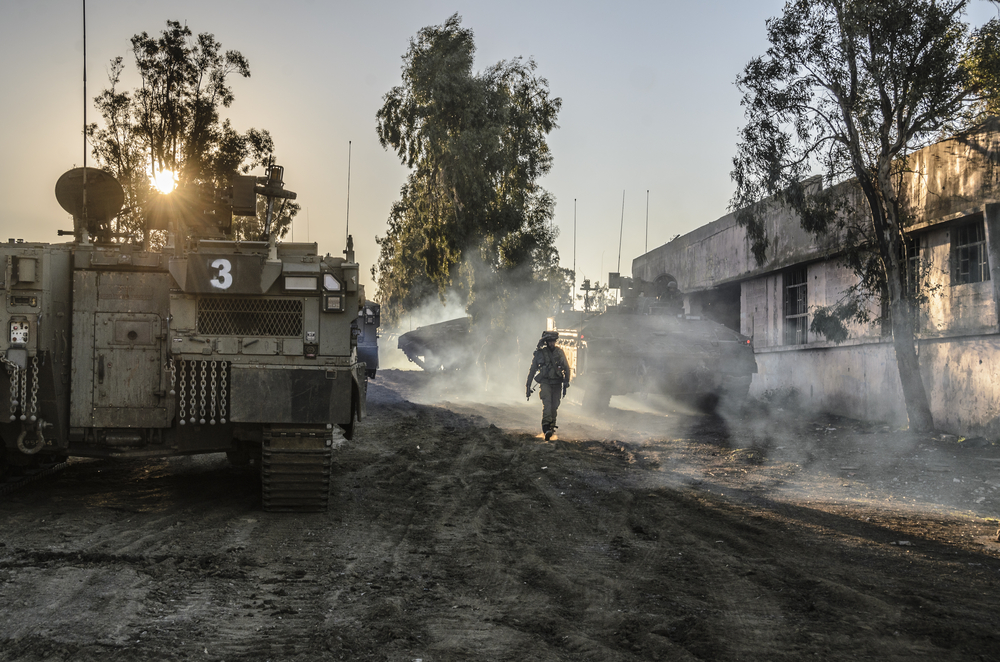
Actual combat accounts for a smaller share of military deaths than most people assume. A congressional report found that of more than 16,000 active-duty deaths since 2006, only about 16 percent came from being killed in action, while nearly a third came from training accidents.
The Army alone lost 31 soldiers to training accidents in 2025, split between aircraft crashes and ground incidents like vehicle rollovers during live exercises designed to simulate real combat conditions as closely as possible. A private’s base pay starts at about $28,880 a year before allowances, climbing to somewhere between roughly $37,700 and $45,800 for a specialist or corporal with a few years in. Training for war turns out to carry much of the same risk as fighting one: soldiers handle live ammunition, operate heavy armored vehicles over rough terrain, and jump from aircraft, all while learning skills that have to be practiced at full intensity to be worth anything in an actual deployment. Add to that the psychological weight of the job, long separations from family, the expectation of following orders into real danger, and the risk of injuries that do not show up until years later, and it becomes clear why service members describe the job as demanding in ways that go well beyond the physical.
ICU and ER nurse

Nursing looks nothing like construction or logging on paper, and yet more workers are injured in the healthcare and social assistance industry than in any other sector in the country, year after year. Nursing assistants rank among the occupations with the highest rates of musculoskeletal injury of any job tracked by the government, largely from lifting and repositioning patients who cannot move themselves.
Registered nurses specifically face nonfatal injury and illness rates of 104.2 cases per 10,000 full-time workers, noticeably higher than the 91.7 rate across all occupations combined, and nurses experience violent incidents on the job at close to three times the rate of the average worker, mostly from combative or disoriented patients in emergency departments and psychiatric units. ICU and ER nurses in particular absorb twelve hour shifts on their feet, codes that require sprinting into a room and performing chest compressions without warning, and the quieter toll of watching patients die despite everything the team did right. The median pay for registered nurses was $93,600 a year in 2024, and it has climbed further in high demand specialties and expensive cities, but burnout and turnover remain severe enough that hospital staffing shortages have become a near constant feature of American healthcare.
Firefighter
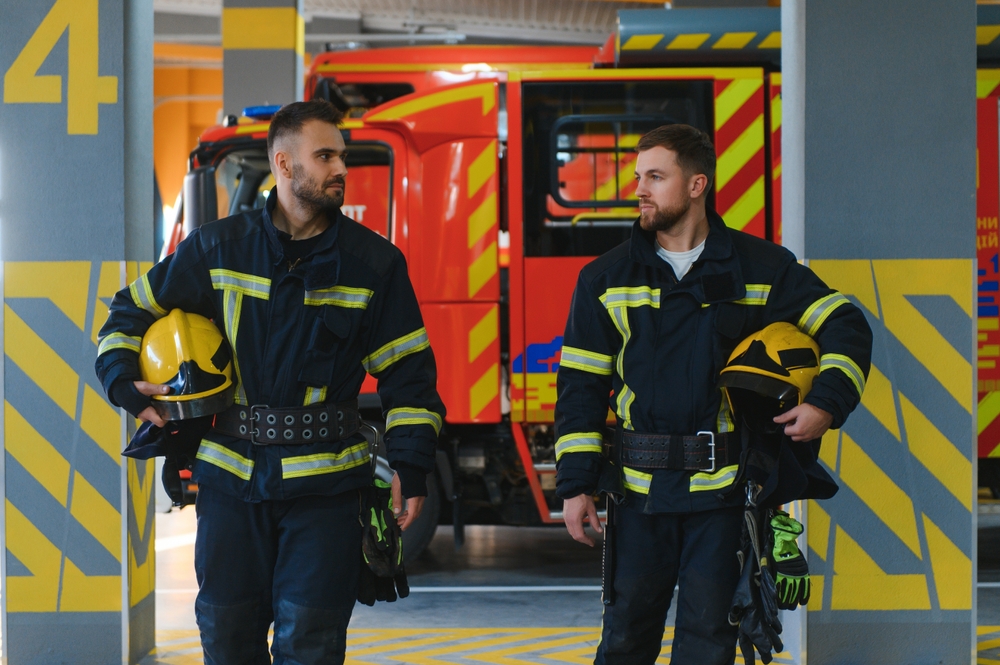
Structure fires kill and injure firefighters directly, but the job’s biggest long-term threat turns out to be slower and less visible. A National Institute for Occupational Safety and Health study of nearly 30,000 career firefighters found a 9 percent higher rate of cancer diagnosis and a 14 percent higher rate of cancer death compared to the general population, with a mesothelioma rate twice as high as the average American.
Burning buildings release a cocktail of carcinogens, from the synthetic materials in modern furniture to the diesel exhaust firefighters breathe back at the station, and turnout gear only blocks so much of it. Firefighters died in the line of duty at a rate of 4.0 per 100,000 in 2024, a lower number than many jobs on this list, which is part of why the long-term cancer risk tends to surprise people who assume the danger ends when the fire goes out. Departments across the country have started requiring firefighters to shower and change gear immediately after a fire rather than riding back to the station covered in soot, a small change driven directly by the cancer research. Median pay for firefighters was $59,530 a year in 2024, a number that says nothing about what departments spend decades later on the medical bills. It has not eliminated the risk. It has just made departments take it seriously.
Police officer

Fifty three law enforcement officers were feloniously killed in the line of duty in 2025. Total line of duty deaths for the year, a broader count that also includes accidents and illness on the job, fell to the lowest level since 1943. That decline is good news, but it sits alongside a very different trend: assaults on officers reached their highest rate in a decade in 2025, at 13.8 per 100 officers.
Policing combines several distinct kinds of risk that rarely show up together in one job: the possibility of a fatal encounter with an armed suspect, the much higher likelihood of a car crash during a high speed pursuit or a late night traffic stop, and a daily, grinding exposure to other people’s worst moments that takes a toll few other professions match. Officers respond to domestic violence calls, mental health crises, and fatal accidents as a routine part of a shift, then go home and are expected to function normally. Median pay for police and detectives was $77,270 a year in 2024, though it varies enormously by department and region, and the risk profile of the job does not track neatly with the paycheck.











