
Dealing with red bumps and inflammation after shaving or waxing is a widespread frustration for anyone who removes body hair regularly. Every single week, literally millions of individuals struggle with painful skin bumps caused simply by standard personal grooming routines. Understanding how hair follicles react to different hair removal methods helps you build an effective routine that protects your skin barrier.
Table of contents
What causes hair follicles to curve back into skin
An ingrown hair occurs when a hair strand gets cut or pulled out, curls around, and grows back into the skin instead of emerging straight out. When dead skin cells clog the top of a hair follicle, the hair gets trapped underneath and has no choice but to grow sideways. This leads to local inflammation, redness, and small bump formations that resemble minor breakouts.
Rough shaving habits make this issue significantly worse. Shaving over dry skin or pulling your skin taut while passing a blade over it forces the hair below the skin line, allowing it to curl inward as it grows back. Hair texture also plays a significant role, as naturally coarse or curly hair possesses a natural curve that makes it far more susceptible to penetrating follicle walls.
Choosing single-blade razors over crowded multi-blade models reduces how short hair is cut beneath the skin surface. When multi-blade tools lift and cut hair too low, the sharp tip can easily pierce surrounding tissue as it tries to resurface.
Practical skincare steps for smoother grooming
Preventing irritation begins well before any blade touches your skin. Preparing the skin surface removes physical barriers and softens coarse hair, which makes cutting far cleaner and less traumatic to the surrounding pore.
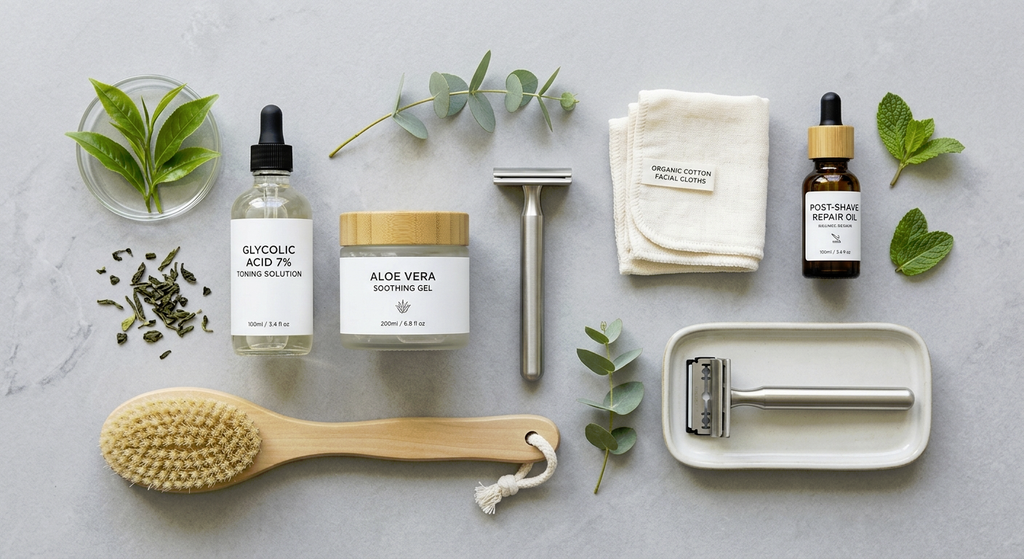
Applying consistent and easy ingrown hair prevention tips into your daily care routine ensures your skin remains resilient against post-hair removal bumps. Physical and chemical exfoliants help clear away dead surface cells so growing hair can break through cleanly. Incorporating chemical exfoliants like glycolic or salicylic acid into your routine breaks down intercellular bonds and unclogs pores without harsh scrubbing.
Using these gentle chemical formulas two to three times per week keeps pores open without creating micro-tears in the outer skin layer. Adopting proper shaving mechanics safeguards your skin barrier. Follow these baseline habits during every grooming session to lower irritation risks:
- Always shave in the direction of natural hair growth to avoid dragging follicle openings
- Warm your skin with tepid water for two minutes beforehand to soften hair shafts
- Swap out worn razor blades frequently to prevent dull edges from pulling on hair
Hydration after hair removal remains essential for calming skin tissue and can be used as part of a self-care routine that improves confidence. Applying non-comedogenic lotions restores lost moisture without blocking freshly opened pores.
Key ingredients that target skin inflammation
When bumps develop despite your best prep efforts, targeted topical ingredients provide swift relief. A growing global demand for specialized post-shave formulas reflects how common this issue is across all skin types. Choosing products with active ingredients reduces redness and speeds recovery.
Salicylic acid penetrates oil-filled pores deeply to clear trapped debris and calm local swelling, and is used for acne treatment for this reason. It acts directly on the interior wall of the follicle, making it particularly useful for stubborn, recurring bumps in sensitive areas. Glycolic acid works on the outer skin surface to smooth texture and accelerate cell turnover, helping trapped hair break free naturally.
Gentle soothing agents like aloe vera, chamomile, and tea tree oil offer immediate comfort to raw skin. They calm the burning sensation that often follows close hair removal while keeping microbial activity under control.
Long-term routine adjustments for healthier skin
Maintaining bump-free skin takes consistency, not drastic measures. Rotating gentle exfoliation with adequate rest days between hair removal sessions lets your skin barrier recover fully. Pushing through existing skin irritation with repeated shaving only exacerbates inflammatory responses.
Using warm compresses on emerging bumps helps draw hair closer to the surface without squeezing or picking. Picking at trapped hair damages delicate tissue and introduces surface bacteria into open pores, often causing dark spots or permanent scarring.
Checking product labels on other body products matters too. Heavy body oils and rich waxes can settle into open follicles after hair removal, so stick to lightweight, liquid formulas on shaving days to maintain smooth, clear skin. For more tips and articles on health and beauty topics, including skincare, explore our other related posts.










