
You open your Social Security letter, check the new amount against your rent and the grocery bill, and the number doesn’t stretch far enough to cover both. If you did that same subtraction this month, you are not imagining the shortfall, and you are far from alone.
This year, 24.6 million seniors, or 44% of everyone at retirement age, get every dollar of their income from Social Security, up sharply from 39% a year earlier. The average retired worker collected $2,085.98 a month this July, a little over $25,000 a year, in a country where rent alone can eat most of that.
A good chunk of those 24.6 million people had a real plan once, until a layoff at 58 or a divorce that split a retirement account in half quietly took it apart. Social Security itself was only ever built to replace about 40% of what an average worker used to earn, and most retirees need something closer to 70% to 80% of that old income to live the way they did before. Fixing that shortfall doesn’t take an act of Congress. It takes knowing your own numbers before you decide anything else.
Find out exactly what your check will really cover

Log into your own Social Security account and pull your real benefit estimate at 62, at full retirement age, and at 70, not the number you assume you’ll get. Then hold each of those figures up against your actual monthly bills: rent or mortgage, utilities, insurance, medication, food, and transportation, added up in real dollars rather than a rough guess.
For a lot of people, the number at 62 doesn’t come close to covering that list, the number at full retirement age gets closer, and the number at 70 is the first one that actually works. That comparison is what tells you whether delaying, working a few more years, or cutting a specific expense actually solves your problem, instead of guessing at a plan and hoping it holds.
Keep in mind that the yearly cost-of-living adjustment is not a raise. It exists only to track inflation, and benefits rose 2.8% for 2026, which measures general prices, not the housing and health care costs that tend to rise faster and hit a fixed income the hardest. Build your comparison around what you are actually paying today, and do this exercise once, in writing, before you make any other decision on this list.
Delay claiming for as long as your budget can stand it

Every year you wait past full retirement age adds an extra 8% to your monthly benefit, all the way to age 70. Claim before full retirement age instead, and you give up nearly as much in the other direction, up to a permanent 30% cut if you start at 62. On a $2,000 full-retirement-age benefit, that swing is roughly $1,400 a month at 62 versus about $2,480 a month at 70, for the rest of your life.
This isn’t a bet on how long you’ll live. It rewards patience more than almost any other financial decision you’ll make in retirement. If part-time work, savings, or a spouse’s income can bridge even two or three extra years, that delay locks in a meaningfully bigger check for every year after. If you truly can’t wait, claiming early to cover a real gap isn’t a failure. It just means the other steps here matter more for you.
Don’t leave spousal or survivor money on the table

If you were married, even briefly, or divorced after a marriage that lasted years, you may be owed money you’ve never claimed. A spouse who worked little or not at all can collect up to half of the higher earner’s full retirement age benefit, and a widow or widower can receive between 71.5% and 100% of what a deceased spouse was collecting, depending on the survivor’s age when they file. Divorced spouses can qualify too, as long as the marriage lasted at least 10 years and the person applying is currently unmarried.
This doesn’t pay out automatically. Social Security pays whichever amount is higher, your own benefit or the spousal or survivor amount, but only once you apply and specify which one you’re claiming. Plenty of widows and widowers keep collecting a smaller benefit on their own record for years simply because no one at the local office mentioned the alternative. Call and ask, in writing, what you would receive under every option available to you before you file anything.
Apply for every assistance program you already qualify for
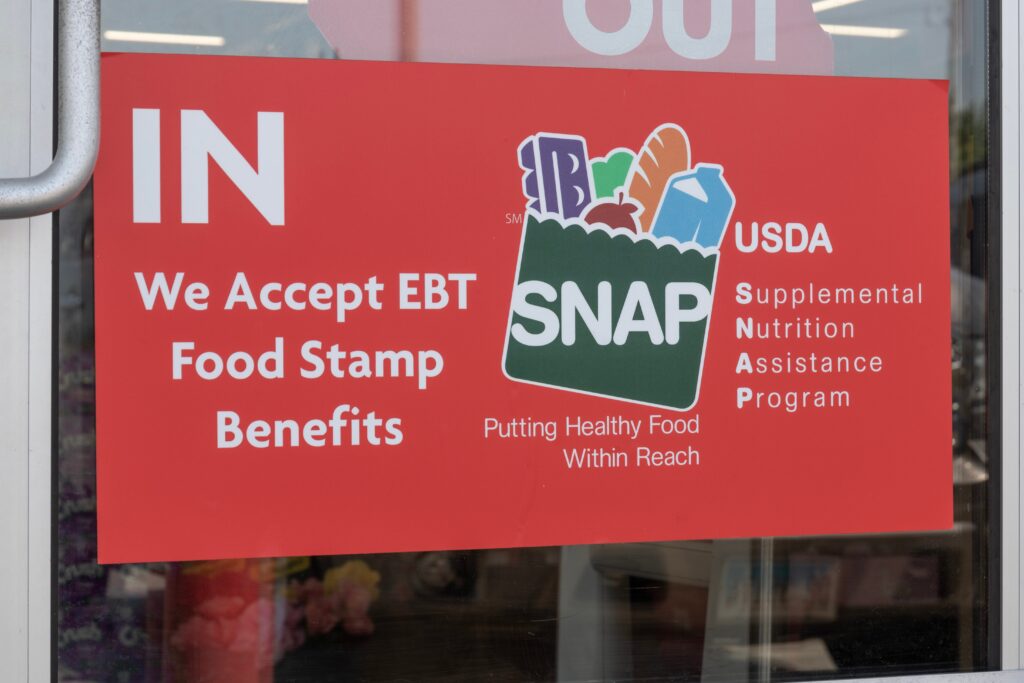
Living on a fixed income usually qualifies you for help rather than disqualifying you from it. A single senior with net income under $1,305 a month, or $1,763 for a couple, generally meets the food stamp income limit for fiscal year 2026, and medical expenses above $35 a month can be deducted before that number is even calculated, which pulls plenty of people under the line who assumed they were over it.
Medicare works the same way. The Qualified Medicare Beneficiary program covers Part A and Part B premiums, deductibles, and copays for an individual earning up to $1,350 a month, and Extra Help lowers prescription costs for people who don’t even qualify for that. These are exactly the programs built for someone living on Social Security alone. Call your local Area Agency on Aging or apply through your state’s Medicaid office directly. The application takes an afternoon. Skipping it can cost hundreds of dollars a month you are legally entitled to.
Turn silver, gold, and other overlooked valuables into cash

Look through drawers, jewelry boxes, and that box in the closet nobody’s opened since a parent died. Sterling silver flatware, old gold jewelry, silver coins, even a class ring, are worth more right now than they have been in years. A typical 32-piece sterling silver flatware set can bring $800 to $1,500, and silver itself was trading near $67 an ounce in early September, more than double where it sat a year before. Gold has climbed just as fast, and even a drawer of mismatched chains, single earrings, and a class ring nobody wears can add up once a legitimate buyer weighs it.
Selling any of it doesn’t require an appraisal you pay for upfront. A reputable buyer will quote you based on weight and purity, and a local jeweler, coin dealer, or pawnshop can give you a second opinion before you commit to anything. Silver that has sat untouched in a drawer for a decade isn’t doing anything for you there, and turning it into a few months of grocery money is not something to feel guilty about.
Build one income stream you can actually keep up

A part-time job doesn’t need to swallow your retirement to help your budget, and the trick is picking something that uses your time and your presence rather than a skill artificial intelligence tools already do cheaper, so skip virtual assistant work, bookkeeping, data entry, and freelance writing gigs that are drying up even for people who need the income more urgently than you do.
Retail and grocery stores hire part-time and seasonal help year-round. Driving for a rideshare or delivery app pays by the trip and lets you set your own hours. Pet sitting, dog walking, and house-sitting through neighborhood apps pay well for something most retirees already know how to do. School districts and event venues need part-time crossing guards, ushers, and ticket takers. Museums, historic sites, and tour companies actively recruit retirees as docents because visitors like talking to someone who actually lived through the history on display. Pick whichever one fits your body and your calendar, not whichever pays the most per hour, and you are far more likely to still be doing it in a year.
Rethink your housing costs before they force the issue

Housing is usually the line item retirees underestimate, and it’s worth attacking first since it eats the biggest single slice of a fixed income before anything else gets paid. Selling a home that has appreciated for twenty or thirty years and moving to something smaller, a condo, a manufactured home, an over-55 community, or a rental in a lower-cost area, can free up real equity and cut your monthly costs at the same time.
If moving isn’t realistic, renting out a spare room or an accessory unit to another retiree or a student can bring in real money without you leaving at all. Many counties also offer property tax freezes or exemptions for seniors on a fixed income, and it is worth calling your assessor’s office directly rather than assuming you don’t qualify. Whatever you choose, run the numbers before a roof, a furnace, or a tax bill makes the decision for you. Housing choices made in a crisis are almost always worse than the same choice made a year early.
Living on Social Security alone isn’t a personal failure, and fixing it isn’t one big move. It’s five or six ordinary decisions, made on purpose, before the next check arrives.











