
Every real estate agent has a story about the couple who spent $30,000 gutting their kitchen expecting a windfall at closing, then watched the appraisal barely move. A few miles away, another homeowner spent under $5,000 on a new garage door and recouped more than double that at resale.
That’s not luck. The newest national renovation data puts a garage door replacement at a 267.7 percent return, higher than any other project tracked, including additions, full remodels, and new siding.
You don’t need a construction loan or a free summer to raise what your house is worth. You need to know which updates buyers actually notice and which ones just look expensive.
Replace your garage door
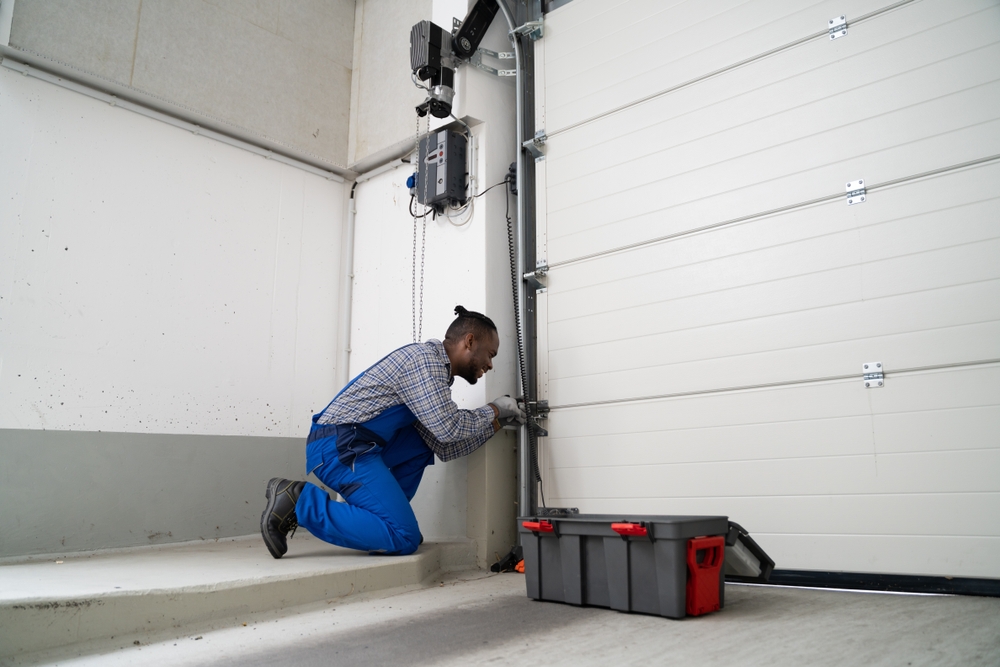
A garage door often makes up close to a third of a home’s front-facing exterior, so it carries more visual weight than most people give it credit for. The average project costs $4,672 and adds $12,507 in resale value, a 267.7 percent return that beat every other renovation tracked in the latest national data, for the second year running.
That return holds up because the logic is simple. A steel or insulated door installs in a day, doesn’t require permits in most areas, and instantly erases the most obvious sign of an aging exterior, a dented, faded, or mismatched door that photographs badly in listing photos. Buyers form an opinion of a house before they ever walk through the front door, and a scuffed garage door suggests the rest of the house has similar neglect, even when that isn’t true.
If your current door is more than 15 years old, has visible dents, or doesn’t match your home’s trim color, this is the one project on this list worth paying a professional to install correctly. Get a few local quotes. Prices vary more by region than almost anything else here, and a fast, clean install counts for more than the brand name on the door.
Put in a new steel front door
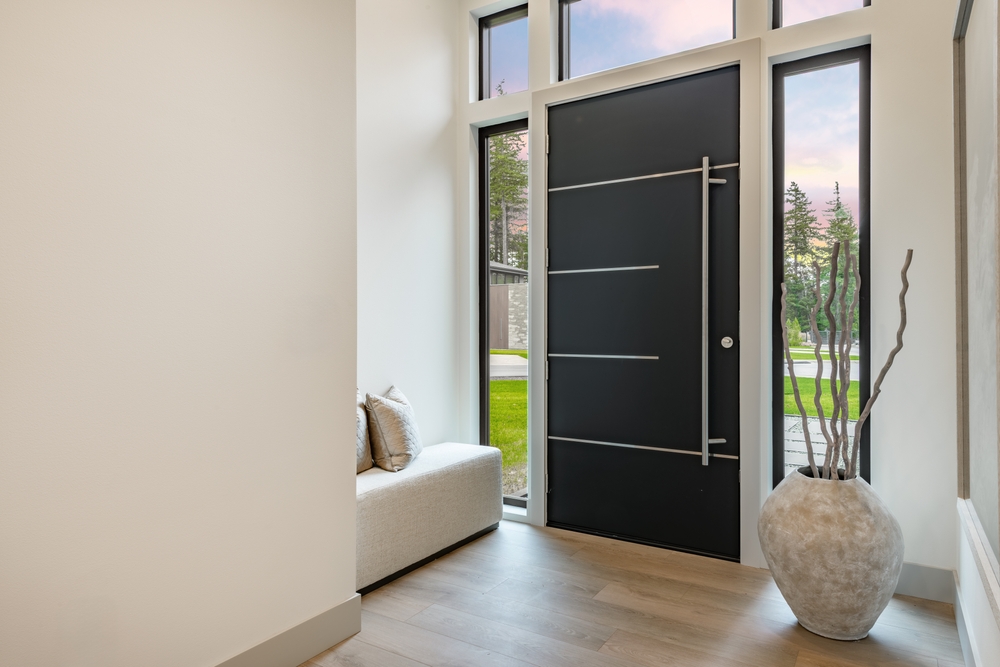
A steel front door is the only project in recent realtor survey data that recovers 100 percent of its cost when the home sells, and it isn’t the most expensive option on the list. The typical steel entry door replacement runs $2,435 and adds about $5,270 in resale value, a 216 percent return.
Steel doors resist warping, dents, and the sun damage that turns a wood door gray and cracked within a few years. Fiberglass costs more upfront but mimics a wood grain finish if that matters to you. Either way, the jump from a hollow, builder-grade door to a solid one with a proper deadbolt and updated hardware changes how the whole entrance reads, for less than most kitchen appliance packages cost.
Measure your existing frame before you shop. Most residential entry doors are a standard 36 by 80 inches, but older homes sometimes deviate, and a custom size adds real money to the project. Pair the new door with fresh trim paint and you get an entrance that looks like it belongs on a house worth more than yours currently appraises for.
Paint the front door black
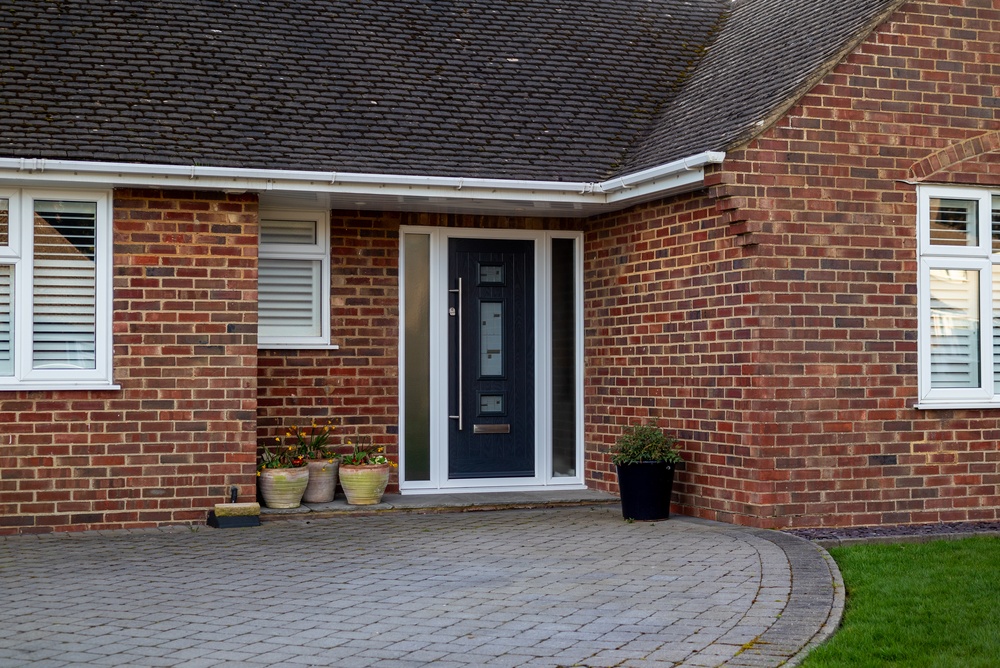
Paint color on a single door sounds like a minor detail, and it costs next to nothing, but it’s one of the more surprising findings in recent buyer research. Homes with a black front door have sold for $6,450 more than comparable homes with other door colors, and black was the only shade that showed that effect.
Gray, the color that dominated builder palettes for the past decade, actually underperforms compared to almost every other option, including plain white. Nobody has fully explained why black works this well, though real estate agents tend to point to the sense of intention it conveys. A black door reads as a design choice rather than a leftover default.
This is a weekend project with a can of exterior-grade paint, painter’s tape, and a few hours of dry time between coats. Clean the door first with a degreaser if it’s been years since the last paint job, and remove the hardware rather than taping around it for a cleaner result. It’s one of the cheapest facelifts a house can get, and it costs less than a single throw pillow from a home decor store.
Repaint the interior in neutral, buyer-ready colors
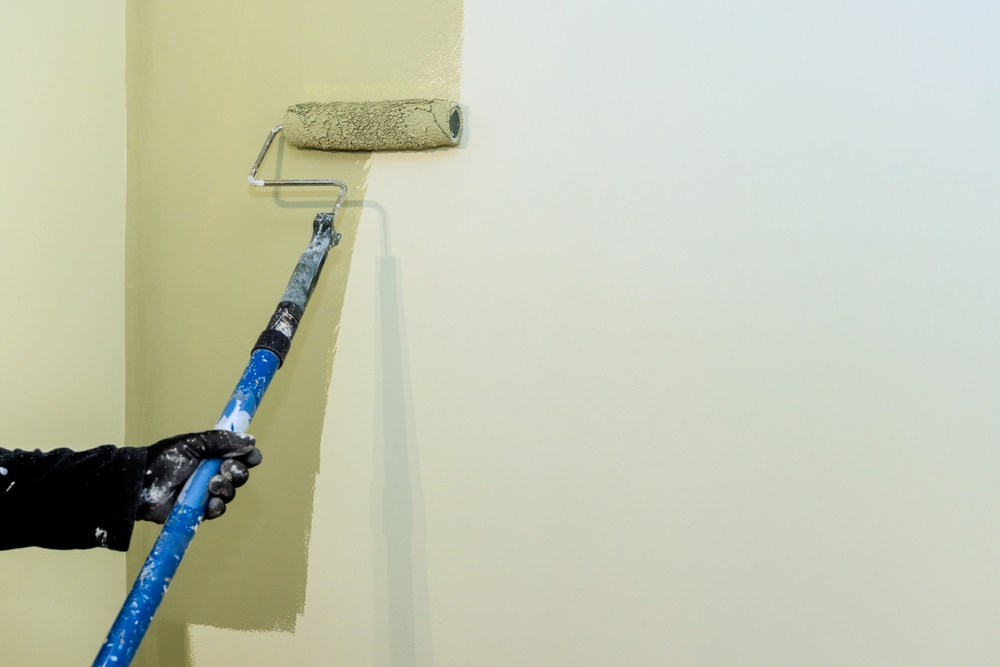
Interior paint was the single most common project sellers tackled before listing last year, done by nearly a third of them, and it’s not hard to see why. Nail holes, scuffed baseboards, and years of accumulated wall grime show up clearly in listing photos and video tours in a way they never do in daily life.
Color choice matters more than most homeowners assume. One analysis found that an olive green kitchen sold for an extra $1,600 compared to other colors, while stark white kitchens actually underperformed warmer neutrals. The lesson isn’t to chase one trendy shade everywhere. It’s that a considered, current color palette comes across as more valuable than the beige everyone associates with a rental unit.
Focus on the rooms buyers weigh most: the kitchen, the primary bedroom, and the main living space. A gallon of quality paint runs $30 to $60 and covers roughly 400 square feet, so a full room typically costs under $150 in materials if you do the labor yourself. Patch nail holes first, prime over any dark or saturated existing colors, and use a semi-gloss on trim so it holds up to cleaning.
Give the exterior a fresh coat of paint
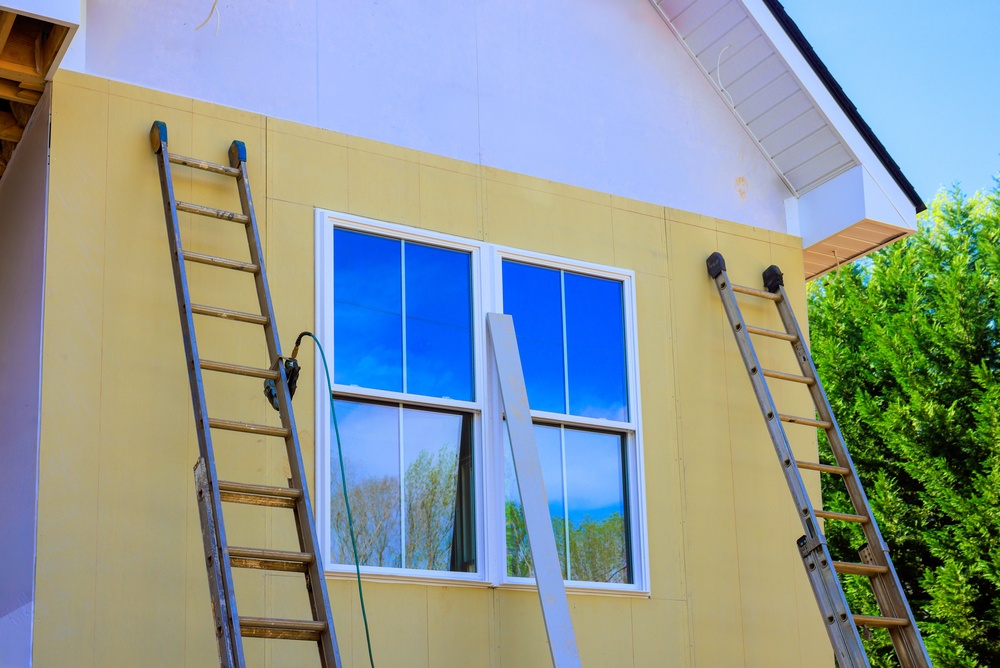
Painting the whole exterior costs more than most items on this list, averaging around $3,177 nationally, but real estate agents rank it as the single most recommended project for sellers to complete before listing, ahead of new flooring, bathroom work, and even roofing.
The reason is visibility. Every buyer sees your exterior before anything else, whether they’re scrolling listing photos at midnight or driving past on a Sunday afternoon. Chalky, faded paint or peeling trim signals deferred maintenance even when the structure underneath is fine, and buyers tend to assume the worst about what they can’t see once they’ve noticed what they can.
You don’t have to repaint every year to get the benefit. A quality exterior paint job holds up for 5 to 10 years depending on the material and climate, which makes the cost easier to justify even if you’re not selling anytime soon. If a full repaint is out of budget this year, prioritize the trim, shutters, and any bare wood surfaces, since rot spreads fast once paint stops protecting what’s underneath.
Paint or reface your kitchen cabinets instead of replacing them

A full cabinet replacement runs anywhere from $2,000 to $30,000 depending on materials and kitchen size, which puts it out of reach for a lot of budget-conscious homeowners. Refacing, where the boxes stay and only the doors and drawer fronts change, costs $900 to $6,000 and gets most of the visual impact for a fraction of the price.
Painting goes even further. A professional cabinet paint job typically runs $3,000 to $6,000 for a standard kitchen, and a careful DIY version can come in well under $500 in supplies if you’re willing to do the sanding, priming, and multiple thin coats a good finish requires. Dated oak or cherry cabinets from the 1990s and early 2000s age a kitchen in listing photos more than the countertops or appliances buyers actually spend money to replace.
Sand lightly, use a bonding primer made for cabinetry, and give yourself a full week if you’re doing it yourself, since rushed dry time between coats is the most common reason a cabinet paint job looks amateur instead of professional.
Swap the cabinet and drawer hardware

Hardware sounds like a footnote next to a full cabinet update, but it’s one of the simplest projects on this list for a beginner to finish in an afternoon with a drill and a tape measure. Installing new knobs and pulls throughout an average kitchen costs about $300 professionally, and less than half that if you do it yourself and buy hardware on sale.
The visual payoff is bigger than the price tag suggests. Builder-grade brass or dated oil-rubbed bronze pulls date a kitchen almost as fast as the cabinets themselves, and matching black or brushed nickel hardware across every door and drawer creates a sense of intentional design even if nothing else in the kitchen has changed.
Measure your existing hole spacing before you order, since pulls and knobs come in different hole-to-hole distances and mismatched spacing means drilling new holes or living with the old ones showing. If your current hardware uses a single center hole, buying replacement knobs is nearly foolproof. Switching from knobs to two-hole pulls is where most DIY projects go sideways, so measure twice before you touch the drill.
Update outdated light fixtures
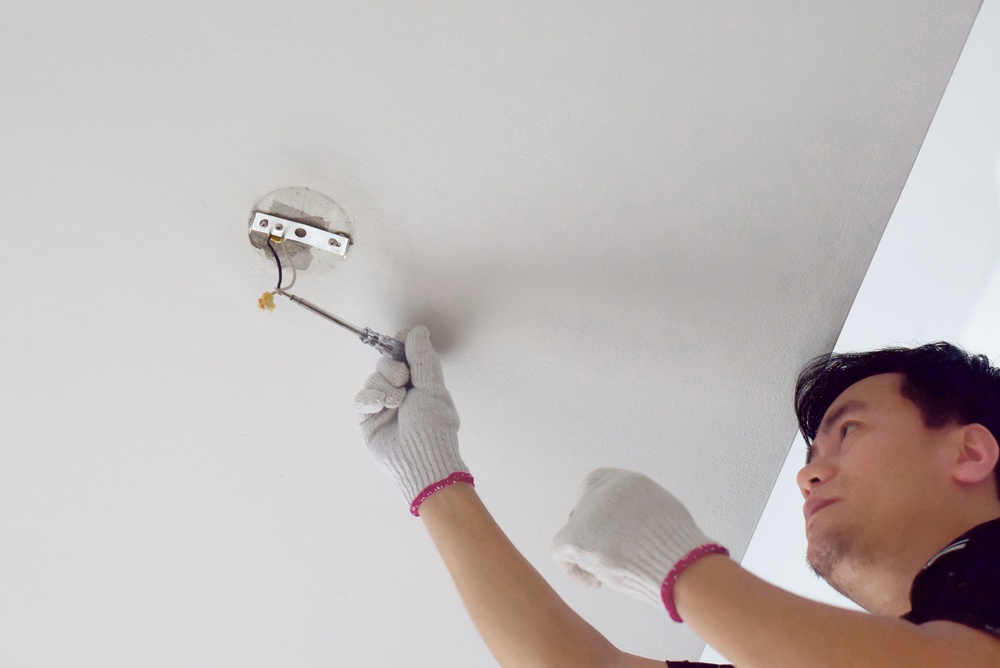
Lighting gets overlooked because it works even when it looks tired, so homeowners live with a dated fixture for years before noticing how much it ages a room. Swapping a single indoor fixture runs $158 to just over $1,000 installed depending on the type, while replacing a porch or entry light typically costs $65 to $250 per fixture.
Brass fixtures with frosted glass globes, a staple of homes built before 2010, read as immediately outdated next to a matte black or brushed nickel replacement. The entry light carries more weight than people expect, since it’s often the only exterior light a buyer sees clearly in evening listing photos or a dusk showing, and a rusted or yellowed fixture undercuts a freshly painted door faster than almost anything else on this list.
If your electrical box and wiring are already in good shape, a fixture swap is one of the more approachable electrical projects for a confident DIYer, since it usually involves the same two wires and a ground rather than new wiring runs. When in doubt about your home’s wiring age, hire an electrician. It’s a small cost next to the risk of doing it wrong.
Tidy the landscaping and lay fresh mulch
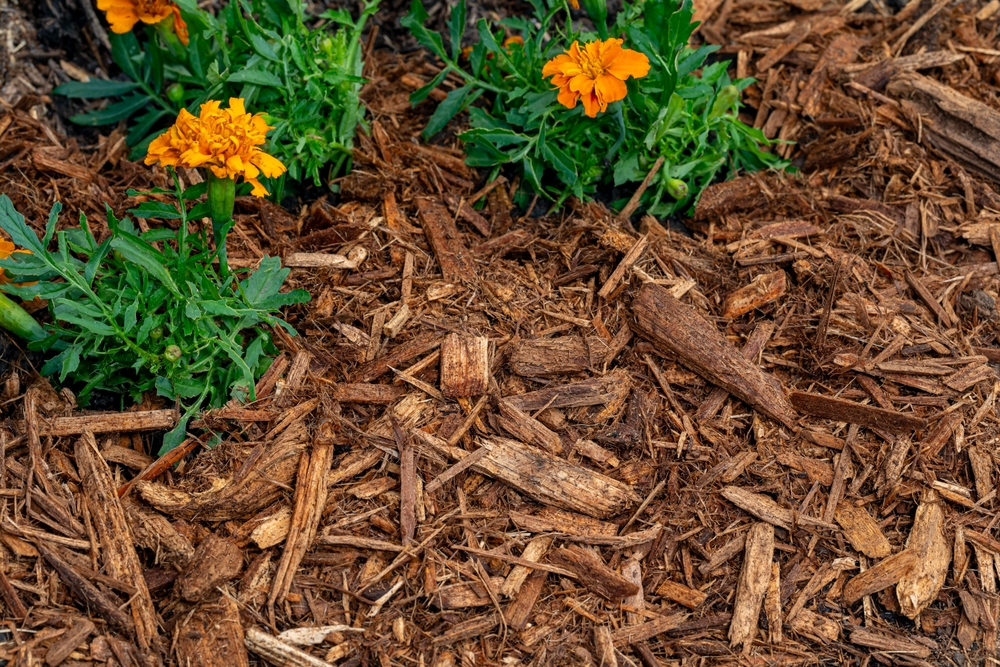
Landscaping was among the most common projects sellers took on before listing last year, and real estate agents overwhelmingly back that instinct. The vast majority recommend improving curb appeal before a home goes on the market, and nearly all of them consider it important to how buyers respond during a showing.
None of this requires a landscape designer. Fresh mulch along the foundation and walkway beds runs a modest amount per cubic yard and instantly looks maintained, even over plantings that are a few years overdue for a trim. Edge the lawn where it meets the driveway and walkways, pull weeds from cracks and beds, and cut back anything blocking windows or the front door, since overgrown shrubs read as neglect even on an otherwise well-kept property.
Skip expensive additions like water features or elaborate hardscaping if resale value is the goal. Buyers consistently respond better to a simple, well-maintained yard than an elaborate one that hints at ongoing upkeep costs. A weekend spent mowing, edging, mulching, and trimming does more for how a house is perceived than almost any other project on this list, and it costs closer to $100 than $1,000.
Seal driveway cracks and update your house numbers
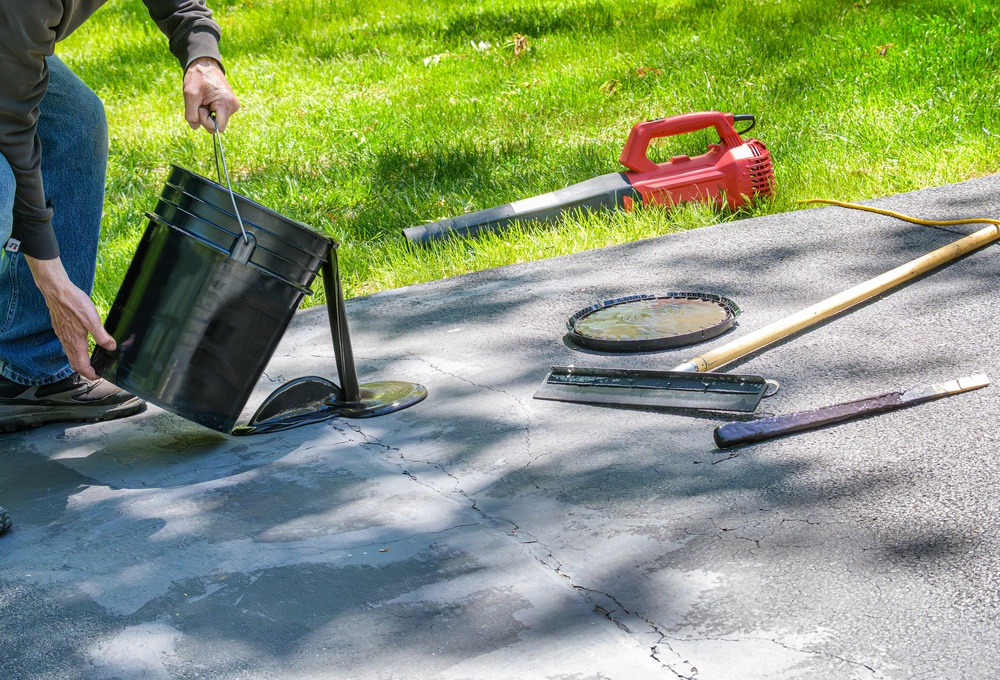
Some of the cheapest fixes on this list live at the edge of the property, in the details buyers notice without consciously registering why. Sealing hairline cracks in a driveway or walkway and swapping tired, mismatched house numbers are both projects flagged as effective, low-cost updates that fit into a single weekend.
A tube of concrete crack filler costs a few dollars at any hardware store and takes an afternoon for a typical residential driveway, well before the cracks widen enough to need a full resurfacing job that runs into the thousands. House numbers are even simpler. Modern, matching numerals in a finish like matte black or brass cost under $50 for a full set and take twenty minutes to install with a drill and a level.
Both projects share the same logic. Neither one is going to move an appraisal on its own, but they remove small signs of neglect that add up in a buyer’s mind during a drive-by or a listing photo scroll. A cracked driveway and mismatched numbers raise questions about maintenance even when the roof and foundation are in perfect shape.
Make small bathroom updates instead of a full remodel
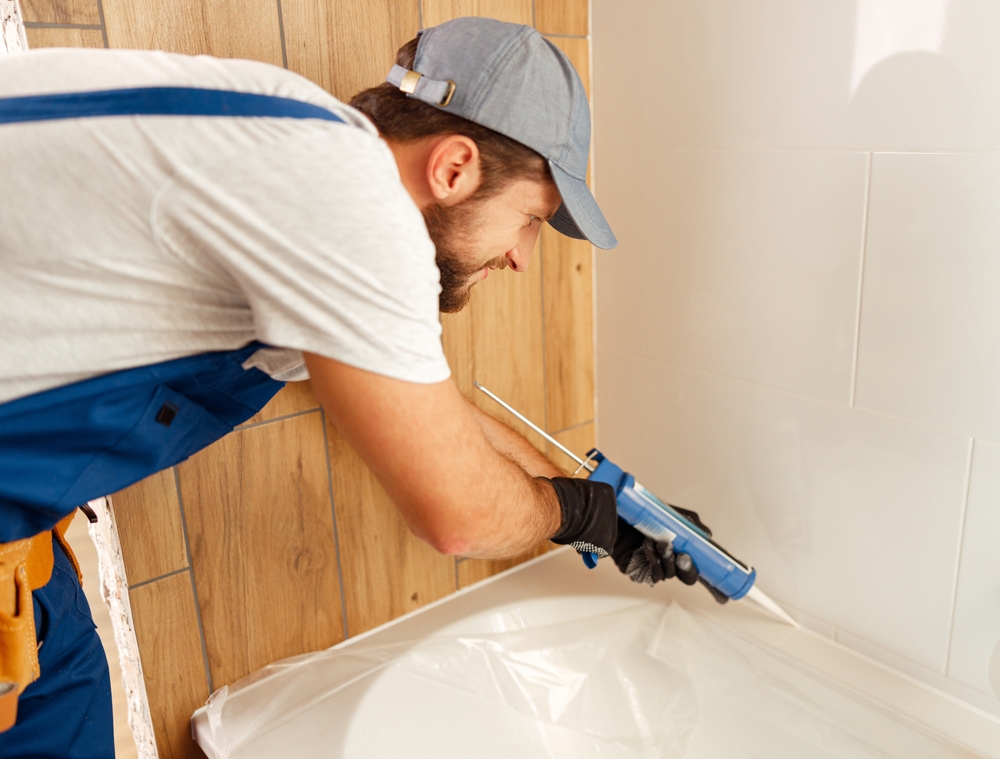
A full bathroom remodel averages more than $26,000 nationally and recoups about 80 percent of that at resale, which makes it one of the weaker investments if resale value is your main goal. More than a quarter of sellers made bathroom improvements before listing last year, but the ones that paid off were rarely full renovations.
Re-caulking or reglazing a tub costs a fraction of replacing it and removes the yellowed, moldy caulk line that makes an otherwise clean bathroom look neglected. Swapping a dated vanity light, especially the multi-bulb glass-globe fixture common in homes built before 2005, modernizes the whole room for under $150 in most cases. New matching towel bars, a toilet paper holder, and cabinet hardware round out the refresh for another $50 to $100.
None of these projects require touching plumbing or tile, which keeps both the cost and the risk of something going wrong low. Save the full gut renovation for a bathroom you plan to use for years, not one you’re updating purely to help a sale.
Deep clean or refinish the flooring
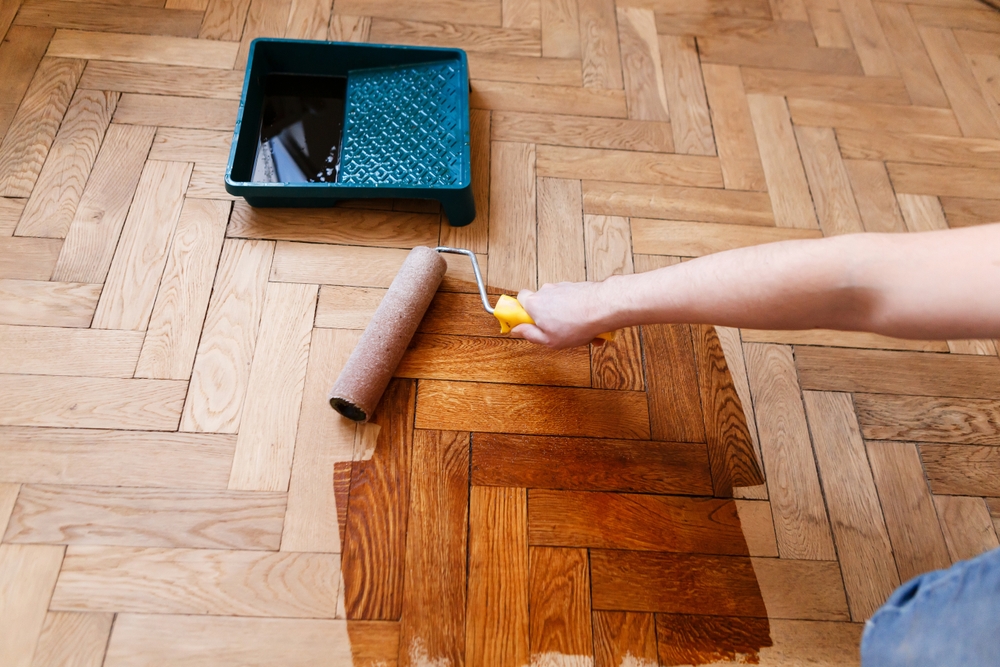
Roughly a fifth of sellers repaired or replaced flooring before putting their home on the market last year, but replacement isn’t always necessary. A deep clean and, where needed, a professional refinish gets most homes most of the way there for a fraction of the cost of new flooring throughout.
Hardwood floors with surface scratches and a dulled finish often look new again after a light sand and a fresh coat of polyurethane, a process called screening that costs far less than a full refinish since it doesn’t remove the wood down to bare grain. Carpet, meanwhile, responds dramatically to professional steam cleaning, especially in homes with pets, and it’s one of the fastest updates you can schedule the same week you list.
Stains that won’t lift, matted traffic patterns near doorways, or flooring that’s visibly different between rooms are the ones worth spending money on. Everything else, the dust, minor scuffs, and general wear of a lived-in home, usually comes out with a deep clean rather than a replacement, and buyers can’t tell the difference in photos or a walkthrough either way.
Handle the small repairs before anyone tours the house

Peeling wallpaper, a leaky faucet, cracked tile, and overgrown landscaping are specific repairs flagged as the ones to fix before a buyer walks through, and they share a common thread: none of them are expensive, but all of them raise questions a buyer wasn’t planning to ask.
A running toilet or dripping faucet looks like a plumbing problem even if it’s a ten-dollar washer, and buyers who spot one small unresolved issue tend to look harder for others, sometimes finding problems that were never actually there. This is less about vanity and more about controlling the narrative. A house that shows well tells a buyer the owner paid attention, which makes them trust the parts of the house they can’t personally inspect.
Walk your own house the way a stranger would, room by room, and write down anything that catches your eye: a chipped switch plate, a sticking door, a stained ceiling tile from a leak that was fixed years ago. Clear the counters and closets while you’re at it. Most of this list gets resolved with a Saturday, a toolbox, and under $100 in hardware store supplies.
Pressure wash the house, driveway, and walkways
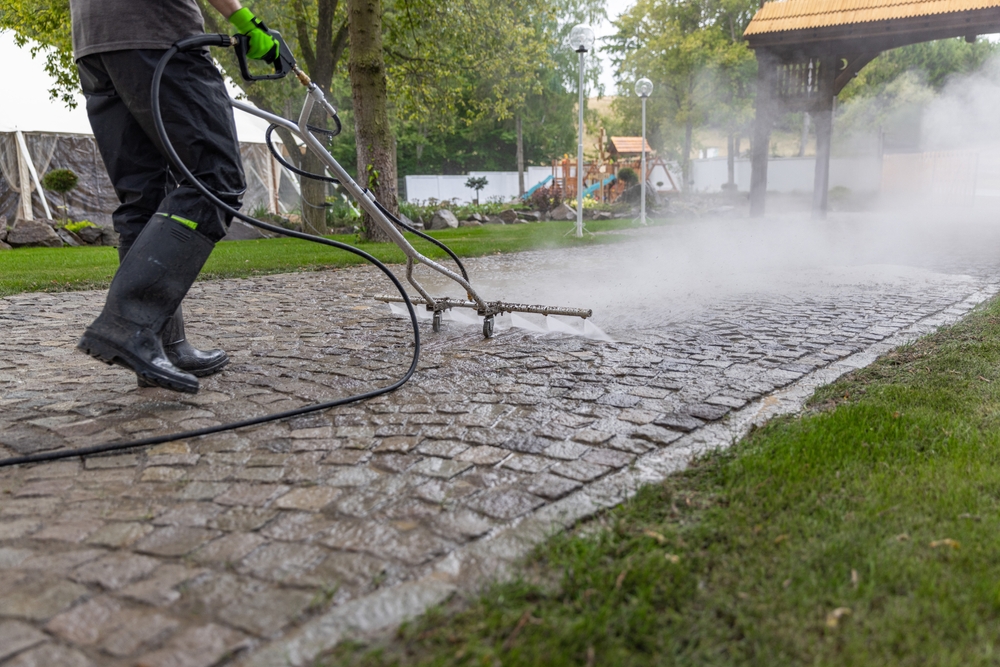
Years of dirt, pollen, and algae buildup happen slowly enough that most homeowners stop noticing their own siding has gone gray, until a freshly washed neighbor’s house makes the difference obvious. Washing an entire house exterior averages $311 professionally, while driveways alone typically run $100 to $250, making this one of the highest-impact projects per dollar on this list.
The transformation is immediate in a way painting isn’t. There’s no drying time, no color decisions, and no risk of clashing with existing trim, just the original color and texture of your siding, brick, or concrete restored to what it looked like when it was new. Vinyl and brick tolerate standard pressure washing well, but wood siding, painted surfaces, and roof shingles need a lower-pressure soft-wash approach with a cleaning solution instead of brute force, since high pressure can strip paint or force water behind siding panels.
Rent a pressure washer for about $50 to $100 a day if you want to do it yourself, or hire it out if your home has more than one story, since ladder work on a wet, slippery surface is where most DIY pressure washing injuries happen.
Install a smart thermostat
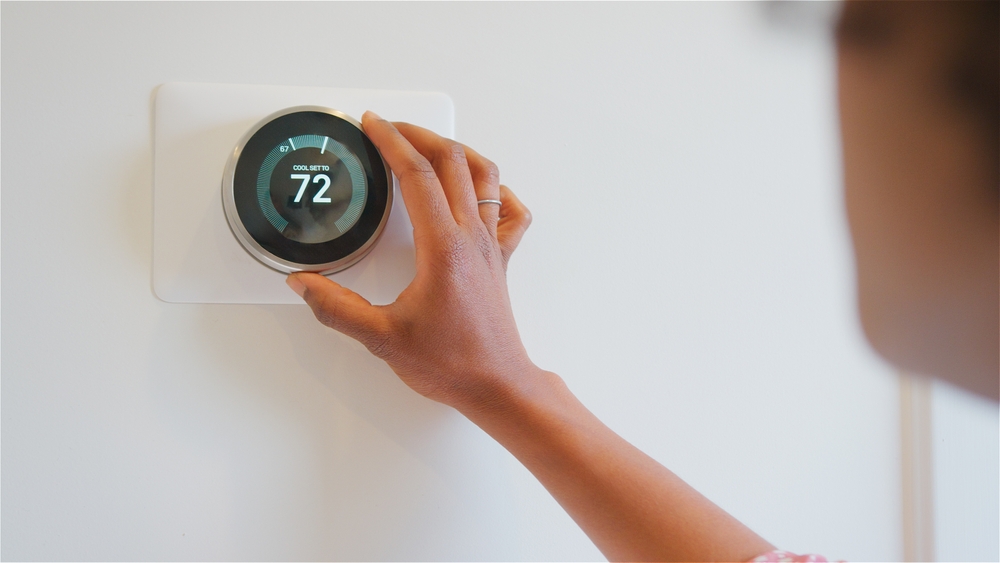
A smart thermostat costs $130 to $280 for the device itself, plus installation if you’re not comfortable working with low-voltage wiring, and it pays for itself through smaller, steady savings rather than one dramatic number. A certified smart thermostat saves the average household about 8 percent on heating and cooling costs, roughly $50 a year, with some households seeing more depending on climate and how much the house was over-conditioning before.
Buyers care about this beyond the energy bill. More than a third of buyers rated smart home features as highly important in a recent national survey, and a thermostat is the most visible, least gimmicky smart device to point to during a showing, compared to smart locks or lighting systems that can read as extra complexity to a skeptical buyer.
Most models install in under an hour if your home already has a common wire, which most homes built after 1990 do. If yours doesn’t, some models work around that limitation with a separate adapter, so check compatibility before you buy rather than after you’ve already opened the box and started pulling wires.
Seal and insulate the attic
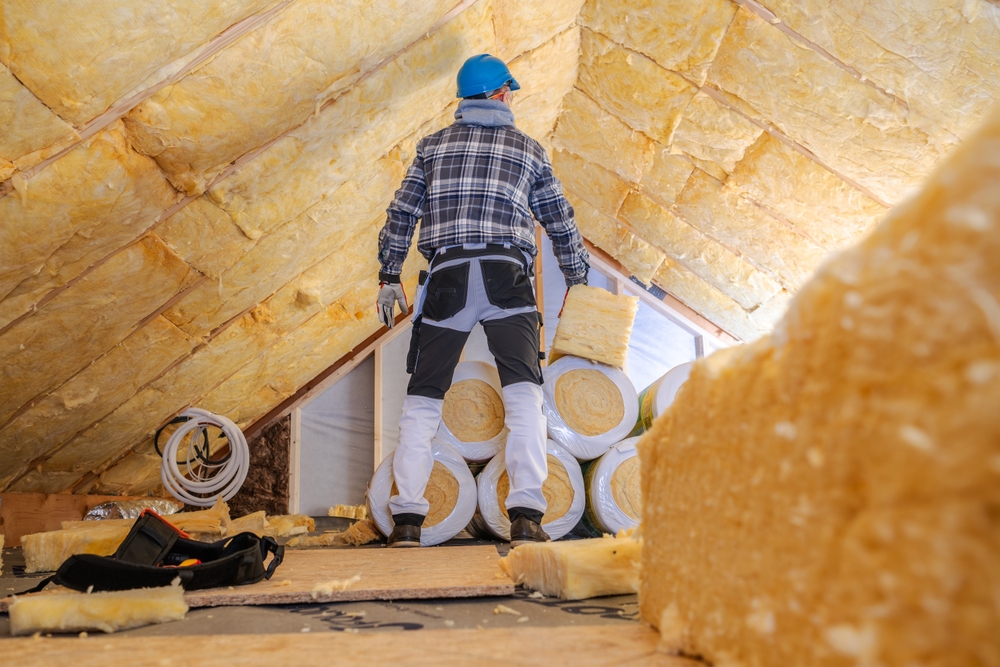
Heat rises, and in a lot of older homes, it escapes straight through an attic with insulation that has settled, shifted, or never met modern standards to begin with. Sealing air leaks around the attic hatch, plumbing stacks, and light fixtures, combined with topping off thin insulation, can cut heating and cooling costs by an estimated 15 percent, and total energy costs by roughly 11 percent.
This is one of the few projects on this list where the payoff compounds every month you own the home, not just at the moment of sale. A properly sealed and insulated attic also cuts down on ice dam problems in cold climates and keeps upstairs bedrooms noticeably more comfortable in summer, which matters if you’re not selling anytime soon and just want a house that costs less to run.
DIY blown-in insulation kits are available at most hardware stores for homeowners willing to work in a cramped attic space, though hiring an insulation contractor for a basic attic top-off typically costs less than most people expect, especially next to bigger jobs like wall insulation or whole-house spray foam.
Weatherstrip and caulk doors and windows
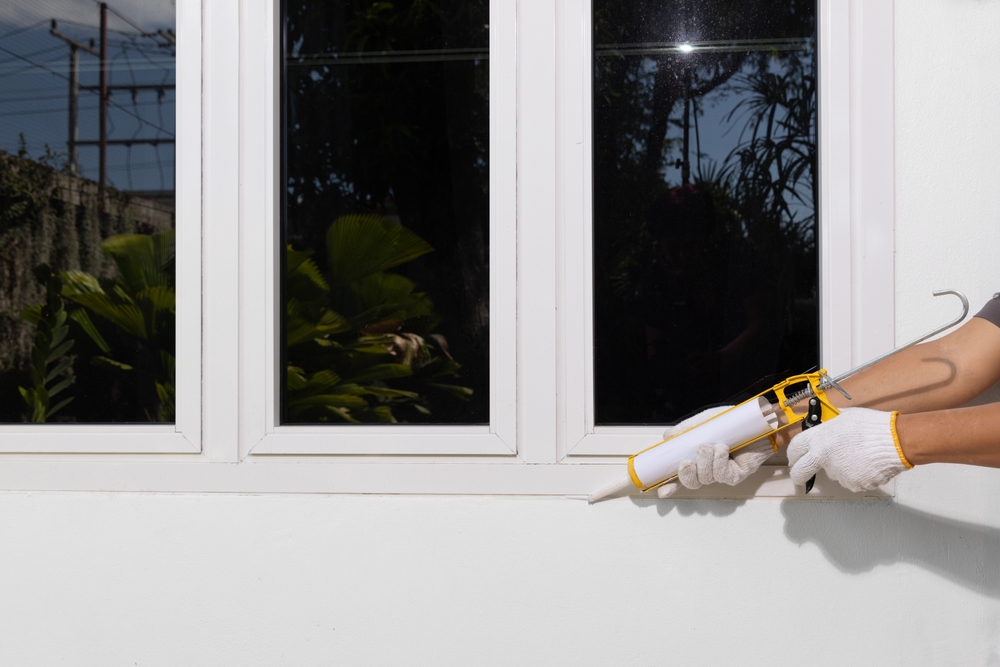
A tube of caulk costs about $5, a roll of weatherstripping runs $10 to $20, and together they solve a problem most homeowners blame on their furnace or air conditioner instead of the actual source: gaps around doors and windows that let conditioned air leak straight outside.
Caulking and weatherstripping are among the few home upgrades that typically pay for themselves within a year, since the materials cost so little and the work is well within reach of most homeowners with a caulking gun and a free afternoon. Check around window frames, exterior door thresholds, and anywhere a pipe or cable passes through an exterior wall, since these are the spots where old caulk cracks and weatherstripping compresses flat and stops sealing anything.
The dollar bill test works surprisingly well for doors. Close the door on a dollar bill and try to pull it out. If it slides out easily, the weatherstripping needs replacing. This is the cheapest project on this list by a wide margin, and most people can finish it before dinner on a Saturday afternoon.
Renovate or organize your closets

Closet renovation shows up in national survey data as one of the highest cost-recovery projects homeowners can take on, second only to a new steel front door, recovering an estimated 83 percent of what it costs at resale. That’s a striking number for a project that doesn’t touch a single load-bearing wall or require a permit in most areas.
Storage sells houses in a way that’s easy to underestimate until you watch buyers open closet doors during a showing, which they do in almost every house they tour. A wire shelf sagging under the weight of winter coats looks like inadequate storage even in a house with plenty of square footage, while a closet system with defined sections for shoes, hanging clothes, and shelving comes across as move-in ready and organized.
Wire and laminate closet systems from a home improvement store cost a few hundred dollars per closet and install in a weekend with basic tools. A full custom build-out with drawers and specialty hardware costs considerably more but isn’t necessary to get most of the visual and functional benefit that shows up in buyer surveys.











