
Somebody’s dad wore these to work for a decade before they landed in a garage bin, or a grandmother tucked them into a cedar chest because the fabric was “too good to throw out.” Either way, a huge amount of genuinely valuable Levi’s is still sitting in ordinary closets, not glass cases.
The trick is knowing what you’re looking at. Levi’s has changed its tab color, its stitching, its rivets, and its logo more times than most people realize, and each change is a dating tool. A capital E instead of a lowercase one, a red thread inside the cuff, a leather patch instead of a paper one: these small details are the difference between a $10 pair of jeans and a four-figure one.
What follows are 15 specific, identifiable Levi’s pieces, spanning everything from pieces that turn up at nearly every second thrift store to genuine grails that only show up once in a while. Most of these are things a person could realistically inherit, buy for a few dollars, or already own. A few are aspirational, and those are flagged plainly so nobody goes in expecting a $2,000 payday from a pair of 2005 501s.
1. Levi’s Big E 501 jeans, mid-1950s to 1971
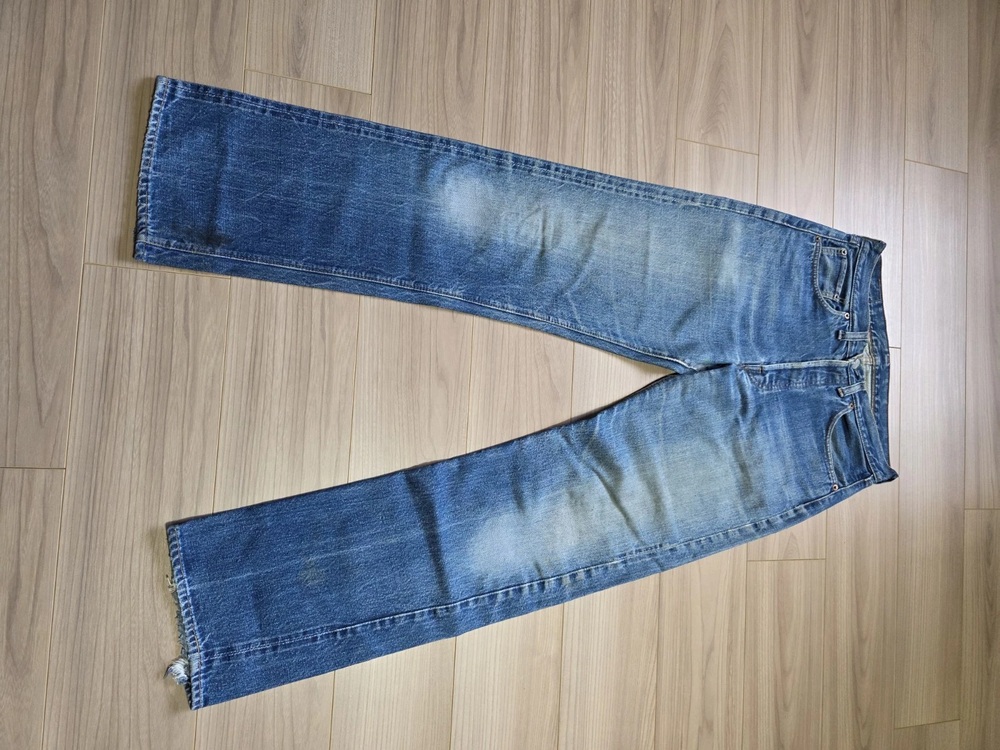
Flip the back pocket tab over. If it reads “LEVI’S” in all capital letters, the jeans predate 1971, when the company switched to a lowercase e. That single letter separates an ordinary pair of jeans from a genuinely collectible one.
Around the mid-1950s, the leather patch on the waistband gave way to a card-like jacquard patch, and by 1966 the hidden rivets on the back pockets were replaced with bar-tack stitching. A pair with the jacquard patch and a tab reading “LEVI’S” on both sides is squarely in this era, and clean, wearable examples typically bring $400 to $2,500, with earlier pairs, better natural fading, and larger sizes pushing toward the top.
Size matters more than most people expect. Measured waists of 33 to 38 inches draw the strongest demand and can be worth roughly double an identical pair in a very small or very large size, so measure flat and double it rather than trusting the number on the patch. Never wash, hem, or repair a pair before finding out what it’s worth. A single trip through the machine can flatten the fades that buyers are actually paying for, and a re-hemmed leg is a permanent loss.
2. Levi’s Big E Type III trucker jacket, 1962 to 1971
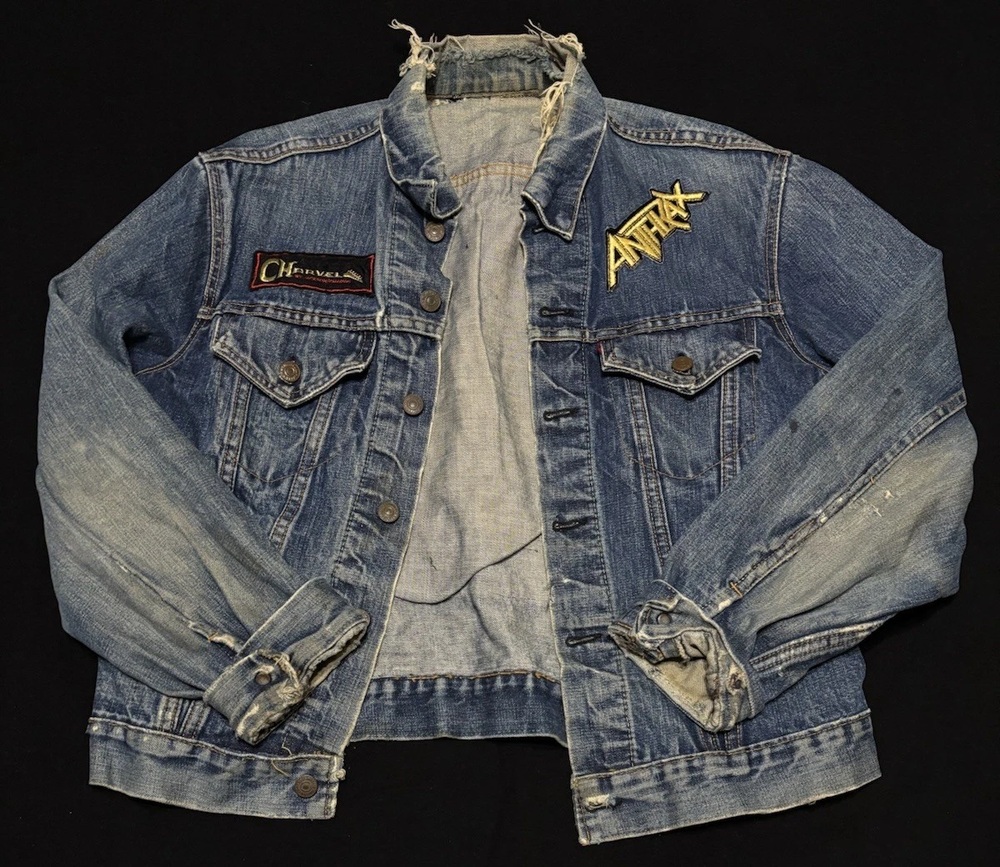
Count the chest pockets and check the back. Two pointed, V-stitched flap pockets and no side cinch tabs mean a Type III trucker, the silhouette Levi’s still makes today. What sets the valuable ones apart is the tab: a capital E puts the jacket before 1971 and inside the collector conversation.
Big E Type III jackets in wearable condition span a wide range, typically $150 to $2,000 and occasionally beyond, depending on size, fade, and how the buttons and rivets read. Blanket-lined versions, made for colder climates, carry a real premium over the plain shell. Large sizes are scarce because collectors are, on average, bigger than the ranch hands and factory workers who wore these new, so a 44 or up in this era is worth chasing even in rough shape.
Do not wash or press an old denim jacket before getting it looked at. Collectors pay for original, unwashed fading, and a single wash can cost hundreds of dollars in value. Cut sleeves, removed cinches, and iron-on patches are also permanent losses, so leave any damage exactly as found.
3. Levi’s 505 zip-fly jeans
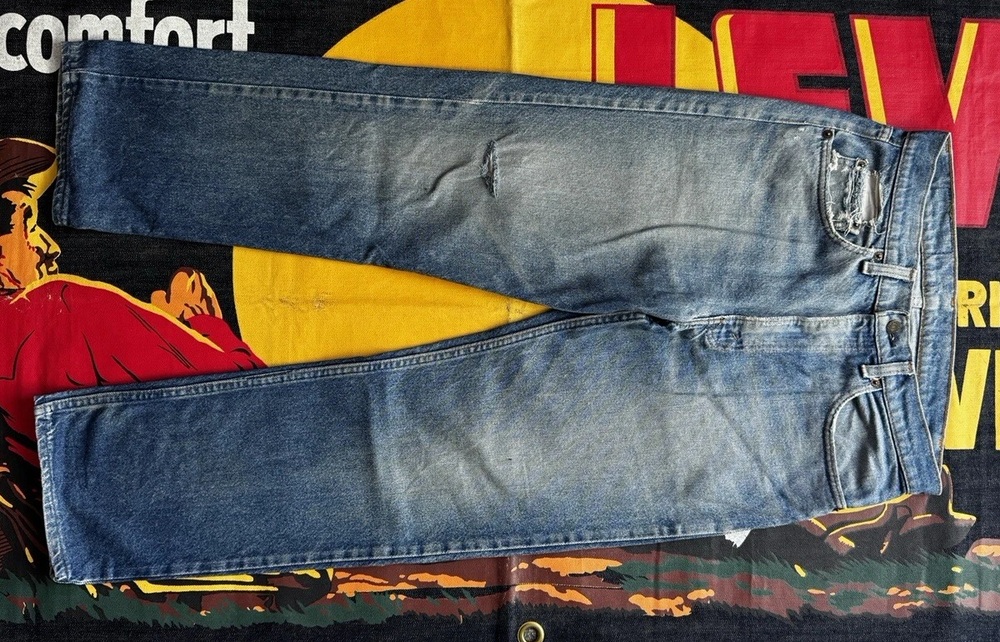
The 505 was Levi’s first jean with a zipper fly, introduced in 1967 as a slightly roomier alternative to the 501’s button front. It gets overshadowed by its older sibling, but the same era markers apply, and a lot of people walk past a valuable pair simply because it isn’t a 501.
Most surviving 505s date from the 1970s through the 1990s, and clean examples from that stretch typically bring $40 to $150, with deadstock pairs or unusual washes pushing higher. Pre-1970 pairs with a capital-E tab are the real find here: they are rarer than Big E 501s simply because fewer were made, and good examples have sold well into four figures. Orange tab 505s, a fashion-oriented offshoot Levi’s ran alongside the standard red tab line, sit in the $100 to $250 range in good shape.
Check the zipper brand and the care tag together. A metal zipper with no care tag points to the earliest, most valuable pairs. A worn zipper is a repairable flaw, not a dealbreaker, but a replaced back pocket or a non-original zipper pull should knock the price down.
4. Levi’s small-e Type III trucker jacket, 1971 onward
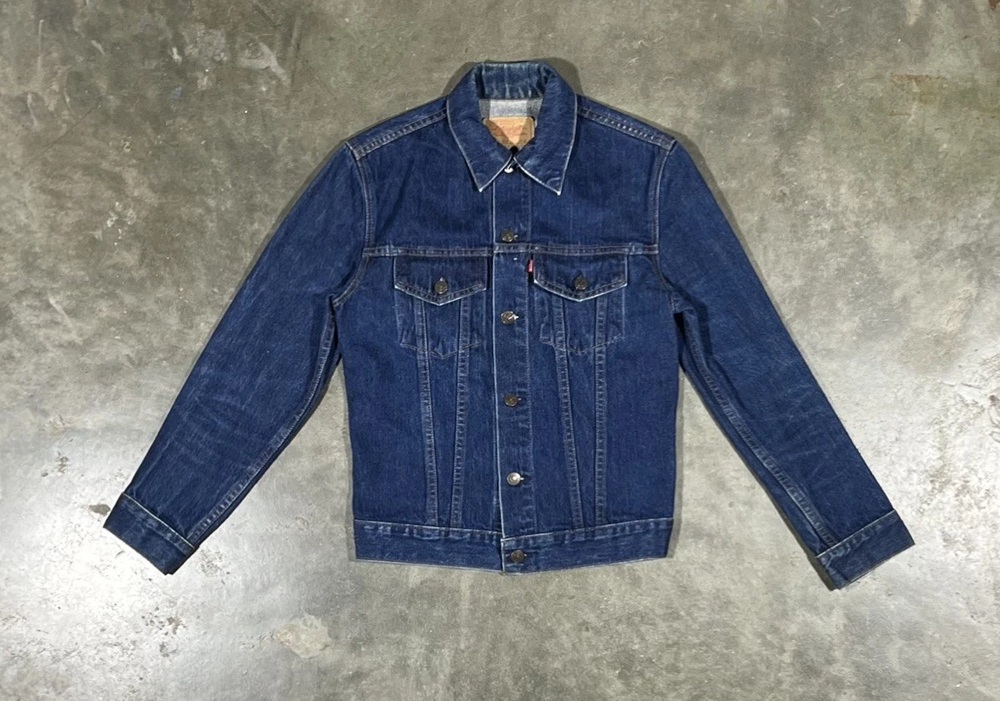
This is the trucker jacket most families actually own, and it is worth a real look even though it lacks the capital E. A lowercase e on the tab means 1971 or later, which is where the honest ceiling on price sits, but that ceiling is higher than most people assume.
Clean small-e Type III jackets typically bring $50 to $300, and a handful of details decide where in that range a given jacket lands. A “Made in USA” tag rather than an overseas one helps. So does a size at either extreme, since resellers struggle to keep very large and very small sizes in stock. A corduroy collar or a blanket lining pushes a jacket toward the top of the range, and deep, even fading earned through years of actual wear is worth more than a barely-worn example, since a factory cannot fake that kind of wear convincingly.
Skip the trade-in counter at a Levi’s store if you suspect you have something. A generic trucker jacket over twenty years old earns a flat store credit there regardless of what it actually is, and that flat rate does not distinguish a 1990s jacket from a genuinely special one.
5. Levi’s redline selvedge 501, small-e era, 1971 to the early 1980s
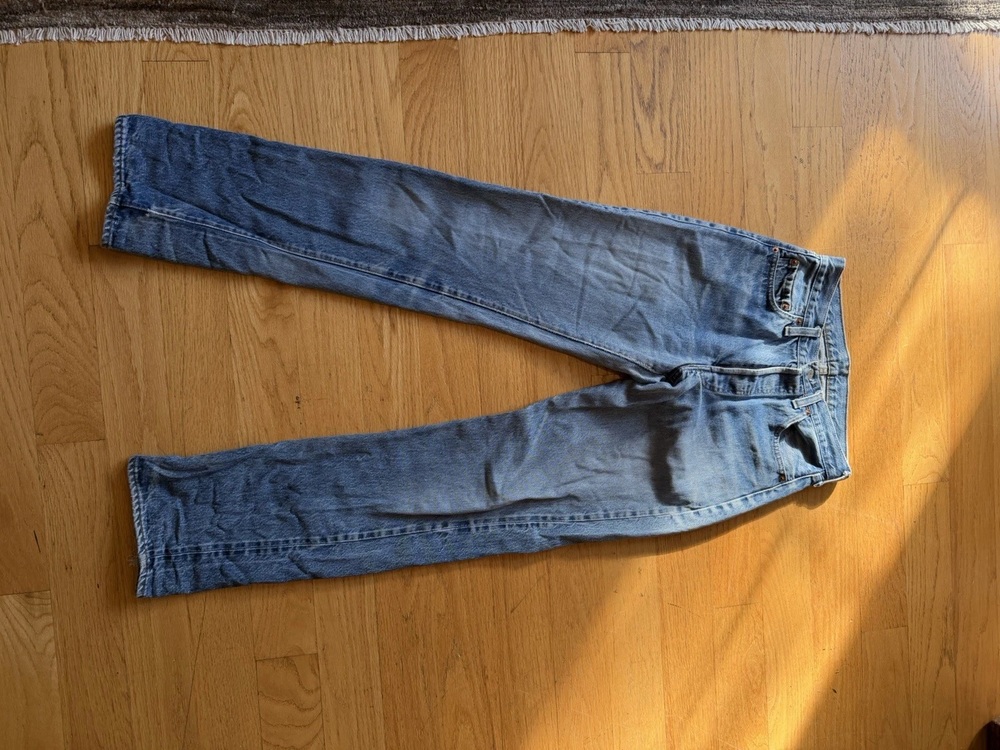
Fold up the cuff and look at the inside of the outseam. A clean edge with a fine red thread running through it is redline selvedge, woven on old-style shuttle looms that Levi’s kept running into the mid-1980s even after switching to the lowercase e tab in 1971. A lot of sellers assume selvedge automatically means Big E, and that mix-up costs them money in both directions.
Redline selvedge 501s from this window typically bring $200 to $1,000, with deadstock pairs and exceptional natural fades reaching the top of that range and sometimes past it. A fuzzy, overlocked cuff edge instead of a clean one signals later, wider-loom denim, which drops the pair into a much more ordinary bracket.
As with any vintage 501, resist the urge to clean these up before selling. Honest fading, including the pale creases behind the knees and across the thighs that build up over years of wear, is a selling point rather than a flaw here. Stains and thin spots at the crotch are the real value killers, along with any hemming that shortens the original inseam.
6. Levi’s Type II jacket, 1953 to 1962
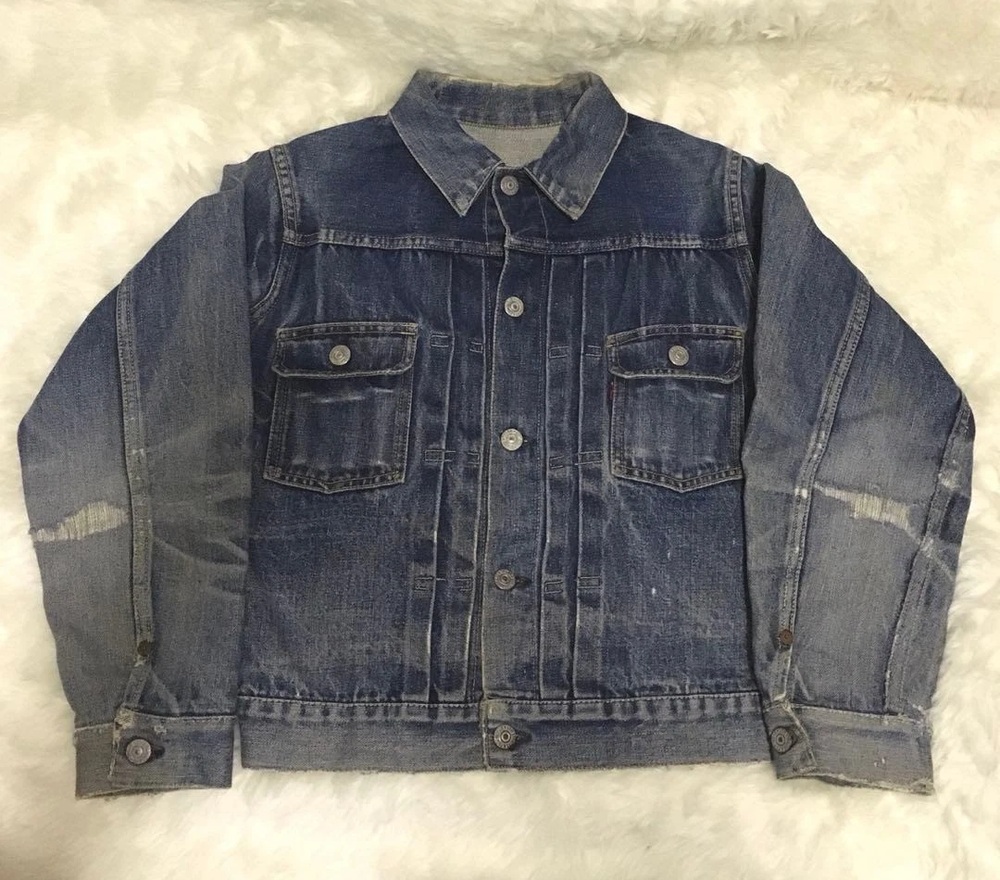
Two chest pockets, no back cinch, and a pair of side tabs at the waist mark a Type II, the denim jacket of the 1950s worn by everyone from ranch hands to early rock and roll musicians. It sits between the rare Type I and the far more common Type III, and it is genuinely easy to overlook if a family simply calls it “an old jean jacket.”
Clean Type II jackets typically bring $800 to $1,500, with the strongest documented examples reaching close to $5,000. This is the piece that most often surprises a family who assumed grandpa’s old work jacket was worth a trip to the donation bin at best.
Reproductions of this exact style exist through Levi’s own vintage-inspired lines, so check the interior tags and stitching closely. Original Type II jackets show period-correct button stamps and a slightly different cut through the shoulders than modern remakes. Any sign of a shortened hem, replaced buttons, or a home-sewn repair on the side tabs cuts meaningfully into the price, so leave honest wear exactly as it is until the jacket has been properly looked at.
7. Levi’s 501, made in USA, 1980s to 1990s
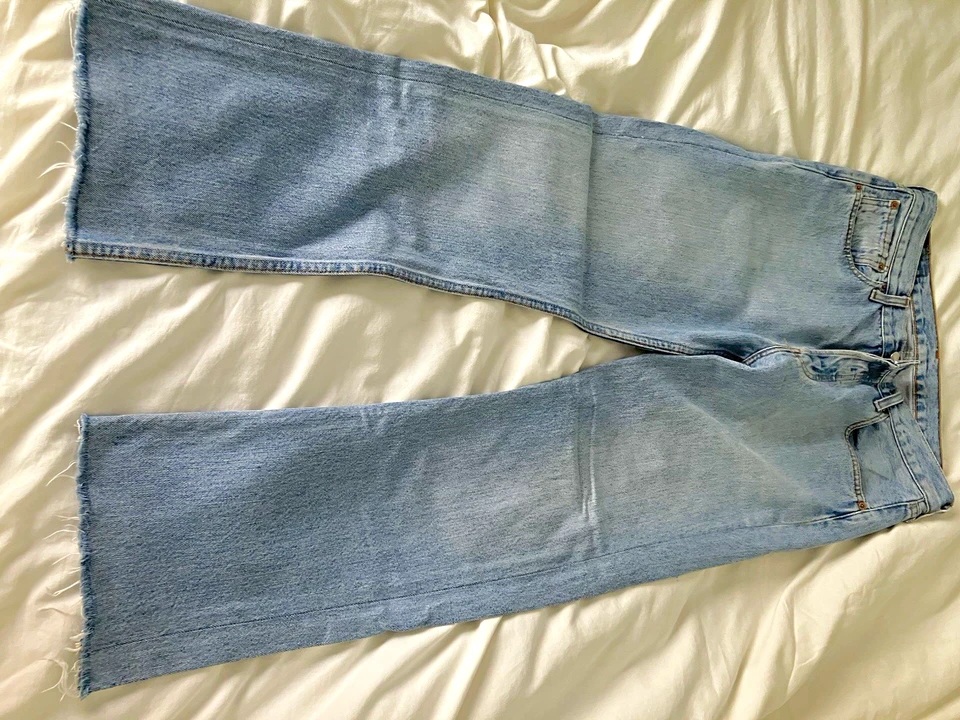
Not every valuable pair of 501s is decades older than this. Non-selvedge, American-made 501s from the 1980s and 1990s are the entry point into the vintage denim market, and they are genuinely common finds at thrift stores, which is exactly why it pays to know what pushes one above the pack.
Typical examples in this era bring $40 to $150, with deadstock pairs still carrying their original tags, unusual washes, or exceptional measured sizes doing noticeably better. Levi’s closed its last American factories in the early 2000s, which means a “Made in USA” tag by itself is quietly becoming a vintage marker in its own right, not just a footnote.
Check the inside waistband for a paper care tag with a printed date code, since that is the fastest way to confirm the decade without guessing from wear alone. As with older 501s, natural fading adds appeal rather than subtracting it, but bleach spots, acid-wash treatments, and any sign of a machine repair at the knees or crotch will bring the price down toward the bottom of the range.
8. Levi’s Orange Tab jeans, 1969 to 1999
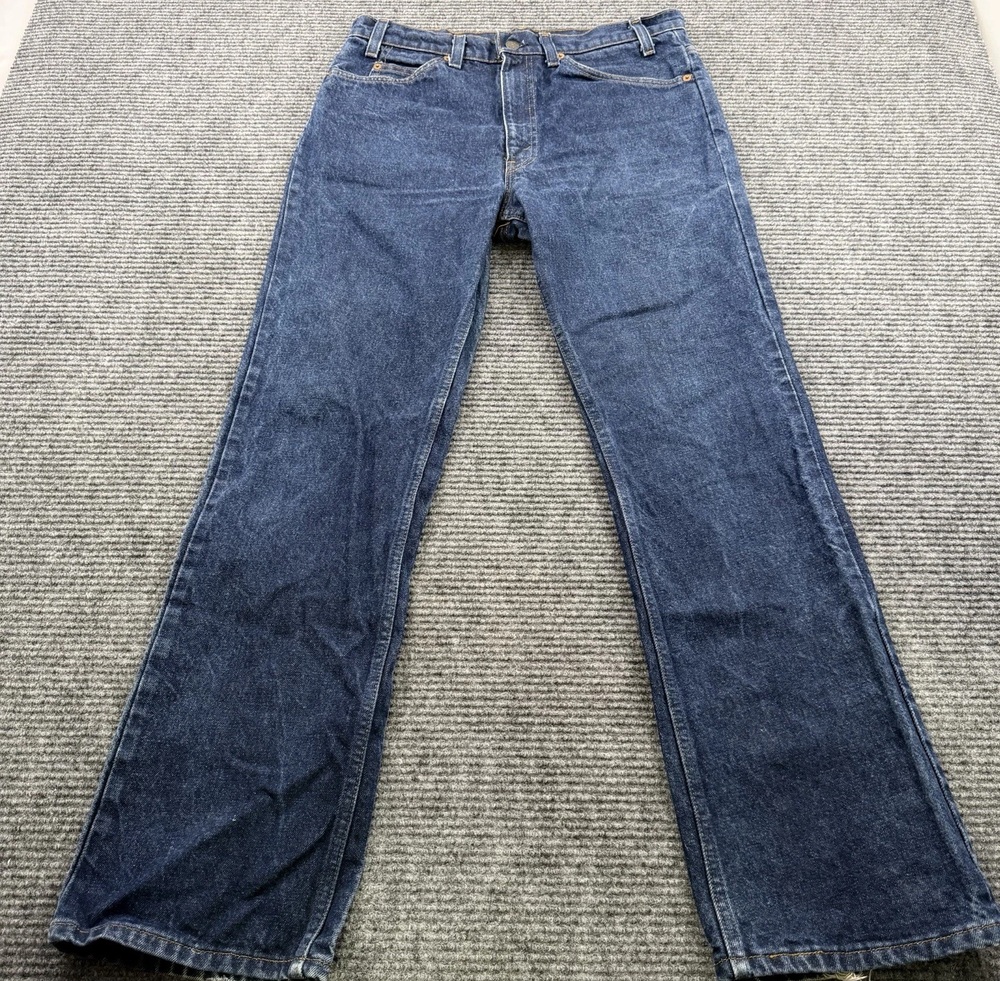
In the late 1960s, Levi’s launched a separate, more experimental line aimed at fashion-forward buyers rather than workwear customers, marked by an orange tab instead of the standard red one. It covered everything from flares and boot cuts to jean skirts, and because it was Levi’s budget-and-fashion line rather than its flagship, a lot of sellers assume it isn’t worth much.
Well-kept Orange Tab pieces from the 1970s and into the 1980s typically bring $100 to $250, with everyday examples in more common sizes settling lower. Early Orange Tab pieces don’t carry a care label at all, since that wasn’t legally required until 1971, so a bare waistband with no printed instructions is actually a good sign of age rather than a red flag.
Construction on Orange Tab pieces is generally lighter than the equivalent red-tab workwear, which is part of why the line has a slightly lower ceiling than a comparable Big E 501. Look for the model number stamped near the button fly, since certain silhouettes within the Orange Tab family, particularly bell bottoms and boot cuts, are drawing renewed demand as those shapes come back into style.
9. Levi’s 517 boot-cut jeans
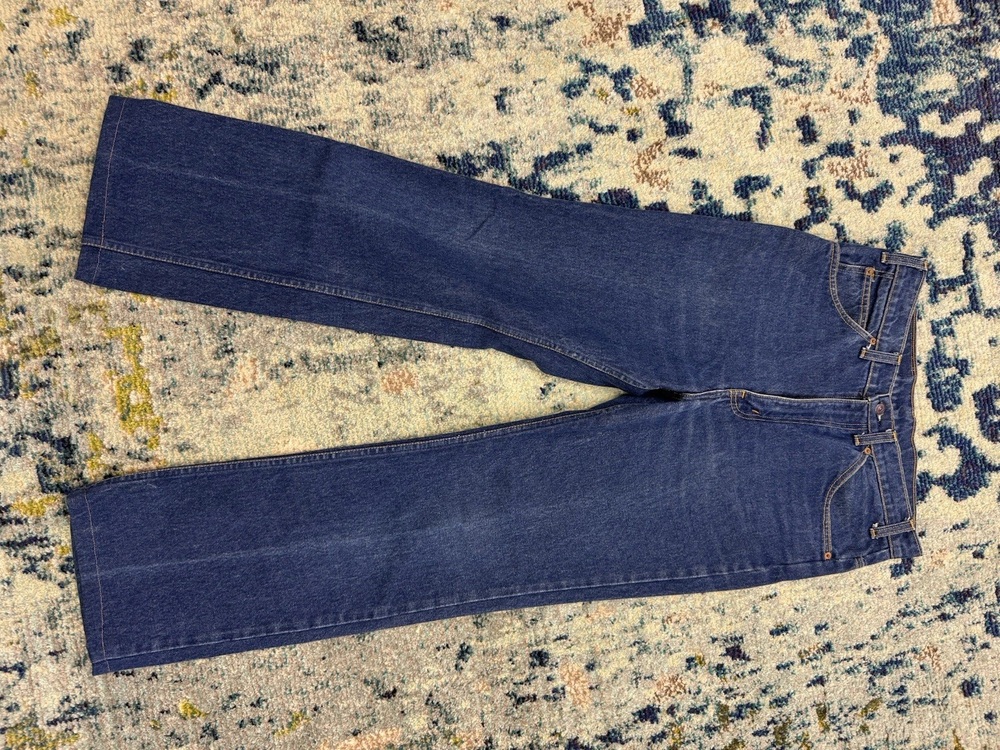
The 517 is Levi’s classic boot-cut, and it has genuinely come back into demand as flared and boot-cut silhouettes cycle back into fashion after years of skinny jeans dominating the racks. Most people flip right past it looking for a 501, which keeps prices reasonable for now.
Orange tab 517s from the 1970s are the sweet spot for this model and typically bring $60 to $150 in good condition, while 1980s and 1990s examples usually land at $30 to $100. The lower price ceiling compared to a 501 makes this one of the more accessible entries on this list, and a genuinely good one to know if you come across a box of old jeans at an estate sale.
Check the outseam and hem carefully, since boot-cut styles are frequently altered by their original owners to fit over boots or to change the flare. An original, unaltered hem with the factory stitching intact is worth more than a pair that has been taken in or let out, even if the alteration was done cleanly.
10. Levi’s Big E western sawtooth shirt
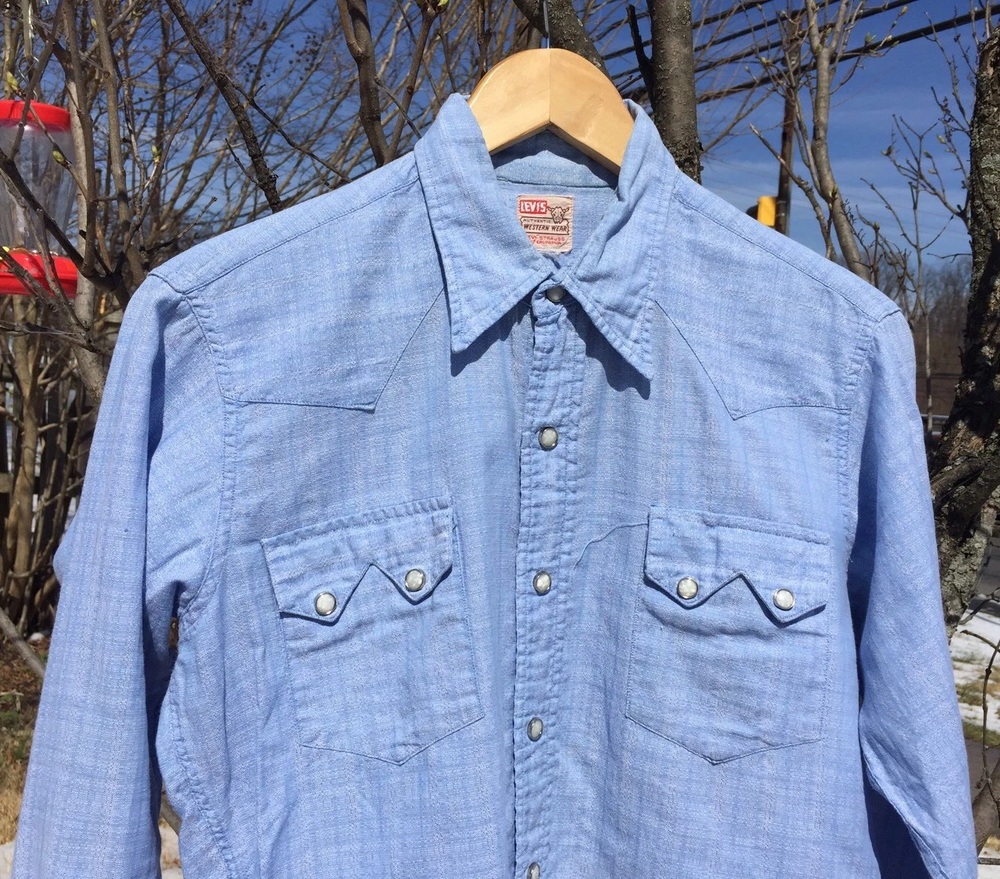
Named for its double-pointed chest pockets, shaped like the teeth of a saw blade, the sawtooth western shirt was Levi’s answer to the cowboy-movie craze of the 1940s and 1950s. Look for pearl snap buttons, a western yoke across the shoulders, and a stamped logo showing either a shorthorn or longhorn cattle skull, which marked two separate product lines Levi’s ran at the time.
Worn, genuinely vintage examples with the Big E tab typically bring $40 to $120, with pearl snaps that still function, legible tags, and minimal fading pushing toward the top of that range. A useful authentication tip most people miss: original sawtooth shirts from this era never carried a red tab on the pocket, unlike modern reissues, which often add one for branding.
Condition issues to watch for include replaced snaps, which are common repairs but do reduce value, and any bleeding or fading of the plaid pattern from harsh washing. A shirt with the original fabric-printed label intact, rather than a later embroidered or plastic tag, generally points to the earlier and more desirable production run.
11. Levi’s 550 relaxed fit jeans
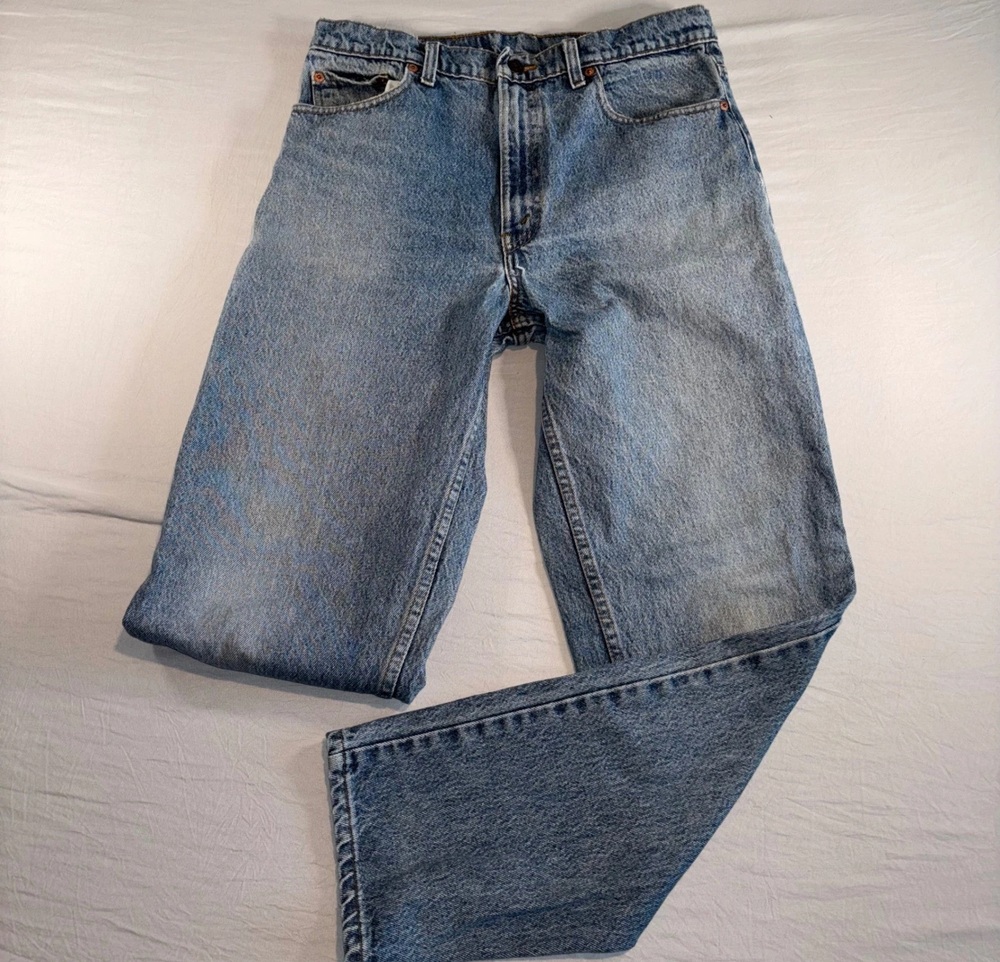
The 550 isn’t a headline grail, and it never will be, but it sells consistently as an accessible entry point for anyone building a vintage denim collection or just wanting a genuinely well-made older pair of jeans to wear. Younger buyers drawn to a looser, less fitted silhouette than the skinny styles of the 2010s have kept demand for this cut steady.
Typical examples bring $20 to $80, and made-in-USA deadstock pairs, meaning unworn with the original tags attached, can push toward $100. This is a genuinely good category for a beginner to practice on, since the era markers are the same ones used across every other Levi’s model and the stakes of getting it slightly wrong are low.
As always, a paper care tag with a date code inside the waistband is the fastest way to confirm the decade. Look for honest, even wear rather than damage concentrated in one spot, and treat any obvious repair or replaced zipper as a reason to negotiate the price down rather than a dealbreaker on its own.
12. Levi’s cut-off shorts, Big E or selvedge
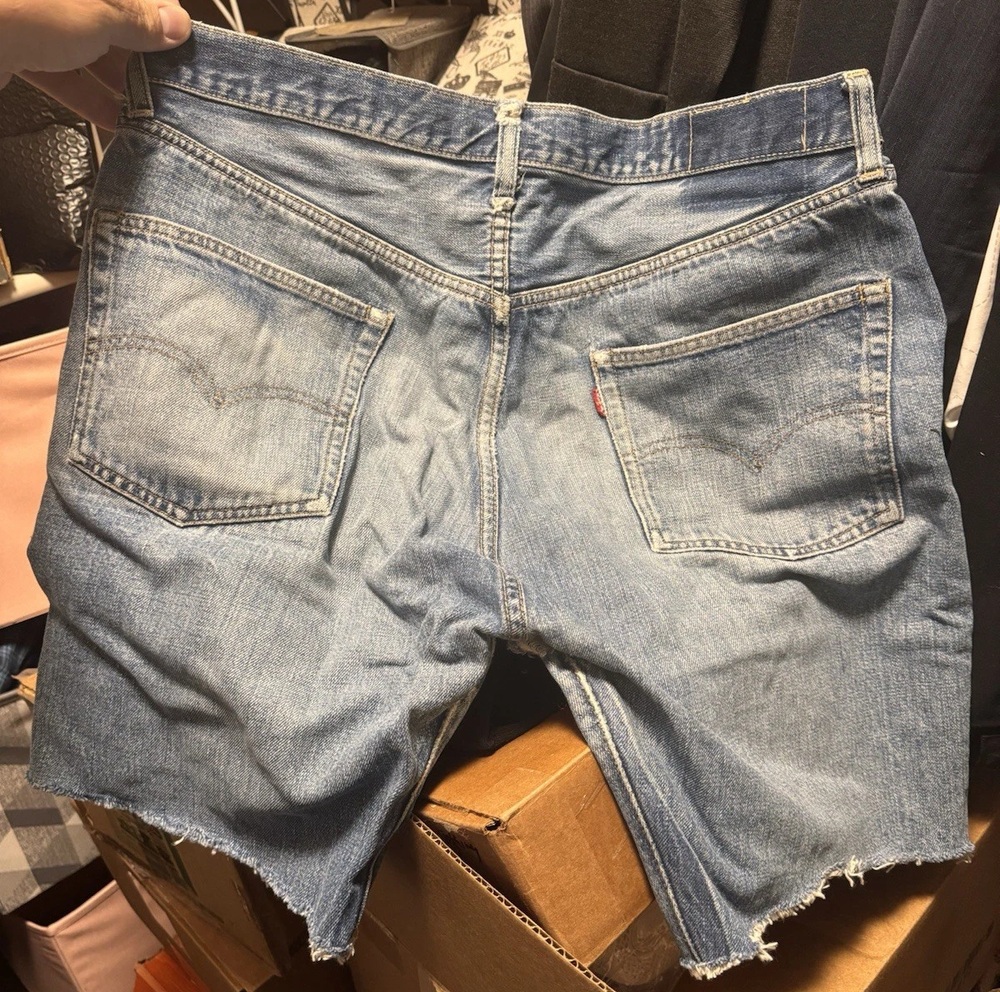
Not every valuable pair of old Levi’s survived as full-length jeans. A huge number were cut into shorts decades ago, either by the original owner in the middle of a hot summer or by a later reseller looking to make a worn pair sellable again, and the good ones are worth real money precisely because the original details are still there.
The key factor is whether the Levi’s-specific markers, the tab, the leather or jacquard patch, and the pocket stitching, survived the alteration intact. Ordinary cut-offs typically bring $20 to $60, but Big E or selvedge cut-offs, despite being physically altered from their original form, can sell for $100 or more, especially heading into spring and summer months when demand for shorts climbs.
Check the inseam edge where the cut was made. A raw, frayed hem from scissors is normal and doesn’t hurt value, but a serged or machine-hemmed edge suggests a more recent, less desirable alteration. As with full-length jeans, natural fading and honest wear only help the case here.
13. Levi’s Type I jacket, 1905 to 1952
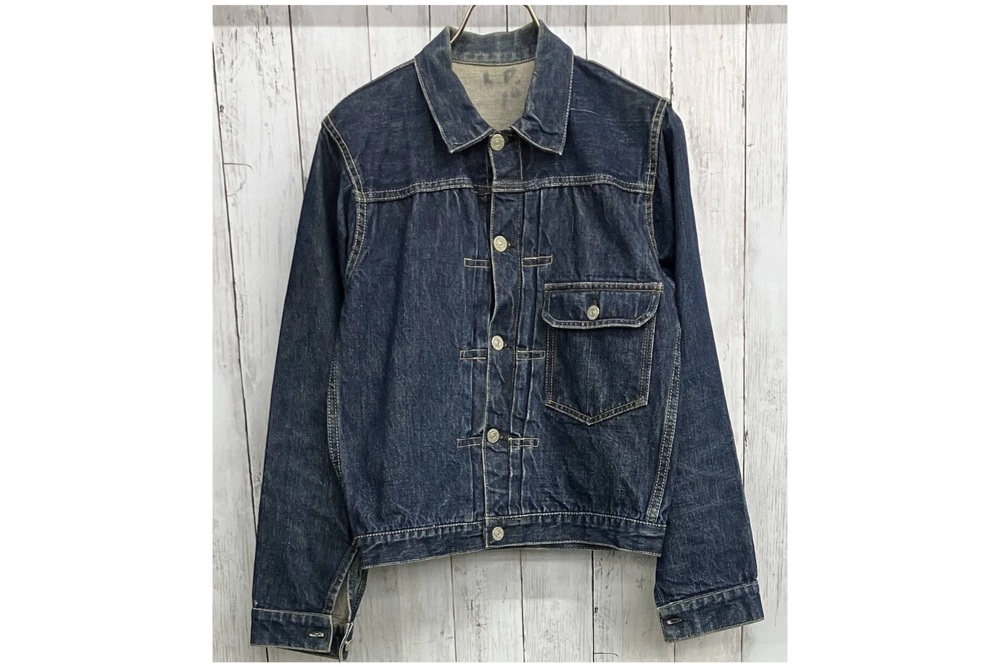
A single chest pocket, a cinch buckle across the back waistband, and pleats running down the front mark the earliest Levi’s denim jacket design, made well before the trucker silhouette most people picture today. This is the aspirational end of the jacket world, genuinely rare, and worth knowing about mainly so nobody accidentally donates one.
Honest, worn examples typically bring $2,000 to $8,000, and exceptional early pieces with strong condition or wartime-era details can run considerably higher. Specialist buyers have paid $12,000 in cash on the spot for a single well-preserved 1940s example, and at the extreme top of the market, a museum-grade wartime piece holds the record for the most valuable Levi’s garment ever documented, in the hundreds of thousands of dollars. That number is a ceiling, not a realistic expectation, but it explains why collectors take even a damaged Type I seriously.
Damage matters far less here than on almost anything else in this list. Holes, stains, and old repairs are priced in rather than disqualifying, given how few of these survived at all. If a family jacket has one pocket, a back buckle, and front pleats, it is worth a proper look before it goes anywhere near a donation pile.
14. Levi’s 501XX, golden era, 1947 to the mid-1950s
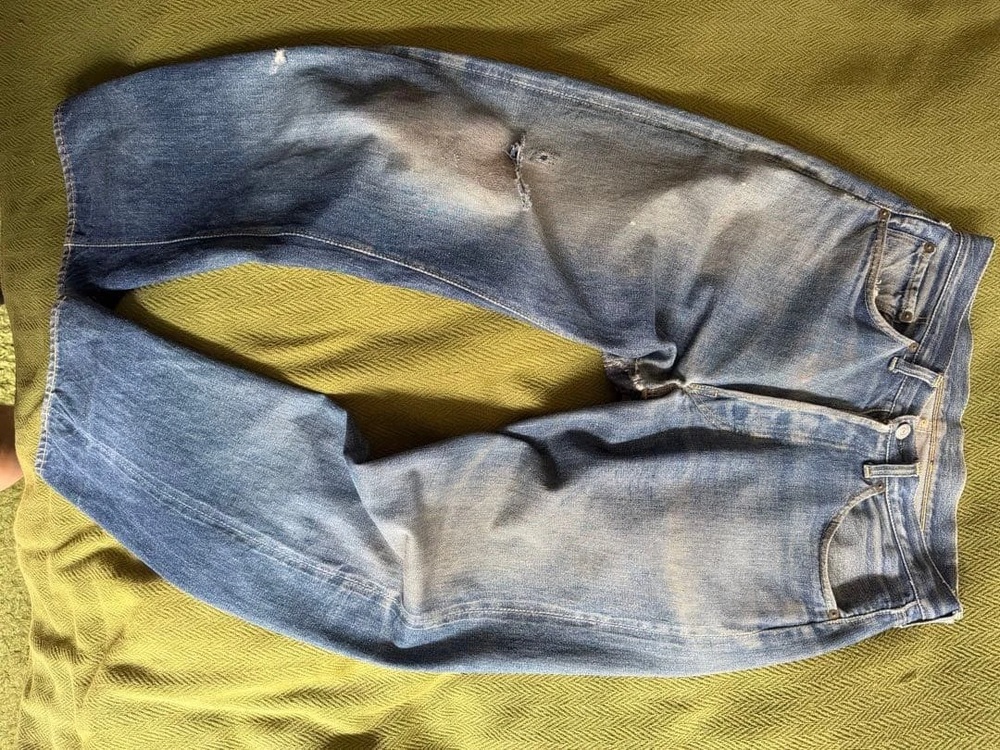
This is the postwar 501 most collectors picture when they close their eyes: a leather patch stitched to the waistband, hidden rivets tucked under the back pockets, a big E red tab, and a slimmer postwar cut than the wartime pairs that came before it. Even a dried, cracked, or partial leather patch is worth stopping for, since it is the clearest single marker of this window.
Worn examples with real life left in them typically bring $1,000 to $5,000, and deadstock or near-new pairs from this specific window can reach five figures. That is a genuinely wide gap between a jacket someone actually wore for years and one that sat folded in a drawer, so condition does a lot of the work in setting the final number.
Because this era sits right at the edge of what most people would recognize as valuable, it is one of the most commonly underpriced categories in the entire vintage denim market. A leather patch, even a barely legible one, is reason enough to stop before cutting a pair up, donating it, or listing it without research.
15. Levi’s 646 bell-bottom jeans, 1970s
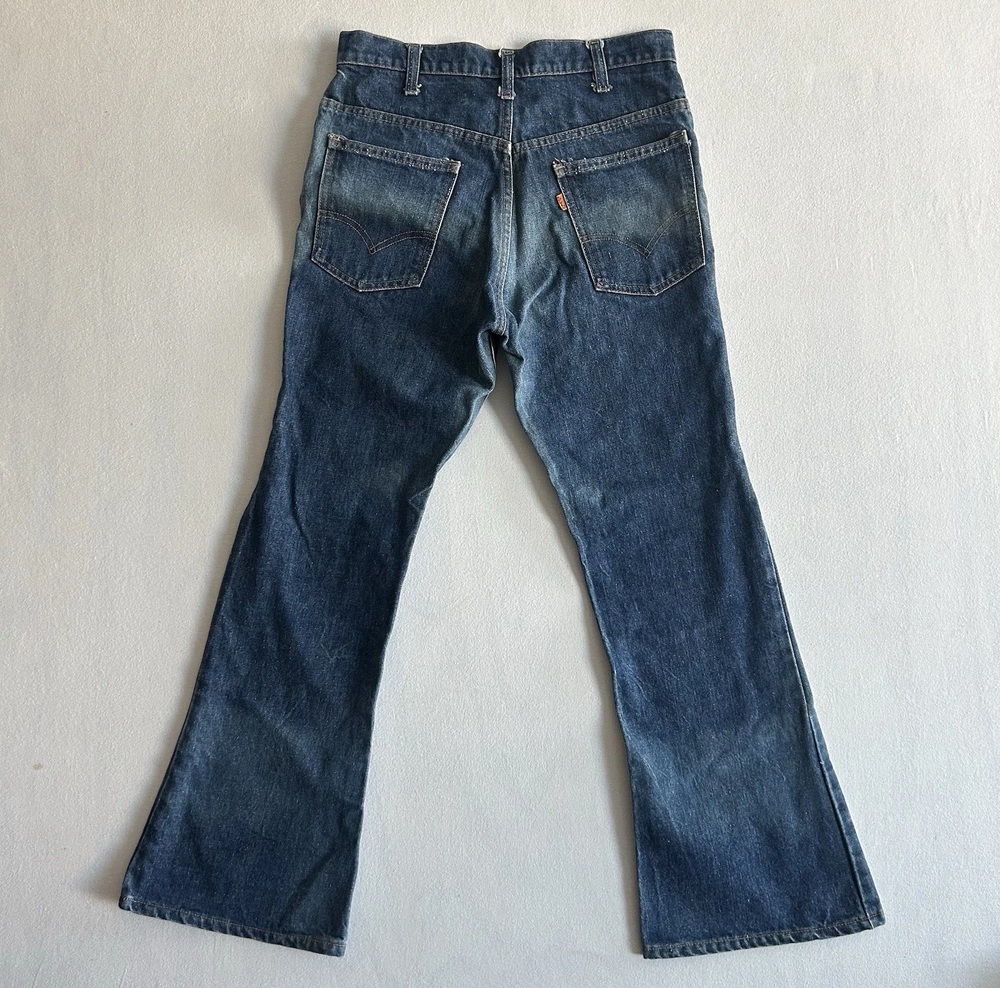
The wide flare is the giveaway here. A vintage 646 opens into a pronounced bell at the hem, giving it the shape many people picture when they think of 1970s jeans. It is worth checking the model number rather than treating every flared pair as a 517, since the 646 is a distinct model with its own following.
Look for the model number on the inside label and compare the tab, zipper, button stamp, and care tag together. A documented 1977 pair of 646-0217 jeans carries a small-e Orange Tab, a Talon 42 zipper, and a two-digit 01 button stamp. Those are useful details to compare with a find, rather than a reason to date every pair from its silhouette alone.
Check the original hem, the knees, and the seat before assuming a strong price. Bell bottoms were often shortened or altered, so measure the actual inseam and leg opening rather than trusting an old size tag. Compare completed sales for the same era, size, and condition; a modern reissue or an ambitious asking price is not a reliable guide to what an original pair will bring.











