
Life has a way of surprising us. Most days unfold quietly, following familiar rhythms, but every now and then something happens that changes everything in an instant. A road accident can leave more than bruises and broken bones. It can shake your confidence, disrupt your routines, and leave you wondering when life will begin to feel normal again.
Healing takes time, and it is rarely a straight path. Some days you will feel stronger, while others ask you to slow down and simply rest. Like so many things in Nordic living, recovery isn’t about rushing to the finish line. It’s about taking gentle, steady steps forward, trusting that each small choice helps you find your way back.
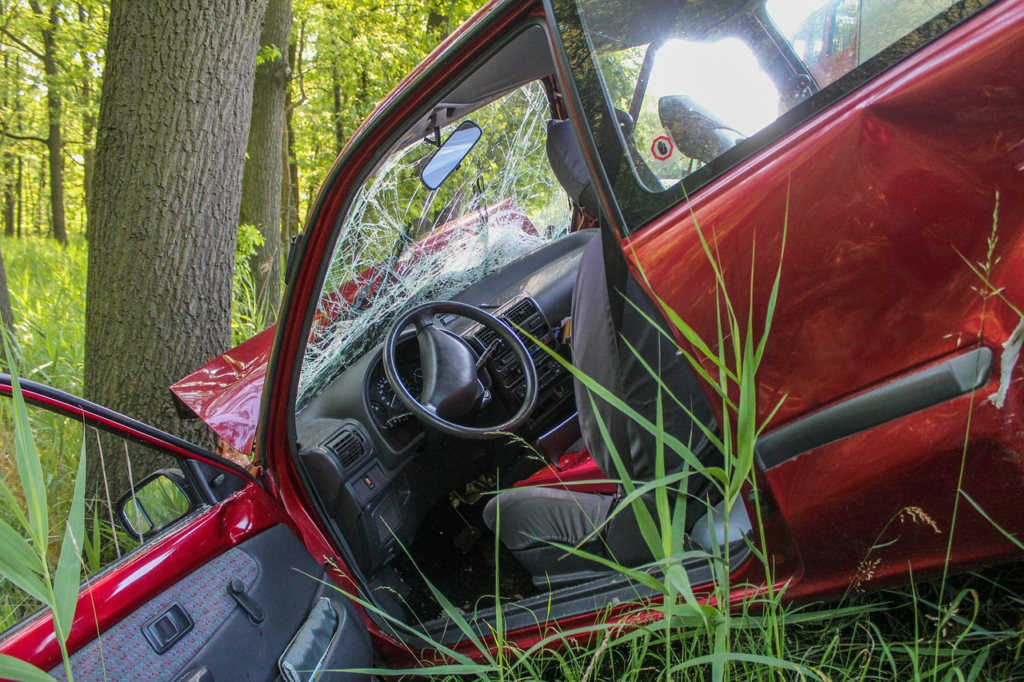
Table of contents
Begin with caring for your body
In the first days and weeks after an accident, your body needs your attention. Even injuries that seem minor can take time to reveal themselves, so following the advice of your doctor and attending any recommended appointments is one of the kindest things you can do for yourself.
If your accident involves insurance claims or legal matters, it can also help to seek professional guidance. As Attorney Matthew Trapani explains, having someone experienced to manage the legal process allows you to spend less energy worrying about paperwork and more energy focusing on your recovery.
Just as importantly, allow yourself to rest. We often underestimate the healing power of sleep, quiet, simple afternoons, and saying no to things that can wait. Your body is doing remarkable work beneath the surface, and it deserves the time and space to recover.
Don’t forget your emotional wellbeing
Physical healing is only one part of recovery.
It’s completely natural to feel anxious, frustrated, or even overwhelmed after an accident. Many people find themselves replaying the event in their minds or feeling nervous about getting back behind the wheel. Rather than pushing those feelings away, try meeting them with the same compassion you would offer a friend.
Research from the Centres for Disease Control and Prevention suggests that emotional wellbeing plays an important role in physical recovery. Looking after your mental health can support your body’s ability to heal while reducing the long-term effects of stress.
Simple conversations with people you trust can make an enormous difference. Sometimes a cup of tea shared with a friend or a quiet walk with someone who listens is exactly what your nervous system needs.
Peace of mind regarding justice is another important emotional aspect that helps people process difficult experiences. Seek credible injury law resources to find a way to navigate complex administrative processes with greater confidence. Gathering clear information allows individuals to make informed decisions without feeling overwhelmed. Having a structured plan in place ultimately offers reassurance during challenging times.
Healing through gentle daily habits
One of the things I love most about Nordic living is the reminder that wellness isn’t built through dramatic changes. It’s created through small, consistent habits that quietly support us every day.
While you’re recovering, try focusing on simple routines that nourish both body and mind:
- Spend a few peaceful minutes breathing deeply before your day begins.
- Choose wholesome meals filled with nourishing, natural ingredients.
- Follow any gentle movement or stretching recommended by your physiotherapist.
- Keep a notebook nearby and write down one small improvement each day.
These little moments may not feel significant at first, but together they become part of your healing.
Let life return slowly
It can be really tempting to jump straight back into your normal routine, especially if you’re used to being busy. But recovery always has its own pace.
Instead of trying to do everything at once (or eating the elephant whole as I say), begin with small tasks around the house. Fold some laundry. Water the plants. Sit outside with a blanket and a warm drink. Allow yourself to stop before you become completely exhausted.
Listening to your body isn’t a weakness; it’s wisdom. Pain and fatigue are gentle reminders that healing is still taking place.
Lean on the people around you
We aren’t meant to carry difficult seasons alone.
Whether it’s a neighbour offering to collect groceries, a family member helping with school runs, or a friend checking in with a simple message, accepting support allows you to focus your energy where it’s needed most.
If you’re finding recovery particularly difficult, support groups or counselling can also provide reassurance that what you’re experiencing is both understood and shared by others.
Create evenings that invite rest
One of the simplest gifts you can give yourself is a peaceful evening routine. Even if you are in perfect health, this is a great habit to have.
Turn off bright screens an hour before bed. Dim the lights. Read a few pages of a favourite book. Sip a calming herbal tea. Listen to gentle music or simply sit quietly for a few moments.
These small rituals help calm the nervous system and encourage deeper, more restorative sleep, giving your body the best opportunity to repair itself overnight.
Notice the small victories

Recovery is rarely measured in giant leaps.
Sometimes progress looks like walking a little further than yesterday. Sometimes it’s climbing the stairs in one hit, sleeping through the night, or realising you’ve smiled without thinking about your injuries.
Keeping a simple journal of these moments can be wonderfully encouraging. On difficult days, looking back reminds you just how far you’ve already come. Record ALL the wins however small because they are all worth something.
Healing isn’t about returning to who you were overnight. It’s about gently rebuilding your confidence, your strength, and your trust in yourself.
Like the changing seasons, recovery asks for patience. Give yourself permission to move slowly, accept help when you need it, and celebrate every small step forward. With time, care, and compassion, life gradually begins to find its rhythm again.










