
A second career after 50 has to do more than sound interesting. It has to pay enough, use the judgment you have built over decades, and give you a real shot at staying employed.
Plenty of older workers do not want to start over at the bottom. You may be done with 60-hour weeks, office politics, or jobs that feel shaky every time the economy turns. The better move is often a role where maturity, calm, and people skills count.
These jobs generally pay between $60,000 and $80,000 a year, have steady or growing demand, and are harder to automate because they involve trust, safety, care, judgment, or real-world problem solving.
Table of contents
- 1. Hearing aid specialist
- 2. Patient financial advocate
- 3. Occupational therapy assistant
- 4. Physical therapist assistant
- 5. Clinical research coordinator
- 6. Regulatory affairs specialist
- 7. Energy auditor
- 8. Insurance loss control specialist
- 9. Court reporter or realtime captioner
- 10. Mediator
- 11. Community association manager
- 12. Funeral home manager
- 13. Medical equipment repairer
- 14. Fire safety inspector
- 15. Training and development specialist
- 16. Employee relations specialist
- 17. Social and community service program manager
- 18. Dietitian or nutritionist
- Discover job hunting tips, ways to earn more, and flexible working options:
1. Hearing aid specialist

Hearing aid specialists test hearing, fit hearing aids, explain options, and help people adjust to devices that can change daily life. This is a strong second career for someone over 50 because it rewards patience, clear speech, and comfort working with older adults. You are not just selling equipment. You are helping people hear grandkids, follow doctors’ instructions, and stay connected.
Median pay is about $61,560 a year, and demand is expected to grow much faster than average. Most states require licensing, and many people enter through a mix of classes, supervised training, and exams. Jobs are found in audiology offices, hearing aid centers, medical practices, and retail hearing clinics.
2. Patient financial advocate

Patient financial advocates help people understand medical bills, payment plans, insurance coverage, charity care, and prior authorization issues. This work fits people who can stay calm when someone is scared, angry, or confused about a bill. It is also a good lane if you have past experience in healthcare, customer service, benefits, banking, or office administration.
Average pay is around $64,311 a year, with higher pay possible in large health systems. Hospitals, cancer centers, specialty clinics, and billing offices hire for these roles. You usually need strong computer skills, insurance knowledge, and a good grasp of medical billing basics. The work stays relevant because healthcare costs, coverage rules, and patient needs are not getting simpler.
3. Occupational therapy assistant

Occupational therapy assistants help patients rebuild daily skills after injuries, strokes, surgeries, or illness. You might guide someone through hand exercises, practice safe shower transfers, or help a child with sensory and motor skills. It is hands-on work, but it also requires encouragement and good judgment, which can make it a natural fit for people with life experience.
Median pay is about $68,340 a year, and overall employment for these roles is projected to grow much faster than average. You usually need an accredited associate degree and licensing or certification, depending on the job. Assistants work in rehab centers, schools, nursing facilities, hospitals, home health, and outpatient clinics.
4. Physical therapist assistant

Physical therapist assistants help patients recover strength, balance, and movement after surgery, injury, illness, or a fall. You work under a physical therapist, but you still spend a lot of one-on-one time with patients. That means the job calls for patience, safe body mechanics, and the ability to read when someone is pushing too hard or not enough.
Median pay is about $65,510 a year, with especially strong demand tied to an aging population. Most people need an accredited associate degree and a license or certification. Jobs are found in hospitals, rehab clinics, home health, nursing facilities, sports medicine practices, and outpatient therapy offices.
5. Clinical research coordinator

Clinical research coordinators help run medical studies. They screen participants, schedule visits, track consent forms, keep study records clean, and make sure the research team follows the rules. This can be a smart second career for former nurses, medical assistants, lab workers, teachers, project coordinators, or detail-oriented office pros who want work with a mission.
Average pay is about $63,641 a year. Employers include hospitals, universities, cancer centers, contract research organizations, drug companies, and device companies. A bachelor’s degree helps, but some people enter through healthcare experience plus clinical research training or certification. The work depends on ethics, accuracy, and trust with real people, not just data entry.
6. Regulatory affairs specialist

Regulatory affairs specialists help companies follow rules for products like medical devices, drugs, food, cosmetics, chemicals, and consumer goods. You may review labels, prepare documents, track rule changes, and help teams avoid mistakes that could delay a product or trigger penalties. This role can suit people who like reading carefully, organizing details, and asking good questions.
Average pay for an entry regulatory affairs specialist is about $71,242 a year. You will find these jobs in healthcare, manufacturing, food production, biotech, quality departments, and consulting firms. A science, healthcare, legal, or operations background can help, but certificates in regulatory affairs can also make the pivot more realistic.
7. Energy auditor

Energy auditors inspect homes, apartments, schools, and commercial buildings to find where energy is being wasted. They look at insulation, air leaks, heating and cooling systems, windows, lighting, and utility bills. This is not desk-only work, and it can appeal to people who like practical problem solving, buildings, tools, and talking through options with owners or managers.
Average pay is about $72,092 a year. Utilities, energy-efficiency contractors, weatherization programs, engineering firms, and building owners hire for this work. Many people start with building science classes, BPI-style credentials, or related experience in HVAC, construction, facilities, or home inspection. Energy costs, rebates, and stricter building standards help keep this field active.
8. Insurance loss control specialist

Insurance loss control specialists inspect workplaces, buildings, fleets, and job sites to spot risks before claims happen. You may check fire protection, slip hazards, driver safety, machine guarding, roofs, storage practices, or employee training records. This can be a strong second career for people with backgrounds in safety, construction, trucking, facilities, maintenance, security, or insurance.
Average pay is around $67,605 a year. Insurance carriers, brokers, third-party inspection firms, and risk management teams use these specialists. You need sharp observation skills, clear reports, and the confidence to explain problems without talking down to people. The job holds up because many risks have to be seen in person.
9. Court reporter or realtime captioner

Court reporters and realtime captioners create accurate records of legal proceedings, depositions, hearings, and live events. Some use stenotype machines, while others use voice writing or captioning technology. The work takes serious training and speed, but it can be a good fit if you are focused, calm under pressure, and comfortable with legal language.
Median pay is about $67,310 a year, and the field has steady replacement demand because not enough people finish the training and pass the speed requirements. Courts, captioning companies, law firms, deposition agencies, and government offices hire for these roles. Accuracy matters, especially when people are talking over one another or the record may be used later.
10. Mediator

Mediators help people work through disputes without going straight to a courtroom. They may handle workplace conflicts, family issues, landlord-tenant problems, business disputes, community matters, or small claims cases. The job is well-suited to people over 50 because it rewards listening, emotional control, fairness, and the ability to spot what people really need.
Median pay is about $67,710 a year. Courts, nonprofits, government agencies, schools, labor groups, and private mediation practices use this work. Requirements vary, but many mediators complete formal training, supervised practice, and subject-specific certificates. The demand is steady because conflict is human, and many organizations would rather resolve problems early than pay for drawn-out fights.
11. Community association manager

Community association managers run the day-to-day business of condo, co-op, and homeowners associations. They coordinate vendors, budgets, board meetings, repairs, rule enforcement, insurance renewals, and resident complaints. It is not always easy work, but it can fit someone who has managed people, buildings, vendors, or complicated family logistics for years.
Median pay is about $66,700 a year, with steady projected growth and many yearly openings. Management companies, apartment owners, senior communities, condos, and large residential developments hire for these jobs. Certifications in community association management can help you stand out. The role depends on local knowledge, judgment, and the ability to handle tense conversations.
12. Funeral home manager

Funeral home managers oversee staff, schedules, services, paperwork, family meetings, transportation, vendors, and day-to-day operations. This job is not for everyone, but it can suit people who are steady, respectful, organized, and able to help families during painful moments without making the situation about themselves.
Median pay is about $76,830 a year. Funeral homes and death care companies hire managers with a mix of operations skill, customer care, and industry knowledge. Some roles require funeral service licensing or experience as a funeral director. Demand is stable because families still need trusted people to handle sensitive details in person.
13. Medical equipment repairer
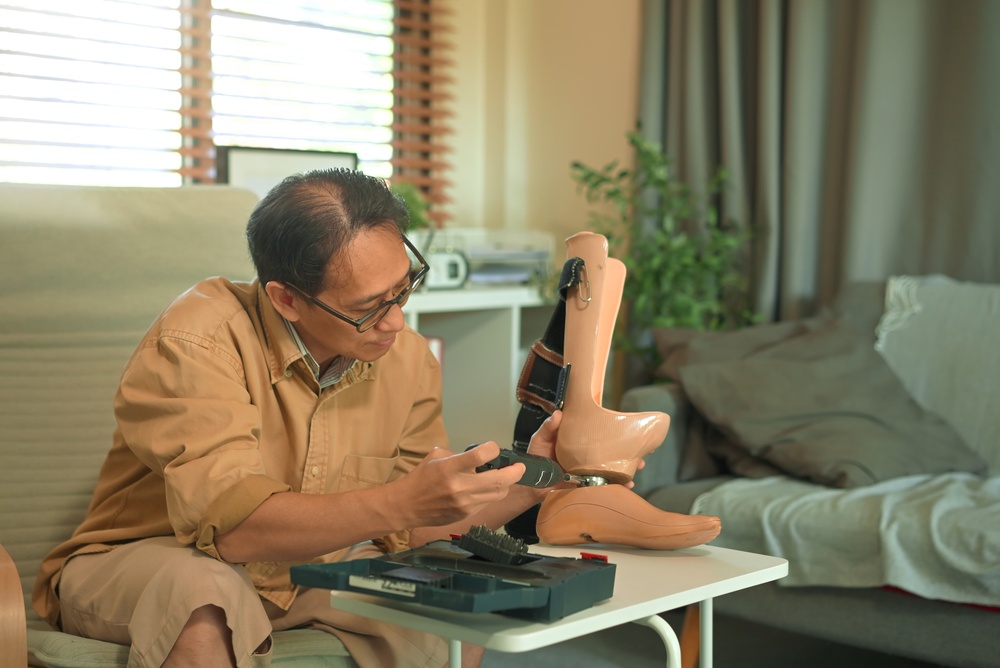
Medical equipment repairers maintain and fix hospital beds, monitors, imaging equipment, infusion pumps, wheelchairs, and other devices used in patient care. The work blends electronics, mechanics, safety checks, and customer service. It can be a good second career for veterans, former mechanics, electronics techs, appliance repair workers, or people who like troubleshooting real equipment.
Median pay is about $62,630 a year, and employment is projected to grow much faster than average. Hospitals, equipment companies, clinics, labs, and service contractors hire for this role. Many workers enter with an associate degree, military training, biomedical equipment programs, or strong repair experience. Patient care depends on safe machines, so this work stays important.
14. Fire safety inspector

Fire safety inspectors check buildings for hazards, code problems, alarm systems, sprinklers, exits, storage issues, and emergency plans. Many also explain corrections to owners, managers, contractors, and public agencies. This can be a strong second career for former firefighters, construction workers, facilities managers, safety staff, inspectors, or people with code experience.
Median pay is about $78,060 a year, and employment is projected to grow faster than average. Local agencies, insurance companies, fire protection firms, hospitals, schools, and large building owners use this kind of expertise. Training often includes fire codes, inspection procedures, report writing, and certifications. The work requires judgment, site visits, and public trust.
15. Training and development specialist

Training and development specialists teach employees how to do their jobs better, follow rules, use systems, serve customers, or stay safe. This is a good second career if you have deep experience in healthcare, retail, manufacturing, banking, call centers, trades, hospitality, or office operations and can explain things clearly without talking down to people.
Median pay is about $65,850 a year, and employment is projected to grow much faster than average. Employers need ongoing training for compliance, safety, software, leadership, and onboarding. A degree can help, but many people move in through subject matter expertise, presentation skills, and certificates in workplace training or instructional design.
16. Employee relations specialist

Employee relations specialists help handle workplace conflicts, policy questions, performance issues, complaints, accommodations, investigations, and manager coaching. This role calls for discretion, calm, and the ability to listen to more than one side of a story. People over 50 who have supervised teams or handled workplace problems may already have the instincts this job needs.
Average pay for an entry employee relations specialist is about $64,310 a year. Larger companies, hospitals, universities, government contractors, and shared HR service centers hire for this work. A human resources background helps, but certificates and experience with policies, documentation, and conflict handling can open doors. The job is hard to fully automate because people problems rarely come in neat boxes.
17. Social and community service program manager

Social and community service program managers run programs that help older adults, veterans, families, people with disabilities, or people dealing with housing, food, mental health, or recovery needs. You may supervise staff, manage grants, track outcomes, meet with partners, and make sure services are actually reaching people.
Median pay is about $78,240 a year, and employment is projected to grow faster than average. Nonprofits, healthcare systems, local agencies, foundations, and community organizations hire for these roles. Experience in social services, healthcare, education, faith-based work, management, or operations can translate well. The work needs human judgment because real people’s lives do not fit neatly into forms.
18. Dietitian or nutritionist

Dietitians and nutritionists help people manage food choices for health, medical conditions, recovery, aging, pregnancy, sports, or long-term care. They may build meal plans, counsel patients, review food service programs, or work with doctors and nurses. This can be a meaningful second career for someone with a strong interest in health, food, education, or patient care.
Median pay is about $73,850 a year, and employment is projected to grow faster than average. Jobs are found in hospitals, clinics, nursing facilities, schools, public health programs, food companies, and private practice. Most roles require a degree, supervised training, and a credential. Demand is supported by aging, chronic illness, and the need for personal guidance people can actually follow.
Discover job hunting tips, ways to earn more, and flexible working options:

21 high-paying careers that desperately need workers, but nobody wants to do them: The pay is generous, but these jobs are searching for workers.
No background check jobs: 12 background friendly jobs: If you’re struggling to find a job due to past issues, here are jobs you can get without background checks.
15 remote jobs you probably didn’t know pay $150,000+ In 2026: High income and flexible work hours from home is not a myth — here are some remote-friendly careers.











