
Your bank account is down to a number you’d rather not look at, and payday is still two weeks out. You don’t need a side hustle or a second job. You need to stop leaking money on things you’ve already stopped noticing.
Most households are hemorrhaging cash in small, invisible ways: a forgotten app subscription here, a grocery habit there, a phone bill that hasn’t been questioned in three years. None of these are emergencies on their own. Together, they add up to real money.
The changes below don’t require sacrifice or deprivation. Most take less than an hour to set up and start saving immediately.
Table of contents
- Cancel the subscriptions you forgot about
- Switch your phone to an MVNO
- Call your internet provider
- Use GoodRx on your prescriptions
- Meal plan before you shop
- Use your library card for streaming and reading
- Download Ibotta before your next grocery run
- Install Rakuten for online shopping
- Switch to store brands on the basics
- Delete food delivery apps from your phone
- Sell something
- Turn the thermostat back a few degrees
- Switch to a free checking account
- Check unclaimed.org for money owed to you
- Get car insurance quotes
Cancel the subscriptions you forgot about

The average American spends around $200 every year on subscriptions they never use, and most people dramatically underestimate what they’re paying in total. A streaming service you signed up for during a free trial. A fitness app from a January resolution. A meditation platform you opened twice. These don’t feel like real expenses because the charges are small and automatic.
Pull up your bank or credit card statement and go back three months. Write down every recurring charge. Then ask yourself: when did I last use this? Cancel anything you haven’t touched in 30 days. Services like Rocket Money can scan your accounts and flag subscriptions automatically if you’d rather not do it manually.
Give yourself a firm rule going forward: never sign up for a free trial without putting a cancellation reminder in your calendar for one day before it ends.
Switch your phone to an MVNO
The average American pays around $157 per month with a major carrier like AT&T, Verizon, or T-Mobile. An MVNO (mobile virtual network operator) is a smaller carrier that runs on those exact same towers and sells the service for a fraction of the cost. Plans from carriers like Mint Mobile, Visible, and US Mobile run $25 to $30 a month for unlimited plans.
The savings can be substantial. One study found that the average potential savings for a family switching to a low-cost MVNO is over $2,200 a year. For a single line, switching from $65 to $25 a month saves $480 annually. The main drawback is that you may experience slower data speeds in crowded locations, since major carriers prioritize their own customers. If you primarily use Wi-Fi and don’t stream video in busy stadiums, you’ll likely never notice the difference.
Most MVNOs let you keep your current phone and number. Check that your phone is unlocked and compatible before making the move.
Call your internet provider
Wired internet costs an average of $83 a month in the U.S. That bill almost certainly has room to come down, and all it takes is a phone call. Ask to speak to the retention department, not general customer service. Tell them you’ve been looking at competitor rates in your area and you’d like to know what they can offer you. Be specific: “I’m seeing [competitor] offering comparable speeds for $X less. What can you do to keep my business?”
Providers have more flexibility than their standard pricing suggests. They would rather discount your bill by $20 a month than lose you entirely. If they won’t budge, ask about any current promotions you haven’t been offered, or whether renting your own modem instead of theirs would lower the bill. Equipment rental fees typically run $10 to $15 a month, and many routers pay for themselves within a year.
This call takes about 15 minutes. It’s worth making.
Use GoodRx on your prescriptions

If you’re filling prescriptions without checking GoodRx first, you may be paying far more than you need to. GoodRx is a free app and website that compares pharmacy prices and shows you discount codes that can cut the cost of many medications by up to 80%. You don’t need insurance to use it. In some cases, the GoodRx cash price beats what insured patients pay through their plan.
The savings aren’t just for uninsured people. A 2025 survey found that 43% of Americans who filled a prescription that year used a discount program like GoodRx to lower their out-of-pocket cost. Generic medications tend to show the highest discounts, but GoodRx also has programs for common brand-name drugs.
Before your next pharmacy trip, look up your medications on goodrx.com, check which nearby pharmacy is cheapest, and bring the coupon code. It’s literally free money.
Meal plan before you shop

Food waste is one of the most expensive invisible habits in American households. A 2025 EPA report found that food waste costs the average American $728 per year, or around $14 a week. That’s wilted salad greens, forgotten leftovers, bread that went stale, and produce that went soft before anyone got to it.
The fix is straightforward, though it requires a habit shift: plan your meals before you go to the store. Decide what you’re cooking for the week, write a specific list, and buy only what’s on it. Then actually use what you bought. If you know you tend to overestimate how much produce you’ll eat, buy less of it. If certain things always go bad before you use them, stop buying them regularly and pick them up only when you have a specific plan for them.
Even cutting your food waste in half gets you back roughly $7 a week, or about $30 a month. Paired with the other tweaks on this list, that adds up fast.
Use your library card for streaming and reading

Most public library cards unlock free access to two digital platforms that most card holders have never tried. Libby (from OverDrive) lets you borrow ebooks, audiobooks, and magazines from your library’s collection, all for free. Kanopy is a film streaming service that partners with over 4,000 libraries to offer thousands of documentaries, independent films, foreign cinema, and Criterion titles with no ads and no fee beyond your library card. It works on Roku, Apple TV, Fire Stick, iPhone, and Android.
If you’re paying for an audiobook subscription, an ebook platform, or an additional streaming service, there’s a real chance your library replaces at least one of them. A Spotify-style audiobook subscription runs $10 to $15 a month. Canceling it and switching to Libby costs nothing. Same math applies to a $15-a-month streaming service you mostly use for films.
Check your library’s website to see what it offers. Many systems also provide access to language learning tools, digital newspapers, and educational courses through the same login.
Download Ibotta before your next grocery run
Ibotta is a free cashback app that pays you back on specific grocery items you were probably going to buy anyway. Browse the available offers before you shop, add the ones that apply to your list, buy the items, and scan your receipt. The cash goes to your account and can be transferred to PayPal or your bank once you hit $20. Ibotta users earn $218 a year on average, which works out to about $18 a month.
The best results come from linking your grocery store loyalty account, which lets Ibotta credit your cash back automatically without scanning receipts. Walmart, Kroger, Target, and many regional chains support this. The app works across more than 300 retailers.
One caveat: Ibotta sometimes nudges you toward brands you wouldn’t normally buy. Stick to offers that match what’s already on your list, and don’t let the cashback incentive talk you into spending more than you would have.
Install Rakuten for online shopping

Ibotta handles your in-store grocery savings. Rakuten handles your online spending. Install the Rakuten browser extension and it activates automatically when you shop at any of its 3,500+ partner retailers, including Amazon, Target, Walmart, Nike, and hundreds more. You earn a percentage back on everything you buy, ranging from 1% at some stores to 10% or more at others during promotional periods.
Cash back is paid out quarterly by check or PayPal. If you regularly shop online, meaning one or two orders a week across different retailers, it can add up to a meaningful amount over a year without requiring any extra steps. You shop the same way you always did; Rakuten just gives you money back for it.
Use both Rakuten and Ibotta and you’ve essentially set up passive cashback on the two categories where most households spend the most: online retail and groceries.
Switch to store brands on the basics
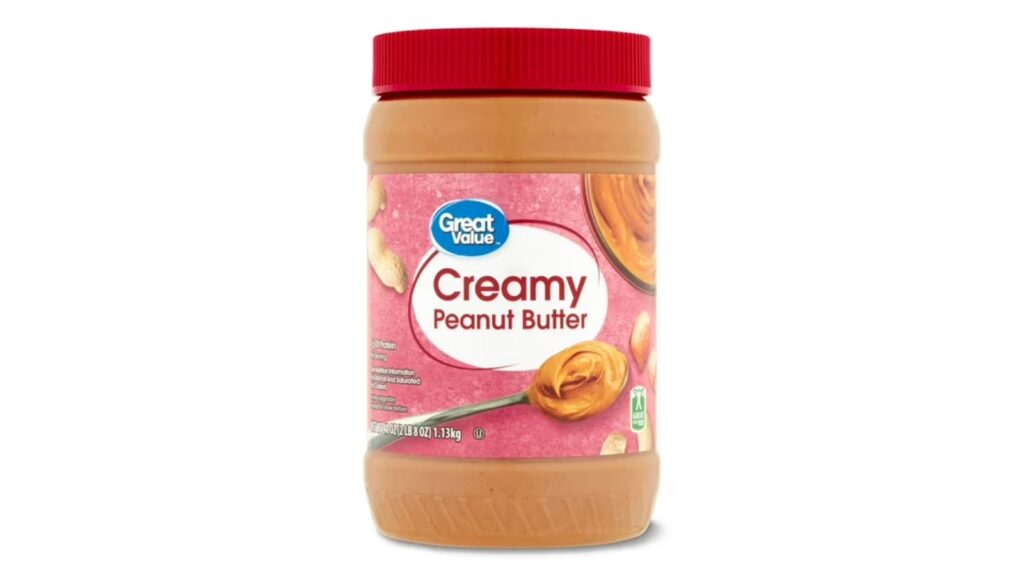
Store-brand and generic products in most grocery chains are manufactured by the same companies that make the name brands, often in the same facilities. The difference is the label and the price. Generics typically cost 20% to 30% less than their name-brand equivalents for pantry staples like pasta, rice, canned tomatoes, olive oil, flour, sugar, frozen vegetables, and cleaning products.
A household that spends $600 a month on groceries and swaps 40% of that to store brand could save $50 to $70 a month without changing what they eat. The transition is easier than people expect. Start with the categories where quality difference is genuinely hard to detect: spices, dried beans, canned goods, condiments, and paper products. The places where brand matters more, if it matters to you at all, are things like breakfast cereal or specific snack brands your kids insist on.
You don’t have to switch everything. Even switching half your pantry staples moves the needle on the bill.
Delete food delivery apps from your phone

Food delivery is expensive in a way that tends to sneak up on you. A meal that costs $12 at a restaurant arrives at your door for $30 to $40 after delivery fees, service fees, and the tip the app prompts you to leave before your food even shows up. If you’re ordering delivery two or three times a week, you’re spending $240 to $480 a month on food, and most of it isn’t buying you anything better than what you’d make at home.
The apps are designed to make ordering feel frictionless, because that’s what keeps you opening them. Deleting them from your phone introduces just enough friction to break the habit. You won’t stop eating out entirely; you’ll just stop doing it reflexively at 7 p.m. on a Tuesday. If you want takeout, you can still get it. You’ll just have to decide to want it rather than defaulting to it.
Cutting two delivery orders a week saves $60 to $80 a month conservatively, probably more.
Sell something
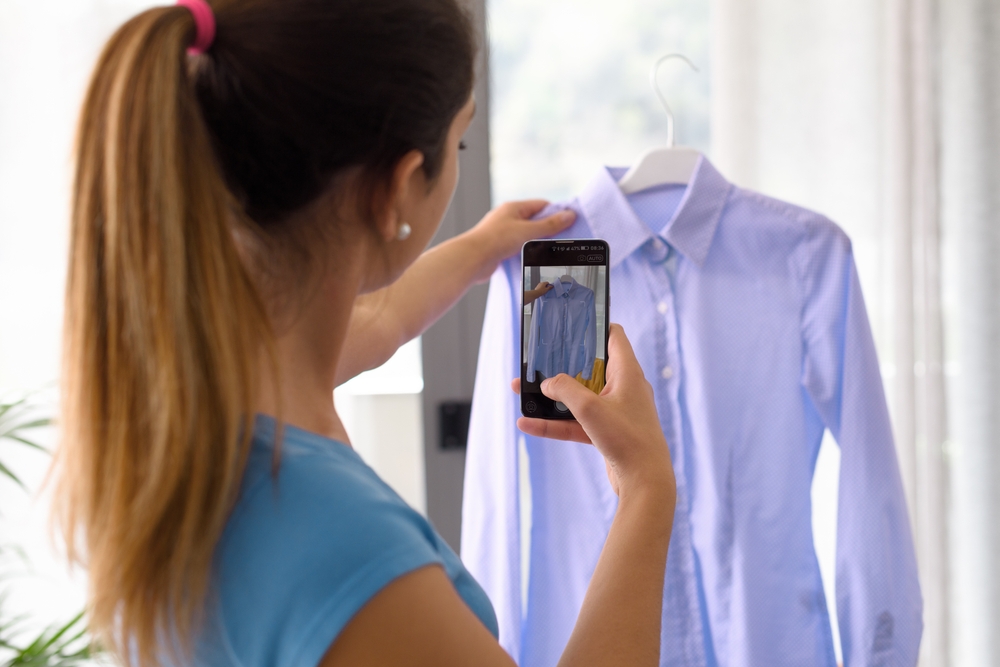
Every household has things that could become cash within 48 hours. Electronics that have been sitting in a drawer for two years. Kids’ gear they’ve outgrown. Furniture you moved with out of habit and haven’t used since. Clothes you’re keeping “just in case.” Sports equipment from a phase that ended.
Facebook Marketplace is the easiest platform for local selling since there’s no shipping involved and you get the full sale price. Take a clear photo in natural light, write a direct description with the item’s condition, and price it slightly below comparable listings to move it fast. eBay works better for collectibles, branded electronics, and anything with a national buyer pool. Poshmark and Depop are better for clothing.
Give yourself two hours this week to go room by room and pull out everything you haven’t used in a year. Price each item, list it, and see what comes in. A single laptop, a camera lens, a stroller, or a gaming console can cover your $100 in one transaction.
Turn the thermostat back a few degrees

Heating and cooling typically account for nearly half of a home’s energy bill. The Department of Energy estimates you can save about 10% a year on heating and cooling by turning your thermostat back 7 to 10 degrees for eight hours a day. Even a smaller adjustment has an effect: dropping the temperature two degrees at night or while you’re at work is enough to make a noticeable difference on the bill over a month.
A programmable thermostat makes this automatic and costs around $25. A smart thermostat like the Google Nest or Ecobee does it without any manual setup, learning your schedule over the first week. If you already have one, check that it’s actually programmed rather than sitting on a fixed setting.
If you rent and can’t change the thermostat settings, focus on sealing drafts under doors, using blackout curtains in summer to keep heat out, and closing vents in rooms you’re not using.
Switch to a free checking account

Monthly maintenance fees on checking accounts average $5.47 for basic accounts at traditional banks, and higher-tier accounts typically run $12 to $15 a month. That’s $65 to $180 a year for the privilege of keeping your own money somewhere. It’s not a necessary expense.
Free checking accounts are widely available through online banks and credit unions, many of which also offer higher interest rates on savings and fewer overdraft fees. Options like Ally, Chime, SoFi, and most credit unions charge no monthly maintenance fees and have either no ATM fees or wide fee-free ATM networks. Switching takes about 20 minutes online. Once your new account is open and you’ve set up direct deposit, you can close the old one.
If you’re also paying ATM fees regularly (typically $3 to $5 per transaction at out-of-network machines), switching to a bank with a large fee-free ATM network stops that drain at the same time.
Check unclaimed.org for money owed to you

Every state holds unclaimed property: forgotten deposits, old paychecks, insurance refunds, savings account balances, utility deposits, and more that companies were required to turn over to the state after losing contact with the owner. The national database at unclaimed.org lets you search every state at once. You may be surprised what shows up.
Common sources include security deposits from apartments you moved out of years ago, refunds from closed accounts, old 401(k) or pension balances from previous jobs, and overpayments on utilities or insurance. Filing a claim is free. The state doesn’t charge you to get your own money back. Some claims process in a few weeks; others take a few months.
Search your name and every previous address you’ve lived at. Also search for older family members if you help manage their finances.
Get car insurance quotes

Car insurance premiums have climbed more than 50% since 2020, and insurers count on most drivers not shopping around at renewal. A Consumer Reports survey of more than 40,000 policyholders found that those who switched saved a median of $461 per year. More than 40% saved $500 or more.
Getting quotes costs nothing and takes less than an hour if you use a comparison tool like The Zebra, Jerry, or Policygenius, which pull rates from multiple carriers at once. You’re not obligated to switch, and the quotes don’t affect your credit. If a competitor comes in $40 a month lower than what you’re paying now, you have a decision to make. If your current insurer is already competitive, you’ve confirmed that and lost nothing.
Loyalty doesn’t pay with car insurance. Most companies offer their best rates to new customers, which means the longer you’ve stayed, the more likely you’re overpaying.











