
You’re at the checkout, watching the total tick upward, and the number feels completely disconnected from what’s in your cart. It’s not your imagination. Food prices have risen more than 27% since 2020, and they haven’t come back down. The average household is now spending around $667 a month on groceries, before you count a single restaurant meal or delivery order.
What makes this frustrating is how invisible the waste is. A 2025 EPA report found that a family of four loses close to $3,000 every year to food that doesn’t get eaten, nearly double earlier estimates. That’s not a grocery problem. That’s a planning problem.
Meal planning is the single biggest tool you have for controlling this. Research on meal planners found they cut food costs by roughly $47 per person each month, which adds up to more than $560 a year. The 18 strategies below cover everything from how to set up a weekly plan to the specific shopping habits that quietly drain budgets even when people think they’re being careful.
Table of contents
- Plan your meals for the full week before you shop
- Build your meal plan around the sales, not the other way around
- Do a pantry audit before every shopping trip
- Stop shopping more than once a week
- Use grocery pickup to eliminate impulse spending
- Switch to store brands on staples
- Compare unit prices, not sticker prices
- Buy proteins in bulk when they’re on sale, then freeze them
- Bring more plant proteins into your rotation
- Batch cook on weekends and use your freezer as a resource
- Design meals around flexible ingredients, not one-use ones
- Use every part of what you buy
- Learn your store’s markdown schedule
- Tackle food waste, which costs the average family $3,000 a year
- Sign up for store loyalty programs and actually use the apps
- Shop discount grocers for your shelf-stable staples
- Reduce takeout and restaurant spending by making cooking easier, not harder
- Set a weekly number and track it
Plan your meals for the full week before you shop

The most expensive grocery trips are the unplanned ones. When you walk into a store without knowing what you’re making for dinner Tuesday through Friday, you fill the cart with ingredients that sound like a good idea, come home with things that don’t go together, and end up ordering takeout anyway while produce rots in the crisper drawer.
A weekly meal plan takes 15 minutes and changes the entire math. You shop for exactly what you need, you don’t buy the same ingredients twice, and you’re far less likely to blow $40 on delivery because there’s nothing obvious to cook. It doesn’t have to be elaborate. A list of five dinners, with a plan to repeat one for leftovers, is enough to make a real difference.
Start with dinners, since those are the decisions that cause the most stress and spending. Breakfast and lunch tend to be simpler and more habitual; if you eat the same two or three things most mornings, leave them as defaults and focus your planning energy on the meals that feel chaotic. The goal is to make every item you buy have a clear purpose before you put it in the cart.
Build your meal plan around the sales, not the other way around

Most people plan their meals first, then shop. Reversing that order can save you a noticeable amount of money each week. Pull up your store’s weekly circular before you start planning, see what’s deeply discounted, and build a few meals around those items. This is especially useful for meat, which is often the most expensive line in any grocery budget and one of the items that goes on the best sales.
Grocery store sales change weekly, and different stores discount different things. Meat prices rose more than 12% year over year through late 2025, so buying ground beef or chicken thighs at a genuine markdown, and planning the week’s meals around it, is one of the fastest ways to reduce your bill without changing what you eat. Same goes for produce: if strawberries are $1.29 this week instead of $4, work them into your plan.
Most major grocery chains publish their weekly ads online and in their apps. You don’t have to coupon obsessively or visit four stores. Just check what’s on sale at your usual store before you sit down to plan, and let that shape a meal or two. Over the course of a month, that habit alone can add up to meaningful savings.
Do a pantry audit before every shopping trip

Before you write a single item on your grocery list, look at what you already own. Open the cabinets, check the freezer, flip things around in the fridge. Most households are sitting on more food than they realize, and a significant chunk of grocery spending every week is duplicate purchasing: buying pasta you already have, picking up another can of diced tomatoes before you’ve used the three already in the cupboard.
A quick pantry audit takes five minutes and regularly reveals a meal or two’s worth of ingredients that were already there. That rice that’s been sitting in the back of the shelf? Good. That half-pound of frozen shrimp? Plan something around it. Cooking from what you have before adding more to the pile is one of the lowest-effort ways to cut your weekly spend.
It also helps you avoid the specific kind of waste that happens with staples. Spices, oils, grains, and canned goods can quietly accumulate without anyone noticing, which means you keep buying things you own, which means you’re spending money you didn’t need to spend. The audit habit fixes this with almost no extra effort.
Stop shopping more than once a week

Every extra trip to the grocery store costs you money, even if it doesn’t feel like it. You went back for milk. You left with milk, a bag of chips, a rotisserie chicken, and two things that were on sale. Research consistently shows that impulse spending increases with store visits, and there’s no reason to think your willpower is the exception.
One trip per week, based on a real plan, is the goal. If you run out of something mid-week, either substitute or skip it. The discipline of not going back is part of what makes planning work. The moment you make the store a casual drop-by destination, the savings from your careful weekly list start leaking out the sides.
If there’s a genuine emergency top-up needed, keep it to a maximum of two or three specific items and do not browse. Going in without a list for “just a few things” is how $30 disappears on a Wednesday afternoon without a single necessary item in the bag.
Use grocery pickup to eliminate impulse spending

If you struggle to stick to your list in-store, grocery pickup is one of the best tools available. You build your cart online, you see the running total the entire time, you skip the checkout line, and you never walk past the end caps, the bakery, or the seasonal display that’s currently full of things that weren’t on anyone’s meal plan.
Many stores offer free pickup, or charge a small fee of around $3 to $5. For most shoppers, that fee saves more than it costs by removing the environment that produces impulse buys. Shoppers who’ve switched to pickup regularly report spending significantly less, partly because you don’t browse the same way online that you do in person, and partly because the cart total is visible the whole time.
It also makes it easier to use coupons and compare prices deliberately, since you’re not standing in an aisle under time pressure. If you’ve tried to stick to a grocery budget and found it genuinely hard to follow through in the store, this is worth trying before assuming the problem is discipline.
Switch to store brands on staples
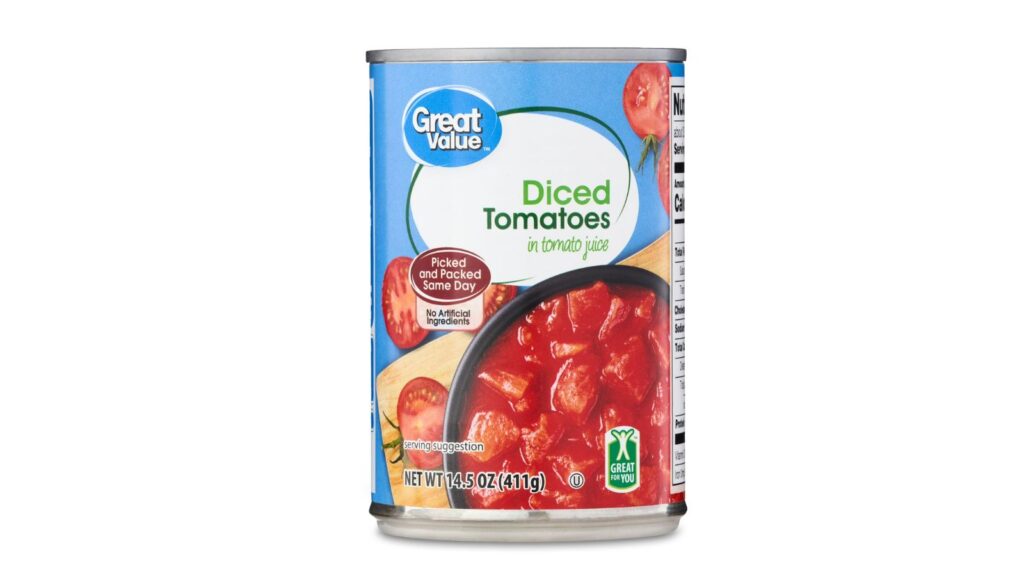
Choosing store-brand versions of basic groceries over name-brand equivalents is one of the few grocery tactics that costs no time and requires no behavioral change. You’re buying the same product. You’re just not paying for the marketing that went into the packaging.
Store brands save an average of 25% to 30% compared to name-brand products, and on specific items the gap is considerably larger. A study comparing 171 products at Walmart, Target, and Kroger found savings of nearly 67% on ketchup and 49% on pasta and boxed mac and cheese when choosing the store version. Blind taste tests repeatedly show most shoppers can’t tell the difference on staples like pasta, rice, flour, sugar, frozen vegetables, and canned goods.
The best approach is to start with low-risk swaps: pantry basics, basic dairy, frozen produce. Keep the name brands for the two or three items where you genuinely care about the difference, and switch everything else. You’ll find most of it passes without complaint, and the savings accumulate fast. If something doesn’t work, you’re out a couple of dollars. If it does, you’ve permanently lowered the cost of that item for your household.
Compare unit prices, not sticker prices
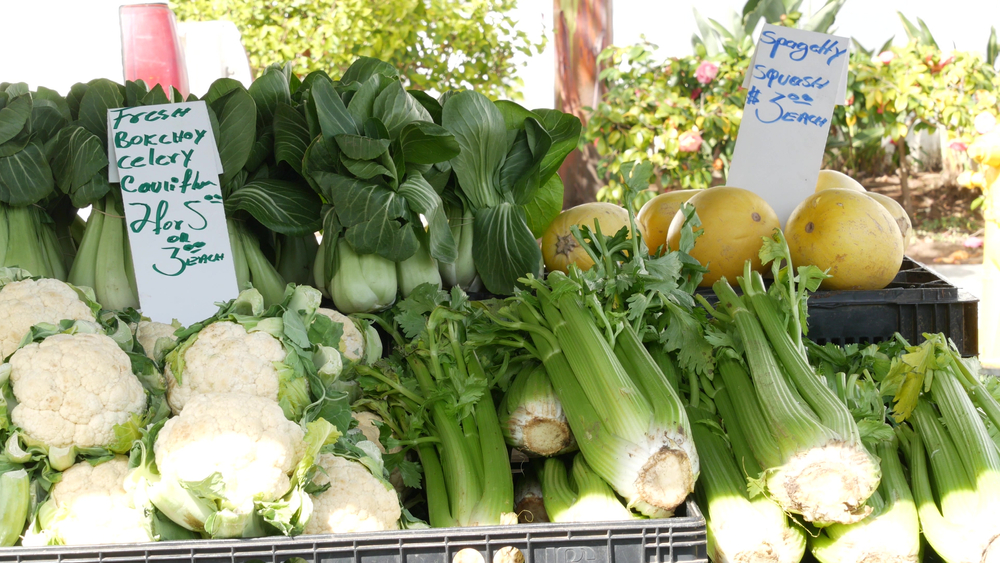
The bigger package is not always cheaper. The sale item is not always a good deal. The only number that actually tells you what something costs is the price per ounce, per pound, or per count, and that number is not the one displayed most prominently on the shelf. Grocery stores know this, which is why the unit price is usually printed in a small font at the bottom of the price tag.
This matters particularly right now because of shrinkflation, the practice of reducing package size while keeping the price the same or raising it slightly. The box that looks identical to the one you bought last year might contain 10% less cereal. The “family size” option might have a worse unit price than the regular size on sale. You can’t evaluate any of this without comparing unit prices.
Make it a habit to glance at the shelf tag before putting anything in the cart. After a few weeks, you’ll start to recognize when something is genuinely priced well and when it just looks like a deal because the package is big. It takes an extra second and costs nothing, and it prevents a specific kind of spending where you think you’re being smart but the math doesn’t actually work out.
Buy proteins in bulk when they’re on sale, then freeze them

Meat is expensive and highly perishable. The combination means most people buy it in small quantities at regular price because they’re not sure when they’ll use it, which is also the worst possible way to buy it. A better approach: when chicken thighs, ground beef, pork tenderloin, or whatever your household uses most goes on a significant sale, buy more than you need for the week and freeze the rest.
Proteins freeze extremely well when handled properly. Ground beef and sausage can be portioned before freezing. Chicken can go in bags by cut. Fish should be used quickly or frozen immediately after purchase. A vacuum sealer is useful if you buy in large quantities; if you don’t own one, wrap proteins tightly in plastic wrap before putting them in a freezer bag to prevent freezer burn.
Buying in bulk on sale and freezing effectively converts your freezer into a personal discount aisle. The math is simple: if ground beef is $6.99 a pound and goes on sale for $4.49, buying four pounds at the sale price and freezing three of them saves real money compared to buying one pound at regular price four separate times. This strategy also means you always have protein on hand, which reduces the likelihood of falling back on expensive last-minute options.
Bring more plant proteins into your rotation

You don’t have to go vegetarian. You just need to cook a few meals a week where the protein isn’t meat. Lentils, black beans, chickpeas, and dried or canned legumes of any kind are substantially cheaper than beef, chicken, or seafood, hold just as much protein per serving, and stay shelf-stable for months. They also work in a lot of the same dishes you’re already making: chili, soup, tacos, grain bowls, curries.
Meat prices jumped more than 12% year over year through late 2025. Dried lentils and canned beans have not moved at anything close to that pace. Adding three or four plant-based protein meals to your weekly rotation creates a meaningful buffer against meat price increases while keeping your grocery bill stable.
The adjustment takes some getting used to if your household isn’t accustomed to it, but the flexibility of legumes is genuinely useful. A pot of lentil soup is cheap, filling, requires almost no active cooking time, and produces six to eight servings. A pot of black beans made from dried, not canned, costs very little and can serve as a protein base across multiple meals in the same week. Start with one or two meals a week and see what your household actually likes before committing further.
Batch cook on weekends and use your freezer as a resource

The most expensive food decision most people make isn’t at the grocery store. It’s at 6:30 on a Tuesday when they’re tired, there’s nothing obvious to eat, and they order delivery or drive through somewhere. Batch cooking on weekends removes that decision from the weekday completely.
The idea isn’t to make every meal in advance. It’s to remove the friction from the days when cooking from scratch isn’t realistic. Cooking a large pot of soup, a tray of roasted vegetables, or a double batch of a grain on Sunday and storing portions in the freezer means dinner on a hard Thursday is “heat this up” rather than a new production. That’s the difference between $4 and $30 in a lot of households.
Freezer meals are particularly effective for households with irregular schedules or kids in activities. Meals like chili, enchiladas, curry, pasta bakes, and soups freeze and reheat cleanly. The upfront time investment is real, but the payoff is fewer expensive last-minute decisions and less food going bad because there wasn’t time to cook it. If you have time on one weekend day, cooking extra and freezing half is one of the most consistent ways to keep the weekly food budget in check.
Design meals around flexible ingredients, not one-use ones

One of the fastest ways to overspend on groceries is to choose recipes that each require their own unique set of ingredients with no overlap. You end up buying a bunch of things used once, then watching them expire before you get to them again. The remedy is to plan with ingredients that can do multiple jobs across the week.
Rotisserie chicken is a good example. One chicken can be dinner on Monday, shredded into tacos on Tuesday, and mixed into a soup or grain bowl on Wednesday. Roasted sweet potatoes work as a side one night and in a salad or burrito the next. A large container of Greek yogurt covers breakfast, serves as a sour cream substitute, and works in a marinade. When you’re planning your meals, ask whether the key ingredients you’re buying can appear in at least two places during the week.
This approach also reduces the anxiety of produce going bad. When you buy a bunch of kale knowing exactly which three meals it’s going into, it gets used. When you buy it because it seemed healthy and you thought you’d use it, there’s a real chance it becomes an expensive compost project by Thursday. Flexible planning keeps food in rotation rather than in the bin.
Use every part of what you buy
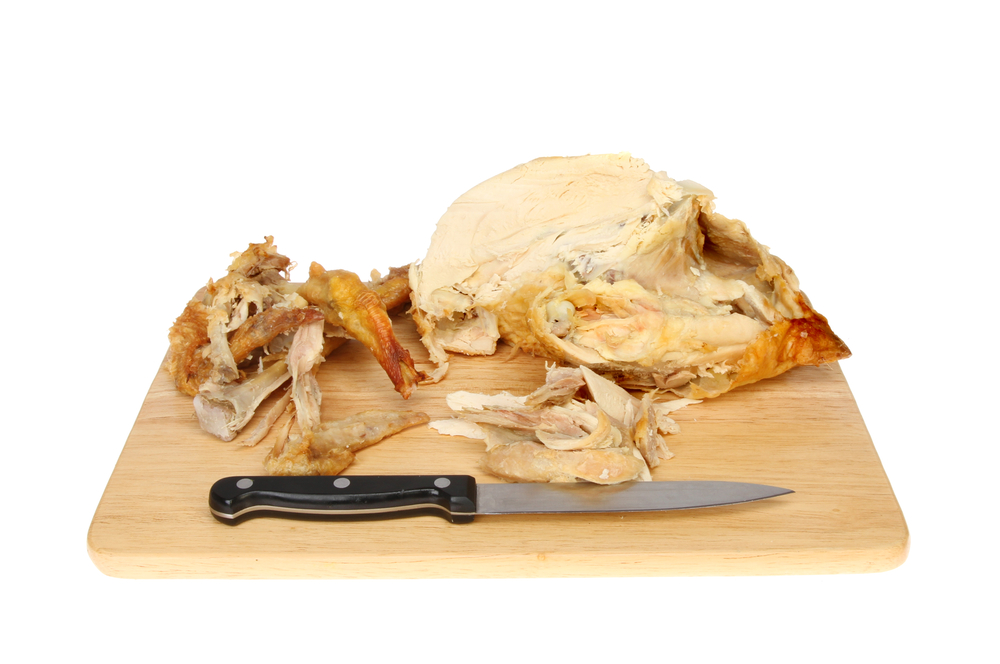
Grocery budgets leak in ways people don’t always track. You buy a bunch of celery for a recipe that calls for two stalks. The rest slowly yellows in the refrigerator. You buy fresh herbs, use a tablespoon, and throw out the rest. You cook a whole chicken for the breast meat and discard the carcass. This is not catastrophic on its own, but it adds up to real money over time.
Learning a few whole-ingredient habits makes a noticeable difference. Chicken bones and vegetable scraps kept in a bag in the freezer become free stock. Celery leaves and carrot tops go in soups and salads. Wilting vegetables get roasted and used for pasta, grain bowls, or frittatas rather than thrown out. Bread going stale turns into breadcrumbs or croutons. These aren’t tricks that require culinary skill. They’re just the habit of asking one more question before anything goes in the trash.
Fresh herbs are a specific category worth noting. Buying a bunch of cilantro for one recipe and tossing the rest happens constantly in households that cook. Either buy only what you’ll use, or plan two or three recipes in the same week that share the herb. Alternatively, many herbs can be washed, patted dry, wrapped in a damp paper towel, and kept in the refrigerator far longer than most people realize.
Learn your store’s markdown schedule

Every grocery store marks down items that are approaching their sell-by date, and most of them do it on a predictable schedule that regular shoppers can learn. Meat that hasn’t sold by mid-week often gets reduced on Tuesday or Wednesday. Bakery items typically see the deepest discounts later in the day or on specific days before they’re pulled. Produce close to its prime often gets a yellow clearance tag rather than being discarded.
The savings on markdown items can be significant. Meat stickers regularly bring chicken, beef, or fish down by 30% to 50%. If you see it marked down and can either cook it that day or freeze it immediately, it’s a genuine deal. The key is that it needs to actually fit your meal plan or your freezer has to have room for it. Buying discounted items you don’t have a plan for just moves the waste from the store to your refrigerator.
If you’re unsure when your store runs its markdowns, ask someone working the meat or produce department. Most staff will tell you directly, and knowing that your store marks down ground beef on Tuesday mornings gives you a reason to time your weekly trip accordingly. This is a zero-cost strategy that takes a single conversation to set up.
Tackle food waste, which costs the average family $3,000 a year

For Unsplash+
A 2025 EPA analysis found that American consumers lose close to $728 per person per year to food waste, nearly double earlier estimates. For a family of four, that’s roughly $3,000 in uneaten groceries and restaurant leftovers. The home portion is substantial and almost entirely preventable.
The most common driver isn’t buying too much. It’s buying without a plan, so food sits in the fridge until it’s past using. Produce is especially vulnerable: if you buy salad greens knowing they go into a salad Wednesday and a stir fry Thursday, they get used. If you buy them because you meant to eat healthier this week, there’s a real chance they don’t. A second contributor is freezing food too late. If meat or produce is approaching its end but you can’t use it today, freeze it now rather than tomorrow. “Tomorrow” often becomes the day you throw it out.
A third, less obvious driver is confusion about expiration labels. More than 80% of Americans discard perfectly good food because of labels they misread. “Sell by” is a store inventory date, not a safety cutoff. “Best by” and “best before” indicate peak quality, not danger. The label that actually signals a safety concern is “use by,” and even that applies primarily to high-risk items like deli meats, not pantry staples. Dairy, eggs, canned goods, dried pasta, and rice are typically safe for considerably longer than their dates suggest. Trusting your senses, smell, appearance, texture, is more reliable than a printed date on most foods, and stopping the habit of throwing things out the moment a “best by” passes recovers real money each month.
Sign up for store loyalty programs and actually use the apps

Grocery loyalty programs have gotten considerably more useful in recent years. Beyond access to the weekly sale prices (which you often can’t get without scanning your card), most major chains now offer personalized digital coupons, cash-back programs, and occasionally fuel rewards. None of it costs anything to sign up for, and the discounts can be meaningful for shoppers who plan around them.
The best grocery rewards credit cards offer 3% to 6% cash back on supermarket purchases, which is worth considering if you pay your card off in full each month. But even without a dedicated grocery card, the store’s own loyalty app typically loads digital coupons you can clip and apply at checkout. Some stores load them automatically if you’ve bought the product before.
The main thing is to actually use the app rather than just having a loyalty card. A store card you swipe without looking at the app means you’re getting sale prices but missing personalized coupons, digital deals, and any cash-back programs the store runs. Five minutes before you shop to check the app is consistently worth doing.
Shop discount grocers for your shelf-stable staples

Aldi, Lidl, Grocery Outlet, WinCo, and similar discount chains carry dramatically lower prices on pantry staples than conventional supermarkets. A fall 2025 consumer survey found that 82% of households earning over $100,000 are buying more private-label products than ever before, largely from discount chains. The idea that these stores are only for people on tight budgets has fully dissolved.
The practical approach is to do a monthly stock-up at a discount grocer for the things your household always needs: pasta, rice, canned goods, oils, frozen vegetables, bread, eggs, and dairy. Then use your regular store for fresh produce, specialty items, or anything the discount store doesn’t carry. You’re not switching all your shopping. You’re just not paying full price at the premium supermarket for items where it doesn’t make any difference.
Warehouse clubs like Costco can also work well for the right households. The economics depend on whether you have the storage space and will actually use what you buy before it expires. Large families who cook regularly and can handle bulk quantities consistently see savings. Smaller households or those without good storage space often end up wasting more than they save, so be honest about which category you’re in before committing to a membership.
Reduce takeout and restaurant spending by making cooking easier, not harder

Eating out costs three to five times more per meal than cooking the same thing at home. That’s a wide range depending on where you eat, but even at the low end it’s a significant multiplier. The problem for most households isn’t that they want to eat out. It’s that on a given weeknight when everyone is tired and there’s nothing prepped, the path of least resistance is ordering food. The solution isn’t willpower. It’s reducing friction.
Having a working weekly plan means you don’t open the fridge and stare blankly. Having some components already prepped, a batch of grain, some cooked beans, roasted vegetables from Sunday, means a meal can come together in fifteen minutes rather than forty-five. Having a rotation of fast, reliable dinners you know by heart means you don’t need to consult a recipe on a hard Tuesday.
Takeout spending is worth tracking honestly, because it hides in household budgets. If your grocery budget is $700 a month but you’re spending another $300 or $400 on delivery and restaurants, the grocery side is only half the picture. The cost of eating out rose 3.6% in a single year, while the cost of food at home rose 1.6% in the same period. The gap between the two costs keeps widening, which makes every meal cooked at home worth more over time.
Set a weekly number and track it

You can do everything else on this list and still overspend if you’re not tracking what you spend. A budget without a number is just intentions. Knowing your weekly grocery target, seeing your running total as you shop, and comparing it to last week creates the feedback loop that makes planning stick.
A common framework is to spend 10% to 15% of your after-tax monthly income on all food combined, including groceries and eating out. For a household bringing home $5,000 a month, that puts the total food budget somewhere between $500 and $750. Where the grocery portion sits within that depends on how much you eat out. The USDA’s Thrifty Food Plan for a family of four sits just under $1,000 a month; their moderate-cost plan runs around $1,250 to $1,400.
Track it simply. Look at last month’s actual grocery spending to establish a baseline. Set a target that’s realistic rather than aspirational. Check in weekly rather than waiting until the end of the month when adjusting is no longer possible. Most people who’ve reduced their grocery bills significantly have found that tracking is what actually moved the number, because it makes the cost of each decision visible in real time rather than invisible until the statement arrives.
Groceries are one of the most controllable line items in most household budgets, which means it’s also the place where a few consistent habits can accumulate into real savings over time.











