
Some of the best-paying jobs in healthcare are not exciting. They require education and experience and are often slow, technical, repetitive, and full of rules.
That can be good news if you are tired of job posts that promise “passion” but do not pay enough to cover real bills. Boring work can mean steady work, especially when it requires a license, strict judgment, and a human name on the final decision.
These jobs are not quick wins. Most require advanced degrees, licenses, certifications, or years of experience. But they can clear $100 an hour, and the work is built around tasks employers still need done carefully, again and again.
Physician advisor

Physician advisors spend much of the day reviewing charts, checking whether hospital stays meet coverage rules, answering denials, and talking with case managers. It is doctor work, but it is not the rush of the ER or the operating room. A lot of it is reading records, comparing notes to policy language, and writing a clear reason why a patient did or did not meet criteria.
Average pay is about $133 per hour. Hospitals, health systems, insurers, and review companies need these physicians because billing rules, appeals, audits, and medical necessity reviews keep getting more complicated. The usual path is medical school, residency, an active license, and enough clinical experience to understand inpatient care. The job is repetitive, but it leans on licensed judgment, documentation skill, and the ability to defend decisions when money and compliance are both on the line.
Medical physicist

Medical physicists work behind the scenes in radiation oncology, imaging, and nuclear medicine. Their days can be full of machine checks, dose calculations, safety reviews, calibration logs, and quality control. That sounds dry because it is. But when a cancer patient is getting radiation, someone has to make sure the machine delivers the right dose to the right place.
Average pay is about $154 per hour. Hospitals, cancer centers, imaging companies, and equipment makers need these workers because radiation treatment is highly regulated and mistakes can be serious. Most medical physicists have a graduate degree in physics or medical physics, followed by residency training and board certification. The job is steady because cancer care, imaging, and equipment safety are not optional. It is also hard to replace with software because the work mixes physics, patient-specific planning, equipment checks, and formal sign-off responsibility.
Pathologist

Pathologists spend much of their time looking at tissue, blood, cells, and lab results. The work can be quiet and repetitive, especially when you are reviewing slide after slide to decide whether a sample is benign, cancerous, infected, inflamed, or unclear. Patients may never meet you, but their treatment often depends on your report.
Average pay is about $158 per hour. Pathologists work in hospitals, reference labs, academic medical centers, blood banks, and specialty testing companies. You need medical school, residency, licensing, and often fellowship training in areas like surgical pathology, hematopathology, or cytopathology. Demand stays steady because every biopsy, cancer workup, transfusion service, and complex lab test needs medical oversight. Image tools can flag patterns, but a licensed physician still has to make the call, handle gray areas, and defend the result when treatment decisions are on the line.
Sleep medicine physician

Sleep medicine can be surprisingly boring in the best way. These doctors review sleep studies, diagnose sleep apnea, adjust CPAP treatment, manage insomnia, and follow up on patients who are tired, snoring, or not breathing well at night. A lot of the day is reading reports, asking the same detailed questions, and making small treatment changes that matter over time.
Average pay is about $137 per hour. Sleep clinics, hospital systems, pulmonary groups, neurology practices, and telehealth programs hire these physicians. Demand is helped by obesity, aging, heart disease, shift work, and better awareness of sleep disorders. The usual path is medical school, residency, and fellowship training, often after internal medicine, pulmonology, neurology, psychiatry, or family medicine. The work is structured and heavy on follow-up. It depends on patient conversations, medical judgment, and treatment follow-through, not just a machine-generated sleep report.
Occupational and environmental medicine physician

Occupational and environmental medicine physicians deal with work-related health problems. That can mean repetitive injury reviews, return-to-work exams, exposure records, fitness-for-duty decisions, workers’ compensation paperwork, and safety policy reviews. If you like drama, this is probably not the job. If you like rules, documentation, and clear boundaries, it can be a strong niche.
Average pay is about $112 per hour. Employers include hospitals, large manufacturers, transportation companies, government agencies, insurers, and corporate health programs. Companies need doctors who understand both medicine and workplace rules, especially when injuries, chemicals, hearing loss, respiratory risks, or disability claims are involved. The usual route is medical school, residency, licensing, and often board certification in occupational medicine. The work is hard to automate because every case involves medical facts, job duties, legal risk, and a real person trying to stay employed or return safely.
Physical medicine and rehabilitation physician

Physical medicine and rehabilitation physicians, often called physiatrists, help people recover function after injuries, strokes, surgeries, nerve problems, and chronic pain. The work can feel repetitive: exams, mobility reviews, therapy plans, medication adjustments, injections, brace decisions, and long notes about what a patient can and cannot do.
Average pay is about $134 per hour. Physiatrists work in rehab hospitals, orthopedic groups, pain clinics, sports medicine practices, workers’ compensation settings, and nursing facilities. Demand is supported by an aging population, joint replacements, spinal problems, brain injuries, and the need to keep people out of long hospital stays. Training requires medical school, residency, licensing, and sometimes fellowship work in pain, sports, spinal cord injury, or brain injury medicine. It is a practical field with lots of follow-up and paperwork, but the core work is human: watching movement, judging pain and strength, and coordinating care across therapy teams.
Medical director of pharmacovigilance

Pharmacovigilance is drug safety work. A medical director in this field reviews adverse event reports, safety signals, clinical trial data, regulatory questions, and case narratives. It can be a lot of reading, meetings, risk language, and careful documentation. It is not glamorous, but it matters when a drug may be helping people and harming others at the same time.
Average pay is about $180 per hour. Drug companies, biotech firms, medical device companies, and contract research organizations need physicians who can make safety decisions and communicate them clearly. Most people get there through medical school, clinical experience, and industry experience in drug safety, clinical development, or regulatory affairs. The role is steady because companies must monitor products long after launch. Software can sort reports, but it cannot carry the medical license, weigh messy evidence, or answer regulators when a safety concern becomes serious.
Clinical pharmacy formulary director

A clinical pharmacy formulary director helps decide which drugs a hospital, health plan, or large pharmacy program will cover and how they should be used. The work is heavy on committee packets, medication safety reviews, drug shortage planning, dosing policies, prior authorization rules, and cost comparisons. It can be painfully slow, especially when you are reviewing the fifth version of the same policy.
Average pay is about $120 per hour. Employers need this role because medication costs are high, new drugs keep coming, and regulators expect tight controls around how drugs are approved, stored, dispensed, and monitored. Most people start with a PharmD, pharmacist licensure, residency or specialty experience, and years in hospital, managed care, oncology, specialty pharmacy, or medication safety. Software can track spending and flag interactions, but a pharmacist still has to weigh evidence, safety, shortages, and real-world use.
Diagnostic radiologist

Diagnostic radiologists read imaging studies all day: CT scans, MRIs, X-rays, ultrasounds, and mammograms. The job can be lonely and repetitive. You sit in a dark room, move through a worklist, compare old studies, dictate reports, and call urgent findings to other doctors. The boring part is the volume. The serious part is that a missed finding can change a life.
Average pay is about $255 per hour. Radiologists work for hospitals, imaging centers, teleradiology groups, breast centers, and large physician groups. Demand stays strong because modern medicine runs on imaging, and scans keep piling up as the population ages. The path requires medical school, residency, licensing, board certification, and often fellowship training. Pattern-finding software is already part of the field, but it does not replace the physician who signs the report, weighs the patient history, talks to the care team, and handles the gray areas that do not fit a clean template.
Medical director, clinical development

A medical director in clinical development works on drug and device trials. The day can be very dry: protocol edits, safety reviews, eligibility questions, investigator calls, lab trends, adverse event narratives, and endless meeting decks. It is still medical work, but it is more controlled than bedside care. You are usually reviewing data and trial rules, not running into a room because someone is crashing.
Average pay is about $182 per hour. Biotech companies, drug makers, device companies, and contract research organizations need physicians who can keep studies medically sound and acceptable to regulators. The path usually includes medical school, residency, an active license, and clinical research or industry experience. Demand stays strong because companies cannot move a product through trials without qualified medical oversight. The job is repetitive, but the decisions require medical training, safety judgment, and accountability.
Senior vice president of regulatory affairs

A senior vice president of regulatory affairs lives in the land of forms, submissions, labeling, meeting minutes, risk language, and long review cycles. This job is boring on purpose. You are making sure a drug, device, diagnostic test, or biotech product follows the rules before and after it reaches the market. A normal week can mean reviewing the same label sentence over and over until every word is defensible.
Average pay is about $144 per hour. Employers need senior regulatory leaders because one missed requirement can delay approval, trigger a warning letter, or create expensive cleanup work. The path is usually a science, pharmacy, engineering, nursing, or medical background, plus many years in regulated product work. Certifications can help, but experience matters most. The work is not easy to hand off because it requires judgment, negotiation, and a deep understanding of how rules apply to messy real products.
Head of quality control, pharmaceutical manufacturing

The head of quality control in pharmaceutical manufacturing oversees testing, batch records, lab investigations, deviations, stability samples, and release decisions. It is not exciting work. It is the same questions again and again: Did the batch meet spec? Was the equipment clean? Did the lab result hold up? Was the deviation handled correctly? That boredom is part of why the role matters.
Average pay is about $106 per hour. Drug makers, biotech plants, sterile manufacturing sites, and contract manufacturers need quality leaders because products cannot ship unless testing and documentation are right. Most people build toward this through chemistry, biology, pharmacy, engineering, or lab operations, then years in quality control, quality assurance, validation, or manufacturing. Automation can run tests and track records, but someone still has to investigate failures, defend decisions, and stop a bad batch from reaching patients.
Endodontist
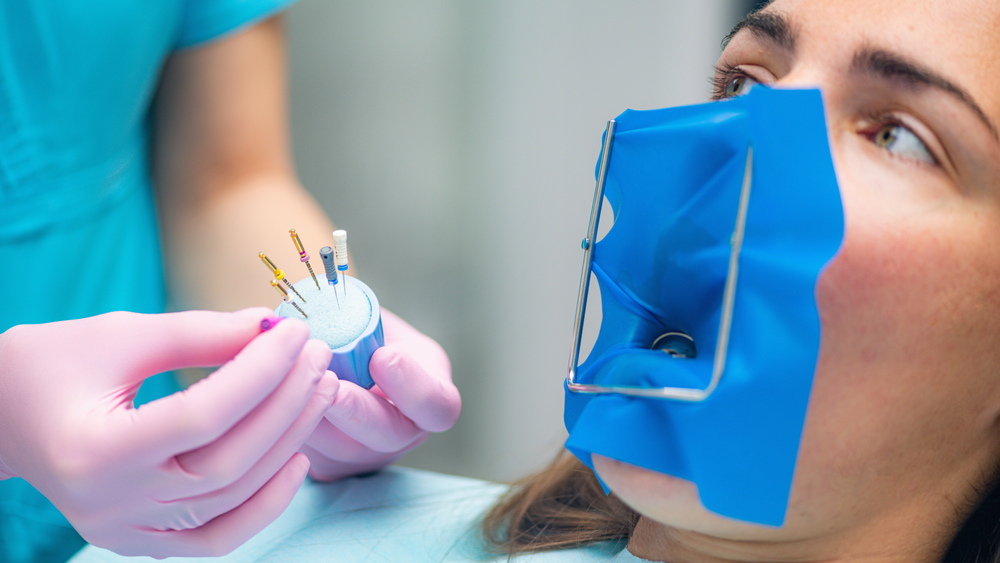
Endodontists are dentists who specialize in root canals and tooth pain. It is detailed, focused work that can look painfully repetitive from the outside: numb the patient, isolate the tooth, clean canals, shape them, fill them, and document the case. Many patients arrive anxious, so the job also takes patience and a calm chairside manner.
Average pay is about $115 per hour. Endodontists work in specialty dental practices, group practices, dental service organizations, and some academic settings. Demand stays solid because people want to save natural teeth, general dentists refer complex cases, and dental emergencies do not wait. The path starts with dental school, then specialty residency and licensing. The work is hands-on, microscopic, and procedure-based. You can digitize records and imaging, but someone still has to treat the canal, manage pain, calm the patient, and decide whether the tooth can be saved.
Periodontist

Periodontists treat gum disease, bone loss, and dental implant problems. A lot of the work is repetitive surgical and maintenance care: deep exams, grafting, implant planning, clean-up of infected areas, follow-ups, and long conversations about home care. It is not flashy work, and some of it is messy, but gum disease is common and often chronic.
Average pay is about $168 per hour. Periodontists work in specialty practices, implant centers, group dental offices, and academic programs. Demand is helped by aging patients, diabetes, tooth loss, and the growth of implant dentistry. The route is dental school, a periodontal residency, licensing, and often board certification. This job is hard to replace because it is physical and patient-specific. Even with better imaging and planning software, a person still has to manage tissue, bone, bleeding, infection, and a nervous patient in the chair.
Prosthodontist
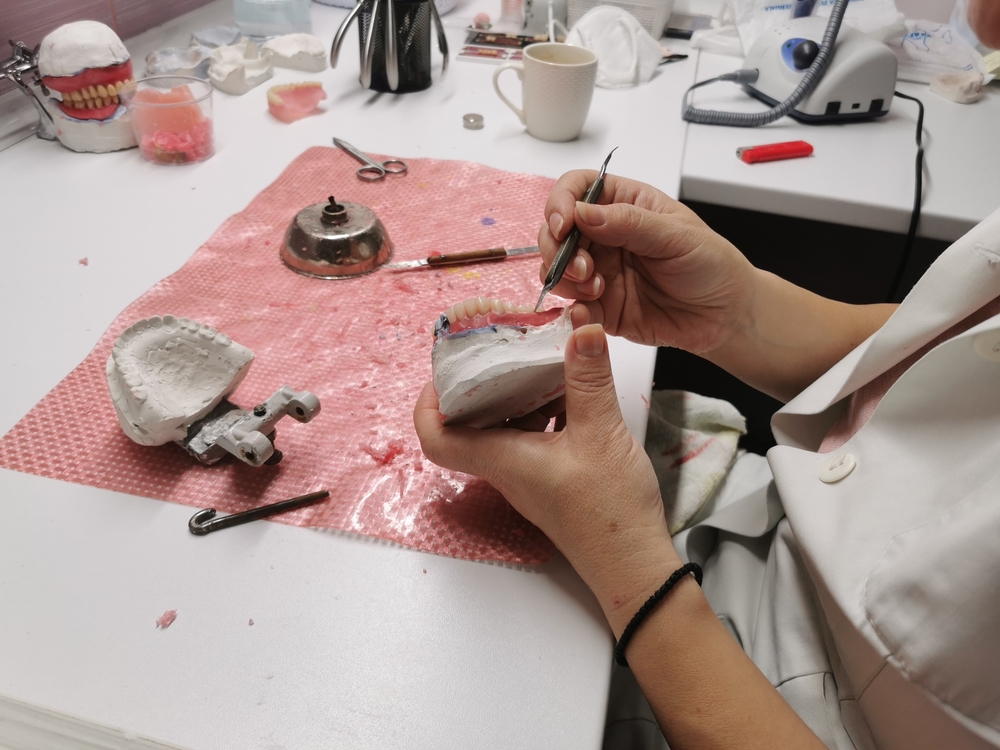
Prosthodontists rebuild and replace teeth. They design dentures, crowns, bridges, implant restorations, and complex full-mouth treatment plans. The work can be slow and fussy: impressions, measurements, bite adjustments, lab coordination, fittings, repairs, and more fittings. It is a strong fit for someone who can tolerate tiny details and repeat visits.
Median wages are listed at $115+ per hour. Prosthodontists work in specialty practices, dental schools, hospital dental programs, implant centers, and large dental groups. Demand is steady because people are keeping teeth longer, older adults need replacement options, and implant dentistry keeps growing. The training path includes dental school, prosthodontic residency, licensing, and usually advanced lab and surgical planning skills. Digital scans and milling machines help, but they do not replace the specialist who decides how a bite should function, manages a complex case, and fixes problems when the mouth does not match the plan.
Orthodontist

Orthodontists move teeth and jaws into better positions using braces, aligners, retainers, and other appliances. The work is repetitive by design: exams, scans, treatment plans, progress checks, wire changes, refinement trays, retainer checks, and patient reminders about wearing the appliance. You see a lot of similar problems, but each mouth moves at its own pace.
Median wages are listed at $115+ per hour. Orthodontists work in private practices, dental groups, pediatric dental offices, and specialty clinics. Demand is stable because parents still seek care for children, adults are more open to treatment, and complex bite problems need more than mail-order trays. Training requires dental school, an orthodontic residency, licensing, and strong case-planning skills. The job has become more digital, but the doctor still has to diagnose bite problems, manage growth, handle complications, and know when a simple-looking case is not simple at all.
Oral pathologist

Oral pathologists diagnose diseases of the mouth, jaw, salivary glands, and related tissues. Much of the work is quiet and repetitive: reviewing biopsies, looking at slides, writing reports, checking clinical histories, and deciding whether a sore, lump, lesion, or tissue change is harmless or serious. Compared with oral surgery, this is much more lab-and-desk work than adrenaline work.
Average pay is about $162 per hour. Dental schools, hospitals, pathology labs, cancer centers, and specialty practices need oral pathologists because dentists and surgeons need reliable diagnoses before treatment moves forward. The path starts with dental school, then specialty training in oral and maxillofacial pathology, licensing, and often board certification. Imaging and lab systems can support the work, but the diagnosis still depends on trained human judgment, pattern recognition, and the legal responsibility of signing the report.
Discover job hunting tips, ways to earn more, and flexible working options:

21 high-paying careers that desperately need workers, but nobody wants to do them: The pay is generous, but these jobs are searching for workers.
No background check jobs: 12 background friendly jobs: If you’re struggling to find a job due to past issues, here are jobs you can get without background checks.
15 remote jobs you probably didn’t know pay $150,000+ In 2026: High income and flexible work hours from home is not a myth — here are some remote-friendly careers.











