
Plenty of people are tired of hearing that the only way to make decent money is to code, sell, manage, or go back to school for years.
Some of the steadier jobs are quiet, repetitive, and honestly kind of dull. You check the same systems, test the same parts, follow the same rules, and do it right every time.
That may not sound exciting, but boring can pay. These jobs usually land between $25 and $40 per hour, and they still need real people because the work is physical, regulated, safety-related, or tied to equipment that has to be handled in person.
Table of contents
- 1. Traffic technician
- 2. Security and fire alarm installer
- 3. Medical equipment repairer
- 4. Calibration technician
- 5. Chemical technician
- 6. Food safety specialist
- 7. Occupational health and safety technician
- 8. Industrial machinery mechanic
- 9. Robotics technician
- 10. Wind turbine technician
- 11. Aircraft mechanic
- 12. Diesel technician
- 13. Histology technician
- 14. Sleep technologist
- 15. Cardiovascular technician
- 16. Radiologic technologist
- 17. Surgical technologist
- 18. Respiratory therapist
- Discover job hunting tips, ways to earn more, and flexible working options:
1. Traffic technician
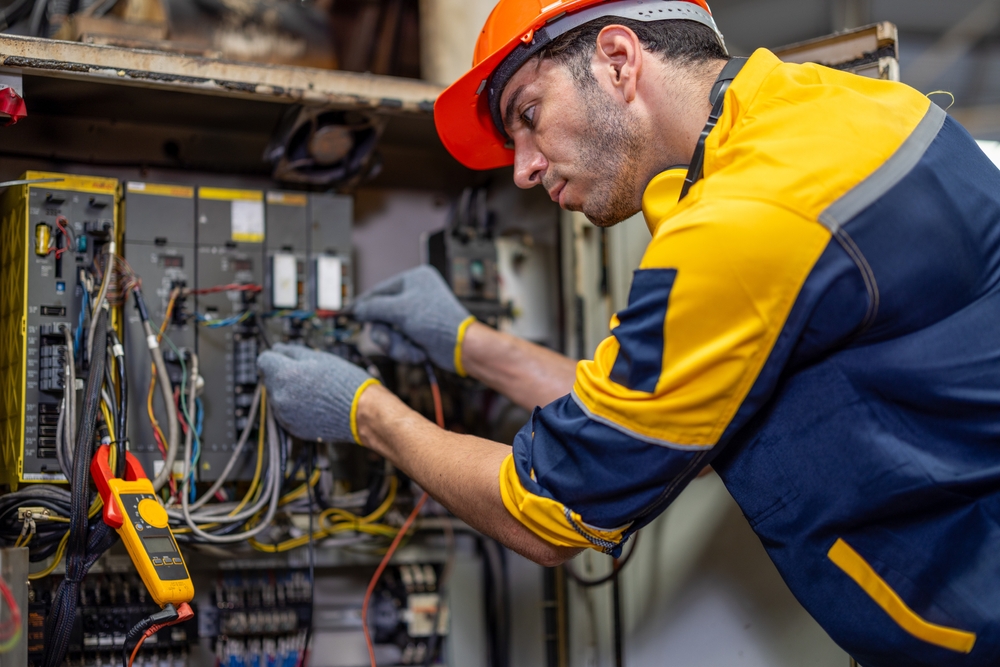
Traffic technicians help keep roads from turning into chaos. They install, test, and maintain traffic counters, signal systems, lane-control devices, and work-zone equipment. A lot of the job is checking timing, recording data, swapping out parts, and making sure signs and signals match the road plan. It is repetitive work, and some days are just a long loop of cones, cabinets, wires, and paperwork.
Median pay is about $28.12 per hour. Cities, counties, contractors, and transportation departments need these workers because roads never stop wearing out and traffic systems keep getting more technical. You can often start with a high school diploma, a clean driving record, and field experience, then add traffic control, electrical, or signal certifications as you move up.
2. Security and fire alarm installer

Security and fire alarm installers spend a lot of time pulling cable, mounting sensors, testing panels, and walking through the same checklist until every device talks to the system. The job can be tedious because accuracy matters more than drama. One missed connection can mean a false alarm, a failed inspection, or a system that does not work when someone needs it.
Median pay is about $28.51 per hour. Demand is helped by new buildings, insurance rules, school safety upgrades, healthcare facilities, and older systems that need service. Employers usually look for basic electrical skills, comfort with hand tools, and the ability to pass background checks. Many techs learn through employer training, low-voltage apprenticeships, or manufacturer certifications.
3. Medical equipment repairer

Medical equipment repairers, often called biomedical equipment technicians, fix and maintain machines used in hospitals, clinics, imaging centers, and nursing facilities. The work can be boring in a good way. You test pumps, calibrate monitors, document repairs, clean contacts, replace parts, and make sure equipment is safe before it goes back near a patient.
Median pay is about $30.11 per hour. Healthcare keeps using more complex equipment, and someone has to keep it running. This job is harder to replace with software because the machines are real, expensive, and used around vulnerable people. Many workers enter with an associate degree in biomedical equipment technology, electronics, or military electronics experience.
4. Calibration technician

Calibration technicians test tools and instruments to make sure they measure correctly. That can mean pressure gauges, thermometers, torque wrenches, scales, lab equipment, or manufacturing sensors. The work is exact and repetitive. You follow procedures, compare readings, adjust equipment, print certificates, and move on to the next item.
Median pay is about $31.27 per hour. Employers need calibration techs in aerospace, medical device plants, labs, utilities, defense contractors, and factories where bad measurements can create expensive or unsafe mistakes. Many people start with electronics, machining, metrology, or quality-control training. The job rewards patience, neat records, and the ability to follow standards without cutting corners.
5. Chemical technician

Chemical technicians assist chemists and engineers by running tests, preparing samples, cleaning lab equipment, recording results, and watching processes. It can be dull because much of the day is measuring, labeling, waiting, rinsing, and logging what happened. But that routine is exactly why employers need careful people in the role.
Median pay is about $27.78 per hour. Chemical plants, testing labs, pharmaceutical companies, energy firms, and materials manufacturers all need people who can handle samples safely and follow procedures. An associate degree in chemistry, applied science, or lab technology helps, though some employers train workers with strong math, safety, and lab basics.
6. Food safety specialist

Food safety specialists check whether food plants, distributors, kitchens, and suppliers are following sanitation and safety rules. A lot of the job is not glamorous. You review temperature logs, inspect storage areas, check labels, watch cleaning routines, document problems, and repeat the same audit steps over and over.
Average pay is about $38 per hour. Food companies cannot skip this work because recalls, contamination, and failed inspections are expensive and dangerous. Employers may want experience in quality assurance, food manufacturing, nutrition, public health, or biology. Certifications in food safety, hazard analysis, or auditing can help you move from plant-floor QA into better-paying specialist roles.
7. Occupational health and safety technician

Occupational health and safety technicians inspect workplaces for hazards. They may check noise levels, air quality, machine guarding, fall protection, chemical storage, injury logs, and safety training records. It is a lot of walking, measuring, note-taking, and reminding people about rules they already know but may not follow.
Median pay is about $28.10 per hour. Construction firms, hospitals, factories, warehouses, labs, and government contractors need safety staff because injuries, fines, and shutdowns cost real money. You can often start with safety coursework, field experience, or an associate degree. The best techs are calm, observant, and willing to speak up without turning every inspection into a fight.
8. Industrial machinery mechanic

Industrial machinery mechanics keep production equipment running. They inspect motors, belts, conveyors, packaging lines, pumps, bearings, and sensors. The boring part is the routine maintenance: grease, test, tighten, listen, replace, document, and repeat. The not-boring part is when a line goes down and everyone is waiting on you.
Median pay is about $30.65 per hour. Factories, warehouses, food plants, utilities, and repair contractors need these workers because machines still break, even in automated plants. Many people enter through industrial maintenance programs, apprenticeships, military mechanical work, or hands-on repair experience. If you are good with tools and patient with troubleshooting, this can be steady work with overtime potential.
9. Robotics technician

Robotics technicians maintain and troubleshoot robots used in factories, warehouses, labs, and production lines. A normal day might include checking sensors, testing grippers, resetting faults, replacing cables, cleaning parts, and making sure a robot repeats the same motion safely thousands of times. It is technical, but it can also be deeply repetitive.
Median pay is about $34.02 per hour. More employers are adding robots, but those systems still need people nearby to install, maintain, and fix them. Training paths include mechatronics, electronics, industrial maintenance, robotics certificates, or military technical experience. This role fits people who like machines more than meetings and can stay calm when production is stopped.
10. Wind turbine technician

Wind turbine technicians inspect, maintain, and repair wind turbines. The work includes climbing, checking bolts, testing electrical systems, changing filters, greasing parts, and documenting every step. The scenery can be dramatic, but the daily work is often a long checklist in tough weather and tight spaces.
Median pay is about $30.09 per hour. Demand is strong because wind farms need scheduled maintenance and fast repairs when turbines stop producing power. Many techs complete a wind energy certificate or technical school program, then train on the job. Comfort with heights, safety rules, travel, and mechanical work matters more than wanting a desk job.
11. Aircraft mechanic

Aircraft mechanics inspect, maintain, and repair planes and helicopters. Much of the job is careful, repetitive checking: panels, fasteners, fluids, tires, brakes, wiring, logs, and required maintenance tasks. You cannot rush it, because small mistakes can turn into serious safety problems.
Median pay is about $37.83 per hour. Airlines, repair stations, cargo carriers, manufacturers, and private aviation companies need mechanics to keep aircraft flying legally and safely. Most workers complete approved aviation maintenance training or gain qualifying experience before certification. This is a good fit for someone who can handle detailed rules, odd shifts, and the pressure of signing off on real equipment.
12. Diesel technician

Diesel technicians repair buses, trucks, construction equipment, farm machines, and other heavy vehicles. The job can be dirty and repetitive: inspections, oil leaks, brakes, diagnostics, filters, exhaust systems, and engine work. You may spend a whole day chasing one stubborn problem or doing the same preventive maintenance on a row of vehicles.
Median pay is about $29.15 per hour. Freight, transit, construction, waste hauling, utilities, and school districts all need diesel equipment to stay on the road. Training can come from a diesel technology program, military mechanic work, or an entry-level shop job. The work is physical and local, which helps protect it from being moved overseas or handled by software alone.
13. Histology technician

Histology technicians prepare tissue samples so doctors can look for disease under a microscope. The job involves receiving specimens, embedding tissue, slicing very thin sections, staining slides, labeling everything, and keeping strict lab records. It is quiet, detailed work, and yes, it can feel like the same steps all day.
Average pay is about $34 per hour. Hospitals, pathology labs, cancer centers, and research labs need reliable techs because diagnoses depend on clean, accurate slides. Many workers enter through histotechnology programs, lab experience, or related science coursework. This job suits people who are steady with their hands and do not mind working behind the scenes.
14. Sleep technologist

Sleep technologists monitor patients during sleep studies. They attach sensors, watch breathing and oxygen levels, document events, troubleshoot wires, and prepare reports for review. Overnight shifts can be slow, quiet, and repetitive. You may spend hours watching screens while patients sleep in another room.
Average pay is about $32 per hour. Sleep labs, hospitals, neurology practices, and home sleep-testing companies need workers because sleep apnea and other sleep disorders are common and often require human setup, monitoring, and follow-up. Training can include a polysomnography program, healthcare experience, and certification. This role can work well if you are patient, careful, and okay working nights.
15. Cardiovascular technician

Cardiovascular technicians help run tests that check the heart and blood vessels. Depending on the workplace, they may do EKGs, stress tests, Holter monitor setups, vascular tests, or assist with more advanced procedures. The boring part is the repetition: place leads, explain the test, capture clean results, clean the room, and do it again.
Median pay is about $32.34 per hour. Hospitals, cardiology offices, imaging centers, and outpatient clinics need these techs as more people age into heart care. Entry paths include certificate programs, associate degrees, or related healthcare experience. The job depends on patient contact, accurate setup, and quick judgment when readings look wrong.
16. Radiologic technologist

Radiologic technologists take X-rays and other diagnostic images. The routine can be plain: position the patient, shield correctly, capture the image, check quality, clean the room, and move to the next order. You need people skills, but much of the work is careful repetition under safety rules.
Median pay is about $37.34 per hour. Hospitals, urgent care centers, orthopedic offices, imaging clinics, and outpatient facilities all rely on imaging. Most workers complete an accredited radiologic technology program and licensing steps. The job stays grounded in real patient care because someone has to position people safely, manage pain or fear, and get usable images without overexposure.
17. Surgical technologist

Surgical technologists set up operating rooms, prepare sterile instruments, count supplies, pass tools, and help keep procedures organized. The work is repetitive because every tray, sponge, blade, and count has to be handled the right way every time. It is not creative work, but it is important work.
Median pay is about $30.21 per hour. Hospitals and surgery centers need surgical techs because procedures cannot run without sterile setup and in-room support. Most people enter through a surgical technology certificate, diploma, or associate program. This job fits someone who can stand for long periods, stay calm, and follow strict routines without getting sloppy.
18. Respiratory therapist

Respiratory therapists treat people who have trouble breathing. They manage breathing treatments, ventilators, oxygen equipment, lung tests, and airway support. Some shifts are intense, but a lot of the work is routine monitoring, repeating treatments, checking settings, documenting results, and moving from room to room.
Median pay is about $38.68 per hour. Hospitals, sleep clinics, long-term care facilities, and home respiratory companies need these workers because lung disease, surgery recovery, and aging all drive demand. Respiratory therapists usually need an associate degree and licensing. The work has to be done with patients, equipment, and clinical judgment in the room, which keeps it tied to human care.
Discover job hunting tips, ways to earn more, and flexible working options:

21 high-paying careers that desperately need workers, but nobody wants to do them: The pay is generous, but these jobs are searching for workers.
No background check jobs: 12 background friendly jobs: If you’re struggling to find a job due to past issues, here are jobs you can get without background checks.
15 remote jobs you probably didn’t know pay $150,000+ In 2026: High income and flexible work hours from home is not a myth — here are some remote-friendly careers.











