
You did the math when you signed up. The SSA’s estimate showed one number. The direct deposit showed another. Sometimes the gap is small. Sometimes it’s hundreds of dollars a month, and nobody sent a letter explaining why.
The average Social Security retirement benefit in 2026 is $2,071 a month. A lot of people get less than that, and many of them don’t fully understand why. Sometimes there’s more than one thing working against them at the same time.
Here are the eight most common reasons your check might be coming in lower than you expected.
Table of contents
- You claimed before full retirement age
- You’re working and haven’t hit full retirement age yet
- Medicare Part B is coming out of your check before you see it
- You’re paying an IRMAA surcharge on top of the standard premium
- Part of your benefit is treated as taxable income
- SSA found an overpayment and is recouping it
- You have fewer than 35 years of earnings on record
- Federal debt is being offset against your payment
You claimed before full retirement age

Full retirement age is 67 for anyone born in 1960 or later. If you claimed at 62, the earliest you can, your monthly benefit is permanently reduced by up to 30%. That reduction doesn’t go away when you hit 67 or 70. It’s baked into your check for the rest of your life, including every future cost-of-living adjustment.
The SSA applies the reduction gradually: 5/9 of 1% per month for the first 36 months before full retirement age, then 5/12 of 1% for each additional month. At 62 with a FRA of 67, the full five-year gap produces that 30% cut. If your full benefit would have been $2,000, you’re collecting $1,400 instead, and every COLA going forward is calculated on that lower base.
A lot of people claim early because they need the income or because they’re worried about the program’s long-term solvency. That’s a legitimate call. The point is to go in knowing the math rather than discovering it later.
You’re working and haven’t hit full retirement age yet

If you’re collecting Social Security before your full retirement age and still working, the earnings test can reduce your benefit significantly. In 2026, SSA withholds $1 for every $2 you earn above $24,480 for the year. If you earn $40,000, that’s $7,760 withheld from your benefits for the year.
The threshold is more generous in the calendar year you actually reach FRA: $65,160, with $1 held back for every $3 over, and only for months before your birthday. The month you hit full retirement age, the earnings test disappears entirely, no matter how much you make.
The withheld money doesn’t vanish. Once you reach full retirement age, the SSA recalculates your benefit to credit back the months it suspended payments, which nudges your monthly check up slightly going forward. But the gap between what you expected and what you’re getting can be jarring if you didn’t know the rule existed.
Medicare Part B is coming out of your check before you see it
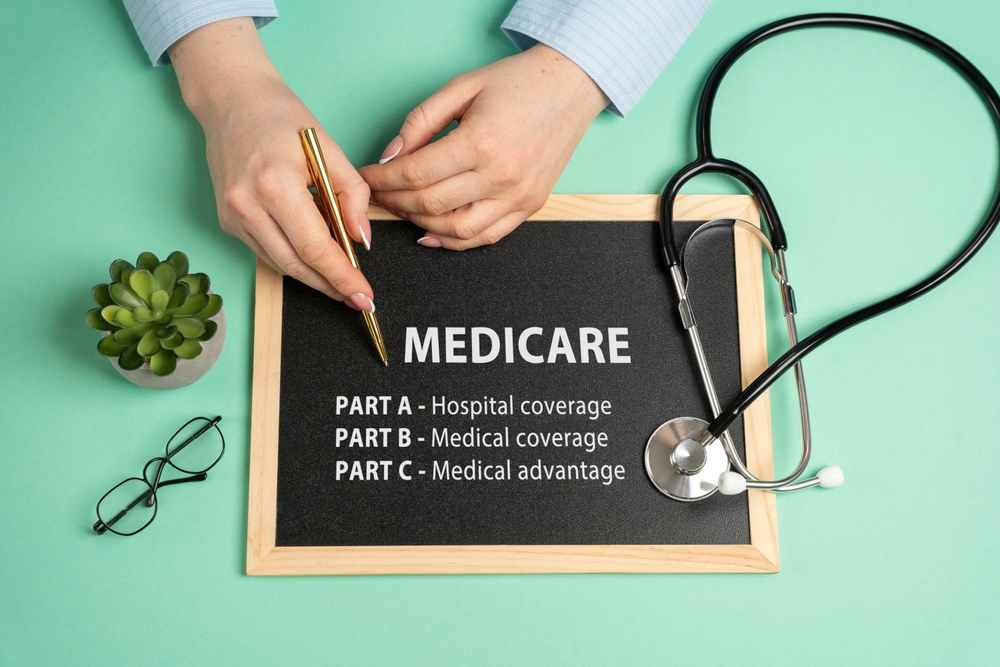
Most Medicare enrollees have their Part B premium automatically deducted from Social Security before the payment hits their bank account. In 2026, the standard Part B monthly premium is $202.90, up $17.90 from $185 in 2025. That nearly 10% jump is the second-largest increase in the program’s history.
To put that in context: the 2026 Social Security COLA added about $56 a month to the average retirement check. The Part B increase ate up roughly $18 of that, leaving a net gain closer to $38. For a lot of beneficiaries, about a third of the raise went straight to Medicare before they saw a cent of it.
This has been the pattern for three consecutive years. Part B premiums have risen faster than the COLA each time. In raw dollar terms, the cost of keeping Medicare Part B has grown much faster than the income Social Security provides, and that gap compounds quietly over time.
You’re paying an IRMAA surcharge on top of the standard premium

Higher-income beneficiaries pay more for Medicare than the standard $202.90. The income-related monthly adjustment amount, known as IRMAA, is an additional charge stacked on top of the base premium, and it comes directly out of your Social Security check. In 2026, Part B premiums for IRMAA-affected beneficiaries range from $284.10 to $689.90 per month depending on income.
IRMAA is calculated from your tax return two years back. So your 2026 premium is based on your 2024 income. If you had a high-income year because of a one-time event, a large IRA withdrawal, a home sale, or a business payout, you can end up paying IRMAA in a year when your income has already dropped. You can appeal through the SSA using Form SSA-44 if your circumstances have materially changed.
For someone at the top IRMAA tier, the Medicare deduction alone can be nearly $690 a month. A $2,500 benefit can easily drop below $1,800 before any taxes or other offsets. A lot of people see the deduction and assume a billing error. It usually isn’t.
Part of your benefit is treated as taxable income

Social Security isn’t automatically tax-free. Depending on your total income, the IRS can treat up to 85% of your benefits as ordinary taxable income. Single filers with combined income above $34,000 may have up to 85% of benefits included in taxable income; the upper threshold for married couples filing jointly is $44,000. Between the lower thresholds of $25,000 (single) and $32,000 (joint), up to 50% is taxable.
Combined income for this calculation is your adjusted gross income plus nontaxable interest plus half your Social Security benefit. That formula trips up people who assumed their tax-exempt municipal bond income was irrelevant to the calculation. It isn’t. IRA withdrawals, part-time wages, pension income, and capital gains all factor in too.
The income thresholds were set in the mid-1980s and early 1990s and have never been adjusted for inflation. Every COLA effectively pushes more people over the line. The tax doesn’t reduce your monthly check directly unless you elect voluntary withholding, but it reduces what you net from the benefit at tax time, sometimes by a significant amount.
SSA found an overpayment and is recouping it

If the Social Security Administration determines it paid you more than you were entitled to, it starts taking money back from your checks. Overpayments can happen because your income changed, your living situation changed, a family member’s circumstances changed, or simply because SSA made a calculation error on their end. As of April 2025, the default withholding rate for retirement, survivor, and disability benefits is 50% of your monthly check until the overpayment is fully recovered.
SSA contacts over a million Americans annually about overpayments, and the amounts can go back years. When the notice arrives, you have 90 days to appeal the overpayment determination or request a waiver on hardship grounds. If you do neither, withholding begins automatically after that window closes.
A waiver is available if the overpayment wasn’t your fault and repayment would make it hard to cover basic living expenses. Many people qualify and don’t know it. The key is to respond promptly rather than hoping it gets sorted without your involvement.
You have fewer than 35 years of earnings on record

The SSA calculates your retirement benefit using your highest 35 years of earnings. If you have fewer than 35 years on record, every missing year is entered as a zero. Each zero pulls your lifetime average down, and your monthly benefit with it.
This catches people who stepped out of the workforce to raise children, had extended gaps due to illness, worked off the books for stretches, or simply spent years in school or low-wage jobs that didn’t generate significant earnings. Even 35 years on the record isn’t always enough if many of those years have low figures.
If you’re still a few years from claiming and have gaps in your history, working longer, even part-time, can replace some of those zeros with actual wages. One solid year of earnings in place of a zero can meaningfully raise your calculated benefit for life. You can check your earnings record at any time at ssa.gov.
Federal debt is being offset against your payment

The federal government can reduce Social Security checks to collect certain delinquent federal debts through the Treasury Offset Program. Federal law caps the offset at 15% of your benefit, and at least $750 per month must remain after collection. Defaulted federal student loans and unpaid federal taxes are both eligible for offset.
About 2.9 million Americans 62 and older currently carry federal student loan debt, and roughly 500,000 in that age group who receive Social Security are in default. In May 2025, the federal government moved to resume benefit offsets for this group after a pandemic-era pause, making this a live issue for a significant number of older beneficiaries right now.
Child support and alimony operate under different rules: they can reduce benefits by 50% to 65%, and unlike the federal debt offset rules, there is no $750 monthly floor. Your benefit can be reduced to nearly nothing in a severe case. Each type of garnishment has its own appeal process and, in some cases, hardship waiver options worth pursuing if repayment would leave you unable to cover basic expenses.
More benefits advice and news from Wealthy Single Mommy:

Legit single mom hardship grants — This is an updated list of dozens legitimate hardship grants for single mothers — from private charities, businesses and individual donors.
SNAP in 2026: New max benefits, rule changes, and the exact moves to raise your payout — For the 2026 fiscal year, the caps go up in most places, deduction amounts change, and other changes affect how much you receive. Below you’ll find the new numbers in plain English, a quick way to estimate your own benefit, and how to maximize your sum.
7 surprising EBT benefits — If you receive EBT card benefits you can qualify for more than free groceries and other essential items. In this post, you’ll find places to go for EBT card holders, including free entrance, discounts and other free stuff.











