
College is not the only way to get to a serious paycheck. It can feel that way when every job ad asks for a degree, five years of experience, and a smile while bills keep climbing.
The jobs here are not easy shortcuts. Most require licenses, apprenticeships, physical stamina, shift work, or years of proving yourself. But they do offer real paths that do not depend on a four-year degree.
These roles also lean on judgment, safety, people skills, hands-on work, or regulated training. That makes them harder to replace than many desk jobs that are already being squeezed.
Table of contents
- 1. Air traffic controller
- 3. Commercial pilot
- 4. Elevator and escalator installer and repairer
- 6. Powerhouse, substation, and relay electrical repairer
- 7. Transportation, storage, and distribution manager
- 9. Ship engineer
- 10. Electrical power-line installer and repairer
- 11. Fire captain or firefighting supervisor
- 12. Detective or criminal investigator
- 13. Casino gaming manager
- 14. Transportation inspector
- 15. Tugboat captain or vessel pilot
- 16. Signal and track switch repairer
- 17. Aircraft mechanic or avionics technician
- 18. Commercial diver
- 19. Rope access technician
- 20. Theatrical and performance makeup artist
- 21. Professional body piercer
1. Air traffic controller

Air traffic controllers guide planes through takeoff, landing, and crowded airspace. You are watching screens, talking to pilots, tracking weather, and making fast calls when delays or emergencies hit. It is intense work, but the pay reflects the pressure. Median pay is about $144,580 per year.
You do not always need college, but the hiring path is strict. Applicants can qualify through work experience, aviation training, or a mix of approved routes, then must pass testing, medical checks, background screening, and academy training. There are also age rules, so this is not an open-ended career change for everyone.
The work is not going away because aircraft still need humans coordinating real-time movement. Automation helps controllers, but it does not take responsibility for a crowded sky full of people.
3. Commercial pilot

Commercial pilots fly charter planes, cargo routes, medical transport, aerial survey flights, and other non-airline jobs. You plan flights, check weather, inspect aircraft, communicate with air traffic control, and carry responsibility for everyone and everything on board. Median pay for commercial pilots is about $122,670 per year.
You do not need a college degree for many commercial pilot jobs, but you do need flight training, flight hours, medical clearance, written exams, and flight tests. Training is expensive, and many pilots build hours by instructing or taking lower-paid flying jobs before moving into better routes.
This is a high-skill job with real barriers to entry. Planes have advanced systems, but pilots still make judgment calls about weather, mechanical issues, passengers, and emergencies. That human responsibility is a big reason the role remains valuable.
4. Elevator and escalator installer and repairer

Elevator and escalator technicians install, maintain, and repair the machines that move people through office towers, hospitals, airports, hotels, and apartment buildings. The work blends electrical systems, motors, hydraulics, cables, brakes, and safety codes. Median pay is about $106,580 per year.
The usual path is a paid apprenticeship, not college. You learn on the job while taking technical instruction, and many states require licensing. It helps to be comfortable with heights, tight spaces, tools, and emergency calls when equipment fails.
This job is not generic maintenance. People get stuck, hospitals need lifts working, and older buildings need constant upgrades. New construction helps, but repair and modernization work also keeps demand steady. It is physical, regulated, and safety-heavy, which makes it hard to replace with a remote system.
6. Powerhouse, substation, and relay electrical repairer
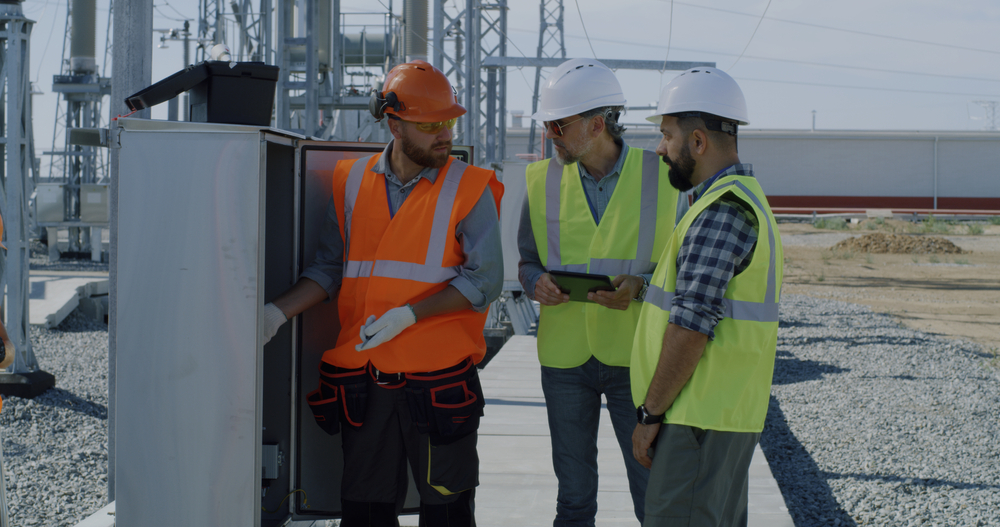
These technicians work on the electrical systems that keep power moving through substations, generating stations, and industrial sites. They test relays, repair breakers, inspect control panels, troubleshoot outages, and deal with equipment that can be dangerous when handled badly. Median pay is about $100,940 per year.
You do not need a college degree, but you do need serious technical training. Many people come through electrical apprenticeships, utility work, military electrical experience, or industrial maintenance jobs. Employers care about safety, testing skills, and whether you can follow procedures under pressure.
The grid is getting more complicated, not simpler. Older equipment needs upkeep, and newer systems still need people who understand power, controls, and field conditions. This is one of those quiet jobs most people never think about until the lights go out.
7. Transportation, storage, and distribution manager

This job can mean running a warehouse, shipping yard, freight operation, port facility, or regional distribution center. You manage people, trucks, schedules, safety rules, inventory flow, delays, and customer problems. Median pay is about $102,010 per year.
The no-college path usually starts on the floor. People move up from dispatcher, warehouse lead, driver supervisor, shipping clerk, dock lead, or military logistics roles. You need to understand how freight really moves, not just how it looks on a screen.
This is not a cushy job. When storms hit, workers call out, trucks are late, or inventory is wrong, you are the one solving it. Companies still need experienced humans who can keep goods moving, manage crews, and make judgment calls when the plan falls apart.
9. Ship engineer

Ship engineers keep a vessel’s engine room running. They inspect engines, generators, pumps, fuel systems, electrical systems, and safety gear. On larger vessels, they help manage crews and keep logs so the ship can operate safely. Median pay is about $101,320 per year.
You do not need a traditional college degree, but you do need maritime credentials, sea time, medical clearance, and technical training. Many people start as oilers, deckhands, military mariners, or engine department workers and move up as they gain documented experience.
The lifestyle can be hard. You may be away from home, work odd schedules, and deal with mechanical problems far from a repair shop. But ships still move cargo, fuel, equipment, and passengers, and someone has to keep the machinery running when the vessel is underway.
10. Electrical power-line installer and repairer

Lineworkers build, maintain, and repair the power lines that feed homes, businesses, hospitals, and factories. They climb poles, work from bucket trucks, handle storm damage, and deal with high-voltage equipment. Median pay is about $92,560 per year.
The path usually starts with a lineworker program, utility trainee role, or apprenticeship. You need physical strength, comfort with heights, a clean safety mindset, and the ability to work outdoors in rough weather. Overtime and storm work can raise pay, but they also take a toll.
This is one of the clearest no-college paths to strong money. The work supports the grid, new construction, repairs, and upgrades. A computer can help locate faults, but people still have to get out there and fix the line.
11. Fire captain or firefighting supervisor

Fire captains and other front-line fire supervisors manage crews during fires, medical calls, rescues, hazardous material incidents, and fire prevention work. They assign tasks, watch conditions, make safety calls, and train firefighters between emergencies. Median pay is about $92,430 per year.
You normally start as a firefighter, complete academy training, earn emergency medical credentials, and build years of field experience. Promotions often require exams, interviews, leadership reviews, and extra technical training. A degree can help in some departments, but it is not the core path everywhere.
The job is dangerous, physical, and emotionally heavy. It also depends on trust. Crews need leaders who know the work, read a scene, and keep people alive when the situation changes fast. That is not something you learn from a textbook alone.
12. Detective or criminal investigator

Detectives and criminal investigators gather evidence, interview witnesses, review records, work with prosecutors, and build cases. Some handle violent crime, fraud, narcotics, missing persons, or digital evidence. Median pay is about $93,580 per year.
The no-college path is usually through law enforcement. You become an officer, complete academy training, work patrol, and earn a move into investigations. Some federal jobs require degrees, but many local and regional paths still rely on experience, testing, and performance.
This is slow, detailed work mixed with unpredictable human behavior. Interviews, field work, court testimony, and case judgment all matter. Tools can help sort data, but they cannot replace the human side of getting people to talk, spotting weak stories, or knowing when a case is ready.
13. Casino gaming manager

Gaming managers oversee casino tables, slot areas, staff, guest issues, payouts, security concerns, and compliance rules. They watch for disputes, cheating, intoxicated customers, and mistakes that can cost the business money. Median pay for gambling managers is about $85,580 per year.
Many people enter casinos as dealers, slot attendants, floor supervisors, or security staff, then move up. You usually need licensing, background checks, sharp customer service skills, and a strong understanding of game rules. College is not the normal gatekeeper here.
Growth is not explosive, but the work is stable in places with established gaming markets. Casinos still need people who can manage money, guests, staff, and regulations in real time. It is hospitality, math, security, and people management all rolled into one loud shift.
14. Transportation inspector

Transportation inspectors check aircraft, rail equipment, buses, trucks, ships, cargo systems, or other transportation operations for safety and compliance. They review records, inspect equipment, investigate issues, and make sure rules are being followed before small problems become big ones. Median pay is about $85,750 per year.
The path often starts with hands-on transportation experience. Former mechanics, drivers, aviation workers, rail workers, maritime workers, or military transportation specialists may move into inspection after they understand the equipment and rules. Certifications or agency training may be required depending on the specialty.
This is a good fit if you are detail-oriented and not afraid to say no when something is unsafe. The economy still depends on moving people and goods, and that movement needs oversight. It is hard to automate the judgment that comes from seeing worn equipment in person.
15. Tugboat captain or vessel pilot

Captains, mates, and pilots of water vessels command tugboats, ferries, workboats, and other vessels. They handle navigation, crew safety, docking, cargo movement, weather calls, and communication with ports or traffic systems. Median pay is about $85,540 per year.
You do not need a college degree, but you do need Coast Guard credentials, documented sea time, medical clearance, exams, and clean safety records. Many people start as deckhands and work their way up while learning lines, navigation, vessel systems, and local waterways.
The work can mean long shifts, bad weather, and time away from home. It can also be a strong career for people who like practical responsibility over office life. Boats still need trained people who can read water, traffic, weather, and crew limits in real time.
16. Signal and track switch repairer

Signal and track switch repairers keep railroad signals, crossings, switches, and control systems working. They troubleshoot electrical and mechanical problems, inspect trackside equipment, repair gates, test circuits, and respond when a signal failure can slow or stop trains. Median pay is about $83,600 per year.
This is a no-degree job that usually requires a high school diploma, clean safety habits, and on-the-job training. Electrical knowledge helps, and railroad employers often train workers on their specific systems. The work can involve nights, weekends, travel, and outdoor conditions.
Rail may not be flashy, but it is still a major part of freight and passenger movement. Signals are safety-critical, and a broken crossing or switch needs a person who can diagnose the problem on-site. That makes this a solid alternative trade for people who like electrical work but do not want a standard electrician path.
17. Aircraft mechanic or avionics technician

Aircraft mechanics and avionics technicians inspect, repair, and maintain planes, helicopters, navigation systems, radios, wiring, sensors, and flight instruments. The work is exact because a small mistake can become a major safety problem. Median pay is about $78,680 for aircraft mechanics and $81,390 for avionics technicians.
You can qualify through approved technical training or enough documented work experience to test for credentials. Military aviation experience can also transfer well. You need patience, clean records, tool skill, and the ability to follow procedures without cutting corners.
Air travel, cargo, private aviation, and medical flights all depend on maintenance crews. Diagnostic software can point to a problem, but someone still has to inspect the aircraft, test the fix, sign off the work, and stand behind it.
18. Commercial diver

Commercial divers work underwater on bridges, docks, ships, pipelines, dams, salvage jobs, inspections, and repairs. They may weld, cut, photograph damage, recover equipment, or support construction crews below the surface. Median pay is lower than some jobs here, but high-end pay can reach $152,580 per year.
You do not need college, but you do need commercial dive training, medical clearance, comfort in dangerous conditions, and strong teamwork. The best money often comes after experience, travel, offshore work, inspection skills, welding ability, or saturation diving credentials.
This is not romantic scuba work. It is industrial labor underwater, often in poor visibility and tight conditions. Still, ports, bridges, energy projects, and marine construction need people who can do work where most workers cannot even go.
19. Rope access technician

Rope access technicians inspect and repair hard-to-reach places using harnesses, ropes, anchors, and safety systems. They work on bridges, towers, wind turbines, stadiums, industrial plants, and high-rise buildings. A Level II rope access technician averages about $85,151 per year.
This is a good no-college path for people who are calm at heights and serious about safety. You usually need rope access certification, rescue training, and a second skill such as inspection, welding support, blade repair, painting, mechanical work, or nondestructive testing.
The job exists because scaffolding is not always practical and some repairs cannot wait. Wind energy, bridge maintenance, telecom, and industrial inspection all create demand for people who can reach difficult spots safely. It is not easy work, but it is a real alternative to the usual trade-school list.
20. Theatrical and performance makeup artist

Theatrical and performance makeup artists create looks for film, television, theater, live shows, haunted attractions, commercials, and special events. They may age a character, create injuries, build prosthetics, apply wigs, or keep makeup intact under lights and sweat. Top earners make more than $157,090 per year.
You do not need a college degree, but you do need a strong portfolio, technical practice, sanitation knowledge, set etiquette, and the ability to work fast around actors and crews. Many people learn through cosmetology, short makeup programs, apprenticeships, theater work, indie film sets, or assisting established artists.
The early years can be uneven, and this is not the safest paycheck on the list. But it belongs here because the ceiling is real for skilled artists in performance-heavy markets. A filter can change a face on a screen, but live productions and close-up camera work still need human hands.
21. Professional body piercer

Professional body piercers do more than put jewelry through skin. They consult with clients, check anatomy, mark placement, sterilize tools, explain aftercare, handle nervous customers, and follow health rules closely. The work takes steady hands and good judgment because a rushed or careless piercing can cause pain, infection, scarring, or a bad result. Established professional body piercers average about $103,520 per year, though beginners often make much less.
You do not need college, but you do need training. Most piercers learn through an apprenticeship, bloodborne pathogen training, sanitation practice, jewelry education, and local licensing or permit rules. Building a book of repeat clients takes time, and the best money usually goes to people in busy studios with a strong reputation.











