
The old tools in the back of the garage are usually the first things priced wrong at an estate sale. Someone dumps a rusted hand plane and a couple of saws into a box for five dollars, and the collectors who know what they’re looking at clear the whole thing out by nine in the morning. You don’t have to be the person who lets that happen.
Vintage American hand tools have a real collector market, and it has grown steadily for years. The names that matter most are Stanley, Disston, Millers Falls, and a handful of English makers, but the difference between a two-dollar thrift store find and a three-hundred-dollar score comes down to knowing which specific model or version you’re looking at. A No. 4 smooth plane made by Stanley in 1953 is worth very little. The same plane made between 1910 and 1925 is a different story.
What drives value in this market is specificity. The model number, the production era, whether the piece is complete with all its original parts, and most importantly whether it has been damaged, repainted, buffed, or “restored” in ways that collectors hate. A dirty original example in working condition beats a wire-wheeled, re-japanned mess every time.
The tools below run from things that turn up in attics and tool boxes all the time to a couple of genuine grails. Most are accessible, findable items that average people are genuinely likely to own or encounter. The few high-end examples are flagged clearly so you know you’re looking at a needle-in-a-haystack scenario.
Table of contents
- Disston No. 7 handsaw with an applewood or fruitwood handle
- Disston No. 12 “London Spring” crosscut handsaw
- Disston No. 43 combination handsaw
- Stanley No. 71 open-throat router plane, complete
- Millers Falls No. 2 eggbeater hand drill
- North Brothers “Yankee” No. 1530 two-speed hand drill
- Ohio Tool Co. or Auburn Tool Co. wooden moulding planes
- Stanley No. 4 Bailey smooth plane, Types 11-13 (c.1910-1925)
- Stanley No. 45 combination plane with full cutter set
- Stanley Bedrock No. 605 jack plane
- Stanley No. 2C corrugated smooth plane (aspirational find)
- Stanley No. 1 smooth plane (grail)
Disston No. 7 handsaw with an applewood or fruitwood handle
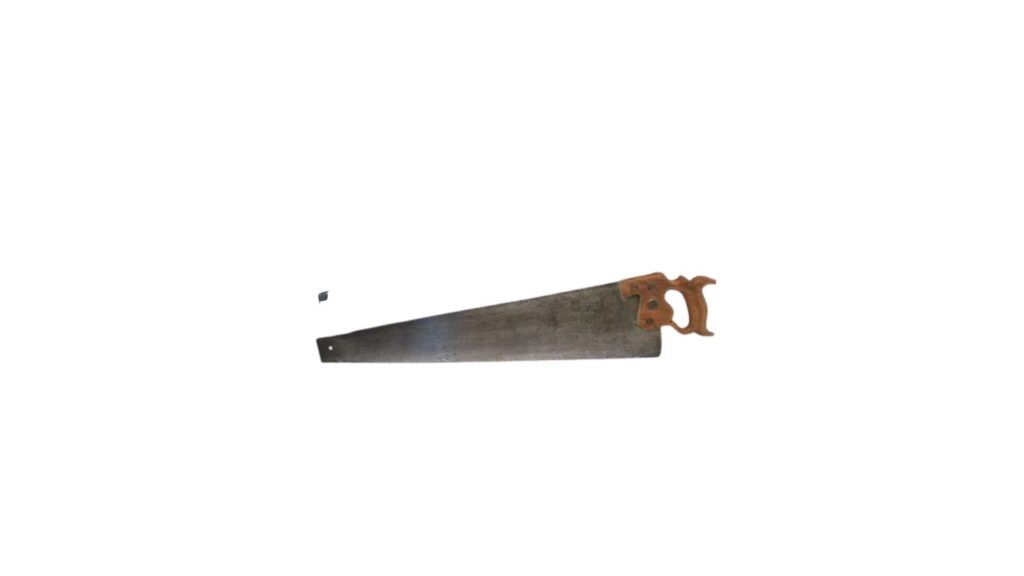
Henry Disston built his company into the largest saw manufacturer in the world out of Philadelphia, and for generations his saws were what carpenters actually used. The No. 7 is one of the most commonly found Disston models and also one of the more consistently valued, especially when the etch is clear, the blade runs straight, and the handle is in good shape. Clean examples with strong etching and applewood or fruitwood handles typically bring $50 to $125 depending on size and point count.
What separates a valuable Disston from a worthless one is condition across three things: the blade, the etch, and the handle. The blade must be straight without kinks or bad waves. The etch, which is the decorative acid-stamped design on the blade with the maker’s name and city, needs to be legible. A ghost etch that you can barely read drops value significantly. The handle should have all its hardware, no replaced screws, and ideally be the original fruitwood without cracks through the horns. A chipped top horn is common and acceptable. A crack that runs through the grip area is not. The Disstonian Institute has a thorough reference for dating and identifying Disston saws by their medallion and etch design.
Disston No. 12 “London Spring” crosscut handsaw
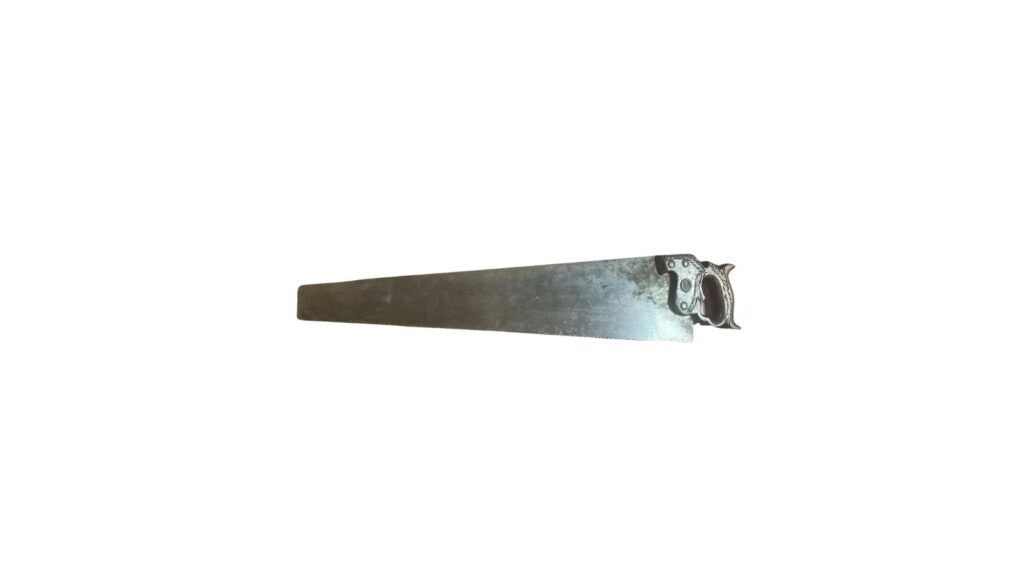
The No. 12 was Disston’s premium production crosscut model, made from tempered London spring steel and given a finer finish than the standard line. It is noticeably more flexible than a common crosscut, which is the point, and woodworkers sought it out for fine finish work. Nice surviving examples in 26 to 28 inches with a clear etch and an intact applewood handle typically bring $95 to $150, occasionally more in exceptional condition.
You can identify it by the “London Spring Steel” designation etched on the blade near the heel and, on older examples, a “Henry Disston & Sons” or “H. Disston & Sons” etch with the Philadelphia address. Later production marked “Disston & Morss” or simply “Disston” can look similar but commands less. The handle hardware should be original; replaced screws or a refinished handle pushes it toward user territory and away from collector interest. As with all Disstons, a kinked blade is essentially irreparable and turns an otherwise nice saw into a wall decoration.
Disston No. 43 combination handsaw
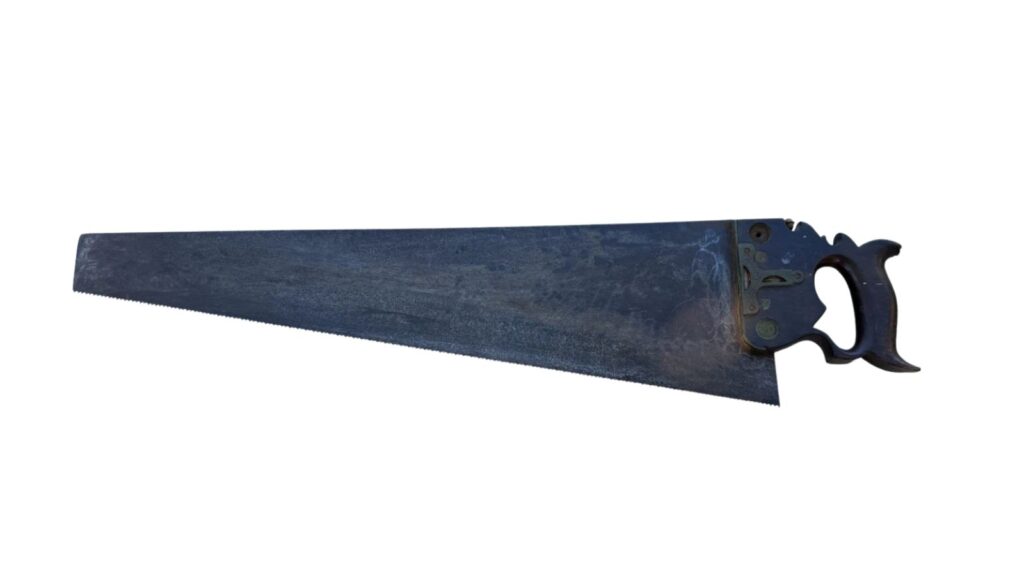
This is the unusual one. The No. 43, also known as the Disston combination saw, incorporated a square, a rule, a level, and a scribe into a working handsaw. Disston marketed it as the tool you could show up to a job with when you’d forgotten everything else. Whether that was true or not, it is an extremely uncommon saw, and collectors find the novelty as appealing as the rarity. Good examples with intact vials, legible blade markings, and a solid handle regularly bring $350 to $550.
Completeness is everything here. Both level vials should be unbroken and functional. The rule markings should be legible. The handle needs all its original hardware. Any damage to the hardware or missing features drops it hard, because the whole point of this saw is that it does everything. A stripped-down No. 43 is not especially collectible, just unusual. If the vials are cracked or dry, expect the value to reflect that immediately.
Stanley No. 71 open-throat router plane, complete
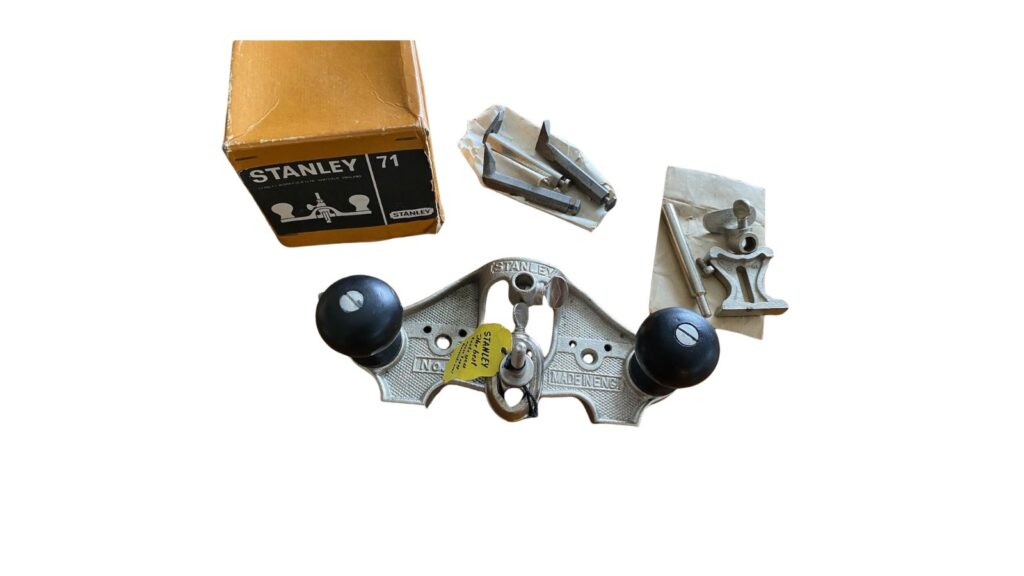
The No. 71 is a hand router plane, not the electric kind. It cleans and levels the bottoms of dadoes, grooves, and mortises to a precise, consistent depth, and it does this job better than almost anything made today. The fact that modern makers like Lie-Nielsen and Veritas charge $200 or more for new versions of essentially the same design tells you something about the demand. A complete vintage No. 71 with all three original cutters (1/4-inch, 1/2-inch, and V-shaped), the depth-stop assembly, and ideally the original wooden handles brings $80 to $150 in good original condition.
“Complete” is the word that matters. Missing cutters drop value significantly because they are hard to find separately. The depth stop is commonly lost as well. Check whether the fence (closed throat option) is present if the piece is the 71-1/2 variant. The plane was made from 1884 to 1973, and condition varies enormously based on how hard it was used. Light pitting on the sole is acceptable. Rust-pitted threads or a stripped cutter clamp thumbscrew are serious problems. The type and date can be identified by the logo stamped on the flat bar.
Millers Falls No. 2 eggbeater hand drill
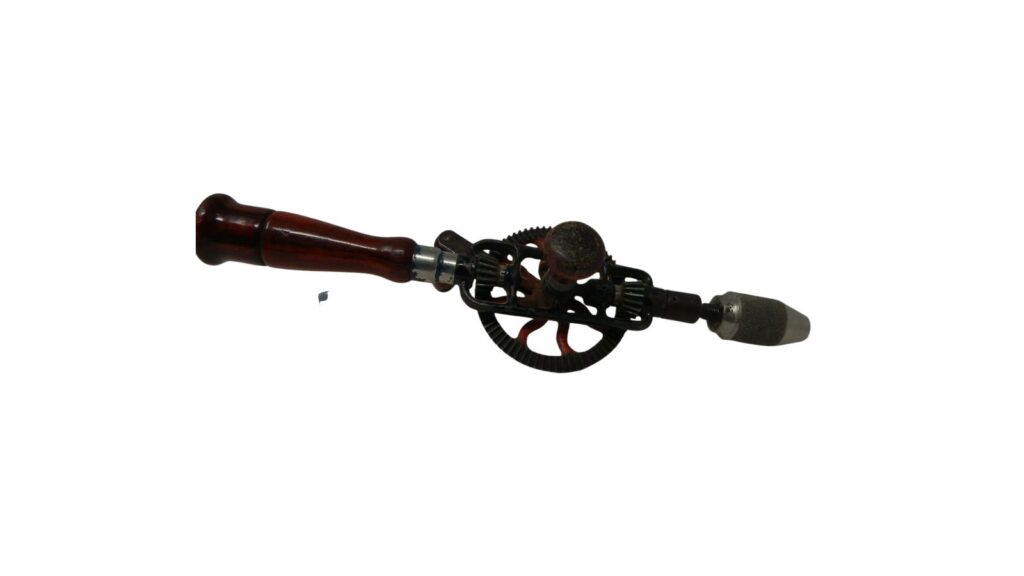
The Millers Falls Company of Massachusetts made hand drills for over a century, and the No. 2 is the model most commonly found at flea markets, in old toolboxes, and at estate sales where someone cleaned out a basement workshop. They are small, well-made, beautifully engineered, and they actually work better than most cheap modern drill-press equivalents for fine work in wood. A No. 2 in clean original condition with a working chuck, a smooth ratchet, and its original rosewood handles typically brings $60 to $100 in good-plus to fine condition.
The things to check: the chuck should open and close cleanly without binding, the ratchet (if present) should engage properly, and the handle finish should be intact. A drill that has been cleaned with a wire wheel or buffed looks polished but is no longer collectible, only functional. The gear wheel should be free of broken or bent teeth. Millers Falls drills in original boxes bring more, so if you find one with the original pasteboard box, keep it with the tool. The Millers Falls price guide at Old Tool Heaven is the most thorough reference available for this maker.
North Brothers “Yankee” No. 1530 two-speed hand drill
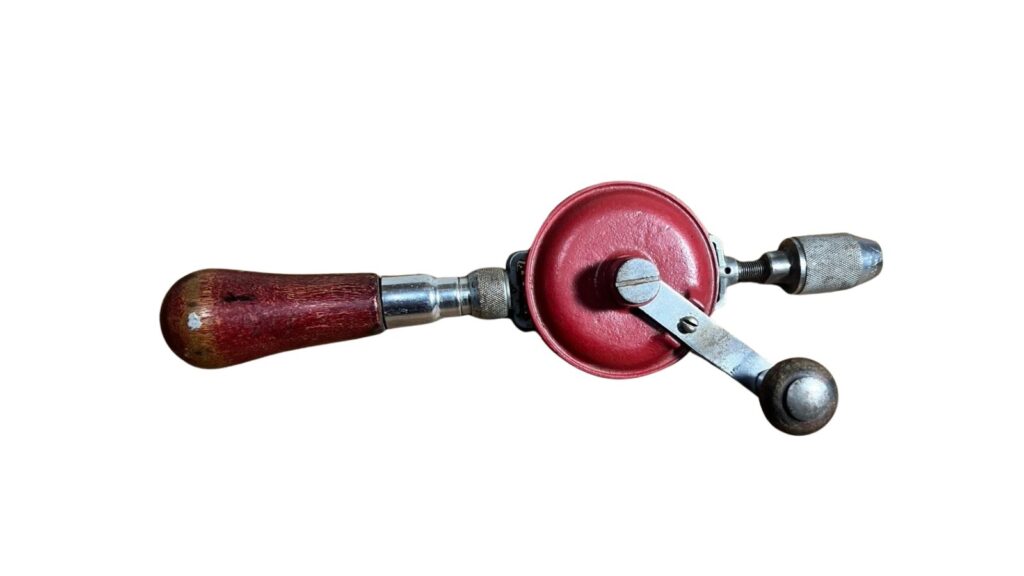
The North Brothers company (later absorbed into Stanley) made a line of Yankee-brand tools that collectors actively seek out. The No. 1530 is the most collectible of the hand drills because it incorporated a two-speed transmission, allowing the user to switch between high and low gear for different materials. In practice it is a genuinely useful feature, and the engineering is elegant. Clean working examples bring $45 to $75 in good condition.
The ratchet should work in both directions, and the two-speed mechanism should shift cleanly. The handle should be tight with no cracks. These drills were popular workhorses and saw a lot of use, so expect some wear, but excessive slop in the mechanism significantly reduces desirability. Collectors prefer examples that have not been cleaned with a wire wheel or polished with a buffing compound, both of which remove the original surface and make the drill look new while actually lowering its collector value. Original condition with patina is better than polished and shiny.
Ohio Tool Co. or Auburn Tool Co. wooden moulding planes
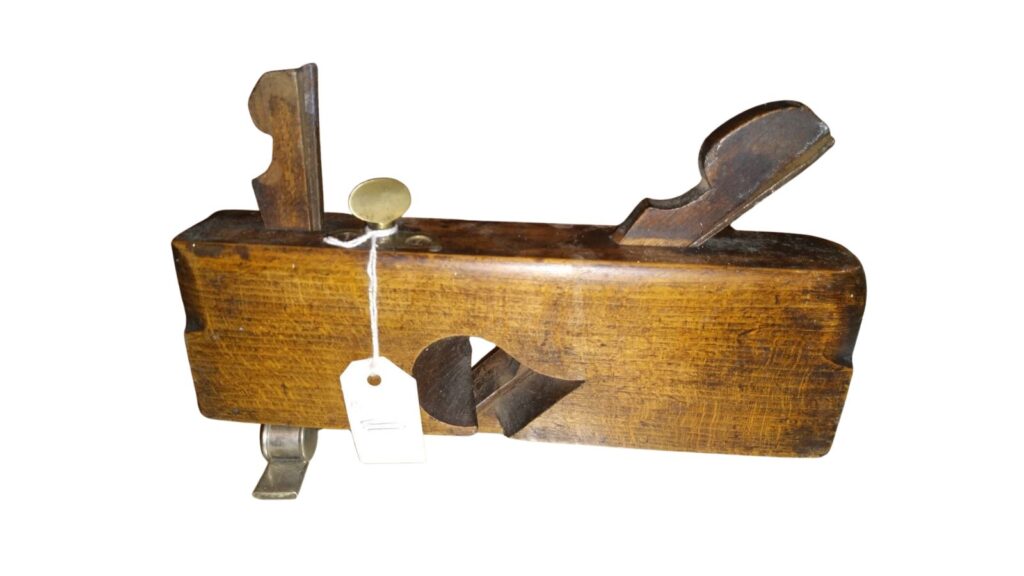
Pre-1880 American wooden moulding planes made by firms like the Ohio Tool Company of Columbus and the Auburn Tool Company of Auburn, New York are some of the most affordable interesting collectibles in the vintage tool market. Individual planes in profiles like quarter-round, ovolo, or cove typically bring $25 to $50 in good working condition. Matched pairs, where a hollow and round of the same size are together, bring more, and a complete matched set of hollows and rounds in 18 or 22 graduated sizes can reach $200 to $375 for a clean run.
These were working tools, so expect wear, but the key factors are: the wedge should be present and tight, the iron (blade) should be original and not ground away to a stub, the body should be free of cracks especially through the throat, and the maker’s stamp on the toe should be legible. Double-boxed planes (where strips of boxwood are let into the sole to protect the profile) are more desirable than unboxed. Complex profiles like ogees and coves command more than simple rounds or simple beads. The town of Auburn’s prison labor history is part of the background of this trade, and some of the finest examples in the market came from those shops.
Stanley No. 4 Bailey smooth plane, Types 11-13 (c.1910-1925)
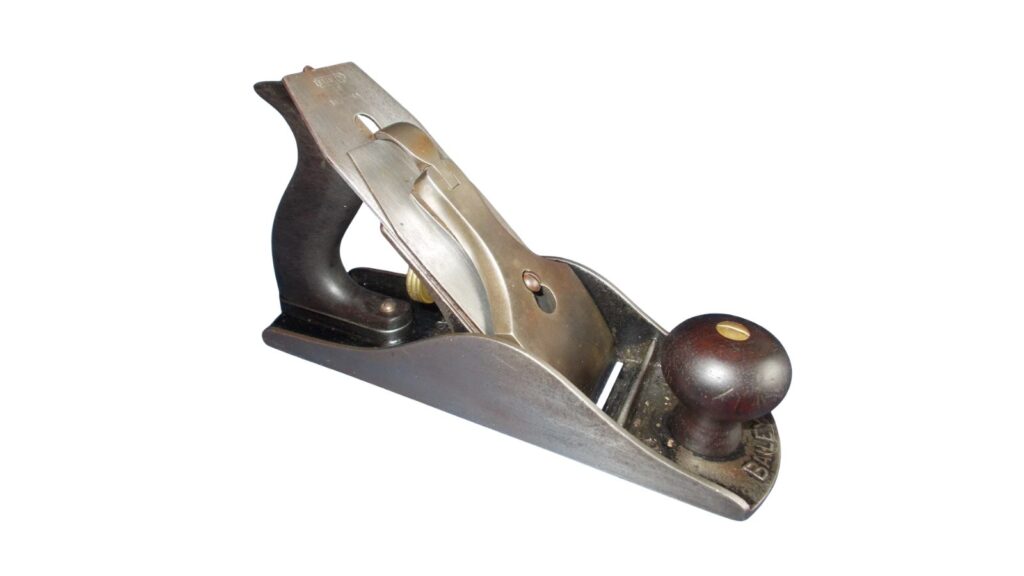
The No. 4 smooth plane is the most produced and most commonly found vintage Stanley plane there is. The good news is that a specific version of it commands real money. Stanley produced its bench planes in a series of manufacturing types, and planes from roughly Type 11 through Type 13, made between about 1910 and 1925, are marked by a distinctive combination of features: large brass depth adjuster, patent date behind the frog, and on the best examples a cutter with the original “V” or “Y” logo that predates the heart-shaped Sweetheart mark. These fetch $75 to $175 in good to fine original condition.
What separates a collectible Type 11-13 from the masses of later, common planes: the original japanning (the black finish) should be at least 85 to 90 percent intact, the rosewood tote and front knob should be crack-free, and the cutter logo should be legible. A plane with a replaced cutter from a different era is still usable but less desirable. The Stanley type study at Wood and Shop is the clearest photographic tool available for figuring out what you have. A plane that has been wire-wheeled, re-japanned, or had its sole lapped aggressively has lost most of its collector value, however clean it looks. Use the type study, check the japanning, and look at the cutter logo before you decide what you have.
Stanley No. 45 combination plane with full cutter set
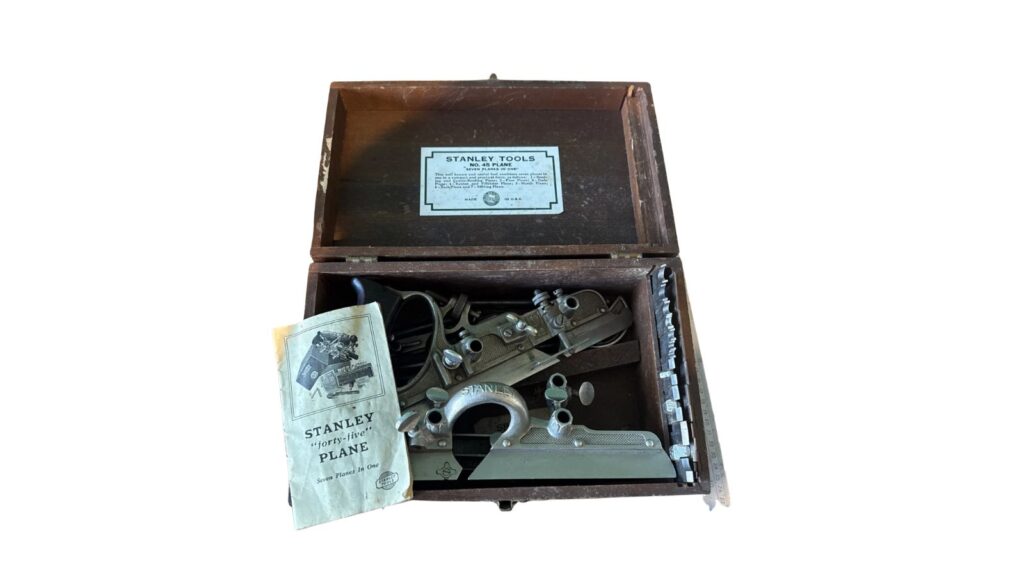
Stanley made the No. 45 from 1884 to 1962, billing it as a planing mill in a single tool. With its interchangeable cutters, adjustable fence, depth stops, and multiple skates, a properly set-up No. 45 can cut grooves, rabbets, dadoes, beads, and tongue-and-groove joints, replacing a whole cabinet of specialty wooden planes. Finding one at an estate sale is entirely realistic. Finding one complete is less so, because the parts tend to scatter over decades. A No. 45 with all its original cutters (usually 18 to 23 depending on era), both depth stops, all rods, cam rest, and slitter typically brings $175 to $425 in good to fine condition, with earlier types and Sweetheart-era examples at the higher end.
Completeness is the whole game here. Check the parts list before you buy or sell, because a plane missing several cutters or the fence rods is frustrating and noticeably less valuable. The fence rods are particularly likely to be absent. The cutter box (a wooden carrier for the cutters) is often gone. Earlier types with the floral “B” casting and a complete set of cutters in their original wooden box are worth significantly more than a later type with half its cutters loose in a bag. The plane was made in such numbers that it is not rare, but a genuinely complete example in fine condition is harder to find than you’d expect.
Stanley Bedrock No. 605 jack plane
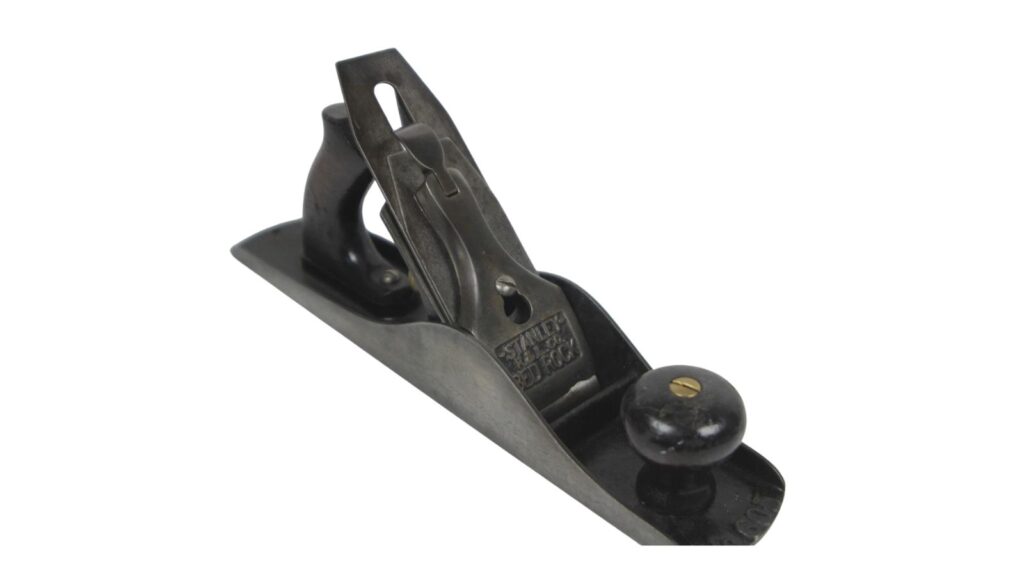
The Bedrock line was Stanley’s top-of-the-line bench plane series, produced from about 1898 to the start of World War II. The difference between a Bedrock and a standard Bailey plane is the frog design: on a Bedrock, the frog mates with the body through a precision-machined track, eliminating any gap between the two and making blade adjustments more stable and accurate. Modern plane makers like Lie-Nielsen use the same basic design. The No. 605 is the jack plane size, and a clean, crack-free example in good to fine condition brings $150 to $475 depending on type and condition.
The japanning on Bedrock planes needs to be substantially intact for full collector value. The tote should be crack-free. The lever cap should have its “Bedrock” marking, and the cutter logo should be from the proper era for the plane. Any Bedrock that has been re-japanned loses much of its value even if the work was done well. Later Bedrock “Type 8” or “Type 9” planes from just before WWII are substantially less valuable than earlier Type 3 through 6 examples. The type study for Bedrocks follows the same logic as the Bailey planes, and the castings changed meaningfully over the production run.
Stanley No. 2C corrugated smooth plane (aspirational find)
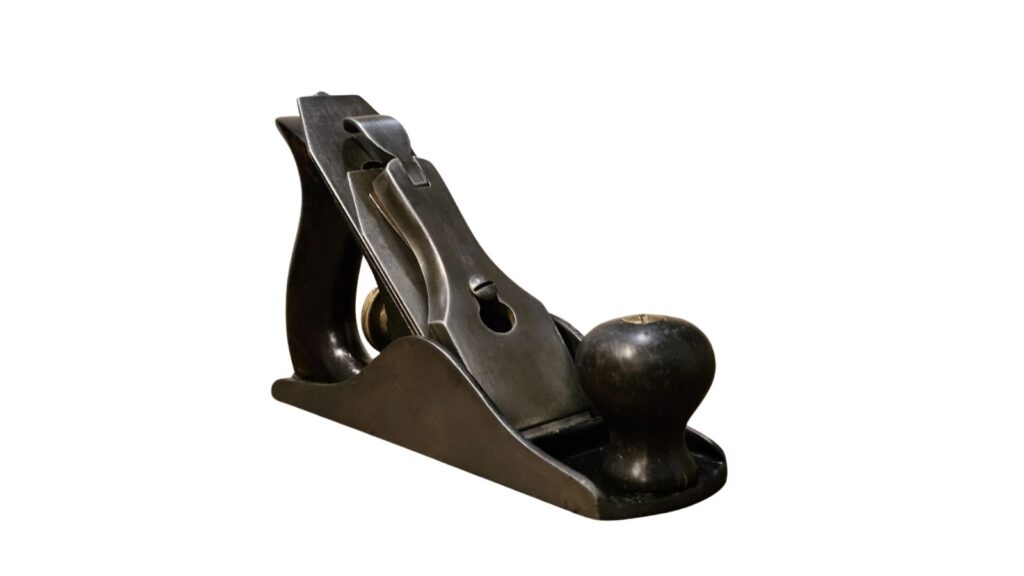
The standard No. 2 smooth plane is already hard to find in decent condition, and the No. 2C, a corrugated-sole version with parallel grooves running the length of the sole, is considered by some collectors to be rarer and harder to find than the legendary No. 1. Stanley offered the corrugated option on many planes to reduce friction in use, and on the No. 2 size that option was made in small numbers. Clean examples bring $395 to $650 in good-plus condition, with Sweetheart-era versions at the upper end.
The corrugations themselves are a point of caution: fakes exist. Unscrupulous sellers have had grooves machined into smooth-bottom No. 2 planes to pass them off as corrugated examples. The way to check is by examining the corrugations carefully under good light. Original Stanley corrugations run lengthwise, are perfectly parallel, stop before the toe and heel of the sole, and terminate in a pointed fashion. Shop-made fake grooves look cruder and often run all the way to the edges. This is a plane where a reference like Patrick Leach’s Stanley guide is worth reading before you hand over significant money.
Stanley No. 1 smooth plane (grail)
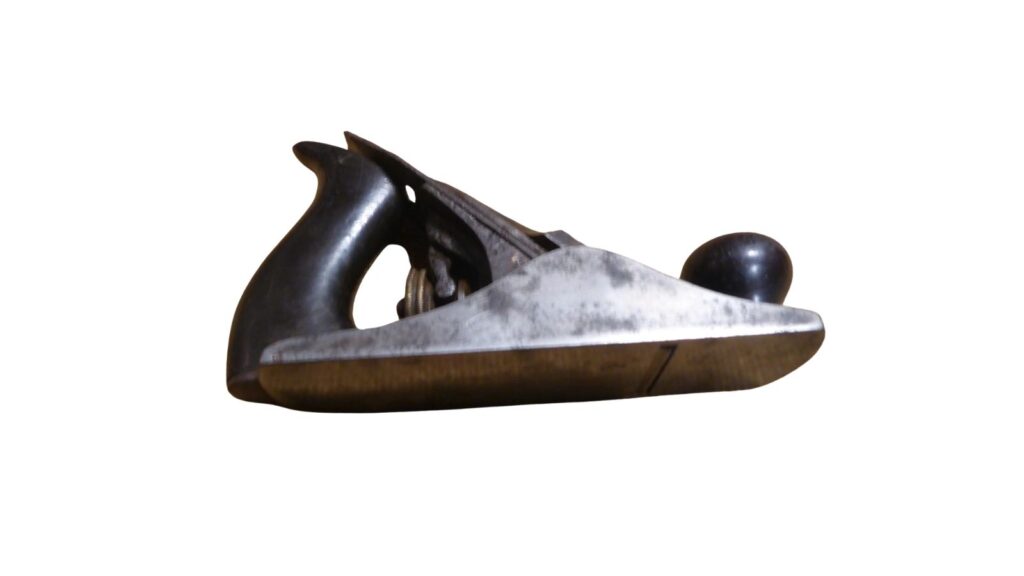
The No. 1 is the holy grail of Stanley plane collecting. At just 5-1/2 inches long with a 1-1/8-inch iron, it is barely large enough to hold in an adult hand, and Stanley never made it in large numbers because there was limited practical use for it. The collecting community’s love for it is equal parts scarcity, history, and the irresistible absurdity of a perfectly proportioned little bench plane that costs more than a good used car payment. In good-plus to fine original condition, the No. 1 brings $800 to $1,800, with exceptional Type 1 and early type examples pushing significantly beyond that.
The plane has been reproduced, and the reproduction is detectable: the most reliable tell is the threaded rod on which the depth-adjustment nut rides. On a genuine No. 1, this rod runs perfectly parallel to the sole. On known reproductions, it is angled slightly upward toward the tote. Beyond that, the usual condition factors apply: original japanning at 90 percent or better, rosewood tote and knob intact and crack-free, full-length original cutter with legible logo. A genuinely fine original No. 1 is a once-in-a-lifetime find. A common No. 1 in rough shape still brings several hundred dollars, which should tell you something about the market.











