
Loving animals is one thing. Paying rent, insurance, groceries, and a car note is another.
A lot of animal jobs are meaningful but low paid, which is rough when you need work that actually supports your life. The better-paying options tend to be more specialized, more physical, more technical, or harder to get into.
These jobs are for people who want animals to be part of their workday, but still need solid pay and a future that does not feel shaky.
1. Emergency veterinarian

Emergency veterinarians handle the cases that cannot wait until morning. That can mean hit-by-car injuries, seizures, blocked cats, dog fights, heatstroke, poisonings, and pets that suddenly cannot breathe. It is fast, emotional work, and you have to be able to talk calmly with scared owners while making quick medical calls.
Veterinarian pay is around $125,510 per year, and emergency work can pay more because nights, weekends, holidays, and urgent cases are part of the job. You need a veterinary degree, a license, and often extra internship or emergency experience to be competitive.
This is not a quiet animal-lover job. It is hands-on, high-pressure medical work. But demand is strong because pet owners still need 24-hour care, and emergency hospitals need people who can examine, diagnose, treat, and comfort in real time.
2. Veterinary anesthesiologist
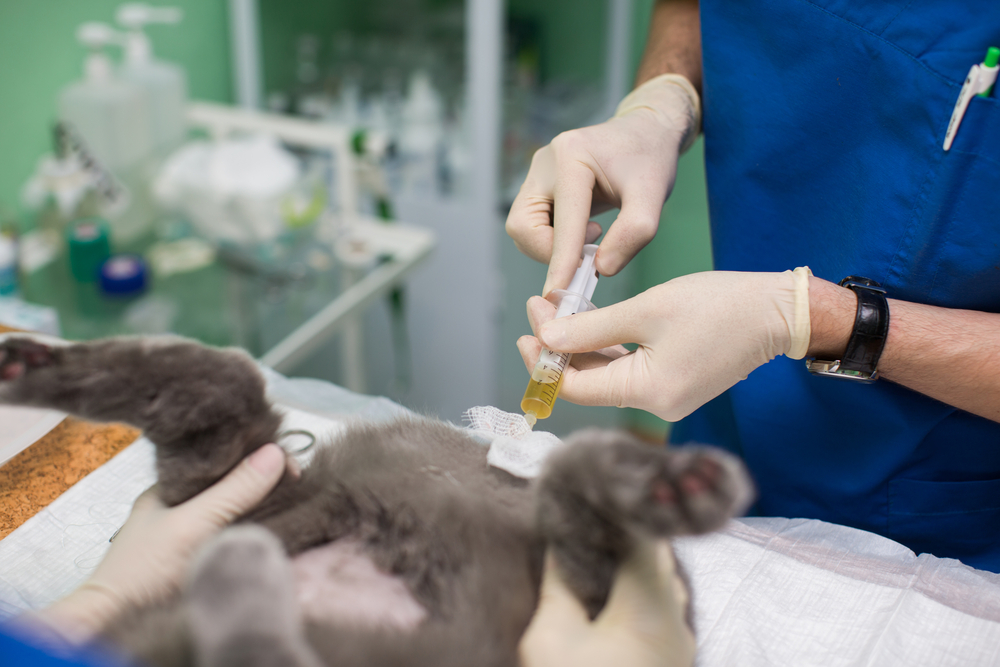
Veterinary anesthesiologists keep animals safe during surgery, imaging, dental procedures, and painful treatments. They plan drugs, monitor breathing and heart function, manage pain, and adjust care when an animal is old, tiny, sick, scared, or badly injured. Dogs and cats are common, but some work with horses, zoo animals, lab animals, or wildlife.
Average pay is about $56 per hour. This is a long training path because you need to become a veterinarian first, then complete advanced specialty training and board certification.
The upside is that this skill is hard to replace. Specialty hospitals, teaching hospitals, research centers, and large surgical practices need trained people watching living patients minute by minute. Machines help with monitoring, but they do not replace the judgment of someone who knows when an animal is slipping into danger.
3. Veterinary clinical pathologist

Veterinary clinical pathologists help figure out what is happening inside an animal’s body by studying blood, urine, cells, fluids, and lab results. Instead of spending every day in an exam room, you may spend more time with microscopes, test data, and calls from other veterinarians who need help solving hard cases.
Average pay is about $58 per hour. The path usually starts with veterinary school, then a residency in clinical pathology. It is a good fit if you like animals, science, and problem-solving, but do not want a whole day of barking waiting rooms.
Diagnostic labs, specialty hospitals, universities, drug companies, and research centers all need this work. Pets are living longer, animal medicine is getting more advanced, and vets rely on lab interpretation to make safe treatment choices.
4. Laboratory animal veterinarian
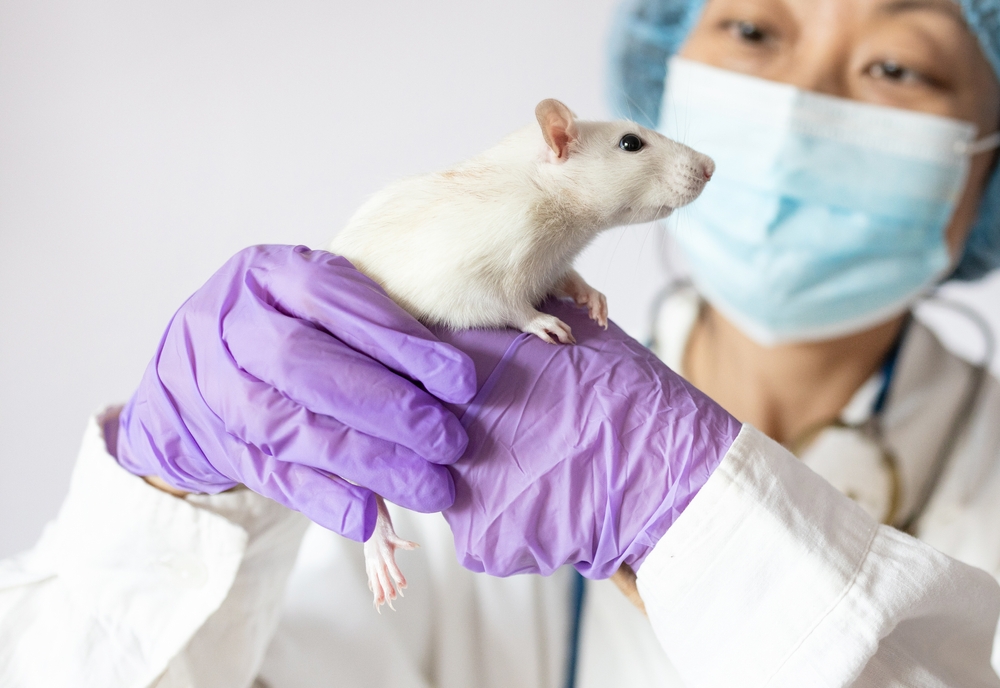
Laboratory animal veterinarians care for animals used in regulated research settings. They help make sure animals are housed properly, treated humanely, monitored for pain, and protected from disease. The work may involve mice, rats, rabbits, pigs, dogs, primates, fish, or other species, depending on the facility.
Average pay is about $67 per hour. You need a veterinary degree and license, and many employers prefer residency training or board certification in laboratory animal medicine.
This job can be emotionally complicated, so it is not for everyone. But for the right person, it is a way to protect animal welfare from inside the system. Universities, biotech companies, pharmaceutical labs, and medical research centers need veterinarians because the work is tightly regulated and cannot run without trained oversight.
5. Veterinary toxicologist
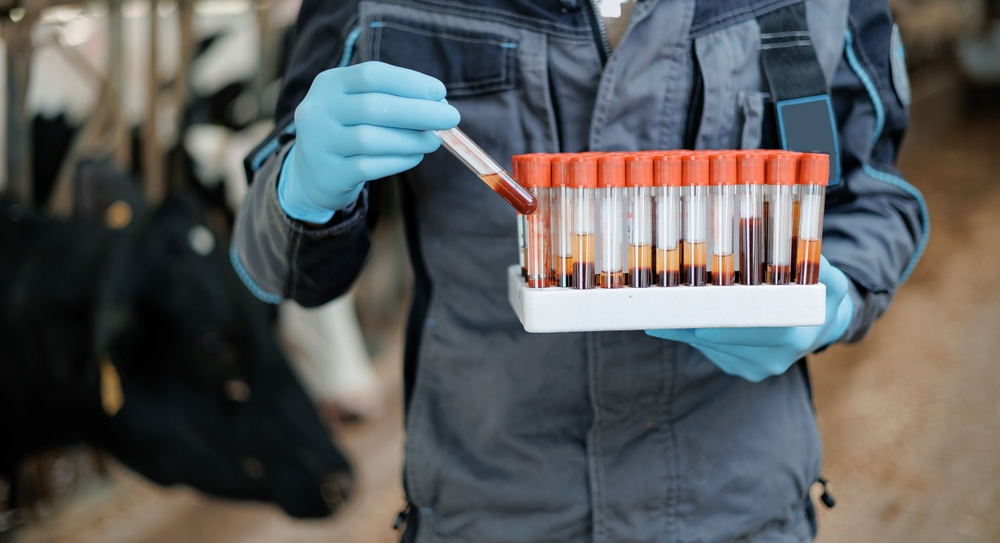
Veterinary toxicologists study how poisons, drugs, plants, chemicals, mold, contaminated feed, and household products affect animals. They may help with pet poison calls, livestock feed problems, wildlife exposures, drug safety, or legal cases where an animal may have been poisoned.
Average pay for toxicologists is about $43 per hour, and veterinary toxicology can pay more in specialty, consulting, or pharmaceutical roles. Some people come through veterinary medicine, while others build the career through toxicology, chemistry, pharmacology, or animal science.
This is a strong choice if you like animals but also like detective work. A dog may have eaten three unknown pills. A horse may be reacting to contaminated hay. A flock may be getting sick from something in the environment. You need science, judgment, and the patience to work with messy real-life details.
6. Zoo veterinarian
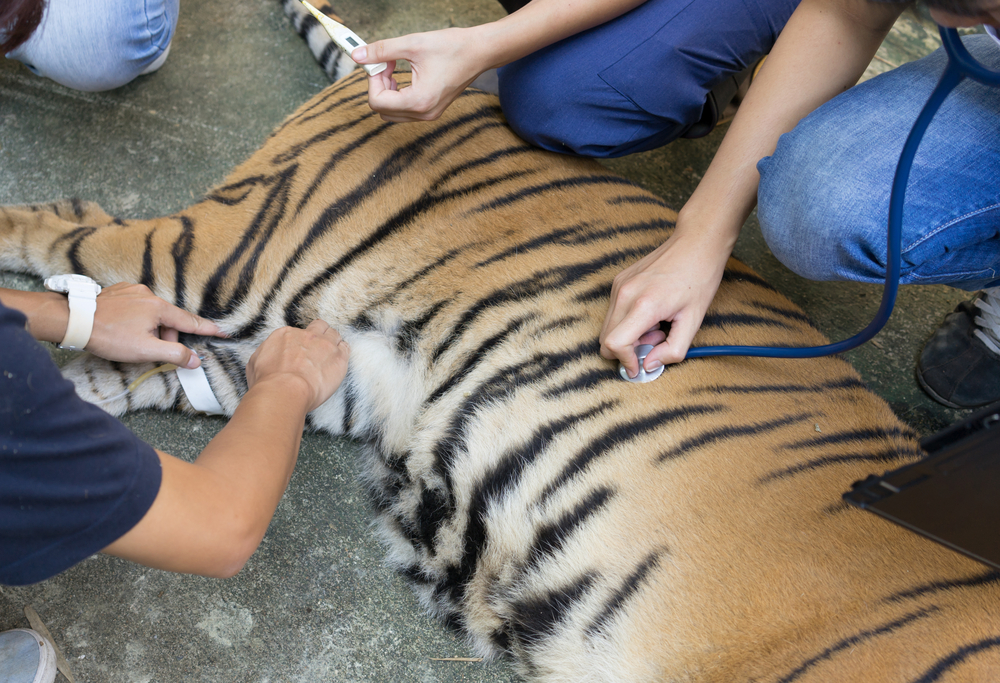
Zoo veterinarians care for animals most vets never touch, including big cats, reptiles, birds, hoofstock, primates, marine mammals, and endangered species. A normal week can include exams, quarantine checks, anesthesia, dental work, injuries, nutrition problems, herd health, and emergency care.
Average pay is about $56 per hour. You need a veterinary degree, a license, and usually internships, residency training, or years of exotic animal experience. It is competitive, so early zoo, wildlife, aquarium, or shelter experience helps.
The job market is smaller than small-animal medicine, but the work is not easy to replace. Zoos, aquariums, wildlife centers, and conservation programs need vets who understand animal behavior, restraint, public health, anesthesia, and species-specific medicine. You are not just treating one pet at a time. You may be helping manage an entire collection.
7. Equine veterinarian
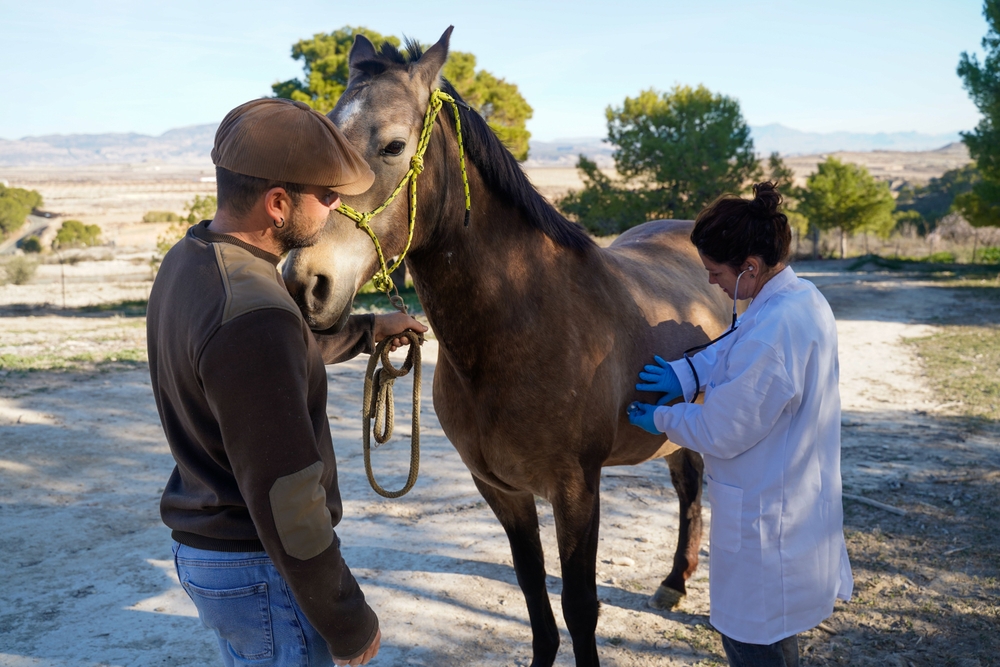
Equine veterinarians treat horses at barns, farms, racetracks, breeding facilities, shows, and clinics. They handle lameness exams, colic calls, wounds, vaccines, reproductive care, dentistry, imaging, and emergency visits. You may work outside in bad weather, drive a lot, and stand next to a nervous 1,200-pound patient.
Average pay is about $48 per hour. The path requires veterinary school and licensing, and many equine vets complete internships before going into practice.
This job is physical and sometimes dangerous, but it is also one of the most direct animal careers on the list. Horses still need hands-on exams, skilled procedures, and someone who can read body language before a kick or bolt happens. Sport horses, breeding farms, working horses, and private owners keep demand steady.
8. Animal physical therapist

Animal physical therapists help animals recover after surgery, injury, nerve problems, arthritis, or weakness. The work can include underwater treadmills, stretching, strength exercises, massage, laser therapy, balance work, and teaching owners how to help at home. Dogs are common patients, but some therapists also work with cats and horses.
Average pay is about $40 per hour. Many people enter through human physical therapy, veterinary medicine, or veterinary technician work, then add animal rehab certification.
This field has room to grow because pets are living longer and owners are spending more on mobility, pain relief, and quality of life. It is also very hands-on. You have to touch, watch, adjust, encourage, and keep a nervous or painful animal safe while it learns to move again.
9. Animal nutritionist

Animal nutritionists design feeding plans for pets, livestock, zoo animals, performance horses, and animals with medical issues. They may work on weight problems, kidney diets, growth, milk production, food allergies, feed costs, or the balance of vitamins, minerals, protein, and fat.
Average pay is about $40 per hour. Most jobs require a degree in animal science, nutrition, biology, agriculture, or a related field. Higher-level roles may prefer a master’s degree or doctorate.
You can find this work in feed companies, pet food brands, farms, universities, zoos, veterinary companies, and consulting firms. It is a good choice if you like animals but do not need to be in a clinic every day. The work stays useful because animals still need safe, cost-effective, species-specific diets.
10. Pet food product development scientist

Pet food product development scientists help create kibble, canned food, treats, supplements, and specialty diets. The job blends food science, animal nutrition, manufacturing, testing, labeling, and customer demand. You may work on flavor, texture, shelf life, ingredient swaps, nutrition rules, or why a dog will not touch a new recipe.
Food scientists and technologists earn around $85,310 per year. Many roles require a degree in food science, animal science, nutrition, chemistry, or biology.
This is one of the more creative animal-adjacent jobs. You are not treating animals directly, but your work affects what millions of pets eat. Pet food companies need people who understand safety, nutrition, testing, recalls, ingredient costs, and picky animals. That mix of science and judgment is hard to reduce to a simple desk task.
11. Animal health pharmaceutical sales representative

Animal health pharmaceutical sales representatives work with veterinary clinics, livestock producers, shelters, and animal hospitals. They explain medications, vaccines, diagnostics, parasiticides, surgical products, or other medical tools. A good rep has to understand the product, the customer’s daily problems, and how animal care actually works.
Technical sales roles in scientific products pay around $100,070 per year. Many employers want sales experience, animal health knowledge, or a background as a vet tech, animal science major, livestock professional, or clinic employee.
This is still a people job, but animals are at the center of the business. Clinics and farms do not just need a brochure. They need someone who can answer practical questions, train staff, handle complaints, and build trust over time. Travel can be heavy, but the pay can be strong.
12. Veterinary practice manager

Veterinary practice managers run the business side of an animal hospital. They handle staffing, scheduling, payroll, inventory, client service, billing, vendor issues, safety rules, and the daily tension of a busy clinic. You may not be holding pets all day, but you are helping the whole hospital function.
Average pay is about $65 per hour. Many people move into this role after working as a vet tech, receptionist, office manager, kennel lead, or hospital supervisor. Business, bookkeeping, HR, and software skills help a lot.
Animal hospitals are still hiring managers because clinics are busy, staff turnover is real, and owners expect better service than ever. This role takes judgment, patience, and thick skin. You are dealing with sick pets, upset clients, tired medical teams, and money conversations, often in the same hour.
13. Pet insurance claims adjuster

Pet insurance claims adjusters review veterinary invoices, medical records, policy details, and treatment notes to decide what is covered. Former vet techs and clinic staff can do well here because they already understand exam fees, diagnostics, prescriptions, surgery notes, and common pet health problems.
Pet insurance claims adjusters average about $31.06 per hour. Some jobs are remote or hybrid, though employers may want insurance experience, veterinary clinic experience, or claims training.
This is a quieter animal-related job for people who cannot or do not want to lift large dogs, work kennels, or handle emergency shifts anymore. Pet insurance keeps growing as vet bills rise, and claims still need human review because records can be incomplete, confusing, emotional, or medically complicated.
14. Wildlife biologist

Wildlife biologists study animals in the field and help manage habitats, populations, and human impact. They may survey birds, bats, fish, reptiles, mammals, wetlands, forests, or construction sites. The job can involve field notes, tagging, tracking, mapping, reports, permits, and meetings with agencies or landowners.
Median pay is about $72,860 per year. Most jobs require a biology, wildlife, ecology, zoology, or environmental science degree, and many better roles prefer a master’s degree.
Growth is not explosive, but the work is steady where development, conservation, energy projects, water use, and endangered species rules overlap. This is a good fit if you can handle mud, heat, ticks, long drives, and paperwork. Someone still has to identify species, read the landscape, and defend the findings.
15. Wildlife forensic scientist

Wildlife forensic scientists help investigate crimes involving animals. That can include poaching, illegal trade, poisoned animals, trafficked species, mislabeled meat, ivory, feathers, bones, hides, or blood evidence. The work supports law enforcement, conservation agencies, and court cases.
Forensic scientists average about $50 per hour. You usually need a strong science degree, often in biology, chemistry, forensic science, genetics, or a related field. Lab experience and careful evidence handling matter.
This is not a cuddly animal job, but it is meaningful work for people who care about wildlife. Cases can be disturbing, and accuracy matters because someone may go to court based on your testing. Demand is helped by the need for DNA work, chain-of-custody rules, and trained people who can explain science clearly.
16. Senior zoo or aquarium curator

Senior zoo and aquarium curators oversee animal collections, keeper teams, breeding plans, habitats, public exhibits, budgets, safety, and welfare standards. They may help decide which species a facility can care for, how animals are introduced, and what changes are needed when behavior or health problems show up.
Zoo curator pay averages around $41 per hour. This is not an entry-level job. Most curators work up through keeper, aquarist, biologist, supervisor, or animal care leadership roles, often with a related degree.
The field is competitive, but the role is more unusual than basic animal care and can be a strong long-term target. Zoos, aquariums, and conservation centers need leaders who understand both animals and people. You have to balance welfare, budgets, staff safety, visitor education, and conservation goals.
17. K-9 police officer

K-9 police officers work with trained dogs in patrol, search, detection, tracking, evidence recovery, crowd work, or missing-person cases. You are still a law enforcement officer first, so the job can involve danger, nights, court, stress, and public pressure. The dog is a partner, not a shortcut.
K-9 officer pay averages about $36 per hour. You usually have to complete police academy training, work as an officer, prove yourself, and then qualify for a K-9 unit. Prior military, animal handling, or search-and-rescue experience can help, but it does not replace the law enforcement path.
This job is physical, serious, and not for everyone. But for the right person, it offers daily work with a dog in a role that still depends on teamwork, timing, scent work, judgment, and human accountability.
18. Animal welfare and food safety auditor

Animal welfare and food safety auditors visit farms, processing plants, pet food facilities, transport operations, and supplier sites to check how animals, food, equipment, records, and sanitation are handled. They look for problems before they turn into cruelty claims, recalls, illness, fines, or lost contracts.
Food safety specialists average about $38 per hour. Many jobs look for experience in agriculture, food production, quality assurance, veterinary work, animal science, or auditing. Certifications in food safety, animal welfare, or quality systems can make you more competitive.
This is a practical career for people who care about animals but can handle hard conversations. You may travel, walk facilities, review records, interview workers, and write reports that affect real business decisions. Companies need humans on-site because welfare and safety are not just numbers on a screen.
Discover job hunting tips, ways to earn more, and flexible working options:

21 high-paying careers that desperately need workers, but nobody wants to do them: The pay is generous, but these jobs are searching for workers.
No background check jobs: 12 background friendly jobs: If you’re struggling to find a job due to past issues, here are jobs you can get without background checks.
15 remote jobs you probably didn’t know pay $150,000+ In 2026: High income and flexible work hours from home is not a myth — here are some remote-friendly careers.











