
If office work feels unstable and your bills keep getting louder, a skilled trade can still be a solid way to earn real money.
The catch is that the best-paying trades are not always the ones people name first. Some are in substations, rail yards, airports, ship engine rooms, factories, wind farms, and commercial buildings.
Most of these jobs take training, licensing, apprenticeship time, or years of field experience before you hit the stronger pay. But they are hands-on, hard to outsource, and built around problems that still need a trained person on site.
Table of contents
- Elevator and escalator mechanic
- Electrical power-line installer and repairer
- Substation relay technician
- Rail signal maintainer
- Airline aircraft mechanic
- Avionics technician
- Ship engineer
- Commercial diver
- Senior nondestructive testing technician
- Industrial automation controls specialist
- Control and instrumentation technician
- CNC field service technician
- Wind turbine service technician
- Electrical foreman
- Commercial plumbing foreman
- Fire sprinkler foreman
- Commercial roofing foreman
- HVAC foreman
Elevator and escalator mechanic

Elevator and escalator mechanics install, repair, and maintain the lifts people use in offices, hospitals, apartment buildings, airports, hotels, and transit stations. The work combines electrical systems, motors, hydraulics, cables, controls, doors, brakes, and safety testing. Median pay is about $51 an hour, which makes it one of the strongest-paying skilled trades.
This job usually starts with a paid apprenticeship, often through a union or contractor. You need mechanical sense, comfort with heights and tight spaces, and the patience to follow safety rules every time. Demand stays steady because elevators have to be inspected, modernized, and repaired even when new construction slows down. Older buildings need upgrades, busy buildings need service calls, and no property owner wants a broken elevator sitting there for days.
Electrical power-line installer and repairer

Power-line workers build, inspect, and repair the lines that move electricity across neighborhoods, highways, job sites, and rural areas. They climb poles, use bucket trucks, work around high voltage, and respond when storms knock out power. Median pay is about $44 an hour, with overtime often adding a lot during outages and emergency work.
A common path is line school, a utility training program, or a paid apprenticeship. You may also need a commercial driver’s license and strong safety training. This is hard physical work, and it is not for everyone. But the grid needs constant maintenance, new energy projects need connections, and severe weather keeps repair crews busy. When power is out, no software tool can climb the pole and make the repair.
Substation relay technician
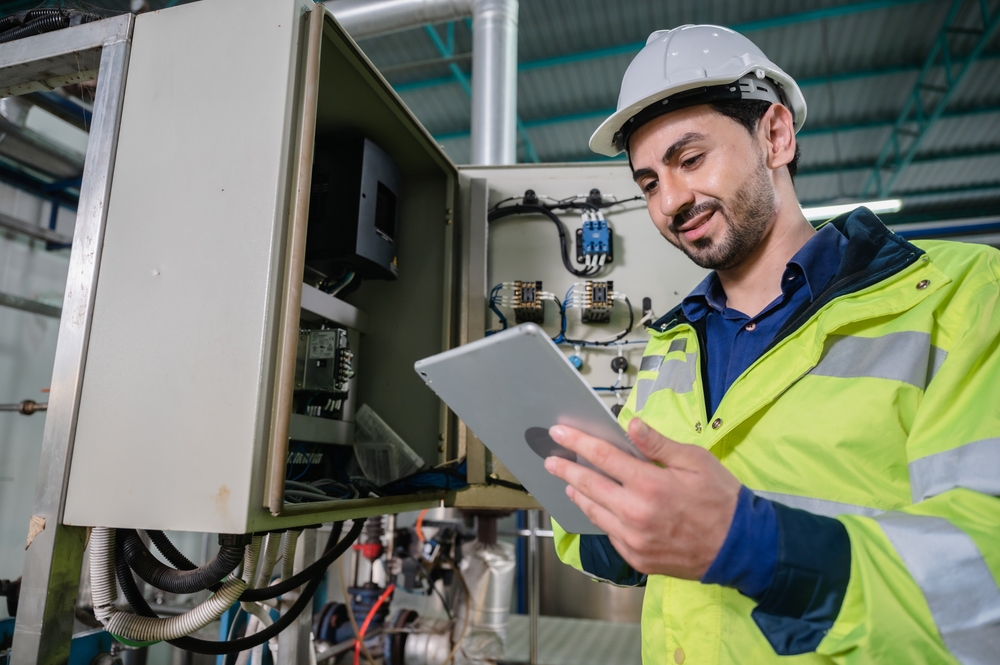
Substation relay technicians work on the equipment that protects the electrical grid from overloads, faults, and failures. They test relays, inspect breakers, troubleshoot transformers, read wiring diagrams, and help keep power flowing safely. Median pay is about $49.53 an hour, and this trade is a strong fit for someone who likes electrical work but wants a more specialized path.
People often move into this job through electrical, electronics, utility, military, or industrial maintenance experience. The training can be serious because a mistake in a substation can create big safety and outage problems. Demand is helped by grid upgrades, aging equipment, and the growth of renewable energy connections. The equipment may be high-tech, but the work still happens around real breakers, panels, cables, and test gear.
Rail signal maintainer

Rail signal maintainers keep crossing gates, signal lights, switches, track circuits, and train control systems working correctly. They may troubleshoot a crossing that will not activate, test a switch machine, repair wiring, or respond when a signal issue slows down freight or passenger rail. Median pay is about $40.19 an hour.
This is a trade many people never think about until they are sitting at a crossing or riding a train. Employers often look for electrical, electronics, mechanical, or military maintenance experience, then train workers on railroad systems. The job can mean outdoor work, odd hours, and on-call shifts. It stays important because rail safety is strict, and a broken signal is not a small problem. Trains still depend on skilled people who can diagnose equipment in the field.
Airline aircraft mechanic

Airline aircraft mechanics inspect, repair, and maintain planes used for passenger and cargo flights. They work on engines, brakes, landing gear, hydraulics, fuel systems, flight controls, and aircraft structures. In air transportation, median pay is about $95,320 a year, which puts experienced airline mechanics in the mid-$40-an-hour range.
The usual route is aviation maintenance school, military aircraft maintenance, or supervised experience that leads to airframe and powerplant certification. This is regulated work with heavy documentation, because a repair has to be done right before a plane goes back into service. Demand is supported by travel, cargo shipping, and an aging fleet that needs steady maintenance. Planes may have advanced systems, but someone still has to inspect the parts, find the problem, and sign off the repair.
Avionics technician

Avionics technicians handle the electronic systems inside aircraft. That can include navigation, radios, radar, flight displays, autopilot, sensors, wiring, and communication equipment. In air transportation, median pay is about $99,150 a year, and the field is projected to grow faster than many other repair trades.
You can enter through aviation electronics training, military avionics experience, or an aircraft maintenance path with extra electronics work. Some jobs also call for specific communication or aircraft certifications. This trade is not greasy in the same way engine work can be, but it is still hands-on. You are testing circuits, tracing faults, replacing components, and making sure the cockpit systems pilots depend on are working before takeoff.
Ship engineer

Ship engineers keep vessels running below deck. They monitor and repair engines, generators, pumps, fuel systems, refrigeration, hydraulics, electrical systems, and other machinery. Median pay for ship engineers is about $45.32 an hour, and some marine sectors pay more for longer trips or harder schedules.
This trade usually takes maritime training, Coast Guard credentials, sea time, and a willingness to work unusual rotations. Some people start in engine room roles and move up as they gain licenses and experience. It can mean time away from home, but the work suits people who like machines, routines, and responsibility. Cargo vessels, ferries, offshore support boats, and research ships all need people who can keep equipment running when there is no repair shop around the corner.
Commercial diver

Commercial divers do underwater work for bridges, dams, ships, docks, pipelines, power plants, inspections, salvage, and marine construction. They may weld, cut, inspect, clean, rig, photograph, or repair structures in low visibility and tough conditions. Pay varies a lot, but engineer diver roles average about $41 an hour.
This is not recreational diving with a paycheck. Training usually includes commercial diving school, safety procedures, underwater tools, decompression rules, rigging, and emergency response. The work can be seasonal, project-based, and physically hard. But it is a true specialty trade, and the skill set is not easy to replace. A bridge piling, intake pipe, or vessel hull still needs a trained diver or dive team when the work has to happen underwater.
Senior nondestructive testing technician

Nondestructive testing technicians inspect parts, welds, pipes, tanks, aircraft components, bridges, and industrial equipment without cutting them apart. They may use ultrasonic testing, radiography, magnetic particle testing, dye penetrant testing, or other methods to find cracks and flaws. Advanced NDT technician pay averages about $43 an hour.
This is a strong alternative trade for people who are careful, patient, and good with details. You usually build skills through classroom training, supervised hours, and certifications in specific testing methods. The work shows up in aerospace, energy, manufacturing, pipelines, refineries, shipyards, and construction. It stays valuable because safety rules and insurance requirements depend on finding problems early. A missed flaw can become a very expensive failure.
Industrial automation controls specialist

Industrial automation controls specialists keep automated production systems running in factories, warehouses, food plants, and packaging lines. They work with sensors, programmable controllers, motors, drives, panels, touchscreens, conveyors, and networks. Average pay is about $56 an hour.
This trade is a good match for someone who likes electrical troubleshooting and computer-controlled equipment but does not want a desk-only job. Many workers start with mechatronics, industrial maintenance, electronics, or electrical training, then add controls and PLC skills. As more companies add automated equipment, they also need people who can fix it when it stops. A production line that is down costs money fast, so skilled controls workers can become very hard to ignore.
Control and instrumentation technician

Control and instrumentation technicians install, calibrate, test, and repair the instruments that measure pressure, temperature, flow, level, and other process conditions. They work in power plants, water systems, factories, chemical plants, food production, and energy facilities. Experienced control and instrument techs average about $47 an hour.
This is a trade for people who like precise troubleshooting. You may be checking transmitters, valves, meters, wiring, and control loops that keep a plant safe and consistent. Training can come from instrumentation programs, electrical work, military experience, or industrial maintenance. The job stays stable because plants cannot run safely if their instruments are wrong. Even with better software, someone still has to test the device, verify the reading, and fix the hardware.
CNC field service technician
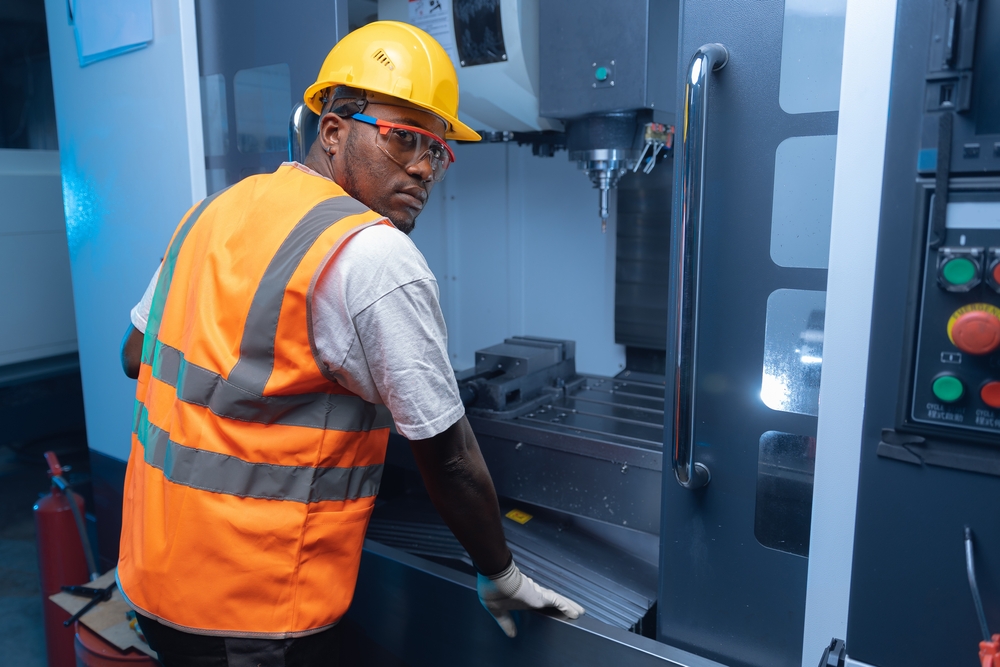
CNC field service technicians travel to shops and factories to repair computer-controlled mills, lathes, routers, grinders, and machining centers. They troubleshoot spindles, drives, motors, controls, coolant systems, tool changers, probes, and alarms. CNC field service roles average about $51 an hour.
Despite the “computer” part, this is still a hands-on machine trade. You need mechanical skill, electrical troubleshooting, and comfort reading manuals and error codes. Many people come from machining, maintenance, robotics, or military repair backgrounds. Demand is tied to manufacturing, aerospace, medical devices, defense, and tool-and-die shops. When a six-figure machine is down, the shop needs a real person who can show up, diagnose it, and get parts moving again.
Wind turbine service technician
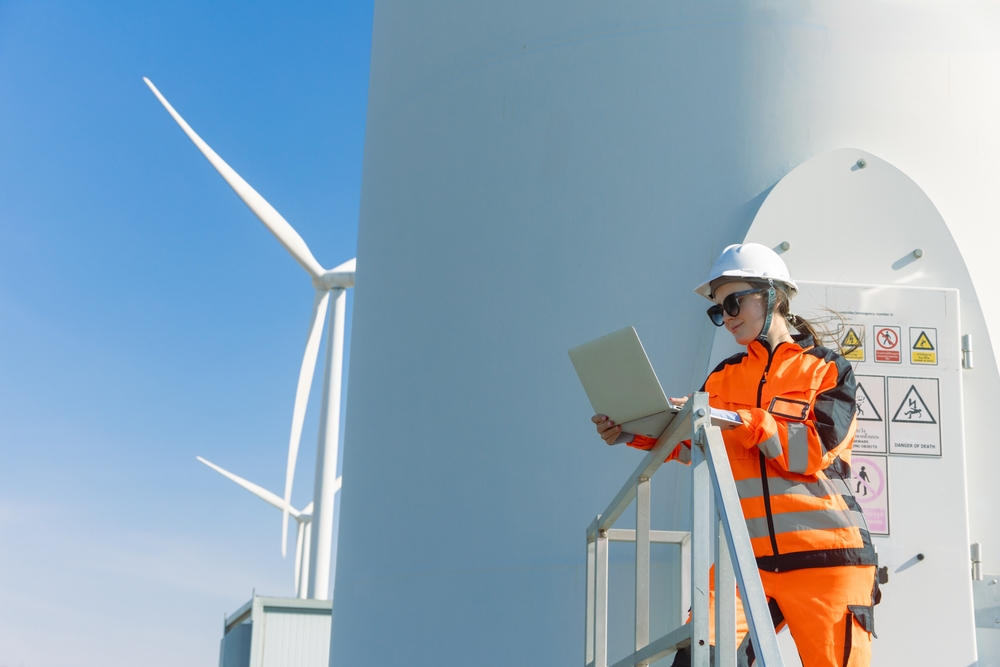
Wind turbine service technicians inspect, maintain, and repair the towers, blades, brakes, gearboxes, generators, sensors, and control systems inside wind turbines. Average pay is about $42 an hour, and demand is rising as more wind projects are built and older turbines need service.
Training often starts with a wind energy program, electrical or mechanical training, safety certifications, and rope or climb training. You need to be comfortable with heights, weather, travel, and confined spaces. This job is not easy, but it is one of the more interesting energy trades. The turbine may be remote and full of software, but the repair is still physical. Someone has to climb, inspect, torque, test, and replace parts when the machine is not producing power.
Electrical foreman

Electrical foremen lead crews on commercial, industrial, and large residential electrical jobs. They read plans, assign work, check code issues, manage materials, solve jobsite problems, and make sure wiring, panels, lighting, controls, and equipment are installed safely. Average pay is about $44 an hour.
This is usually not an entry-level job. Most foremen start as apprentices, become journeyman electricians, and move up after proving they can lead people and fix problems without slowing the whole job down. Demand is supported by construction, remodels, industrial projects, electric vehicle charging, solar connections, and backup power. Plans rarely match the real building perfectly, so good foremen earn their pay by keeping the crew moving and the work safe.
Commercial plumbing foreman

Commercial plumbing foremen supervise crews that install and repair piping systems in schools, hospitals, restaurants, apartment buildings, offices, and industrial spaces. They deal with water lines, drains, vents, fixtures, gas piping, pumps, equipment rooms, inspections, and jobsite coordination. Average pay is about $43 an hour.
Most people get there through a plumbing apprenticeship, licensing, and years of commercial field work. Commercial jobs are more complex than basic home service calls because many trades are working in the same space at once. This job stays stable because every building needs safe water, waste, and gas systems. Health rules, inspections, tenant needs, and emergency repairs keep the work grounded in the real world.
Fire sprinkler foreman

Fire sprinkler foremen lead crews that install, repair, and test sprinkler systems in commercial buildings, warehouses, schools, hotels, apartments, and industrial sites. They work with pipe, valves, hangers, pumps, alarms, blueprints, pressure tests, and inspections. Average pay is about $43 an hour.
This trade is tied closely to building codes and life safety rules, which gives it staying power. Workers often start as sprinkler fitter apprentices and move up after learning layout, threading, grooving, installation, testing, and crew leadership. It can be physical and deadline-heavy, especially on active construction sites. But buildings still need fire protection, insurers and inspectors still care, and a failed system can put lives and property at risk.
Commercial roofing foreman

Commercial roofing foremen lead crews that install, maintain, and repair roofs on warehouses, schools, hospitals, offices, retail centers, and apartment buildings. They may work with membrane systems, insulation, flashing, drains, skylights, leak repairs, safety gear, and manufacturer specifications. Average pay is about $44 an hour.
Most foremen start as roofers and move up by learning materials, crew leadership, job pacing, safety rules, and quality control. Manufacturer certifications and OSHA training can help. Roofing is hard work, especially in heat, cold, and bad weather. But commercial roofs are expensive, and leaks can damage inventory, equipment, and tenant spaces fast. That keeps experienced roofing leaders in demand, especially after storms and as older buildings need replacement.
HVAC foreman

HVAC foremen oversee crews that install and repair heating, cooling, ventilation, and refrigeration systems in commercial buildings and large facilities. They coordinate ductwork, controls, chillers, rooftop units, refrigerant lines, boilers, vents, schedules, and inspections. Average pay is about $47 an hour.
This job usually comes after years as an HVAC technician or installer. You need to understand the equipment, but you also need to keep a crew organized and deal with the surprises that show up on real jobs. Demand is helped by hotter summers, aging systems, energy upgrades, indoor air quality concerns, and construction. A building with broken cooling, bad ventilation, or failed refrigeration still needs trained people on site, tools in hand, figuring it out.











