
Healthcare has plenty of jobs for people who have zero interest in racing through an emergency room or spending every shift wondering what disaster is coming through the door next.
Some of the better-paid work is almost aggressively uneventful. Think credential files, medication reviews, equipment logs, treatment plans, quality checks, compliance reports, imaging archives, and inspection prep. Much of it happens in quiet offices, labs, pharmacies, manufacturing plants, or hospital departments most patients never see.
The dull parts are also what make many of these jobs dependable. Hospitals still need licensed professionals. Drug and device makers still have to pass inspections. Nursing facilities still need administrators. Cancer treatments still need careful planning. Software may speed up pieces of the work, but there is usually a qualified person who has to check the result, make the call, and take responsibility when something is wrong.
Table of contents
- 1. Medical dosimetrist
- 2. Clinical laboratory manager
- 3. Managed care pharmacist
- 4. Consultant pharmacist
- 5. Clinical engineering manager
- 6. PACS manager
- 7. Medical staff credentialing manager
- 8. Healthcare compliance manager
- 9. Clinical risk manager
- 10. Clinical trial manager
- 11. Employee health services manager
- 12. Licensed nursing home administrator
- 13. Dialysis manager
- 14. Pharmaceutical quality assurance manager
- 15. Infection control manager
- 16. Radiology operations manager
- 17. Sleep lab manager
- 18. Medical-device quality systems manager
1. Medical dosimetrist

If carefully adjusting numbers on a computer screen for hours sounds more appealing than dealing with a waiting room full of sick people, medical dosimetry is worth knowing about. Dosimetrists work with radiation oncologists and medical physicists to build radiation treatment plans for cancer patients. Much of the day involves reviewing scans, outlining treatment areas, calculating dose distribution, checking plans, and making tiny adjustments until everything meets strict limits. National pay averages about $61 per hour.
The work is highly technical but usually controlled and methodical rather than frantic. Hospitals and cancer centers need someone who understands how radiation will interact with actual human anatomy, not simply someone who can press a button on planning software. Most dosimetrists enter after earning a bachelor’s degree and completing an accredited medical dosimetry program, followed by certification. It is a small profession, which helps experienced workers remain valuable, and cancer treatment centers need coverage when older specialists retire or leave. If you like precision, repetition, and spending an unreasonable amount of time making one treatment plan exactly right, boring can pay very well.
2. Clinical laboratory manager

Clinical laboratory managers are responsible for the part of a hospital that produces thousands of results while most patients barely know it exists. Instead of personally running every blood or urine test, you oversee technologists, analyzers, quality-control records, proficiency testing, supply levels, maintenance schedules, and the endless documentation required to keep a lab operating correctly. Average U.S. pay is around $58 per hour.
This is a good fit for someone who finds satisfaction in a department running exactly the same way on Tuesday as it did on Monday. A common route is to become a medical laboratory scientist or technologist, build several years of bench experience, then move into supervision and management. Laboratory employment itself is growing slowly, but employers still expect tens of thousands of openings over the decade as people retire or change occupations. Automated analyzers already perform plenty of testing, yet laboratories still need qualified people to investigate questionable results, handle failures, maintain quality standards, manage staff, and take responsibility when the machine does something it should not.
3. Managed care pharmacist

A managed care pharmacist may spend far more time thinking about formularies and coverage criteria than counting pills. These pharmacists work for health plans, pharmacy benefit organizations, health systems, and other organizations that decide how medications are covered and used. A typical day can involve reviewing prior authorization rules, evaluating drug-use patterns, working through medication policies, checking clinical criteria, and helping decide when an exception makes sense. Average pay is about $67 per hour.
It is pharmacy work for someone who would rather examine another spreadsheet of utilization cases than stand behind a retail counter with six people waiting. You generally need a PharmD, an active pharmacist license, and experience in pharmacy practice. Managed care residencies and related experience can make the move easier. Pharmacist employment is projected to grow about as fast as the overall job market, with thousands of openings expected each year. Routine cases can certainly be screened electronically, but difficult coverage decisions still involve clinical judgment, drug interactions, medical history, appeals, and professional accountability. The result is a healthcare job built around rules, repetition, and an enormous amount of careful review.
4. Consultant pharmacist

Consultant pharmacists often work with nursing homes, assisted-living operations, rehabilitation centers, and other long-term care facilities. Their job is largely one long medication review. They examine residents’ drug regimens, look for unnecessary medications, dosing problems, interactions, duplicate therapies, and monitoring issues, then make recommendations to physicians and facility staff. National average pay is roughly $66 per hour.
The pace is very different from an emergency department or busy retail pharmacy. You may spend hours moving from chart to chart, reviewing the same categories of information and documenting the same types of concerns. It requires a PharmD and pharmacist licensure, while long-term care experience and geriatric pharmacy credentials can help. The aging population gives these pharmacists a large and persistent customer base, and the broader pharmacist profession is expected to keep adding jobs. Medication software can flag a possible interaction, but a real pharmacist still has to decide whether it matters for an 87-year-old resident taking 12 other drugs, then communicate a useful recommendation to the care team. That mixture of regulation and judgment keeps the role surprisingly durable.
5. Clinical engineering manager

Hospitals own an astonishing amount of equipment that has to work every single time someone needs it. Clinical engineering managers help make sure it does. They oversee technicians responsible for infusion pumps, patient monitors, defibrillators, imaging equipment, ventilators, and other medical devices. Much of the job is preventive-maintenance schedules, equipment inventories, service contracts, recalls, repair records, inspection preparation, and deciding whether an aging machine should be repaired or replaced. Average pay is about $53 per hour.
You usually work toward this position through biomedical equipment technology, biomedical engineering, electronics, or a related technical field, then gain years of hands-on hospital equipment experience before managing a department. The related biomedical engineering field is projected to grow at a solid pace over the coming decade. Hospitals cannot simply ignore a missed calibration or a device recall because the paperwork is tedious. Someone has to know what equipment is on the floor, whether it is safe, when it was serviced, and what happens when it fails. For people who enjoy maintenance logs, recurring schedules, and getting mildly irritated when somebody moves a machine without updating its location, it can be an unusually well-paid niche.
6. PACS manager

Every X-ray, CT, MRI, and many other medical images have to go somewhere after they are taken. A PACS manager keeps the systems that store, retrieve, route, and display those images working. Days can disappear into user-access problems, missing studies, interface errors, storage issues, workflow changes, system upgrades, and calls from radiology because an image is not appearing where it should. Average national pay is around $54 per hour.
Many people enter PACS work after starting as radiologic technologists and becoming the department’s resident systems expert. Others come through healthcare technology or imaging informatics. Specialized PACS and imaging-informatics certifications can strengthen your credentials. Healthcare information and records technology occupations are projected to grow much faster than average as medical organizations manage ever larger volumes of digital information. This is not software development. The value is knowing how real radiology departments operate, how imaging systems talk to each other, and what to do when they do not. Hospitals need those systems available around the clock, which makes the person who understands the obscure error message at 6:15 a.m. harder to dispense with than the job title suggests.
7. Medical staff credentialing manager

Few jobs sound more boring than making sure hundreds of doctors have the right licenses, certifications, references, privileges, and paperwork. That is essentially the business of a medical staff credentialing manager. You oversee initial applications, renewals, verification work, expiring credentials, committee packets, provider files, and the processes hospitals use before allowing clinicians to practice. The average salary comes to about $53 per hour.
People commonly work their way up from credentialing coordinator or medical staff services positions, then add professional credentials and management experience. A bachelor’s degree may be preferred for management jobs, but detailed knowledge of credentialing rules and hospital processes matters heavily. Hospitals operate under formal participation and safety requirements, so verifying who is qualified to provide care is not optional administrative decoration. The broader healthcare-management field is also projected to grow much faster than average. Software can remind you that a license expires next month. It cannot take responsibility for deciding whether a complicated provider file meets the facility’s standards. If alphabetical folders and zero missing documents bring you peace, this may be your kind of healthcare career.
8. Healthcare compliance manager

Healthcare compliance managers spend their working lives asking some version of, “Are we actually allowed to do this?” They monitor policies, investigate possible violations, review practices, prepare for audits, track corrective actions, and help departments follow healthcare regulations. There can be a lot of meetings, checklists, training records, case files, and careful follow-up. Average national pay is approximately $59 per hour.
Hospitals, insurers, physician groups, long-term care companies, and other healthcare organizations employ compliance staff because the cost of getting major rules wrong can be enormous. People often enter from healthcare administration, nursing, billing oversight, auditing, legal support, or quality roles, then build specialized compliance experience and certification. Employment in healthcare management is projected to grow much faster than the average occupation. Software is useful for identifying an unusual claim or missing record, but a flagged item is only the beginning. Somebody still has to investigate what happened, understand the rule, talk to the people involved, and decide what needs fixing. Most days will not produce a thrilling story for dinner. That is part of the attraction if you prefer rules and predictable problems to bedside chaos.
9. Clinical risk manager

A clinical risk manager deals with the things that went wrong, almost went wrong, or might go wrong next time. That sounds dramatic, but much of the actual job is remarkably procedural. You review incident reports, track patient falls, medication events and complaints, gather records, lead investigations, prepare summaries, follow corrective actions, and sit through meetings devoted to preventing the same mistake from happening twice. Average pay is about $62 per hour.
Hospitals and health systems often hire experienced nurses, quality specialists, patient-safety professionals, or healthcare administrators into risk roles. Specialized healthcare risk-management certification can help as you move up. The broader medical and health services management profession is projected to expand much faster than the overall labor market. This role also benefits from having a human who understands the difference between a harmless oddity and an event that exposes patients or the organization to serious danger. Systems can categorize reports and spot patterns, but interviewing staff, weighing messy facts, and deciding how a hospital should respond still requires judgment. If you can read the 47th incident report of the month without losing focus, employers have a reason to value you.
10. Clinical trial manager

Clinical research sounds glamorous until you see the trackers. A clinical trial manager may spend months following enrollment numbers, monitoring schedules, protocol deviations, site performance, consent versions, vendor deadlines, safety documentation, and lists of tasks that refuse to stay completed. You coordinate the operational side of studies so researchers at different sites follow the same protocol and the study produces usable results. Average pay is about $52 per hour.
Most people do not step directly into the manager job. A common path starts with a science or health-related degree and experience as a clinical research coordinator, clinical research associate, or similar trial professional. From there, you learn regulations, monitoring, site operations, and the thousand ways a study can drift off schedule. Employment for the broader medical scientist field is projected to grow faster than average. Clinical trials also come with formal requirements for documentation and oversight, which means “the computer handled it” is not much of a defense when a protocol was not followed. The job rewards people who can notice that one site is using the wrong document version before it becomes a much bigger problem.
11. Employee health services manager

Large hospitals do not just take care of patients. They also have thousands of employees whose vaccinations, workplace exposures, injuries, health clearances, and return-to-work issues need to be managed. Employee health services managers oversee that machinery. A typical week might include reviewing exposure cases, making sure required screenings are completed, tracking immunizations, handling workplace injuries, supervising occupational health staff, and chasing employees who still have not completed something they were told about three times. Average pay is around $58 per hour.
Many managers come from nursing or occupational health, then build experience in employee health programs and supervision. Nursing employment is expected to continue growing, while healthcare-management roles are projected to grow particularly quickly. The work is repetitive because the same issues return every year: flu season, needlesticks, respirator clearances, injuries, new hires, and employees returning after illness. Yet decisions still involve medical histories, workplace safety, confidentiality, and individual circumstances. That makes this a strong option for a clinician who wants to leave constant bedside care without leaving healthcare altogether.
12. Licensed nursing home administrator

A nursing home administrator is basically responsible for making sure an entire facility keeps functioning without drifting into chaos. The days are heavy on staffing reports, resident complaints, survey preparation, admissions, quality measures, maintenance issues, policies, family concerns, and meetings about problems that were supposedly fixed last month. National pay averages about $65 per hour.
This one generally requires a bachelor’s degree, approved administrator training, and a state nursing home administrator license. Requirements vary, but an administrator-in-training period is a common part of getting licensed. Once you are in the job, regulation is a major reason the occupation does not simply disappear when a company wants to trim payroll. Skilled nursing facilities operate under extensive health, safety, quality, and survey requirements. Healthcare-management employment is also projected to grow strongly. It can be stressful when something serious happens, but much of ordinary life is repetitive operational work: staffing, documentation, inspections, follow-up, and making sure 150 small obligations are handled before one turns into a large problem.
13. Dialysis manager
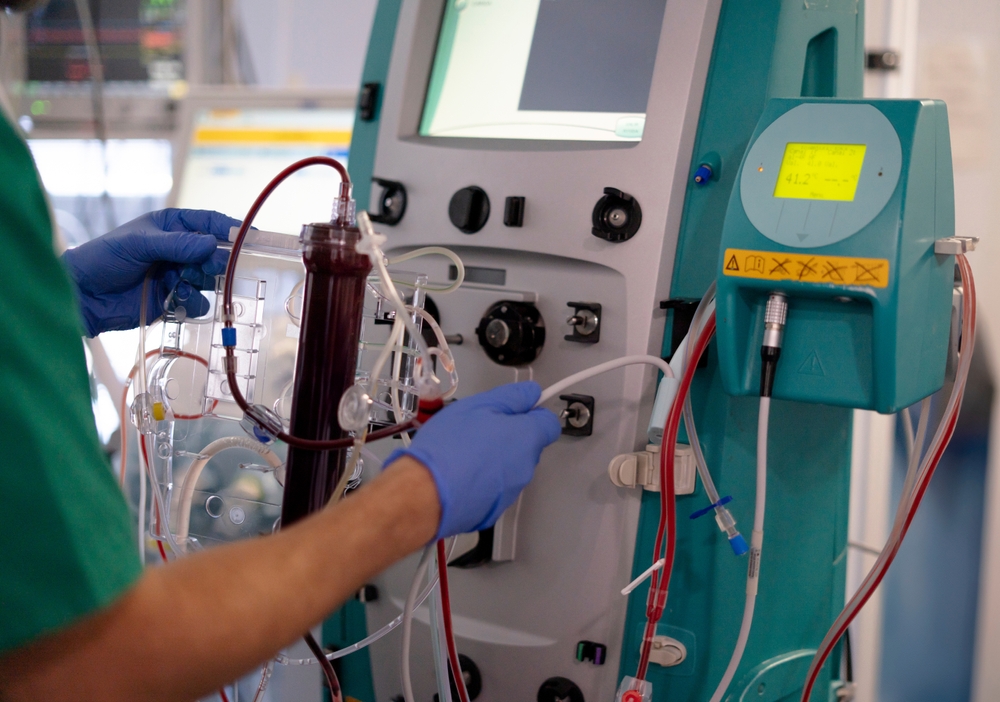
Dialysis is one of healthcare’s most repetitive services by design. Patients return on a regular schedule, machines run prescribed treatments, water systems have to meet standards, supplies have to be ready, and the same safety checks have to happen every time. A dialysis manager oversees those operations, including staffing, schedules, quality measures, infection-control practices, equipment issues, missed treatments, and regulatory preparation. Average U.S. pay is around $57 per hour.
Many managers are registered nurses who first build several years of dialysis experience, although exact employer requirements vary. That hands-on background matters because treatment may be routine, but complications are not. Dialysis facilities participate in formal certification, quality, and performance programs, which creates continuing demand for people who can keep operations compliant and patients safely treated. Machines handle the filtration process, but they do not supervise a clinical team, investigate an infection problem, notice a bad trend in patient outcomes, or explain why the unit missed a quality target. If a predictable treatment cycle and a tightly controlled routine sound more comfortable than unpredictable acute care, dialysis management can be a solid landing spot.
14. Pharmaceutical quality assurance manager

Pharmaceutical quality assurance is what happens when “check your work” becomes an entire career. QA managers in drug manufacturing review batch records, deviations, corrective actions, change controls, manufacturing problems, inspection findings, and the systems used to prove medicines were produced correctly. You can spend an impressive amount of time examining whether somebody followed a procedure exactly as written. Average pay is roughly $62 per hour.
These jobs usually go to people with degrees in chemistry, biology, pharmacy, engineering, or related sciences plus several years of regulated manufacturing or quality experience. The security comes partly from the nature of the industry. Drug manufacturers are required to maintain controlled manufacturing methods, facilities, processes, and quality systems, and those requirements are backed by inspections and enforcement. Software can organize deviations or point out a missing field. A quality manager still has to decide whether a problem threatens the batch, whether an investigation makes sense, and whether corrective action is good enough. It is painstaking work, but that is precisely why companies cannot casually hand responsibility for it to a cheap automated tool.
15. Infection control manager

An infection control manager spends a lot of time watching numbers nobody else wants to look at. You track infections, isolation practices, hand-hygiene performance, outbreaks, employee exposures, cleaning issues, and whether departments are following prevention procedures. There are data reviews, committee meetings, audits, education sessions, and investigations into why the same unit keeps having the same problem. Average pay is around $60 per hour.
Many infection control managers begin as nurses, microbiology professionals, epidemiology staff, or infection preventionists, then gain specialized experience and certification. Hospitals, long-term care facilities, and other healthcare organizations cannot treat infection prevention as optional, particularly when vulnerable patients share buildings, staff, equipment, and germs. The broader healthcare-management field is projected to grow much faster than average. Computer systems are increasingly useful for finding suspicious patterns, but finding a pattern is not the same as controlling an outbreak. Someone has to investigate what is happening on the floor, work with clinical teams, change practices, and determine whether the intervention worked. Most weeks involve far more surveillance and follow-up than drama, which is exactly what good infection prevention is supposed to look like.
16. Radiology operations manager
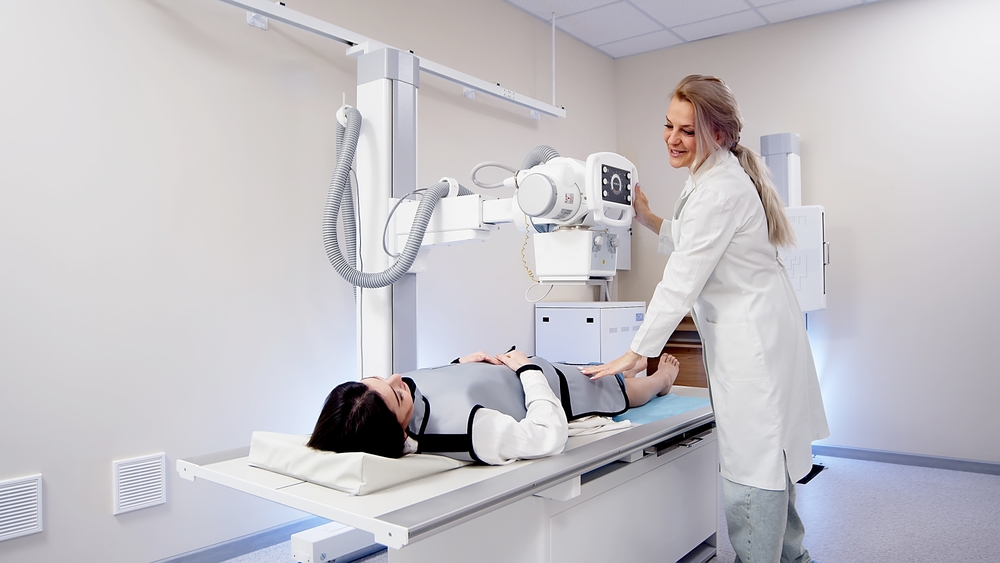
A radiology operations manager does not spend the day interpreting mysterious scans. You spend more time figuring out why the MRI schedule is backed up, whether there are enough technologists for tomorrow, when a scanner can be taken down for maintenance, and why patients are waiting too long for exams. The role covers staffing, scheduling, workflow, equipment downtime, supplies, quality issues, department procedures, and the everyday mechanics of keeping an imaging department moving. Average pay is approximately $56 per hour.
A common route starts with becoming a radiologic technologist, MRI technologist, CT technologist, or another imaging professional. After enough clinical experience, you move into lead and supervisory roles before managing operations. Healthcare-management jobs are projected to grow rapidly as medical organizations expand and become more complex. Imaging departments also depend on expensive physical equipment and licensed staff who have to be in the right place at the right time. Scheduling software can shuffle appointments, but it cannot repair a staffing shortage, decide how to handle an unexpected scanner outage, or safely reorganize a day of patients when everything is already booked solid. It is logistics, only with much more expensive machinery.
17. Sleep lab manager

Sleep medicine may be one of the few healthcare fields where a quiet night is literally the goal. A sleep lab manager oversees the staff, rooms, equipment, scheduling, quality checks, records, and daily operations behind sleep studies. You may spend your day dealing with sensor problems, staffing overnight shifts, checking study quality, making sure equipment is maintained, reviewing workflow, and keeping the lab ready for accreditation or inspections. Average national pay is about $56 per hour.
Managers commonly come up through sleep technology, respiratory therapy, nursing, or another clinical background and add management experience after learning the technical side of sleep testing. The work is specialized enough that employers cannot simply drop an unrelated office manager into the role and expect everything to run properly. There is medical equipment to oversee, unusual schedules to staff, patient safety to protect, and clinical procedures that must be followed consistently. Healthcare-management employment more broadly is expected to grow much faster than average. For someone who likes repeatable procedures and a department where many patients are supposed to spend most of the appointment unconscious, this is about as far from emergency medicine as healthcare gets.
18. Medical-device quality systems manager

Medical-device companies need people whose working lives revolve around controlled procedures, audit trails, complaints, corrective actions, supplier problems, document changes, and whether everyone followed the quality system properly. A quality systems manager keeps those processes organized and investigates when something falls outside them. National pay for quality systems managers averages about $58 per hour.
In medical-device manufacturing, employers often want a science, engineering, manufacturing, or quality background plus several years of experience with regulated products. Knowing device quality standards, audits, corrective and preventive action, and manufacturing controls can matter more than having a flashy job title. The current U.S. device quality regulation requires manufacturers to establish and follow a formal quality management system, and a revised inspection process took effect in 2026. That gives companies a strong reason to keep experienced quality people around. Software can route an approval or spot an overdue task. It cannot walk through a production failure, question the people involved, assess whether the fix actually addresses the cause, and stand behind the decision during an inspection. If you genuinely enjoy procedures having procedures, you may have found your place.
Managing Editor Katy Willis’s writing has been featured on MSN, Yahoo! Finance, Reader’s Digest, Forbes, Business.com, HomeAdvisor, Family Handyman, and more. She specializes in real estate, affordability, technology, and preparedness content that helps readers make smart, confident choices.
Katy’s LinkedIn











